Explained
Ski Gloves, Explained
After reading, you'll understand how a ski glove keeps water out, what insulation figures mean, and which details decide how long it lasts.
In this guide
First-time buyers tend to shop ski gloves on the word "waterproof" and a thick look. Neither tells you much. The real differences are in the insert behind the shell, the amount and type of insulation, what the palm is made of and how the cuff seals against your sleeve.
The 30-second version
- The insert does the waterproofing, so look for a named membrane like GORE-TEX rather than a waterproof claim on the outer fabric.
- Insulation grams matter, and good listings split them by back of hand and palm.
- Leather palms outlast synthetic, but leather needs wax or balm to stay water-resistant.
- A gauntlet keeps snow out, because it closes over your jacket sleeve instead of under it.
- A removable liner fixes wet gloves, since you can dry it overnight or swap in a spare.
The products this guide is about
Our verdict on each, with the full reasoning on the companion review.
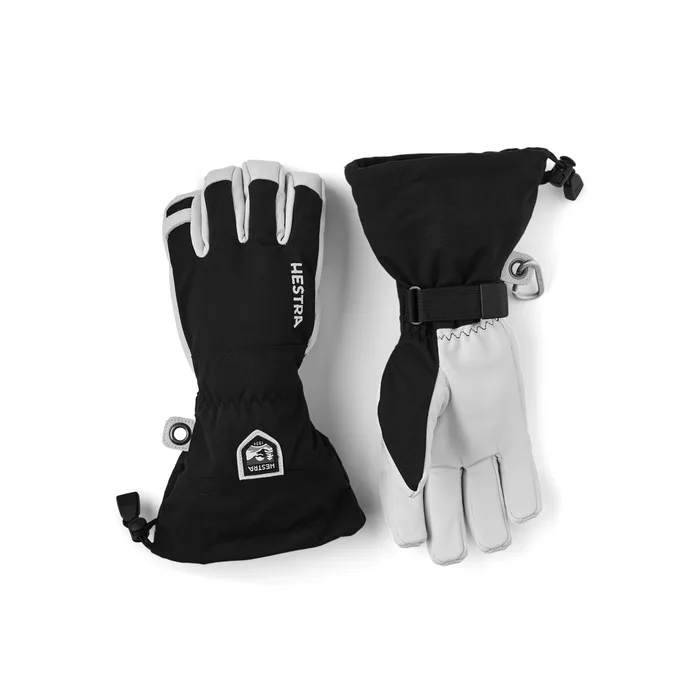
- Buy Hestra Army Leather Heli Ski - 5 finger A guide-grade leather ski glove with a replaceable liner and a long snowlock gauntlet.
- Buy Outdoor Research Revolution GORE-TEX Glove A GORE-TEX insulated resort glove with a gauntlet cuff and a lifetime guarantee, at a mid-range price.
- It depends Kinco 901 Lined Heavy-Duty Premium Grain & Suede Pigskin Ski Glove A warm, tough pigskin work glove that many riders ski in, as long as they wax it.
- Skip OutdoorMaster 3M Thinsulate Waterproof Ski Gloves A feature-packed budget glove whose materials fall short of what the price nearly buys elsewhere.
What actually matters
- Waterproof insert - A membrane between the shell and the insulation stops water while letting sweat vapor escape. GORE-TEX is the best-known; TPU inserts are common in budget gloves.
- Insulation type and weight - Synthetic insulations like PrimaLoft, EnduraLoft, Thinsulate and G-Loft keep some warmth when damp. More grams mean more warmth and more bulk.
- Palm material - The palm takes the wear from poles and lift bars. Goat and pig leather are tough and grippy; PU synthetic leather is cheaper and usually wears faster.
- Cuff style - Gauntlets go over the jacket sleeve and cinch closed, which seals out snow. Undercuffs and knit cuffs tuck under the sleeve and are less bulky.
- Liner - A removable liner can be dried on its own or replaced. A fixed liner is simpler but a soaked glove has to dry as one piece.
- Leashes and clips - Wrist leashes keep a removed glove attached to you on the lift. Clips keep a pair together in your bag.
- Dexterity - Thicker insulation and stiff leather reduce finger movement. Brands like Hestra publish a mobility rating to help you judge it.
The specs, in plain English
Green flags vs red flags
Green flags
- A named waterproof insert such as GORE-TEX.
- Published insulation type and gram weight.
- Real leather palm or palm reinforcement.
- A gauntlet cuff with a cinch.
- A removable liner or a published warranty.
Red flags
- "Waterproof" in the title but only "water-resistant" in the description.
- No insulation type or amount listed.
- PU synthetic leather palms on a glove sold for heavy use.
- No cuff closure described.
- Photos with badges instead of close-ups of the palm and cuff.
Who's who: the brands
- Hestra - Swedish glovemaker known for leather ski gloves with removable liners.
- Outdoor Research - Seattle outdoor brand whose gear is covered by its Infinite Guarantee.
- Kinco - Work-glove maker whose lined pigskin gloves are popular with skiers and riders.
- Black Diamond - Climbing and ski brand known for leather-palmed GORE-TEX and BD.dry gloves.
- OutdoorMaster - Budget ski accessories brand selling gloves, goggles and helmets.
How to read a listing without getting fooled
Start with the materials section, not the feature bullets. Find the waterproof layer and check whether it is a named insert or just a coating on the shell. Next, look for the insulation type and grams, ideally split between back of hand and palm. Then check the palm material and how the cuff closes. If a listing says "waterproof" in the title but "water-resistant" in the description, trust the description. A published weight, a warranty and clear close-up photos of the palm are signs the brand expects you to look closely.
How much should you spend?
Budget gloves cover the basics with synthetic palms and TPU inserts, and the best budget value is often a leather work glove you wax yourself. Mid-range gloves add named inserts like GORE-TEX, real gauntlets and better insulation. Premium gloves add leather palms with removable liners, better stitching and long guarantees. Paying more makes the most sense if you ski many days a season or in very cold places.
Questions, answered
How should ski gloves fit?
Snug but not tight, with a little space at the fingertips. Tight gloves compress the insulation and restrict blood flow, which makes hands colder. Measure around the widest part of your palm and use the brand's chart, since sizing varies between brands.
How do I dry wet ski gloves?
Open the cuffs and let them air dry at room temperature, or use a low-heat boot and glove dryer. Avoid direct heat on leather, which can crack it. A removable liner dries much faster when you pull it out.
Can I wear liner gloves inside ski gloves?
Yes, if the outer glove has room. A thin liner adds warmth and lets you handle a phone briefly without bare hands. If the outer glove is already snug, a liner will squeeze the insulation and make you colder.
How long should ski gloves last?
It depends on the palm and how often you ski. Leather palms that are treated regularly can last many seasons, while synthetic palms often show wear sooner. A brand guarantee is a useful signal of how long the maker expects the glove to hold up.
Or jump to the head-to-head: Hestra Army Leather Heli Ski - 5 finger vs Outdoor Research Revolution GORE-TEX Glove.