Explained
Kids' Headphones, Explained
After reading, you will understand what the 85dB volume limit means, why a limiter can pass over Bluetooth yet fail when wired, and how to spot a pair that actually protects a child's hearing.
In this guide
Kids' headphones look like shrunken adult headphones, but they are really sold on one promise: keeping the volume low enough to protect developing ears. The trouble is that the headline safety number, usually an 85dB cap, is easy to print on a box and hard to guarantee in practice. This guide decodes the terms and shows you what separates a pair that truly limits volume from one that only claims to.
The 30-second version
- The volume limit is the whole point. so treat a headphone that cannot prove it holds output near 85dB as failing at its one job, no matter how comfortable or cheap it is.
- A cap can work over Bluetooth but not when wired. because a plugged-in high-powered phone or laptop can drive far more volume than the limiter expects, so you must confirm both connections.
- A hardware limit beats a software one. since a fixed cap built into the headphone cannot be turned up or switched off by a curious child, while an app-based or switchable limit can.
- Build quality is a safety feature too. as a cracked headband or frayed cable ends the protection entirely, and kids are hard on their gear.
- Match the pair to your devices and the child's age. because a wired-only pair needs an adapter on jackless phones, and on-ear versus over-ear fit changes with head size.
The products this guide is about
Our verdict on each, with the full reasoning on the companion review.
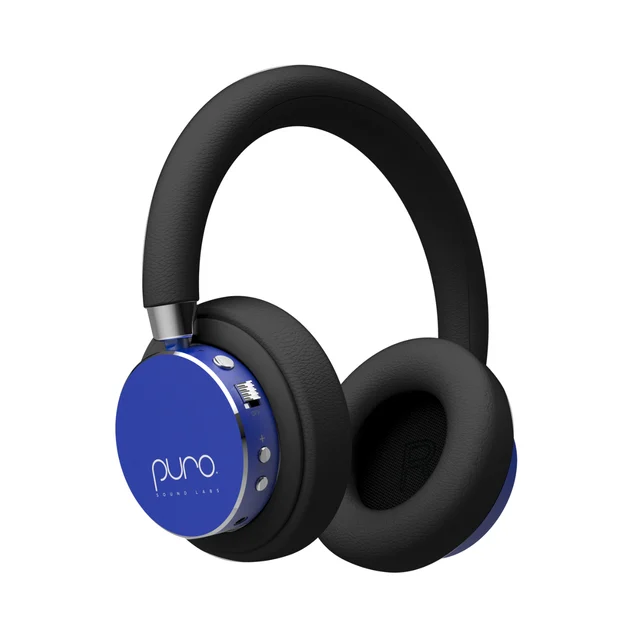
- Buy Puro Sound Labs BT2200-Plus The premium pick: a sturdy pair whose 85dB limiter is accurate over the included cable and that actually sounds good. Amazon
- Buy onanoff BuddyPhones Explore+ The value champion: a rugged wired pair with a hard 85dB cap that cannot be turned off or turned up. Amazon
- It depends JLab JBuddies Studio 2 Wireless Light, comfortable, and affordable wireless, but the volume limit only holds over Bluetooth and long-term durability is a question mark.
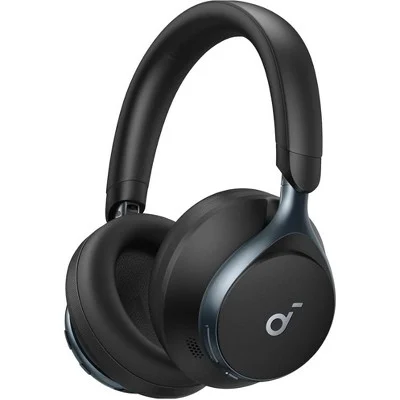
- Skip Belkin SoundForm Mini The safety claim is the whole point, and independent testing could not confirm the 85dB cap works in either mode. Amazon
What actually matters
- Volume-limiting reliability is the first thing to check: does independent testing confirm the cap holds near 85dB, and does it do so on every connection the child might use, not just one?
- Tamper resistance matters because a limit a child can raise, lower, or disable offers no real protection; a fixed cap the child cannot defeat is far safer.
- Connection type shapes daily use: wired pairs avoid batteries and can enforce a hardware cap, but many current phones and tablets lack a headphone jack.
- Durability and build decide whether the headphones survive a year of backpacks and drops; metal frames and purpose-built rugged plastic outlast thin molded plastic that cracks at stress points.
- Comfort and fit determine whether the child will actually keep them on; on-ear cups suit smaller heads while roomy over-ear cups suit older kids.
- Sound quality is secondary but real, since clear, balanced audio at a safe volume is more pleasant than tinny sound that tempts the child to turn things up.
- Useful extras such as audio sharing, a built-in mic for online classes, and a carrying case add genuine value for school and travel.
The specs, in plain English
Green flags vs red flags
Green flags
- Independent testing confirms the volume cap holds near 85dB on both wired and wireless connections
- The limit is a fixed hardware cap the child cannot raise, lower, or switch off
- A rugged or metal build with a carrying case, designed to survive daily abuse
- Comfortable, size-appropriate fit that the child will keep on without turning up the volume
- Clear disclosure of how the limiter behaves on each connection, rather than a bare 85dB logo
Red flags
- The 85dB claim appears only on the box with no independent measurement behind it
- The limiter works over Bluetooth but lets volume climb when wired into a phone or laptop
- The volume cap can be disabled or overridden with a switch, app, or third-party cable
- Owner reports of the headband or cable exit cracking within the first year
- Marketing leans on cartoon styling and colors while saying little about how the limit is enforced
Who's who: the brands
- Puro Sound Labs - Premium kids' and family audio, known for sturdy builds and unusually good sound for the category.
- onanoff (BuddyPhones) - Specialists in rugged, tamper-proof kids' headphones with fixed hardware volume caps and audio-sharing cables.
- JLab - Value-focused audio brand offering light, affordable wireless kids' pairs, with mixed durability reports.
- Belkin - Broad accessories maker whose kids' headphones compete on price and battery life more than on proven limiting.
How to read a listing without getting fooled
Start with the safety claim and refuse to take it at face value. A box that says "85dB volume limited" is telling you the target, not proving the headphone hits it, so look for language about how the cap is enforced: a fixed hardware limit is stronger than a switch or app the child can change. Check whether the limit is described for both wired and wireless use, since a spec sheet that only mentions Bluetooth is quietly silent about the riskier wired case. Read the connection line to see whether you need a headphone-jack adapter for your phone or tablet. Treat comfort, battery life, and cartoon styling as tie-breakers, not reasons to buy, and weigh owner reports about cracking and cable failures as heavily as the loudness numbers, because a broken headphone protects nothing.
How much should you spend?
You are mostly paying for build quality and sound, not for extra safety, so spending more is optional rather than required. The most reliable safety feature in this category, a fixed hardware cap a child cannot defeat, shows up on some of the least expensive wired pairs, which means a budget model can be the safest choice. Stepping up buys a sturdier build, better sound, a hard case, and wireless convenience, all of which are worth it if the headphones will see heavy daily use or if audio quality matters to you. The value sweet spot for most families is a well-reviewed wired pair with a proven, tamper-proof limit; reserve the premium spend for when durability and sound genuinely justify it, and never pay a premium for a pair whose volume cap independent testing cannot confirm.
Questions, answered
What does the 85dB limit actually protect against?
It is meant to keep listening below a level that can cause noise-induced hearing damage over time. An 85dB cap limits the loudest the headphones can play, but it is not a safe dose for unlimited listening, since the World Health Organization's safe listening standard allows 80dB for 40 hours a week for adults and 75dB for 40 hours a week for children, so keeping volume and listening time down still matters. This is general product information, not medical advice; for any concern about a child's hearing, consult a pediatric audiologist or physician.
Why would a volume limiter work wirelessly but fail when wired?
Over Bluetooth the headphone controls the whole signal path and can hold the cap predictably. When wired into a high-powered phone or laptop, a weak limiter can be overdriven, letting output climb well past 85dB. That is why you should confirm the cap on both connections, and why a fixed hardware limit on the wired side is the safest design.
Are wired or wireless kids' headphones better?
It depends on your devices and your child. Wired pairs never need charging and can enforce a hardware cap, but many current phones and tablets lack a headphone jack and need an adapter. Wireless pairs are more convenient and avoid dangling cables, but you must confirm the limiter still works if the child ever plugs in, and you have a battery to keep charged.
Do I need to buy an expensive pair to keep my child safe?
No. The core safety benefit, a dependable cap the child cannot defeat, is available on inexpensive wired models. Spending more buys sturdier materials, better sound, a case, and wireless use, which are worth it for heavy use but do not add protection on their own.
How can I tell if a headphone's 85dB claim is trustworthy?
Look for independent testing that measured the output rather than just repeating the box claim, check that the limit is described for both wired and wireless use, and prefer a fixed hardware cap over a switchable or app-based one. If none of that information exists, treat the claim as unverified.
Or jump to the head-to-head: Puro Sound Labs BT2200-Plus vs onanoff BuddyPhones Explore+.