

Explained
IP KVMs, Explained
After reading, you'll understand what a KVM-over-IP device does, which specs actually matter, and how to buy one without exposing your machine to the internet by accident.
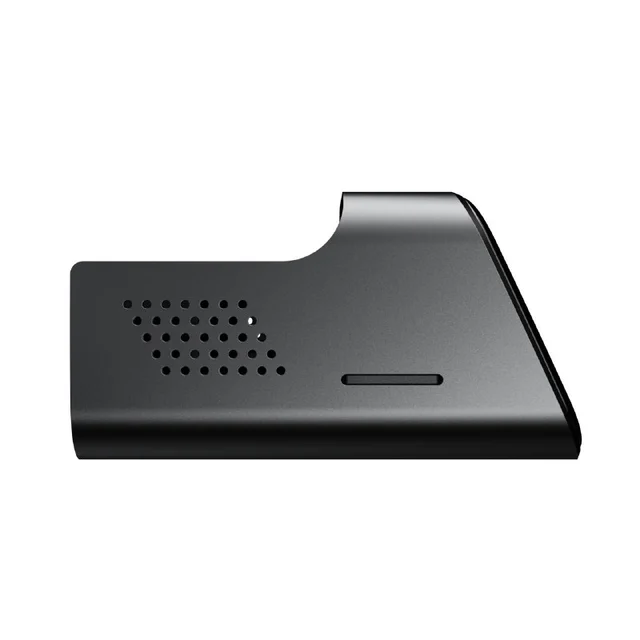
In this guide
An IP KVM (short for KVM-over-IP) is a small box that plugs into a single computer and lets you see its screen and control its keyboard and mouse from anywhere on the network — all the way down to the BIOS, even when the machine is frozen or off. First-time buyers usually trip over two things: confusing it with a desk KVM switch (a different product entirely), and underestimating that a device which can watch your screen and type on your behalf is a serious security decision. This guide untangles the jargon so you can tell a genuine out-of-band console from an overpriced screen-sharing dongle.
The 30-second version
- It's remote control, not local switching. a KVM-over-IP device gives you out-of-band, BIOS-level access to one headless machine over the network — the opposite job of the desk KVM switch that toggles a monitor between several PCs.
- Latency matters more than resolution. 1080p is plenty for a console screen; what makes a unit usable or infuriating is how much lag you feel when you type and move the mouse.
- Virtual media and ATX power are the payoff. mounting an ISO over the network to reinstall an OS, and power-cycling a dead box remotely, are the features that save you a physical trip.
- Firmware openness is a trust question. because the device sees everything and can inject any keystroke, open, auditable firmware and sane network defaults are worth more than a spec-sheet bullet.
- How you reach it decides your risk. a self-hosted unit behind a mesh VPN is far safer than one you expose by punching a hole in your router, and cloud-relay convenience can quietly mean trusting a third party.
What actually matters
- Video capture and passthrough — the device grabs the machine's HDMI output and streams it to your browser. You want a clean capture at a sensible resolution; the machine itself doesn't know it's headless, so the picture you see is the real console.
- Real-world latency — the delay between pressing a key and seeing it appear. Low, *consistent* latency is what separates a console you'll actually use from one you'll avoid; headline frame rates matter far less.
- Virtual media — the ability to mount an ISO or disk image over the network so the remote machine boots from it as if you'd plugged in a USB stick. This is what lets you reinstall or repair an operating system you can't physically touch.
- ATX power and control — wiring into the motherboard's power and reset headers (or an add-on relay) so you can power on, shut down, or hard-reset a frozen machine remotely. Without it, a hung box still needs a human to press the button.
- Firmware openness — whether the software running the device is open-source and auditable or a closed black box. For a device with this much reach into your machine, being able to inspect (or trust a community that inspects) the code is a real security feature.
- Remote-access model — how you actually connect: over your LAN only, through a VPN or mesh tunnel you control, or via the vendor's cloud relay. This choice drives both convenience and your exposure to the outside world.
- Setup difficulty — some units are plug-and-play with a clean web page in minutes; the deeper, self-hosted ones reward Linux comfort with far more capability. Match this to how much tinkering you enjoy.
The specs, in plain English
Green flags vs red flags
Green flags
- Open-source firmware, or a closed unit with a clear published update and security-fix history
- Genuine BIOS-level video plus virtual media (ISO mounting), not just an OS-level screen share
- A supported path to ATX power control, built in or via an official add-on board
- A secure remote-access story you control — LAN, self-hosted tunnel, or a bundled mesh VPN — with no forced cloud account
- Low, consistently reported latency in independent testing and owner reports, not just a big resolution number
- Sensible network defaults: no phoning home, no traffic routed through unexpected servers out of the box
Red flags
- Documented security flaws with a slow or murky patching record
- Default behavior that phones home or routes your DNS/traffic through third-party or overseas servers
- A mandatory cloud account or subscription just to reach your own hardware
- Marketed as an IP KVM but really only shares the desktop after the OS has booted (no BIOS access, no virtual media)
- Headline 4K specs hiding low frame rates or high, inconsistent typing lag
- Vague or hard-to-find firmware update mechanism, especially on a device this security-sensitive
Who's who: the brands
- JetKVM - Community-favorite budget unit known for a snappy, low-latency interface and open-source firmware.
- GL.iNet - Networking-hardware maker whose IP KVM leans on bundled mesh-VPN access for easy, secure remote connections.
- PiKVM - Mature, fully open-source (GPL) self-hosted project with the deepest feature set, including IPMI-style automation.
- Sipeed - Maker of very low-cost, compact open-source KVM hardware popular with hobbyists; check its security defaults closely.
- Raspberry Pi-based DIY - Not a brand so much as a category — open KVM software running on small single-board computers, favored by tinkerers who want to build their own.
How to read a listing without getting fooled
Start by confirming it's a real IP KVM and not a glorified remote-desktop dongle: look for the words BIOS or UEFI, virtual media, and out-of-band, which mean it works before and without an operating system. Treat resolution claims with mild suspicion — a '4K' listing often runs at 30fps, and for a text console 1080p with low, steady latency feels better; hunt for latency mentions in owner reports rather than trusting the box copy. Check whether ATX power control is included or needs a separate add-on board, since 'remote power' is sometimes an extra purchase. Read the remote-access section carefully: 'self-hosted' and 'mesh VPN' are reassuring, while 'cloud' or 'account required' means part of your trust goes to the vendor. Finally, look up the firmware — whether it's open source, when it was last updated, and whether the maker has a track record of fixing disclosed security issues. A quiet spec sheet with a good patch history beats a loud one with none.
How much should you spend?
IP KVMs have gotten cheap enough that 'crash-cart-in-a-box' is now within reach of a home lab, and the budget tier already delivers the core job: BIOS-level video, virtual media, and — usually with an add-on board — power control. For most people the value sweet spot sits at the lower-to-mid end, where a well-supported, open-firmware unit does everything a single machine needs without paying for headroom you won't use. Spending more makes sense in two specific cases: when you want painless, secure remote access across the internet without doing your own networking (bundled mesh VPN is worth a modest premium), or when you genuinely need the depth of a fully open, self-hosted, automation-ready console. If you just need to glimpse a BIOS screen now and then, the extra capability of the premium tier is money spent on features you'll rarely touch. And beware the very bottom of the market: the cheapest units sometimes cut corners on security defaults, which can cost you far more than you saved.
Questions, answered
How is an IP KVM different from a KVM switch?
They do opposite jobs. A desk KVM switch lets one keyboard, monitor, and mouse toggle between several computers sitting near you — it's about local switching. An IP KVM (KVM-over-IP) plugs into a single headless machine and streams its screen, keyboard, and mouse to you over the network, so you can control it from another room or another country, right down to the BIOS. If you want remote, out-of-band access, you want KVM-over-IP, not a switch.
Can I really reinstall an operating system remotely with one?
Yes — that's a main reason to own one. Most IP KVMs support virtual media, which lets you mount an ISO image over the network so the remote machine boots from it as if you'd plugged in a USB drive. Combined with BIOS-level video, you can reinstall or repair an OS on a machine you can't physically touch. Pair it with ATX power control and you can even power the box on first.
Is it safe to expose an IP KVM to the internet?
This is the single most important caution: a device that can see your screen and inject any keystroke is exactly what an attacker would love to reach, so never port-forward one directly to the open internet. The safer pattern is to keep it on your LAN and reach it through a VPN or mesh tunnel you control (some units bundle this), which encrypts the connection without opening any ports. Change default passwords, keep the firmware current, and check that the device isn't phoning home or routing your traffic somewhere unexpected before you rely on it.
Why does open-source firmware matter here?
Because the device sees everything on the connected machine and can type anything, trust is central. Open-source firmware can be inspected by the community, which tends to surface and fix security issues faster and lets you verify what the device does on your network. That's why security-conscious owners gravitate toward the fully open options — and why, if you choose a closed unit, you should check its update history and default network behavior instead.
Do I need the extra ATX power board, or is video enough?
It depends on your failure mode. If your machine only ever needs the occasional BIOS tweak or OS reinstall, video plus virtual media covers you. But if a box can freeze hard or you want to power it on from scratch remotely, you need ATX power control — wiring into the motherboard's power/reset headers, often via a small add-on board sold separately. For true hands-off recovery of a dead machine, it's the piece that closes the gap.
Will an IP KVM work with any computer?
Generally yes, and that's part of the appeal: because it captures the video output and emulates a USB keyboard and mouse, it's operating-system agnostic and works with Windows, Linux, macOS, or a machine with no OS at all. The main things to confirm are that the machine's video output matches the KVM's input (usually HDMI, sometimes needing an adapter) and, if you want power control, that you can reach the motherboard's power header or use a supported relay.
Related guides
 Label Makers After reading, you will know whether you need laminated tape or inkless thermal, and how to read a label maker's spec sheet without getting fooled.
  Mechanical Keyboards Understand switches, layouts, and keycaps well enough to buy the right board without decoding hobbyist jargon.
  Mesh Wi-Fi Systems After reading, you will understand how mesh Wi-Fi works and which specs matter for your home, so you can buy confidently without overpaying for numbers you will never use.
  microSD Cards After reading this you'll be able to decode any microSD card's label, match it to your device, and avoid the two big traps: slow real-world speed and fakes.
  Mini PCs After reading this, you will understand exactly which mini PC specs matter for your work and which ones are just marketing noise.
  Mirrorless Cameras After reading this, you'll be able to look at any mirrorless camera listing and know exactly which specs matter for you, which are marketing noise, and which mistakes cost beginners the most.