

Explained
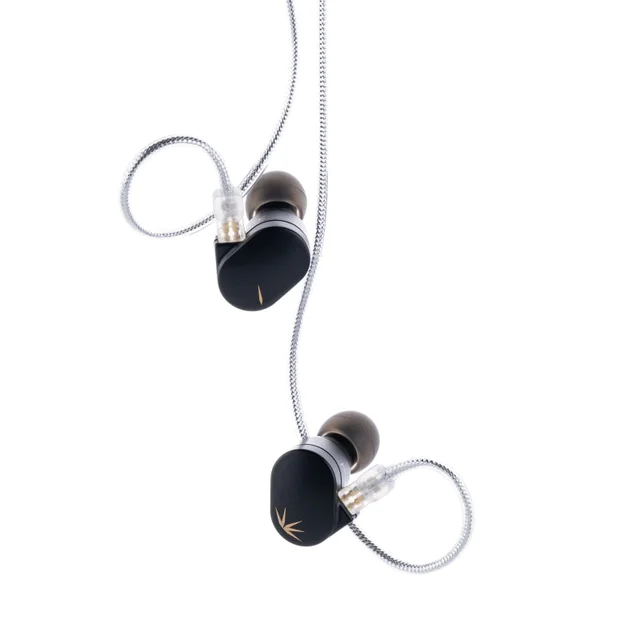
In-Ear Monitors, Explained
After reading this, you'll understand what an in-ear monitor actually is, how its drivers and tuning shape the sound, and which specs matter when you shop.
In this guide
In-ear monitors, or IEMs, look like fancy earbuds but are built to reproduce music more accurately, and the enthusiast world around them comes loaded with jargon: dynamic versus balanced armature drivers, the Harman curve, V-shaped tuning, 2-pin versus MMCX cables. Most first-time buyers get tripped up thinking more drivers means better sound, or that they need an amplifier to make them work. Neither is true, and this guide untangles the terms so you can shop by what your ears actually want.
The 30-second version
- Tuning beats driver count. How a pair is voiced matters far more than how many drivers are packed inside, and a well-tuned single driver routinely outperforms a busy hybrid with careless treble.
- A detachable cable is a big deal on a wired set, because the cable is usually the first thing to fail, and replacing it costs a fraction of buying a whole new pair.
- You almost certainly don't need an amp. Most modern IEMs are sensitive and easy to drive straight from a phone dongle or laptop, so spend on the right pair and good ear tips first.
- Fit and ear tips change the sound more than any gear. A proper seal is what delivers bass and isolation, so budget for experimenting with different tips before blaming the earphones.
- Wired IEMs punch above their price, delivering sound quality that costs far more in the wireless world because you're not paying for batteries, radios, and chips.
What actually matters
- Tuning (frequency response) — the single biggest factor in how a pair sounds. A balanced, natural voicing suits most people and most genres; an aggressive one can be exciting at first but tiring over a long session.
- Driver type and implementation — dynamic, balanced armature, hybrid, or planar drivers each have a character, but how well the driver is tuned matters more than which type it is.
- Treble comfort — bright, sparkly highs add detail but can turn harsh or fatiguing on some ears and on poorly recorded tracks, so match the treble to your own sensitivity.
- Fit, seal, and isolation — an IEM only sounds right when it seals in your ear canal; a good seal also blocks outside noise so you can listen at safer, lower volumes.
- Detachable cable — a replaceable cable lets a cheap set outlive a frayed wire and lets you add a microphone or a different connector later.
- Microphone needs — if you take calls or game, make sure a mic version or mic cable exists; the earpieces sound identical either way.
- Build and included tips — sturdy shells and a decent set of ear tips signal a pair that will last and fit a range of ears out of the box.
The specs, in plain English
Green flags vs red flags
Green flags
- A balanced, natural tuning described consistently by independent testing and owner reports as smooth and non-fatiguing
- A detachable cable with a common connector like 0.78mm 2-pin or MMCX, so it can outlive a worn wire
- A generous set of ear tips in the box, or clear tip compatibility, since fit makes or breaks the sound
- Honest driver claims where the maker leans on how it's tuned rather than bragging about sheer driver count
- A microphone version or mic-cable option available if you plan to take calls or game
- Owner comments about long-session comfort, both in the ear and in the treble
Red flags
- Marketing that sells the number of drivers as the headline feature while saying little about tuning
- Repeated owner reports of piercing, sibilant, or fatiguing treble, or a metallic, unnatural tone on voices
- A fixed, non-detachable cable on a set you intend to keep for years
- Wildly inconsistent fit complaints suggesting the shell suits very few ears
- Claims that you must buy a specific amplifier or expensive source to make an easy-to-drive pair usable
- No microphone option anywhere if calls or chat are something you need
Who's who: the brands
- Moondrop - Known for crowd-pleasing, Harman-leaning tunings that made budget IEMs a serious value category.
- Truthear - Popular for neutral, reference-leaning hybrids aimed at accurate, detailed listening.
- Simgot - Recognized for lively single-dynamic sets with airy, sparkly treble and premium metal shells.
- KZ - High-volume budget maker known for bold, often V-shaped, bass-forward tunings.
- 7Hz - Enthusiast brand offering both dynamic and planar sets across budget and mid tiers.
How to read a listing without getting fooled
Start with the tuning, not the driver list. A spec sheet that leads with '5 balanced armatures' is selling a number, not a sound, so look instead for how independent testing and owners describe the voicing: balanced and natural, or bright and V-shaped. Treat driver count as marketing until proven otherwise. Check that the cable is detachable and note the connector type, because that determines whether you can replace a frayed cable or add a mic later. Glance at impedance and sensitivity only to confirm the pair is easy to drive; you rarely need to overthink these. Confirm a microphone option exists if you take calls, and see what ear tips are included, since a good seal shapes the sound more than any number on the page. Finally, weigh treble comfort against your own tolerance: what one listener calls 'sparkly detail' another calls 'fatiguing.'
How much should you spend?
The remarkable thing about IEMs is how little you have to spend to get genuinely good sound. The entry tier already delivers balanced, enjoyable tunings that would have been unthinkable a few years ago, and it's the smartest place for a first pair or a low-risk gift. Stepping up to the mid tier mainly buys you more resolution, cleaner detail, and more refined treble, which critical listeners notice on vocals and acoustic music but casual listeners may not. Spending more is worth it when you listen closely and want an accurate reference sound; it's not worth it if you just want a pleasant everyday pair, since the value sweet spot sits low. Whatever you spend, set aside a little for good ear tips: a proper fit improves the sound far more than upgrading to a pricier source or an amplifier.
Questions, answered
What actually makes an IEM different from regular earbuds?
IEMs sit inside your ear canal and seal against it, where typical earbuds rest loosely at the opening. That seal is what lets an IEM deliver full bass and block outside noise, and IEMs are usually built around drivers tuned for accurate music reproduction rather than convenience, which is why they can sound so much better for their price.
Do more drivers mean better sound?
No. Driver count is one of the most oversold specs in audio. A single well-tuned dynamic driver routinely beats a hybrid stuffed with balanced armatures but voiced carelessly. Judge a pair by how its tuning is described, not by how many drivers the box advertises.
Do I need an amplifier or DAC to use IEMs?
Almost never. Most IEMs are sensitive and easy to drive, so they reach full volume straight from a phone dongle, a laptop, or a small player. A better source might tighten things up slightly, but it won't change the fundamental tuning. Spend on the right earphone and good tips first.
What is the Harman curve, and why does everyone mention it?
It's a widely researched reference for how a pair can be tuned so that most people find it natural and balanced across genres. A pair voiced close to it is the low-risk starting point if you're unsure what you like, versus a V-shaped tuning that boosts bass and treble for a more exciting but less accurate sound.
Does cable burn-in really improve the sound?
Burn-in, the idea that playing music for hours 'breaks in' an IEM and changes its sound, is largely a myth for the drivers used in most sets; measured differences are tiny to nonexistent. What really changes over your first days is your brain adjusting to a new tuning and your fit improving as you find the right ear tips. Don't buy a pair hoping it will transform after burn-in.
Wired seems old-fashioned. Why choose it over wireless?
Wired IEMs skip the batteries, radios, and chips that wireless earbuds spend much of their budget on, so more of your money goes to sound quality. A wired set also can't run out of charge or drop its connection, and with a detachable cable it can last for years. The trade-off is the cable itself and needing a headphone jack or dongle.
Related guides
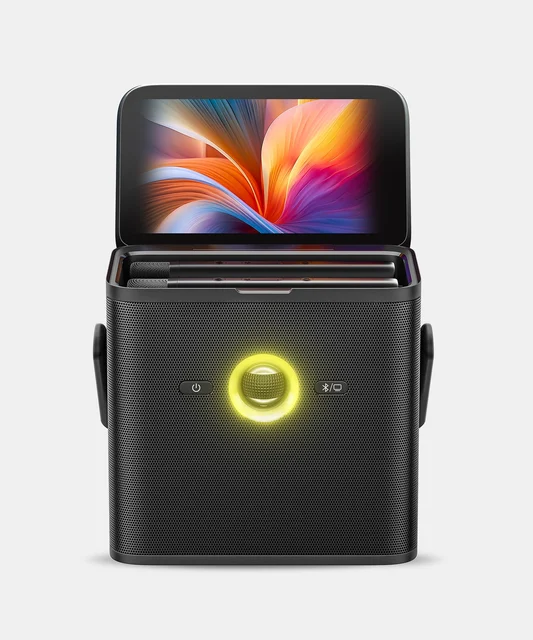 Karaoke Machines After reading this, you'll know exactly which karaoke machine features matter for your home, which specs are marketing noise, and how to spot a machine that will actually get used.
 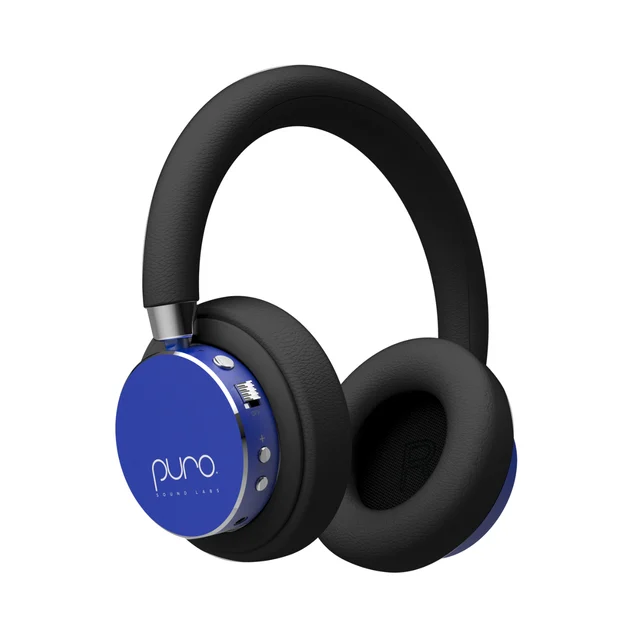 Kids' Headphones After reading, you will understand what the 85dB volume limit means, why a limiter can pass over Bluetooth yet fail when wired, and how to spot a pair that actually protects a child's hearing.
 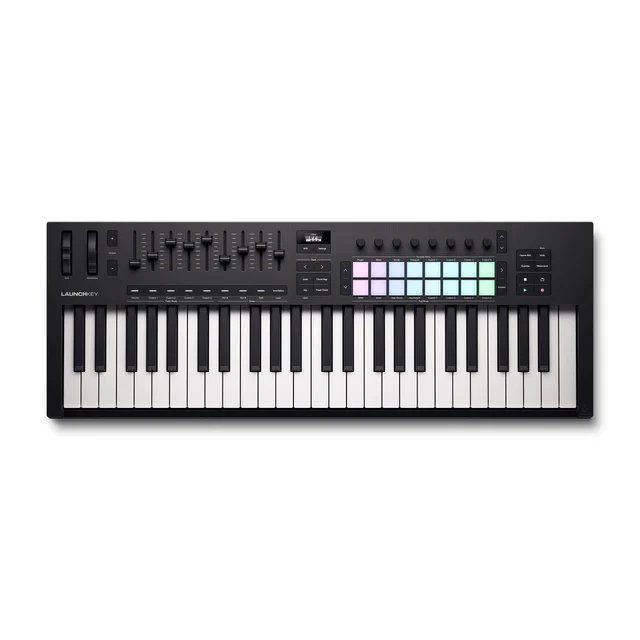 MIDI Keyboard Controllers After reading, you will know exactly which specs matter on a MIDI keyboard controller and which are marketing noise, so you can match one to how you actually make music.
 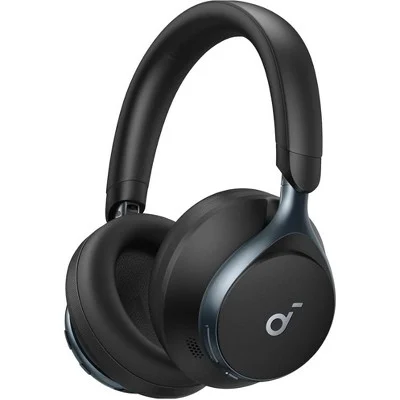 Noise-Cancelling Headphones What the spec sheet won't tell you about ANC headphones - in plain English, in about 5 minutes.
 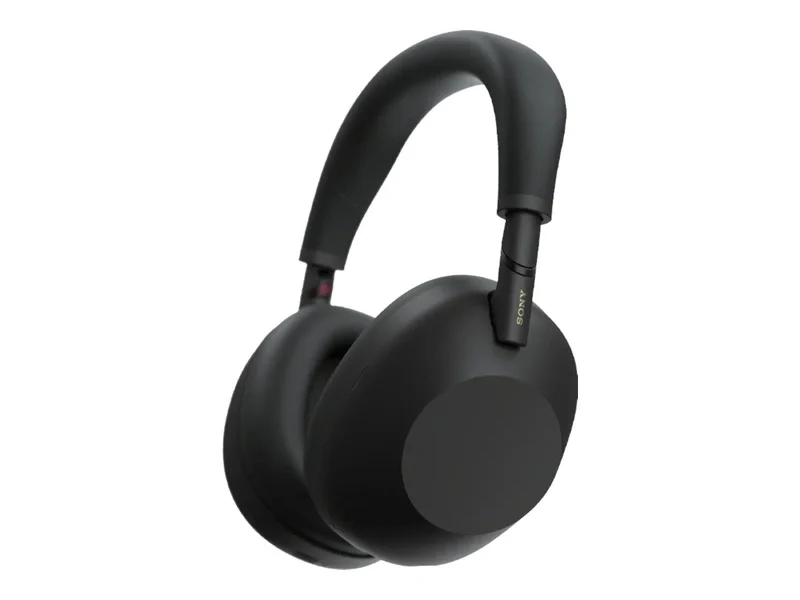 Premium Noise-Cancelling Headphones After reading this you will understand what separates a true flagship over-ear noise-canceller from a mid-range one, and where the extra money does and does not buy real performance.
 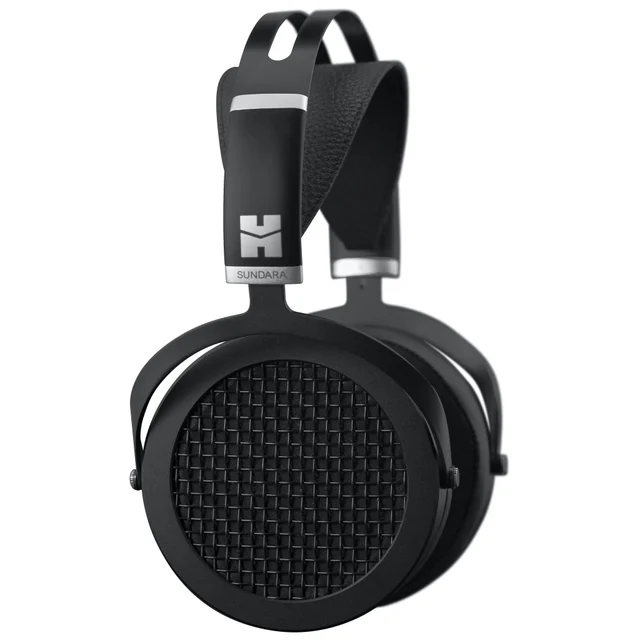 Open-Back Headphones After reading this you will understand what makes a headphone open-back, whether you need an amp, and how to match a pair to your room and your ears.