

Audio & Headphones
The Best Wired In-Ear Monitors: 4 Compared (and One to Skip)
We compared four popular budget wired IEMs on tuning, driver design, fit, cable, and mic options for real music listening.
The short version
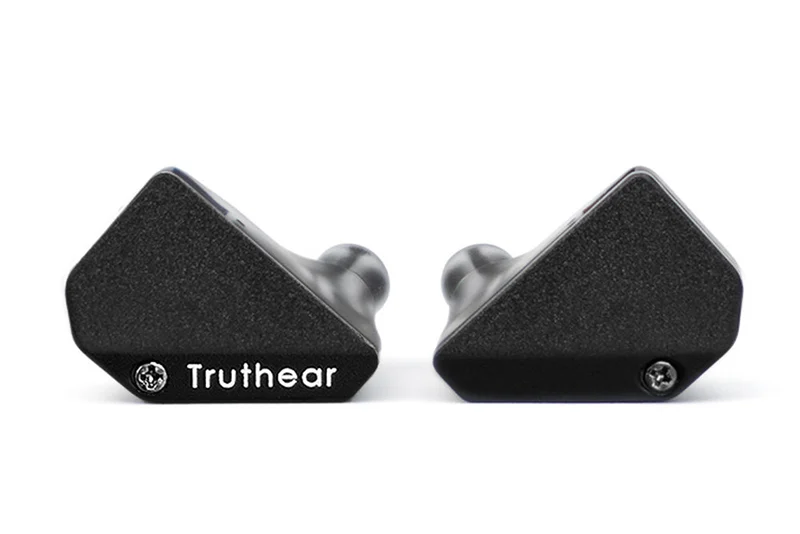
For honest, all-round sound on a budget, the Moondrop Chu II is the easiest recommendation there is, and it now has a detachable cable. Step up to the Truthear Hexa if you want a more neutral, detailed hybrid for vocals and acoustic listening, which is our overall pick for audiophile ears. The Simgot EW200 is excellent but only if you like an airy, sparkly top end and aren't treble-sensitive. We'd skip the KZ ZSN Pro X: the bass is fun, but the harsh, fatiguing treble makes it hard to enjoy for long. All four use detachable 2-pin cables, so a mic cable is a cheap add-on. Best for: getting genuinely good wired sound for very little money without gambling on the tuning.
The verdict in 30 seconds
What mattered most
- Driver type
- Tuning / signature
- Treble character
- Cable / connector
- Mic option
- Fit & comfort
Cheap wired earphones have quietly become the smartest value in audio, and a handful of budget in-ear monitors (IEMs) now deliver sound that punches far above what you pay. We weighed four of the most-recommended models for music and audiophile listening: two we'd buy without hesitation, one that only suits a specific ear, and one we think most people should walk past. The differences come down to how each is tuned, what drivers are inside, and whether the treble stays comfortable over a long session.
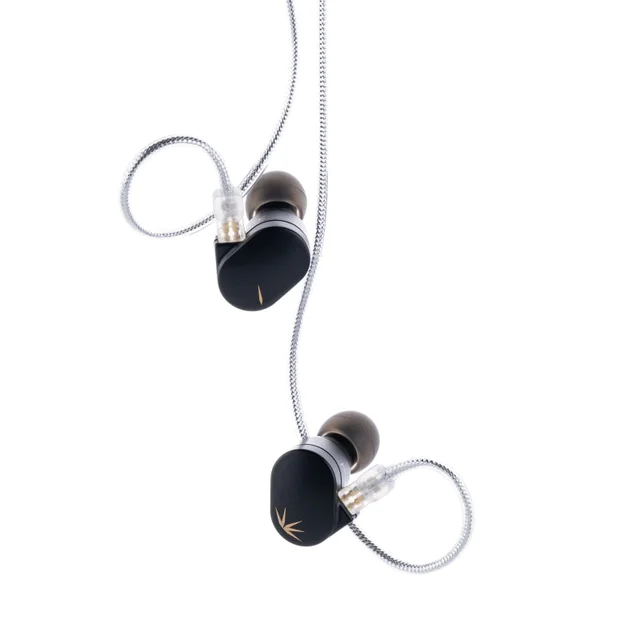
The safest, most crowd-pleasing budget IEM there is, and now with a detachable cable.
Best for: Anyone buying their first real IEM, or wanting a safe, do-everything pair for the least money.
- Single dynamic driver tuned close to the Harman target: balanced bass, natural vocals, non-fatiguing treble
- Now uses a detachable 0.78mm 2-pin cable, so a worn cable no longer means a dead earphone
- Metal nozzle and solid build that feel far above the asking price
- A no-brainer first serious IEM or low-risk gift
- Not the last word in detail or soundstage width against pricier hybrids
- Stock tips and fit are only average; most people should experiment with tips
A neutral 1DD+3BA hybrid that reviewers keep calling a benchmark for clean, honest sound.
Best for: Listeners who want an accurate, detailed reference tuning for vocals, acoustic, and critical listening.
- Hybrid setup (one dynamic driver plus three balanced armatures) with a neutral, reference-leaning tuning
- Clean midrange, controlled bass, and treble detail that owners praise for vocals and acoustic music
- Lightweight 3D-printed resin shell that many find comfortable for long sessions
- Detachable 0.78mm 2-pin cable and a well-regarded stock cable
- Deliberately restrained bass will feel lean to bass-heads and EDM listeners
- Stock cable has no inline mic, so calls and gaming chat need a separate mic cable

A crisp, airy single-DD with real sparkle, if your ears can take a lift up top.
Best for: Listeners who love detail, air, and sparkle and are confident they aren't treble-sensitive.
- Single 10mm dynamic driver with a lively, slightly U-shaped tuning: strong sub-bass and airy, extended treble
- Polished metal shells that look and feel more expensive than they are
- Detachable 0.78mm 2-pin cable, with a mic-cable option available for calls
- Reviewers frequently rank it among the best-tuned single-DD sets at its price
- The boosted upper treble adds sparkle but can be too much for treble-sensitive listeners
- That energetic top end can expose harshness in poorly recorded or compressed tracks

Big, fun bass wrapped around a treble that owners describe as harsh and fatiguing.
Best for: Bass-first listeners on the tightest budget who genuinely enjoy a bright, aggressive sound, though we'd still steer most people elsewhere.
- Punchy, impactful bass that suits hip-hop, rap, and EDM
- Sturdy metal-and-resin build with a detachable 0.78mm 2-pin cable
- Eye-catching design for very little money
- Aggressive, V-shaped tuning with a boosted upper treble that reviewers call piercing, sibilant, and fatiguing
- Metallic, unnatural timbre that undercuts vocals and acoustic music
- At this price the alternatives simply sound more natural and less tiring
| Criteria | Moondrop Chu II | Truthear Hexa Top pick | Simgot EW200 | KZ ZSN Pro X |
|---|---|---|---|---|
| Verdict | Buy it | Buy it | It depends | Skip it |
| Best for | Anyone buying their first real IEM, or wanting a safe, do-everything pair for the least money. | Listeners who want an accurate, detailed reference tuning for vocals, acoustic, and critical listening. | Listeners who love detail, air, and sparkle and are confident they aren't treble-sensitive. | Bass-first listeners on the tightest budget who genuinely enjoy a bright, aggressive sound, though we'd still steer most people elsewhere. |
| Price tier | $ · budget | $$ · mid-range | $ · budget | $ · budget |
| Driver type | Single dynamic (1DD) | Hybrid 1DD + 3BA | Single dynamic (1DD) | Hybrid 1DD + 1BA |
| Tuning / signature | Harman-ish, balanced | Neutral / reference | Mild U-shape, airy | V-shaped, bright |
| Treble character | Smooth, non-fatiguing | Detailed, controlled | Sparkly, can be hot | Harsh, sibilant |
| Cable / connector | Detachable 0.78mm 2-pin | Detachable 0.78mm 2-pin | Detachable 0.78mm 2-pin | Detachable 0.78mm 2-pin |
| Mic option | Mic version available | Add a mic cable | Mic cable available | Add a mic cable |
| Fit & comfort | Compact, average tips | Light resin, comfy | Metal shell, secure | Larger metal shell |
| Best genres | Everything / all-rounder | Vocals, acoustic, critical | Detail and sparkle seekers | Bass-heavy genres |
| Price tier | $ · budget | $$ · mid-range | $ · budget | $ · budget |
Which one is right for you?
- Anyone buying their first real IEM, or wanting a safe, do-everything pair for the least money. Buy it Moondrop Chu II
- Listeners who want an accurate, detailed reference tuning for vocals, acoustic, and critical listening. Buy it Truthear Hexa
- Listeners who love detail, air, and sparkle and are confident they aren't treble-sensitive. It depends Simgot EW200
- Bass-first listeners on the tightest budget who genuinely enjoy a bright, aggressive sound, though we'd still steer most people elsewhere. Skip it KZ ZSN Pro X
How we judged the field
We don’t run our own lab. Instead we synthesize independent measurements, published expert reviews, and aggregated owner reports to find where the consensus lands and where it splits. For budget in-ear monitors aimed at music and audiophile listening, a few things mattered most: the tuning (how balanced or aggressive the sound is), the driver design and how well it’s implemented, treble comfort over a long session, fit and build, and whether the cable is detachable so the set can outlive a frayed wire. Price is a factor, but only in the sense of value: every pick here has to earn its place against the others.
One theme came through clearly. At this price, tuning beats spec-sheet bragging. A well-tuned single dynamic driver routinely outperforms a busier hybrid with a careless treble, and owner reports about long-term comfort separated the sets far more than driver counts did.
Moondrop Chu II — buy
The Chu II is the set we’d hand someone who has no idea where to start. Its single dynamic driver is tuned close to the Harman target, which independent testing and owners describe the same way: elevated but controlled bass, natural-sounding vocals, and a treble that stays smooth instead of biting. Nothing about it is fatiguing, and it works across genres.
The headline upgrade over the original Chu is the detachable 0.78mm 2-pin cable. On a budget IEM the cable is usually the first casualty, so being able to replace it, or swap in a mic cable, meaningfully extends the life of the set. Build quality punches above the price with a metal nozzle and a reassuringly solid feel. It won’t out-resolve a good hybrid, and the stock tips are only average, but as a low-risk, do-everything pair it is very hard to argue with.
Truthear Hexa — buy
The Hexa is the step up for people who care about detail and accuracy. It’s a hybrid, pairing one dynamic driver for the low end with three balanced armatures for the mids and treble, housed in a light 3D-printed resin shell that owners consistently call comfortable. The tuning is neutral and reference-leaning rather than exciting: clean midrange, controlled bass, and treble detail that reviewers single out for vocals and acoustic recordings.
That restraint is the whole point, and also the catch. If you love a big bass shelf, the Hexa will sound lean. It’s designed to be honest, not to thump. The stock cable is detachable 2-pin and well-regarded, though it has no inline mic, so calls or gaming chat need a separate mic cable. For anyone chasing a mature, accurate sound on a modest budget, it’s the one to beat.
Simgot EW200 — it depends
The EW200 is genuinely excellent, but it isn’t for everyone. It’s a single 10mm dynamic driver in a polished metal shell, tuned with a mild U-shape: strong sub-bass, neutral mids, and an airy, extended treble that adds real sparkle and a sense of space. Reviewers regularly place it among the best-tuned single-DD sets at its price, and the build feels more premium than the money suggests.
The caveat is that upper treble. For listeners who enjoy detail and air, it’s a highlight. For treble-sensitive ears, or on bright, compressed recordings, it can tip into hot or harsh. Whether the EW200 is a great buy or a tiring one depends almost entirely on your own tolerance up top, which is exactly why it lands in ‘it depends.’ It uses the same detachable 2-pin cable as the rest and offers a mic-cable option.
KZ ZSN Pro X — skip
The ZSN Pro X gets the fundamentals right on paper: a hybrid driver, a sturdy metal-and-resin build, a detachable 2-pin cable, and bass that’s punchy and fun for hip-hop or EDM. The problem is the treble. Across independent reviews and owner reports, the same words keep appearing: piercing, sibilant, harsh, fatiguing after a short listen, with a metallic timbre that sounds unnatural on voices.
That aggressive V-shaped tuning is a hard thing to live with, and it undercuts the very music most people buy IEMs to enjoy. It isn’t that the ZSN Pro X is broken; it’s that, for almost the same money, the other sets here sound more natural and stay comfortable for hours. Unless you specifically want big bass and a bright, in-your-face top end, this is the one to skip.
Truthear Hexa vs Moondrop Chu II: which should you buy?
These are our two strongest picks, and they answer two different questions. The Chu II is the value champion: for the least money, it gives you a balanced, Harman-leaning sound that almost everyone finds pleasant, plus a detachable cable so it can last. It’s the smartest first IEM and the easiest gift.
The Hexa asks you to spend a bit more and rewards you with a more neutral, detailed hybrid presentation, cleaner mids, better-defined treble, and a resolution that critical listeners will notice on vocals and acoustic tracks. If your priority is an accurate reference sound and you listen closely, the Hexa is worth the step up and is our overall pick. If you want most of that experience for the least outlay, or you’re just getting started, buy the Chu II and don’t look back. Neither is a wrong answer; it’s budget versus refinement.
What to look for
- Tuning first. A balanced, Harman-leaning tuning (like the Chu II or Hexa) is the low-risk default. V-shaped sets can be fun but often fatigue.
- Driver count is marketing. A well-tuned single dynamic driver beats a badly tuned hybrid. Don’t pay for more armatures alone.
- Detachable cable. A 0.78mm 2-pin or MMCX connector lets you replace a failed cable or add a mic cable, which massively extends the life of a cheap set.
- Treble comfort. If you’re treble-sensitive, favor smoother tunings and be cautious with airy, sparkly sets.
- Fit and tips. A good seal changes the sound more than any amp. Budget for trying different ear tips.
- Mic needs. If you take calls or game, get a mic version or a mic cable; the earpieces sound the same either way.
Our final take
Budget IEMs have never been better, and you don’t need to gamble to get good sound. For most people, the Moondrop Chu II is the easiest recommendation on the list: balanced, comfortable to listen to, and now built to last thanks to its detachable cable. If you listen closely and want a more neutral, detailed sound, step up to the Truthear Hexa, our overall pick for music-first ears. The Simgot EW200 is a superb single-DD as long as you welcome an airy, sparkly top end. And we’d pass on the KZ ZSN Pro X: the bass is fun, but the harsh treble makes it hard to love for long. Buy for the tuning that suits your ears, spend the savings on good tips, and you’ll get sound that embarrasses the price.
Questions, answered
What do the driver types (single DD, BA, hybrid) actually mean for sound?
A single dynamic driver (DD) uses one small speaker to make all the sound; it tends to give natural, cohesive bass and an easygoing character, which is why the Chu II and EW200 sound so relaxed and full. A balanced armature (BA) is a tiny, fast driver that excels at detail in the mids and treble. A hybrid like the Hexa combines a DD for bass with several BAs for the highs, aiming for both weight and detail. More drivers is not automatically better; tuning matters far more than the driver count.
What's the difference between Harman and V-shaped tuning?
'Harman' refers to a widely researched target curve that most people find natural and balanced across genres; the Chu II and Hexa sit close to it, which is why they're such safe picks. 'V-shaped' means the bass and treble are boosted while the mids sit back, giving an exciting but less accurate sound, and it can make vocals thin and treble harsh, as owners report on the KZ ZSN Pro X. If you're unsure what you like, a balanced, Harman-leaning tuning is the low-risk starting point.
Are 2-pin cables better than MMCX, and does a detachable cable matter?
All four of these use a 0.78mm 2-pin detachable connector rather than the round MMCX style. A detachable cable matters a lot on cheap IEMs, because the cable is usually the first thing to fail, and a replacement costs a fraction of a new pair. The 2-pin standard is common and easy to find cables for, including balanced and mic versions. It's a genuine reason the current Chu II is a nicer buy than the original fixed-cable Chu.
Can I use these for phone calls or gaming chat?
Yes. The Moondrop Chu II and Simgot EW200 offer versions or cable options with an inline microphone, and because every set here has a detachable 2-pin cable, you can add an inexpensive mic cable to any of them. Sound quality from the earpieces is identical either way; the mic just lives on the cable, so you can keep a plain cable for music and swap to a mic cable for calls.
Do I need a separate amp or DAC to drive these?
No. These are all sensitive, easy-to-drive budget IEMs that run fine straight from a phone dongle, laptop, or dedicated player, so you don't need extra gear to get full volume. A better source can tighten things up slightly, but it won't change the fundamental tuning. Spend your money on the right earphone and good ear tips first; a fit that seals well makes a far bigger difference than an amp.
More Audio & Headphones reviews
 The Best Home Karaoke Machines: 4 Compared (and One to Skip)
  The Best Volume-Limited Kids' Headphones: 4 Compared (and One to Skip)
  The Best MIDI Keyboard Controllers: 4 Compared (and One to Skip)
  The Best Premium Noise-Cancelling Headphones: 4 Compared (and One to Skip)
  The Best Open-Back Headphones: 4 Compared (and One to Skip)
  The Best Open-Ear Headphones: 4 Compared (and One to Skip)