

Audio & Headphones
The Best Open-Back Headphones: 4 Compared (and One to Skip)
We compared four current open-back headphones for home and desktop listening on sound, comfort, amplification needs, and value across price tiers.
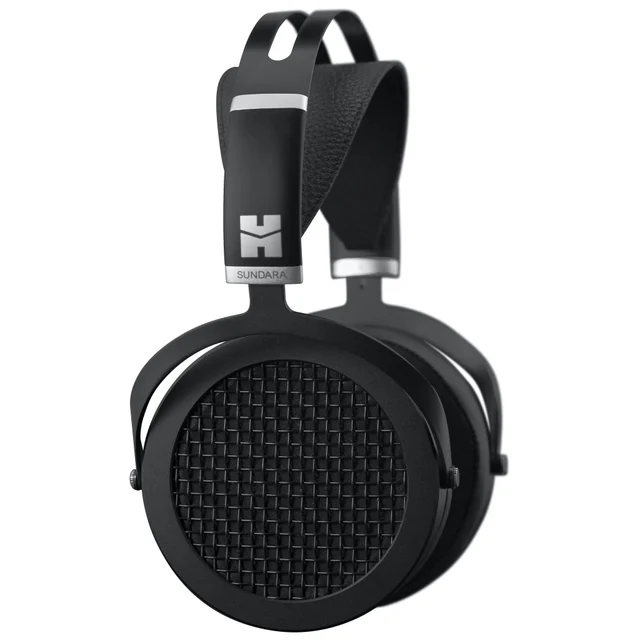
The short version
Open-back headphones sound wider and more natural than sealed cans, but they leak sound both ways and belong in a quiet room, not on a commute. Of the four, the HiFiMan Sundara is our pick for its class-leading resolution and near-neutral tuning, so long as you can add a modest desktop amp. The Beyerdynamic DT 900 Pro X is the runner-up and the easiest to live with, sounding accurate straight out of a laptop. The Sennheiser HD 660S2 is superb but its 300-ohm drivers and premium price only make sense if you already own an amp, making it an it-depends. The Philips SHP9600 is a pleasant budget option we would otherwise skip, since every step up the list clearly outperforms it. Best for: quiet-room listeners who value openness and detail over isolation.
Our picks at a glance
- HiFiMan Sundara (2024 revision) - Buy. The planar-magnetic set that makes most dynamic rivals sound ordinary, for sensible money.
- Beyerdynamic DT 900 Pro X - Buy. A neutral, plug-and-play open-back that sounds honest straight out of a laptop.
- Sennheiser HD 660S2 - It depends. A refined, warm reference headphone that only shows its full worth behind a real amp.
- Philips SHP9600 - Skip. A likeable budget open-back that this company keeps for the price alone, not the performance.
The verdict in 30 seconds
What mattered most
- Driver type
- Sound signature
- Amp needed
- Soundstage & imaging
- Comfort (long sessions)
- Build & serviceability
Open-back headphones trade isolation for a wider, more natural sound, which makes them wonderful in a quiet room and useless on a train. We synthesized independent testing and owner reports for four models that remain buyable in 2026, spanning a budget classic to a premium reference set. Two earn a clear buy, one is a genuine it-depends, and one is best skipped unless price is the only thing that matters.
The planar-magnetic set that makes most dynamic rivals sound ordinary, for sensible money.
Best for: Listeners who want the biggest jump in resolution per dollar and have, or will add, a modest desktop amp.
- Planar-magnetic drivers deliver standout resolution and fast, controlled bass that reviewers consistently rate above dynamic peers near the price
- Tuning is close to neutral with an airy, spacious presentation owners praise for detail
- Slim frame feels more refined than most at this tier
- Scales noticeably with a dedicated amp; laptop and phone outputs leave performance on the table
- Pads and clamp draw occasional comfort complaints during very long sessions
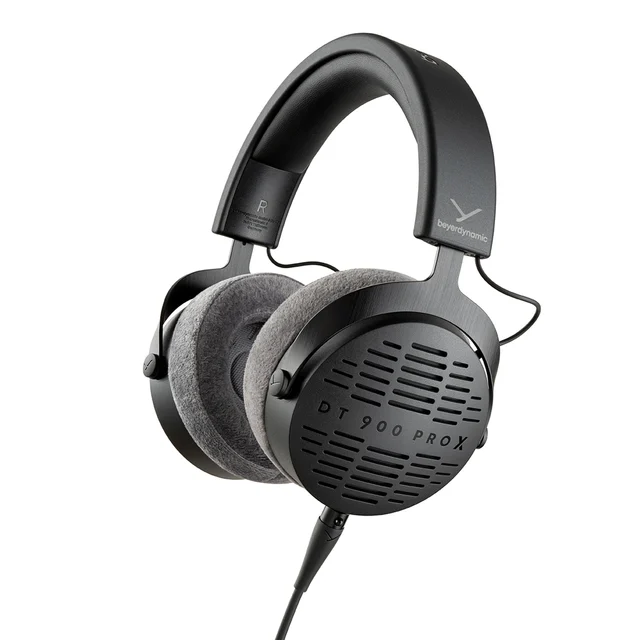
A neutral, plug-and-play open-back that sounds honest straight out of a laptop.
Best for: Desktop and studio users who want accurate sound immediately, without buying an amp first.
- 48-ohm driver is easy to power well from interfaces, laptops, and portable sources with no separate amp required
- Balanced, relatively neutral tuning that independent testing describes as accurate and fatigue-free
- Detachable cable and robust, replaceable-part build aimed at long-term use
- A treble lift around the upper presence region can sound bright on harsh recordings
- Utilitarian studio styling and firmer clamp will not suit everyone
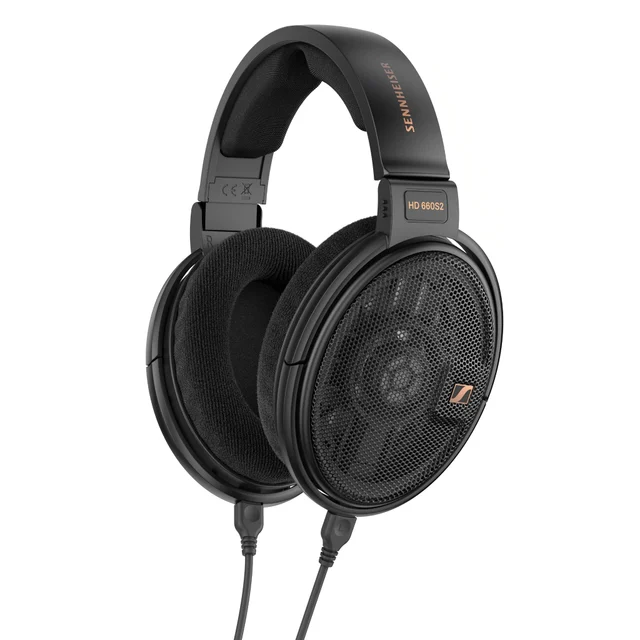
A refined, warm reference headphone that only shows its full worth behind a real amp.
Best for: Listeners with a proper DAC/amp who prioritize a warm, refined tone over the widest soundstage.
- Smooth, warm-leaning tuning with rich mids that owners find easy to listen to for hours
- Extended sub-bass; Sennheiser says it doubles sound pressure at the very lowest frequencies
- Comfortable, lightweight fit with velour pads, and a long track record of parts support
- 300-ohm impedance genuinely needs a capable headphone amp to open up; underpowered it sounds flat
- Soundstage is more intimate than some rivals, and the premium price demands you already have amplification
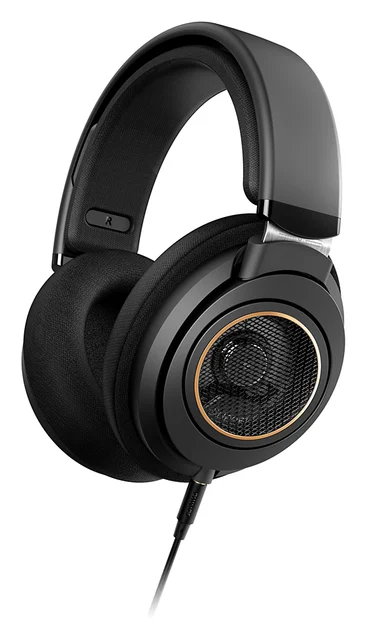
A likeable budget open-back that this company keeps for the price alone, not the performance.
Best for: Buyers whose budget is a hard ceiling and who only want a taste of the open-back sound.
- Lightweight and comfortable with a wide, easy-going sound for the money
- Easy to drive directly from a phone or laptop
- Genuine open-back experience at an entry price
- Resolution, bass control, and build clearly trail the other three; the plastic frame feels its price
- Leaks the most of the group and its dated tuning is bettered by any step up the list
| Criteria | HiFiMan Sundara (2024 revision) Top pick | Beyerdynamic DT 900 Pro X | Sennheiser HD 660S2 | Philips SHP9600 |
|---|---|---|---|---|
| Verdict | Buy it | Buy it | It depends | Skip it |
| Best for | Listeners who want the biggest jump in resolution per dollar and have, or will add, a modest desktop amp. | Desktop and studio users who want accurate sound immediately, without buying an amp first. | Listeners with a proper DAC/amp who prioritize a warm, refined tone over the widest soundstage. | Buyers whose budget is a hard ceiling and who only want a taste of the open-back sound. |
| Price tier | $$ · mid-range | $$ · mid-range | $$$ · premium | $ · budget |
| Driver type | Planar magnetic | Dynamic, 48 ohm | Dynamic, 300 ohm | Dynamic |
| Sound signature | Neutral, airy, detailed | Neutral, slightly bright | Warm, refined, mid-forward | Wide but soft, dated |
| Amp needed | Recommended; scales with power | No; drives easily | Yes; genuinely wants an amp | No; runs off a phone |
| Soundstage & imaging | Wide and precise | Wide, accurate | Intimate, focused | Wide but vague |
| Comfort (long sessions) | Good; firm pads | Good; firmer clamp | Excellent; light | Excellent; very light |
| Build & serviceability | Slim, refined frame | Rugged, replaceable parts | Solid, replaceable parts | Budget build |
| Sound leakage | High (open-back) | High (open-back) | High (open-back) | Very high (open-back) |
| Price tier | $$ · mid-range | $$ · mid-range | $$$ · premium | $ · budget |
Which one is right for you?
- Listeners who want the biggest jump in resolution per dollar and have, or will add, a modest desktop amp. Buy it HiFiMan Sundara (2024 revision)
- Desktop and studio users who want accurate sound immediately, without buying an amp first. Buy it Beyerdynamic DT 900 Pro X
- Listeners with a proper DAC/amp who prioritize a warm, refined tone over the widest soundstage. It depends Sennheiser HD 660S2
- Buyers whose budget is a hard ceiling and who only want a taste of the open-back sound. Skip it Philips SHP9600
How we judged the field
We do not run our own listening lab. Instead we synthesize independent measurements, expert reviews, and aggregated owner reports into a single verdict, then weigh them against how people actually use open-back headphones at home. Because every model here is open-back, none isolates and all of them leak sound both ways, so we treated that as a shared trait rather than a mark against any one set.
The criteria that mattered most were tonal balance and resolution, how much amplification each model needs to sound its best, comfort over long sessions, build quality and parts support, and value within its price tier. We also confirmed each model is still current and buyable in 2026.
HiFiMan Sundara (2024 revision)
Buy itThe Sundara is the one that keeps coming up when reviewers talk about value, and for good reason. Its planar-magnetic drivers deliver a level of detail retrieval and bass control that independent testing repeatedly places above dynamic-driver rivals near the price. The tuning sits close to neutral with an airy top end, and the slim frame feels more serious than the tier suggests. The catch is that it rewards a modest desktop amplifier; run straight from a laptop it is good, but with proper power it becomes excellent. Some owners note the pads and clamp can wear over very long sessions. For most people building a home listening setup, it is the smartest single purchase here.
Beyerdynamic DT 900 Pro X
Buy itIf the Sundara asks you to buy an amp, the DT 900 Pro X asks for nothing. Its 48-ohm driver powers well from interfaces, laptops, and even many portable sources, and it arrives with a balanced, honest tuning that reviewers describe as accurate and easy to listen to for hours. A detachable cable and replaceable parts back up its studio-tool intent. The trade-offs are a presence-region lift that can sound bright on harsh recordings and a firm, functional fit that not everyone loves. As a plug-and-play open-back for desktop or studio work, it is hard to beat.
Sennheiser HD 660S2
It dependsThe HD 660S2 is a lovely headphone with a warm, refined character and extended sub-bass (Sennheiser says it doubles sound pressure at the very lowest frequencies), and owners consistently describe it as effortless to listen to. But two things hold back a blanket recommendation: its 300-ohm impedance genuinely needs a capable headphone amp to open up, and its premium price assumes you already have that amplification. Its soundstage is also more intimate than some rivals. If you own a proper DAC and amp and want a warm reference tone, it is superb; if you do not, your money goes further elsewhere. That is why it is an it-depends rather than a buy.
Philips SHP9600
Skip itThe SHP9600 is genuinely likeable. It is light, comfortable, easy to drive from a phone, and delivers a wide, relaxed sound that punches above a budget price. The problem is only visible in this company: its resolution, bass control, and mostly plastic build clearly trail the other three, and it leaks the most of the group. There is nothing wrong with it, but every step up this list outperforms it audibly. Unless a tight budget is the deciding factor, we would skip it and save toward one of the picks above.
HiFiMan Sundara vs Beyerdynamic DT 900 Pro X: which should you buy?
These are the two strongest all-rounders, and the choice comes down to whether you want an amp in your chain. The Sundara’s planar drivers give it the edge in outright resolution, bass texture, and that open, spacious quality reviewers prize, but it wants a modest desktop amp to show it. The DT 900 Pro X gives up a little of that ultimate detail in exchange for being genuinely plug-and-play: it sounds accurate and full straight from a laptop or audio interface. Buy the Sundara if you are willing to add an amp and want the best sound of the pair; buy the DT 900 Pro X if you want the least fuss and the most immediate accuracy.
What to look for
- A quiet room: open-back headphones do not isolate and leak both ways, so they suit private listening, not commuting or shared offices.
- Amplification match: check impedance and reviewer notes; some models are fine off a phone, others need a real amp to sound right.
- Tonal balance: decide whether you prefer neutral and detailed or warm and forgiving, and match the tuning to your recordings.
- Comfort for your sessions: weight, clamp force, and pad material matter more the longer you listen.
- Build and parts support: detachable cables and replaceable pads and headbands extend the life of a good pair.
Our final take
For a home or desktop rig where isolation does not matter, the HiFiMan Sundara is the pick: it offers the biggest jump in resolution per dollar, provided you can feed it a modest amp. The Beyerdynamic DT 900 Pro X is the runner-up and the easiest to recommend to someone who just wants to plug in and hear accurate sound now. The Sennheiser HD 660S2 is a rewarding upgrade only once you have the amplification to match it. And the Philips SHP9600, pleasant as it is, is the one to skip unless price is the single deciding factor. Whatever you choose, keep it in a quiet room, because everyone else will hear it too.
Questions, answered
Can I use open-back headphones for commuting or in an office?
Not really. Open-back designs deliberately let air and sound pass through the earcups, so they block almost no outside noise and everyone near you can hear what you are playing. They are built for quiet, private rooms. For a train, a plane, or a shared office, a closed-back or noise-cancelling model is the right tool.
Do I need a separate headphone amplifier or DAC?
It depends on the model. The Beyerdynamic DT 900 Pro X and Philips SHP9600 drive well from a laptop or phone. The HiFiMan Sundara works without one but audibly improves with a modest desktop amp. The Sennheiser HD 660S2, at 300 ohms, genuinely needs a capable amp to reach its potential and sounds thin without one.
Will people around me hear my music?
Yes. All four leak sound outward by design, and the leakage grows with volume. In a shared room at a normal listening level, someone sitting near you will clearly hear what you are playing. If that is a concern, an open-back set is the wrong choice.
What is the real difference between open-back and closed-back?
Closed-back earcups are sealed, which traps sound in, blocks some noise out, and tends to produce stronger, more contained bass. Open-back cups are vented, which lets sound pass freely for a more spacious, natural presentation and less pressure, at the cost of isolation and some low-end punch. Open-back suits quiet-room listening; closed-back suits noisy or shared spaces.
Are these good for gaming and movies?
Open-back headphones are well regarded for gaming and film because their wider soundstage helps with directional cues and a sense of space. Among these, the wide, accurate presentation of the DT 900 Pro X and the Sundara suits that use well. Just remember they will not isolate you from a noisy room and others will hear the audio.
Deciding between the top two? See our head-to-head: HiFiMan Sundara (2024 revision) vs Beyerdynamic DT 900 Pro X.
More Audio & Headphones reviews
 The Best Open-Ear Headphones: 4 Compared (and One to Skip)
  The Best Outdoor Speakers: 4 Compared (and One to Skip)
  The Best Large Party Speakers: 4 Compared (and One to Skip)
  The Best Phono Preamps: 4 Compared (and One to Skip)
  The Best Pop Filters: 4 Compared (and One to Skip)
  The Best Portable Audio Recorders: 4 Compared (and One to Skip)