

Audio
The Best Pop Filters: 4 Compared (and One to Skip)
We compared four microphone pop filters and windscreens on screen material, how far they hold the screen off the capsule, and whether the clamp actually fits real boom arms and desks.
The short version
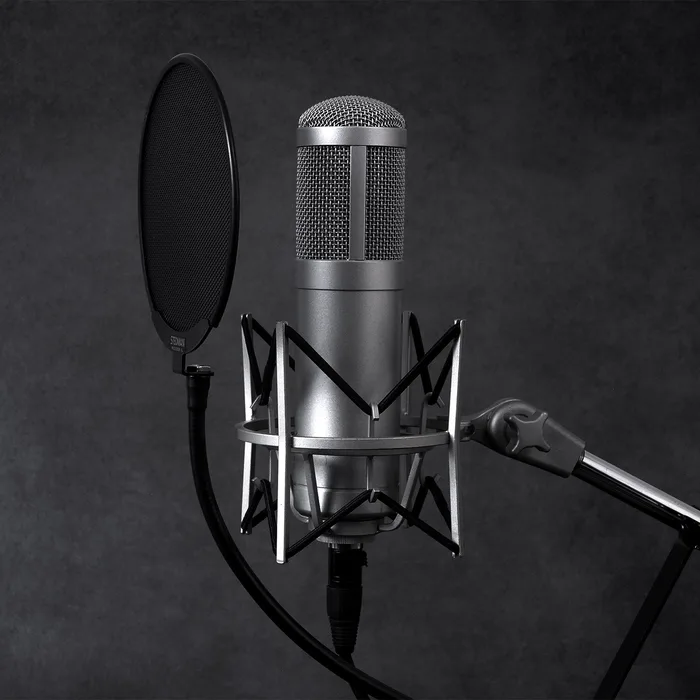
The Stedman Proscreen XL V2 is the pick. Its patented louvered metal screen redirects the air burst downward instead of trying to absorb it, its 16.5 inch gooseneck makes the two inch gap Stedman recommends easy to hit, and its clamp opens from zero to 1.5 inches so it fits thick boom arms and desk edges that defeat cheaper hardware. The Aokeo O-pop is the value pick: two nylon mesh layers with an air gap between them, a large 155 by 159 mm screen, and a C-clamp rated to 40 mm. The Neewer MS020 is the one that depends, because it straps to the microphone body with elastic bands and needs nothing to clamp to, but that also means it sits right against the grille with almost no gap. Skip the Rode WS2 as your pop solution: it is a foam windshield, and foam is the right tool for wind outdoors rather than for plosives at close range. Technique still beats all of them, so speak slightly off axis. Best for: anyone recording voice close to a large diaphragm condenser who wants the plosives gone before the take, not after it.
Our picks at a glance
- Stedman Proscreen XL V2 - Buy. A louvered metal screen that diverts the air burst downward, on a gooseneck long enough to put it where it belongs.
- Aokeo O-pop - Buy. A large dual layer nylon screen with a proper gooseneck and clamp, at the price of an accessory rather than a tool.
- Neewer MS020 Microphone Pop Filter - It depends. A three layer screen that straps straight to the microphone with elastic bands, which solves a mounting problem and creates an acoustic one.
- Rode WS2 Windshield - Skip. A well made foam windshield that a lot of people buy as their pop filter, which is not the job foam is best at.
The verdict in 30 seconds
What mattered most
- Screen material
- Layers
- Screen size
- Mount
- Clamp jaw capacity
- Gap to the capsule
A plosive is not a loud sound. It is a puff of moving air from a P or a B hitting the diaphragm, which is why turning your gain down does nothing and why the fix is aerodynamic rather than acoustic. That reframing decides everything: material, layer count, and above all the distance between the screen and the capsule. We looked at a louvered metal screen, a dual layer nylon screen, a clip on sandwich that mounts to the microphone body, and a foam sock, because those four cover the whole field.
A louvered metal screen that diverts the air burst downward, on a gooseneck long enough to put it where it belongs.
Best for: Someone who records voice regularly and wants a pop filter that outlives several microphones.
- The patented Proscreen material passes sound through angled louvers while sending pop bursts down and out the back of the screen, rather than absorbing them in fabric.
- The clamp opens from zero to 1.5 inches, the widest jaw in this group, so thick boom arms and desk edges are not a problem.
- Stedman publishes cleaning instructions: the screen immerses in a mild detergent solution and rinses with warm water, so it can be cleaned rather than replaced.
- It is by far the most expensive option here.
- The 6.125 inch screen and 16.5 inch gooseneck are physically large, which is a lot of hardware in a tight desk setup.
- Stedman does not publish frequency response or attenuation figures, so the acoustic claim rests on the design rather than on measurements.
- A metal screen still does less if you point your mouth straight at the capsule at close range.
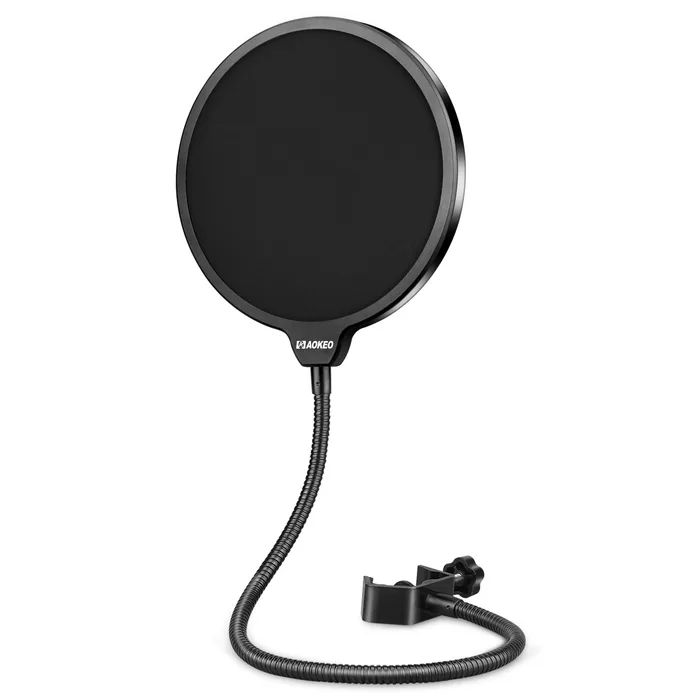
A large dual layer nylon screen with a proper gooseneck and clamp, at the price of an accessory rather than a tool.
Best for: Most people setting up a home vocal or podcast chain who want the physics handled without spending much.
- Two layers of nylon mesh with an air gap between them, which is the classic arrangement and works: the first layer breaks the burst, the gap slows what is left.
- The 155 by 159 mm screen is genuinely large, so it covers a wide mouth arc without constant repositioning.
- A 380 mm steel gooseneck and a metal C-clamp mean you can set and hold a real gap between screen and capsule.
- The C-clamp is rated to 40 mm (1.57 in), so a thicker boom arm or a chunky desk edge will not fit.
- Woven nylon in the sound path costs some high frequency energy, which is the standing trade-off against metal.
- Aokeo does not state whether the screen is washable, so treat cleaning as unproven.
- The listed 380 mm gooseneck length is paired on the same page with an inch figure that does not convert, so measure before you plan your layout.
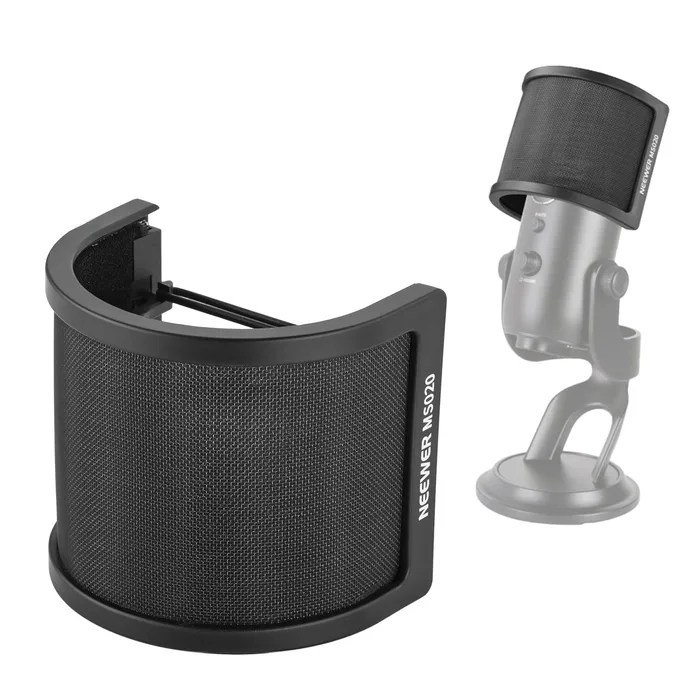
A three layer screen that straps straight to the microphone with elastic bands, which solves a mounting problem and creates an acoustic one.
Best for: Someone with nowhere to clamp a gooseneck, or who needs a pop screen that packs flat for travel.
- It needs nothing to clamp to, which matters if your microphone is in a shock mount on a slim arm with no free bar.
- It is sold with foam, metal mesh and etamine layers, so there is a real mesh stage in there rather than foam alone.
- Its elastic bands stretch to fit a range of microphone bodies; check your mic's diameter against the current listing.
- Mounted on the microphone body, it leaves almost no gap between screen and capsule, and that gap is a large part of why pop screens work.
- A foam layer in the stack is the most high frequency lossy material of the three families here.
- Neewer does not publish screen diameter, weight or cleaning guidance for it.
- Elastic bands stretch and perish, so this is a consumable in a way a gooseneck screen is not.
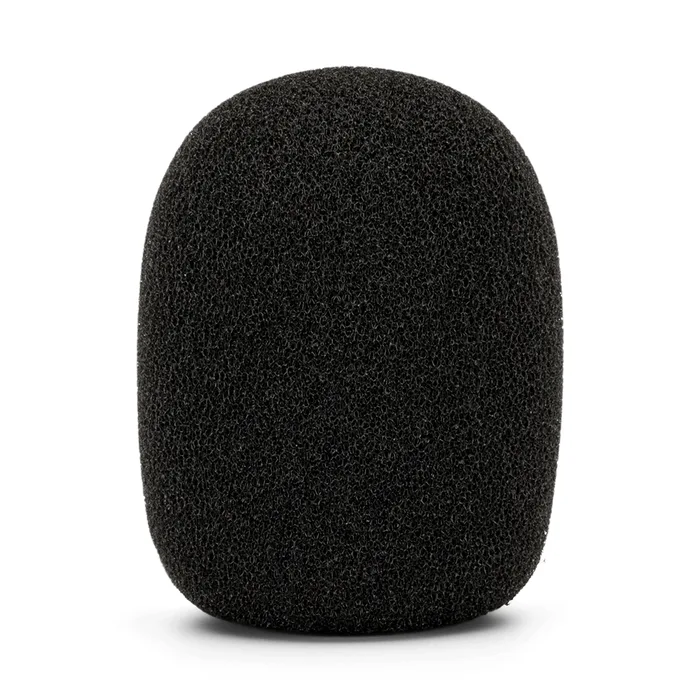
A well made foam windshield that a lot of people buy as their pop filter, which is not the job foam is best at.
Best for: Someone who actually needs wind protection or a grille cover, not someone chasing plosives at close range.
- It is a genuinely good windshield, and outdoors or in a draft that is exactly what you want over the capsule.
- Rode lists broad fitment across its own range, including the PodMic, Podcaster, Procaster, Broadcaster, NT1-A, NT1, NT2-A, NT1000, NT2000, NTK and K2.
- It also keeps dust and breath moisture off the grille, which is a real if unglamorous benefit.
- Solid foam sits directly on the grille, so it gives the plosive no distance in which to slow down.
- Foam is the most high frequency absorbent of the three material families, and Schoeps notes the general rule that the better a screen is at stopping wind, the more likely it is to affect the sound.
- Rode publishes no dimensions or acoustic figures for it on the product page.
- Many microphones already ship with a foam windscreen in the box, so a second one is often money spent on a duplicate.
| Criteria | Proscreen XL V2 Top pick | O-pop | MS020 Microphone Pop Filter | WS2 Windshield |
|---|---|---|---|---|
| Verdict | Buy it | Buy it | It depends | Skip it |
| Best for | Someone who records voice regularly and wants a pop filter that outlives several microphones. | Most people setting up a home vocal or podcast chain who want the physics handled without spending much. | Someone with nowhere to clamp a gooseneck, or who needs a pop screen that packs flat for travel. | Someone who actually needs wind protection or a grille cover, not someone chasing plosives at close range. |
| Price tier | $$$ · premium | $ · budget | $ · budget | $ · budget |
| Screen material | Louvered powder coated metal | Dual layer nylon mesh | Foam, metal mesh and etamine | Solid foam |
| Layers | One louvered metal screen | Two, with an air gap | Three | One |
| Screen size | 6.125 in diameter | 155 x 159 mm | Not published | Not published |
| Mount | 16.5 in gooseneck with clamp | 380 mm steel gooseneck with C-clamp | Elastic bands on the mic body | Slips over the mic |
| Clamp jaw capacity | 0 to 1.5 in | Up to 40 mm (1.57 in) | No clamp | No clamp |
| Gap to the capsule | Your choice, at least 2 in advised | Your choice, gooseneck set | Essentially none | None, sits on the grille |
| Fitment limit | Bars and edges up to 1.5 in | Bars up to 40 mm | Mic body diameter; check listing | Listed Rode models |
| Cleaning | Immerse screen in mild detergent, rinse warm | Not stated | Not stated | Not stated |
Which one is right for you?
- Someone who records voice regularly and wants a pop filter that outlives several microphones. Buy it Stedman Proscreen XL V2
- Most people setting up a home vocal or podcast chain who want the physics handled without spending much. Buy it Aokeo O-pop
- Someone with nowhere to clamp a gooseneck, or who needs a pop screen that packs flat for travel. It depends Neewer MS020 Microphone Pop Filter
- Someone who actually needs wind protection or a grille cover, not someone chasing plosives at close range. Skip it Rode WS2 Windshield
How we judged the field
Five things decide whether a pop filter earns its place. First, the mechanism: a plosive is a burst of moving air, so a screen has to break up and slow that airflow, and Stedman describes its own approach as passing sound through angled louvers while diverting the air burst downward and out the back. Second, distance, because air loses energy as it spreads, and a screen held a couple of inches off the capsule does a job a screen resting on the grille cannot. Third, material, since everything in the sound path takes something out of it. Fourth, hardware: gooseneck length decides where the screen can physically go, and clamp jaw capacity decides whether it attaches to your setup at all. Fifth, whether the thing survives being cleaned, because a screen catching breath and saliva for a year is not a hypothetical.
The field splits cleanly into three material families and one mounting question. Woven nylon mesh is cheap and effective and takes a little top end with it. Perforated or louvered metal is easier to clean, deflects air sideways or downward, and puts less material in the path. Foam is built for wind outdoors, sits flush against the grille, and is the weakest of the three at close range plosives. Cutting across all of that is whether the screen mounts on a gooseneck, where you control the gap, or straps to the microphone, where you do not. We picked one strong example of each: a premium metal louvered screen, a large dual layer nylon screen at the budget end, a clip on sandwich that solves a mounting problem, and a foam windshield that a lot of people buy for the wrong reason.
Stedman Proscreen XL V2
Buy itStedman’s design is the one that matches the physics rather than working around it. Instead of asking fabric to absorb a burst of air, the Proscreen material uses angled louvers, and Stedman describes them as letting sound pass while diverting pop bursts downward and out the back of the screen. The XL V2 is the large version: a 6.125 inch screen on a 16.5 inch gooseneck, with a clamp that opens from zero to 1.5 inches. That jaw is the widest here and the reason it will sit on a thick boom arm or a desk edge that stops cheaper hardware dead. The long neck also makes Stedman’s own advice, at least two inches between screen and capsule, easy to actually hit. The screen is metal and powder coated, and Stedman publishes a cleaning routine that involves immersing it in mild detergent and rinsing with warm water. What you do not get is published measurements, so the acoustic case rests on the design. For anyone recording voice week after week, this is a buy once item.
Aokeo O-pop
Buy itThe O-pop is what the budget end should look like. Two layers of nylon mesh with an air gap between them is the classic arrangement and it works for a reason: the first layer breaks the burst up, and the gap gives what is left somewhere to lose energy before the second layer. The screen is 155 by 159 mm, which is large enough that you are not constantly nudging it as you move your head, and it rides on a 380 mm steel gooseneck with a metal C-clamp. The catch is that clamp, rated to 40 mm (1.57 in), so a heavy studio boom arm or a thick desk edge is out of scope. The other catch is the material itself: woven nylon in the sound path takes some high frequency with it, which is the standing trade against metal, and Aokeo says nothing about whether the screen can be washed. For most home setups, that is a fair trade for a screen that puts the physics in the right place.
Neewer MS020 Microphone Pop Filter
It dependsThe MS020 answers a real question: what do you do when there is nothing to clamp to? It straps directly to the microphone body with elastic bands, so check your microphone’s body diameter against the listing before you order. It is sold with foam, metal mesh and etamine layers, so there is a genuine mesh stage in the stack rather than foam alone. The problem is the thing that makes it convenient. Mounted on the body, it sits essentially against the grille, and that missing gap is a large part of why gooseneck screens work at all. Adding a foam layer to the stack does not help the top end either. Neewer does not publish a screen diameter, a weight, or any cleaning guidance, and elastic bands are a consumable. Buy it if your microphone lives in a shock mount on a slim arm with no free bar, or if you need something that packs flat. Otherwise a gooseneck screen is the better tool.
Rode WS2 Windshield
Skip itThe WS2 is a good product bought for the wrong job more often than not. Rode calls it a high quality foam windshield and says it helps prevent hard plosive sounds overloading the microphone capsule, and it fits a broad list of Rode models including the PodMic, Podcaster, Procaster, Broadcaster, NT1-A, NT1, NT2-A, NT1000, NT2000, NTK and K2. As a windshield it is exactly right, and it keeps dust and breath moisture off the grille too. As a pop solution it is the weakest of the three approaches here, because solid foam sits on the grille and gives the burst no distance at all in which to slow down, and foam is the most absorbent of the three material families. Schoeps states the general principle plainly: the more effective a screen is at protecting a microphone from wind, the more likely it is to affect the sound and the directional pattern. Add that many microphones already ship with a foam windscreen, and a lot of these purchases are duplicates. Buy it for wind, not for pops.
Sources
Specs in this review come from these pages.
- Stedman Proscreen pop filters, model specifications (stedmanusa.com)
- Stedman Proscreen FAQs, how the louvered screen works (stedmanusa.com)
- Schoeps FAQ, wind and microphone response (schoeps.de)
- Schoeps pop shields, product overview (schoeps.de)
- Rode WS2 windshield product page (rode.com)
- Shure SM7B, included accessories (shure.com)
Stedman Proscreen XL V2 vs Aokeo O-pop: which should you buy?
Both buy picks put a screen on a gooseneck at a distance you control, which is the part that matters most, so the choice comes down to material and hardware rather than to whether they work. The Stedman uses a louvered metal screen that deflects the burst downward and out the back, has the widest clamp here at zero to 1.5 inches, reaches 16.5 inches, and has a published cleaning procedure. The Aokeo uses two nylon layers with an air gap, has a slightly smaller effective screen area, reaches 380 mm, and clamps only to bars up to 40 mm.
So: measure your mounting point first. If your boom arm or desk edge is thicker than 40 mm, the Aokeo is not a candidate and the decision is made for you. If it fits both, ask how much you record. Someone tracking vocals or voiceover most weeks will notice the metal screen staying clean and staying put, and will get more use out of the extra reach when working around a shock mount. Someone setting up a podcast chain they will use a few hours a month is better served putting the difference into the microphone or the room, because the nylon screen already solves the plosive.
What to look for
- Clamp jaw capacity first: measure the bar or desk edge you plan to clamp to, because a screen that will not attach is worth nothing no matter how good the mesh is.
- Gooseneck length, not just screen size: the neck has to reach around a shock mount and still put the screen in front of your mouth, which usually needs more reach than people expect.
- A gap you can set: anything that mounts on the microphone body gives up the distance that lets the air burst dissipate, so prefer a gooseneck unless you have no choice.
- Material honesty: nylon mesh is cheap and effective and costs a little top end, metal deflects air with less material in the path, and foam is built for wind rather than for close range plosives.
- Cleanability: the screen catches breath and saliva, so look for a manufacturer that actually tells you how to wash it rather than one that stays quiet.
- Check what came in the box: many microphones ship with a foam windscreen, and buying a second foam cover instead of a real pop screen is the most common wasted purchase in this category.
Our final take
Get the mechanism right and the shopping gets simple. A plosive is moving air, so you want something that breaks the burst up and then gives it room to die before it reaches the diaphragm. That means a screen on a gooseneck at a distance you choose, and a clamp that actually fits your setup. The Stedman Proscreen XL V2 does all of it with a metal screen you can wash and a jaw that fits almost anything. The Aokeo O-pop does most of it for far less, provided your mount is under 40 mm. And whichever you buy, turn slightly off axis when you speak, because technique is still the most reliable plosive fix there is.
Questions, answered
Does a pop filter actually change how my voice sounds?
Anything you put between your mouth and the capsule is in the sound path, so yes, a little. Woven nylon absorbs some high frequency energy because sound has to pass through the weave twice on a dual layer screen. A perforated or louvered metal screen has large open areas and deflects air sideways or downward instead, so there is less material in the way. Foam is the most absorbent of the three. None of these manufacturers publish attenuation curves, so treat the difference as a known direction rather than a known number, and judge it on your own voice.
Why does the distance between the filter and the microphone matter so much?
Because a plosive is a moving parcel of air, not a loud sound, and air loses energy as it travels and spreads. A screen held a couple of inches off the capsule breaks the burst up and then gives what is left room to disperse before it reaches the diaphragm. A screen pressed against the grille does the first job and skips the second. Stedman's own guidance is to leave at least two inches between the screen and the microphone. That is the single easiest thing to get right and the thing most people get wrong.
Will a pop filter fix plosives on its own?
Not reliably, and it is worth saying plainly. The most effective fix is technique: speak slightly off axis so the air stream from a P or a B passes across the capsule rather than into it, and back off a little from the grille. No filter rescues a microphone placed directly in front of your mouth at close range, because the burst arrives with too much energy and too little distance to lose it in. Think of the filter as insurance on a good position, not a substitute for one. A high pass filter on the channel helps clean up what still gets through.
My microphone came with a foam cover. Is that a pop filter?
Usually not, or at least not primarily. Foam covers supplied in the box are windscreens, designed to stop moving air outdoors and in drafts, and they sit directly on the grille. Some are explicitly close talk windscreens: Shure lists a detachable close talk windscreen as included with the SM7B, for instance. They will take the edge off a plosive, but they give the burst no distance to dissipate in and they cost you more high frequency than a mesh screen on a gooseneck. If plosives are your problem, add a screen with a gap rather than relying on the sock.
What is the most common buying mistake with pop filters?
The clamp. People choose a screen on the strength of its mesh and then discover the jaw will not close on their boom arm or their desk. The Aokeo O-pop clamps to bars up to 40 mm, the Stedman XL V2 opens from zero to 1.5 inches, and the Neewer MS020 has no clamp at all and instead straps to a limited range of microphone body diameters. Measure the thing you intend to clamp to before you order. Gooseneck length is the second trap, because a short neck cannot reach around a shock mount to put the screen in front of your mouth.
Deciding between the top two? See our head-to-head: Stedman Proscreen XL V2 vs Aokeo O-pop.
More Audio reviews
 The Best Portable Audio Recorders: 4 Compared (and One to Skip)
  The Best Portable Bluetooth Speakers: 4 Compared, 1 We'd Skip
  The Best Portable Headphone Amps: 4 Compared (and One to Skip)
  The Best Power Conditioners and Surge Protectors: 4 Compared (and One to Skip)
  The Best Premium Wireless Earbuds: 4 Compared (and One to Skip)
  The Best Record Cleaning Kits: 4 Compared (and One to Skip)