

Audio & Headphones
The Best Portable Headphone Amps: 4 Compared (and One to Skip)
We compared four current portable DAC/amps on power, features, sound, and pocketability to find which is worth plugging in.
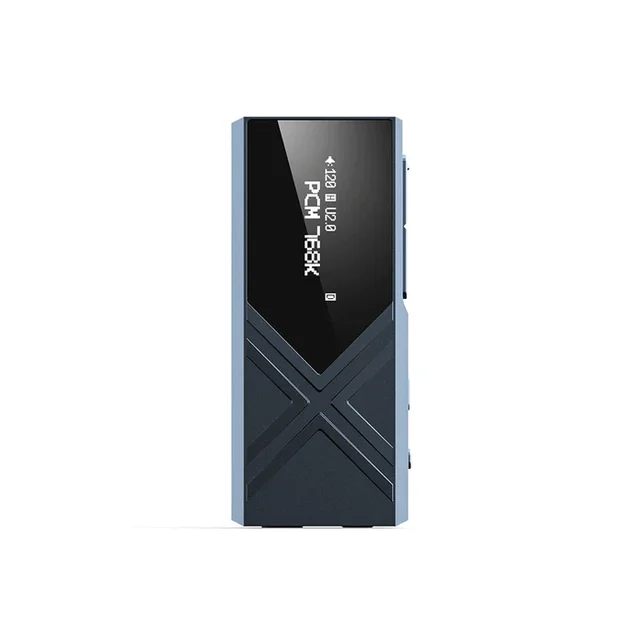
The short version
For most people the FiiO KA17 is the sweet spot: it pours out enough balanced power to drive nearly any headphone, sounds neutral with a hint of warmth, and piles on features for a sensible mid-range price. If you want your phone free, the 31 gram iFi GO blu Air adds LDAC, a balanced 4.4mm output and XBass and XSpace tone controls. The Questyle M18i Max brings Snapdragon Sound, LDAC and Apple MFi certification, but its premium price and unpublished power figure only make sense for buyers who specifically want it. The Chord Mojo 2 still sounds fabulous, yet it is bulky, fiddly to operate, and pricey - most on-the-go listeners should skip it for a dongle. Best for: getting a real jump in power and clarity from your phone or laptop without carrying a second device.
Our picks at a glance
- FiiO KA17 - Buy. A punchy, powerful, feature-loaded dongle that punches far above its modest price.
- iFi Audio iFi GO blu Air - Buy. A 31 gram Bluetooth DAC/amp with a balanced output and analog tone controls, so the phone can stay in your pocket.
- Questyle M18i Max - It depends. A premium Bluetooth DAC/amp with flagship codec certifications, if you can live without a published power figure.
- Chord Electronics Chord Mojo 2 (4.4) - Skip. A superb-sounding but bulky, quirky brick that a modern dongle undercuts for most people.
The verdict in 30 seconds
What mattered most
- Type
- Wireless (Bluetooth)
- Output power
- EQ / tone controls
- Outputs
- Pocketability
A good portable DAC/amp cleans up the thin, quiet sound you get straight from a phone or laptop and gives demanding headphones the juice they need. We looked at four models you can actually buy in 2026 across the range: a plug-and-play dongle, two Bluetooth DAC/amps, and one classic 'brick'. Two earn easy recommendations, one is a splurge that only makes sense for the right person, and one is a superb-sounding device most people should skip in favor of something smaller.
A punchy, powerful, feature-loaded dongle that punches far above its modest price.
Best for: Listeners who want close to desktop-level power in a plug-in dongle without paying flagship money.
- Big balanced output that comfortably drives most headphones and IEMs
- Dual ESS ES9069Q DACs with a tuning owners describe as neutral with a touch of warmth
- Loaded with extras: OLED readout, gain modes, filters, and a separate desktop power port
- Both 3.5mm and 4.4mm outputs on a slim body
- Draws meaningful battery from your phone and can run warm under load
- No Bluetooth - it only works plugged in
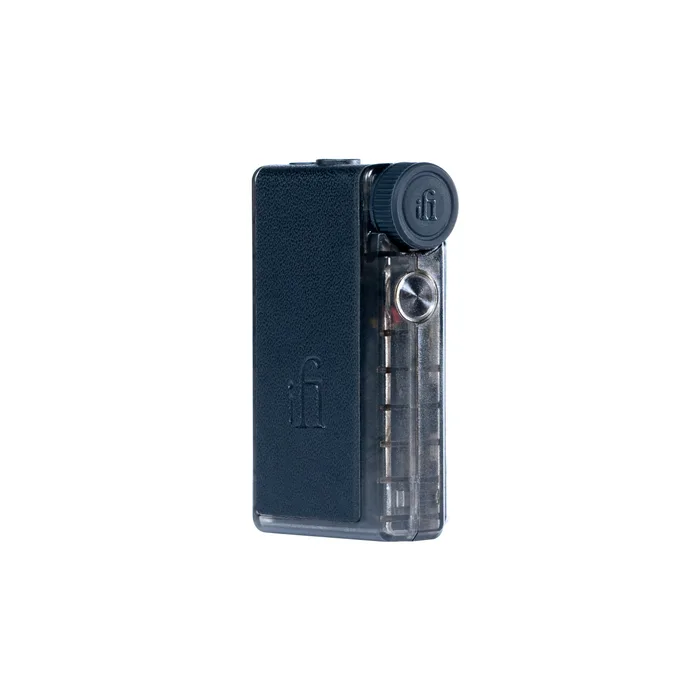
A 31 gram Bluetooth DAC/amp with a balanced output and analog tone controls, so the phone can stay in your pocket.
Best for: Listeners who want better sound and a balanced output without a cable between phone and headphones.
- Bluetooth 5.2 on a Qualcomm QCC5144 with LDAC, LHDC, aptX Adaptive, aptX HD, AAC and SBC
- 4.4mm balanced output rated at 262mW into 32 ohms, plus an S-Balanced 3.5mm output that iFi says halves crosstalk for IEMs
- XBass and XSpace tone shaping, a magnetic clip, and about 10 hours of battery in a 31 gram body
- Bluetooth input only, so it cannot act as a wired USB DAC
- iFi's warranty is one year in the US, against two in the EU
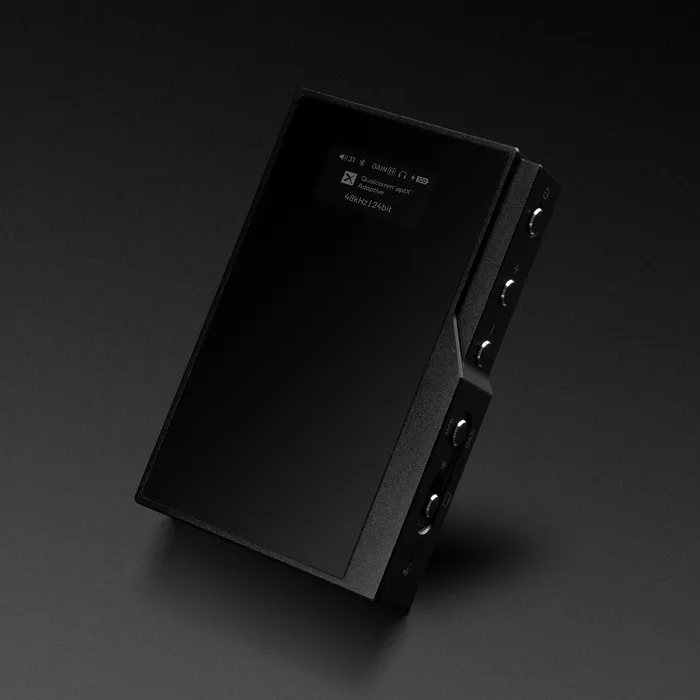
A premium Bluetooth DAC/amp with flagship codec certifications, if you can live without a published power figure.
Best for: iPhone and Android owners who want certified lossless Bluetooth and call quality in one premium box, and do not need a published power spec.
- ESS ES9219Q DAC with Questyle's fully balanced design, two headphone jacks and manual gain
- Certified for both Qualcomm Snapdragon Sound and Sony LDAC, with Apple MFi certification for iPhone and iPad
- 1800mAh battery, a dedicated charging port so it can charge while playing, and a microphone with cVc 8.0 noise cancellation for calls
- Questyle's product copy does not state an output power figure
- Premium price with a one-year warranty, and much bulkier than a dongle
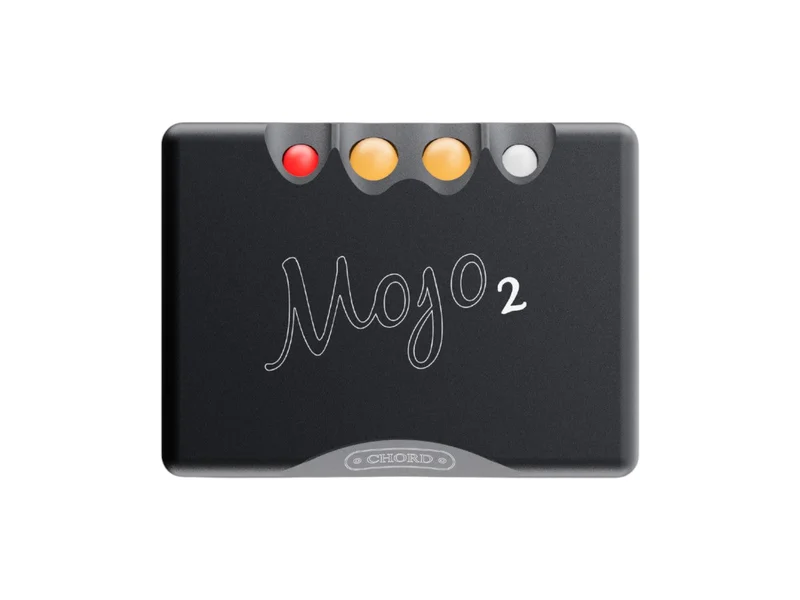
A superb-sounding but bulky, quirky brick that a modern dongle undercuts for most people.
Best for: Desk or at-home listeners chasing pure DAC quality who don't mind the size - most on-the-go buyers are better served by a dongle.
- Reference-grade DAC praised for a wide, deep soundstage and front-to-back depth
- Useful built-in DSP tone shaping and crossfeed
- The 4.4 version adds a 4.4mm output alongside the 3.5mm jack, with USB-C charging
- Bulky and heavy compared with a dongle you can leave dangling from your phone
- Fiddly colored-ball controls, no screen, and no Bluetooth
- Flagship price for what is now an aging core design
| Criteria | FiiO KA17 Top pick Buy it Buy | iFi GO blu Air Buy it Buy | Questyle M18i Max It depends Buy | Chord Mojo 2 (4.4) Skip it Buy |
|---|---|---|---|---|
| Best for | Listeners who want close to desktop-level power in a plug-in dongle without paying flagship money. | Listeners who want better sound and a balanced output without a cable between phone and headphones. | iPhone and Android owners who want certified lossless Bluetooth and call quality in one premium box, and do not need a published power spec. | Desk or at-home listeners chasing pure DAC quality who don't mind the size - most on-the-go buyers are better served by a dongle. |
| Price tier | $$ · mid-range | $$ · mid-range | $$$ · premium | $$$$ · flagship |
| Type | Plug-in USB dongle | Bluetooth DAC/amp | Bluetooth DAC/amp | Battery-powered 'brick' |
| Wireless (Bluetooth) | No | Yes (LDAC, aptX Adaptive) | Yes (LDAC, Snapdragon Sound) | No |
| Output power | Very high for a dongle | 262mW at 32 ohms (4.4mm) | Not published | High |
| EQ / tone controls | Digital filters, gain | XBass / XSpace | Manual gain | Built-in DSP + crossfeed |
| Outputs | 3.5mm + 4.4mm | 3.5mm S-Balanced + 4.4mm | Two headphone jacks | 3.5mm + 4.4mm |
| Pocketability | Slim, hangs off phone | 31g, clips to a bag | Phone-sized box | Bulky, needs its own pocket |
| Sound character | Neutral, slightly warm | Tunable with XBass / XSpace | Not characterized here | Reference, spacious |
| Price tier | $$ · mid-range | $$ · mid-range | $$$ · premium | $$$$ · flagship |
Which one is right for you?
- Listeners who want close to desktop-level power in a plug-in dongle without paying flagship money. Buy it FiiO KA17
- Listeners who want better sound and a balanced output without a cable between phone and headphones. Buy it iFi Audio iFi GO blu Air
- iPhone and Android owners who want certified lossless Bluetooth and call quality in one premium box, and do not need a published power spec. It depends Questyle M18i Max
- Desk or at-home listeners chasing pure DAC quality who don't mind the size - most on-the-go buyers are better served by a dongle. Skip it Chord Electronics Chord Mojo 2 (4.4)
How we judged the field
We don’t run our own lab. Instead we synthesize independent bench testing, expert reviews, and aggregated owner reports to build a picture of how each of these portable DAC/amps actually performs day to day. For this category, a few things matter most: usable output power (can it drive your headphones to satisfying, clean volume?), sound character (neutral and honest versus colored), features that earn their keep (EQ, tone controls, gain modes, extra outputs), how easily it lives in a pocket, and what it does to your phone’s battery. We also weighed connectivity - whether a model is wired-only or can also go wireless - and how fiddly each is to operate in real life. Prices are given only as qualitative tiers.
FiiO KA17
Buy itThe KA17 is the closest thing here to a desktop amp you can hang off your phone. FiiO rates the balanced output at up to 650mW per channel into 32 ohms in desktop mode, enough to drive the great majority of headphones and IEMs, and owners commonly describe its dual-DAC tuning as neutral with a subtle warmth that plays nicely with almost anything. It also stacks on features rare at its price: an OLED readout, multiple gain modes and digital filters, both 3.5mm and 4.4mm outputs, and even a separate power port so you can unlock its full output on a desk. The trade-offs are the usual dongle ones - it pulls real current from your phone and can get warm - plus no Bluetooth. For the money, it’s the easiest all-rounder to recommend.
iFi GO blu Air
Buy itThe GO blu Air is the answer for anyone who wants better sound without a cable between phone and headphones. It is a Bluetooth DAC/amp built on Bluetooth 5.2 and a Qualcomm QCC5144, with LDAC, LHDC, aptX Adaptive, aptX HD, AAC and SBC covered. iFi rates the balanced 4.4mm output at 262mW into 32 ohms, and the 3.5mm output uses its S-Balanced design, which iFi says halves crosstalk for IEMs. XBass and XSpace add analog-style tone shaping, a magnetic clip attaches it to a bag or jacket, and iFi quotes about 10 hours of battery in a 31 gram body. The trade-offs: its only input is Bluetooth, so it cannot double as a wired USB DAC, and iFi’s warranty is one year in the US. For wireless listening with a balanced output, it is the easy second pick.
Questyle M18i Max
It dependsThe M18i Max is the premium take on a Bluetooth DAC/amp. Questyle builds it around an ESS ES9219Q DAC in a fully balanced design with two headphone jacks and manual gain, certifies it for both Qualcomm Snapdragon Sound and Sony LDAC, and adds Apple MFi certification for stable connections to iPhone and iPad. An 1800mAh battery, a dedicated charging port that lets it charge while playing, and a microphone with cVc 8.0 noise cancellation round it out. So why ‘it depends’? Questyle’s product copy does not state an output power figure, which matters when you are choosing an amp for specific headphones, the warranty is one year, and it sits at a premium price in a box far bulkier than a dongle. If certified lossless Bluetooth and call quality are what you want, it delivers; if you need to know it will drive a demanding headphone, the KA17 publishes the numbers.
Chord Mojo 2 (4.4)
Skip itMake no mistake: the Mojo 2 still sounds superb. Owners and reviewers praise its reference-grade DAC for a wide, deep soundstage, and the 4.4 version adds a 4.4mm output alongside the 3.5mm jack, plus USB-C charging and clever built-in DSP tone shaping. But it’s a battery-powered brick, not a dongle - bulky and heavy enough to need its own pocket, operated through a famously fiddly system of colored light-up balls with no screen, and with no Bluetooth. At a flagship price for what is now an aging core design, most people shopping for something to carry every day will be better served by a dongle. It earns a skip on practicality, not on sound.
FiiO KA17 vs iFi GO blu Air: which should you buy?
These two are the value heart of the group, and the right answer depends on how you listen. The KA17 is the muscle: up to 650mW per channel into 32 ohms in desktop mode, a more substantial build, and near-desktop drive that suits bigger, harder-to-power headphones - but it’s wired-only and thirstier on your phone’s battery. The GO blu Air is the wireless option: Bluetooth only, a rated 262mW into 32 ohms balanced, its own battery so it leaves your phone’s alone, and XBass and XSpace for quick tone shaping. If you own demanding headphones and want the strongest wired performance for the money, take the KA17. If you value a cable-free phone and mostly use IEMs or easy-to-drive headphones, the GO blu Air is the better buy.
What to look for
- Enough power for your headphones. Sensitive IEMs need very little; big planar or high-impedance headphones need a lot. Match the amp’s output to what you actually own.
- Wired dongle vs wireless. Dongles are cleanest and never need their own charge, but tether you with a cable. Only get Bluetooth if you truly want your phone free in your pocket.
- Outputs you’ll use. A 4.4mm balanced jack unlocks more power, but only helps if your headphones can take a balanced cable. Otherwise the 3.5mm output is fine.
- EQ and tone controls. If you like to tune your sound, a strong parametric-EQ app or analog bass/space switches can matter more than tiny differences in raw fidelity.
- Size and battery. A dongle sips power from your phone; a brick carries its own battery but adds bulk. Decide which trade-off fits your daily carry.
- Operation. Screens, clear gain switches, and simple controls beat cryptic button or light-based menus when you’re out and about.
Our final take
Most people should start with the FiiO KA17: it gives you the biggest jump in power and clarity for a fair mid-range price, sounds honest, and skips nothing on features. If you want Bluetooth, the iFi GO blu Air is our second pick, with LDAC, a balanced output and tone controls in a 31 gram body. The Questyle M18i Max is a premium Bluetooth splurge with strong codec certifications, but it’s a want, not a need, and Questyle does not publish its power. And the Chord Mojo 2, for all its sonic talent, is simply too big and fiddly to recommend as an everyday carry when today’s dongles get you most of the way there in a fraction of the size.
Questions, answered
What's the difference between a 'dongle' and a 'brick' like the Mojo 2?
A dongle is a small stick that plugs straight into your phone or laptop over USB-C and draws power from it - nothing extra to carry or charge. A brick like the Chord Mojo 2 is a separate battery-powered box that connects by cable; it can pack a bigger, more capable DAC and amp, but it is heavier, needs its own charging, and sits awkwardly next to a phone in your pocket.
Do I need a balanced (4.4mm or 2.5mm) output?
Only if your headphones came with, or can accept, a balanced cable. Balanced outputs generally deliver more power and can lower background noise, which helps with harder-to-drive headphones. The KA17, GO blu Air and Mojo 2 have a 4.4mm jack, but if you only own regular 3.5mm-plug headphones you'll be perfectly happy using the single-ended output.
Will these drive full-size, power-hungry headphones?
The FiiO KA17 has the most muscle here and handles most full-size headphones well, especially from the balanced output. The Chord Mojo 2 is also strong. The iFi GO blu Air is rated at 262mW into 32 ohms balanced, which suits IEMs and easier-to-drive headphones, and Questyle does not state a power figure for the M18i Max. If you own notoriously demanding planar or high-impedance headphones, prioritize the higher-power options and use the high-gain balanced output.
Bluetooth or a wired USB dongle - which should I get?
Wired devices like the KA17 and Mojo 2 give you the cleanest, most powerful signal, and a dongle never needs charging on its own, but they tether you with a cable. The iFi GO blu Air and Questyle M18i Max work over Bluetooth, so they are the picks if you want to keep your phone in your pocket; the GO blu Air takes Bluetooth input only.
Does a portable amp actually make a noticeable difference?
For most people, yes - especially with better headphones or IEMs that a phone or laptop can't fully power. You typically hear more volume headroom, tighter bass, and a cleaner, more spacious presentation. The improvement is largest when your headphones are demanding; with cheap earbuds the difference is smaller. If your current setup already plays loud and clean, treat an amp as a nice-to-have rather than a fix.
Deciding between the top two? See our head-to-head: FiiO KA17 vs iFi Audio iFi GO blu Air.
More in Audio & Headphones
Portable Headphone Amps, Explained Plain-English guide → FiiO KA17 vs iFi Audio iFi GO blu Air Head-to-head → 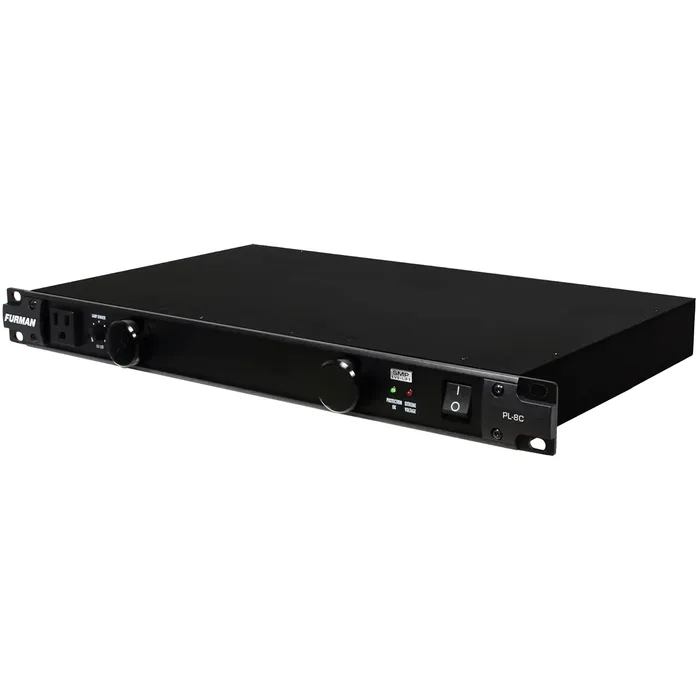 The Best Power Conditioners and Surge Protectors: 4 Compared (and One to Skip)
 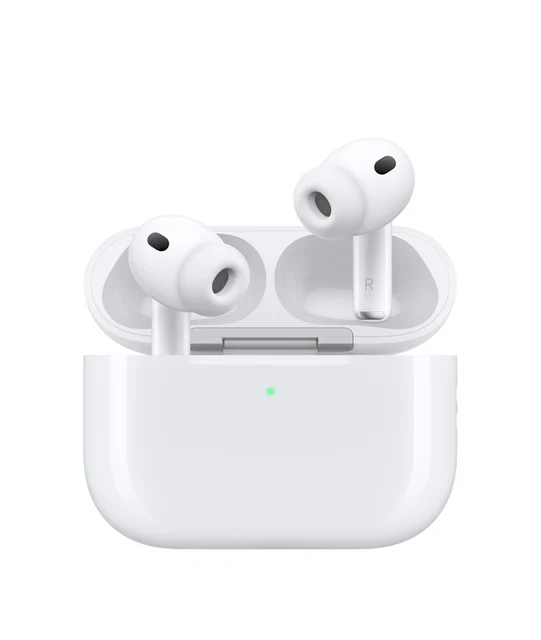 The Best Premium Wireless Earbuds: 4 Compared (and One to Skip)
 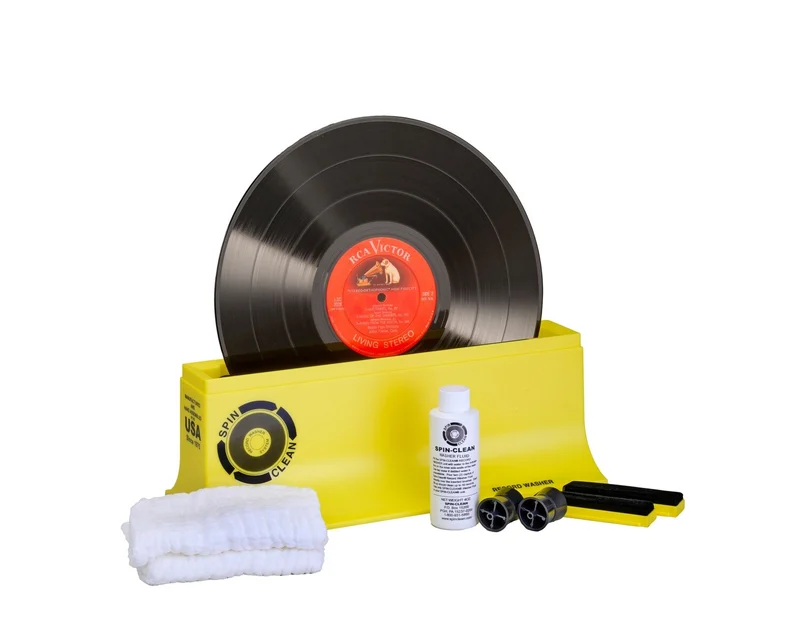 The Best Record Cleaning Kits: 4 Compared (and One to Skip)
 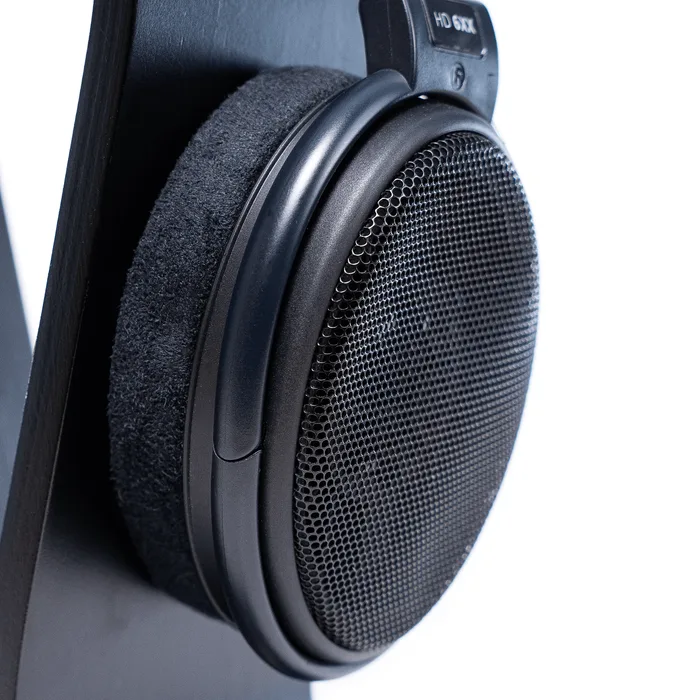 The Best Replacement Headphone Earpads: 4 Compared (and One to Skip)