Explained
Open-Back Headphones, Explained
After reading this you will understand what makes a headphone open-back, whether you need an amp, and how to match a pair to your room and your ears.
In this guide
Open-back headphones have vented earcups that let air and sound pass through, which produces a wider, more natural sound than sealed cans but also means they leak audio in both directions. First-time buyers usually get tripped up by two things: assuming any good headphone works everywhere, and ignoring how much amplification a given pair needs to sound its best. This guide decodes the design, the specs, and the trade-offs so you can buy the right pair for how and where you actually listen.
The 30-second version
- Open-back means openness, not isolation. the vented design trades noise blocking for a wider, more spacious sound, so these belong in a quiet room, never on a commute or in a shared office.
- They leak sound both ways. people near you will hear your music and you will hear the room, which is by design and grows with volume.
- Amplification is the hidden requirement. some models drive easily from a laptop or phone, while high-impedance sets genuinely need a dedicated amp to sound full rather than thin.
- Driver type shapes the character. planar-magnetic designs tend to lead on resolution and bass control for the money, while dynamic drivers range from easy-to-power to amp-hungry.
- Comfort and serviceability decide the long game. weight, clamp force, and replaceable pads and cables matter more the longer you own and wear a pair.
The products this guide is about
Our verdict on each, with the full reasoning on the companion review.
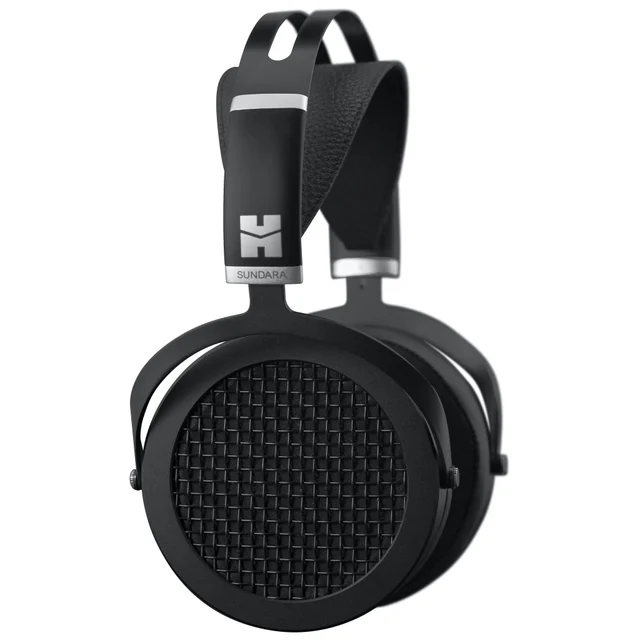
- Buy HiFiMan Sundara (2024 revision) The planar-magnetic set that makes most dynamic rivals sound ordinary, for sensible money. Amazon
- Buy Beyerdynamic DT 900 Pro X A neutral, plug-and-play open-back that sounds honest straight out of a laptop. Amazon
- It depends Sennheiser HD 660S2 A refined, warm reference headphone that only shows its full worth behind a real amp. Amazon
- Skip Philips SHP9600 A likeable budget open-back that this company keeps for the price alone, not the performance. Amazon
What actually matters
- A quiet listening environment: open-back headphones do not isolate and leak both ways, so they reward private rooms and are the wrong tool for planes, trains, and open offices.
- Amplification match: check impedance and sensitivity against what you will plug into; the gap between a pair that runs off a phone and one that needs a real amp is the single most common buying mistake.
- Tonal balance: decide whether you prefer a neutral, detailed sound or a warm, forgiving one, and match that to the music and recordings you actually play.
- Soundstage and imaging: open designs are prized for a sense of space and directional placement, which is why they suit gaming, film, and classical listening.
- Comfort over long sessions: weight, pad material, and clamp force determine whether a pair disappears on your head after an hour or starts to ache.
- Build and parts support: detachable cables and replaceable pads and headbands extend the useful life of a good pair and protect your investment.
- Value within its tier: more money should buy a clear, audible gain; a pleasant pair that is bettered by every step up the ladder is rarely the smart buy.
The specs, in plain English
Green flags vs red flags
Green flags
- Impedance and sensitivity are stated clearly and match the source you plan to use (phone, laptop, or dedicated amp)
- Independent testing and owner reports agree the tuning is even and fatigue-free rather than harsh or muddy
- Detachable cable and readily available replacement pads and headband parts
- A driver and tuning appropriate to your use, such as a wide, accurate presentation for gaming and film
- Consistent praise for comfort over long sessions from people who wear glasses or listen for hours
- The pair is current and still supported, not a discontinued model with scarce parts
Red flags
- Marketing leans on a huge frequency-response number while saying nothing about tuning accuracy
- High impedance paired with a plan to run the headphones straight from a phone, which will sound thin
- A fixed, non-detachable cable on an otherwise premium pair, limiting long-term repairability
- Owner reports of a bright or piercing treble on ordinary recordings
- A budget pair recommended for a noisy commute or office, where an open-back design cannot isolate
- No mention of parts support or replaceable pads, hinting at a disposable build
Who's who: the brands
- HiFiMan - Known for planar-magnetic headphones that punch above their price on detail and bass control.
- Beyerdynamic - A German studio-audio maker respected for durable, neutral, plug-and-play open-back designs.
- Sennheiser - A long-standing name whose reference open-back models are prized for warm, refined tuning and strong parts support.
- Philips - Makes likeable, easy-to-drive budget open-back sets that deliver a taste of the openness for less money.
- Audio-Technica - Widely available brand offering open-back models across price tiers, popular as entry points into the category.
How to read a listing without getting fooled
Start with how you will use the headphones, because the fanciest spec sheet cannot make an open-back set isolate on a train. Next, find the impedance and sensitivity and be honest about your source: if a pair is 250 or 300 ohms and you only have a phone or laptop, budget for an amp or choose an easier-to-drive model. Treat a wide frequency-response range as marketing noise on its own; what matters is whether independent testing and owner reports describe the tuning as even and natural rather than harsh or boomy. Look for a driver type and soundstage that suit your listening, and confirm the practical details: detachable cable, replaceable pads, weight, and clamp force. Finally, sanity-check the pair against the tier above and below it, because a small saving that sacrifices a clear jump in sound is rarely worth it.
How much should you spend?
Spend according to your source gear and your ears, not the biggest number you can stretch to. Entry-level open-back sets deliver a genuine taste of the spacious sound and are easy to drive, but their resolution, bass control, and build clearly trail a step up. The value sweet spot tends to sit in the mid tier, where planar-magnetic and refined dynamic designs bring a real jump in detail and control for sensible money, sometimes in exchange for adding a modest desktop amp. Premium models reward listeners who already own a capable DAC and amp and want a specific refined character; paid for without that amplification in place, much of the money goes to waste. In short, match your spend to a source that can actually drive the headphones, and stop paying more once the audible gains flatten out for your use.
Questions, answered
Can I use open-back headphones for commuting or in an open office?
Not really. The vented design deliberately lets sound pass through the earcups, so they block almost no outside noise and everyone near you can hear what you are playing. They are made for quiet, private rooms. For a train, a plane, or a shared office, a closed-back or noise-cancelling model is the right choice.
Do I need a separate headphone amp or DAC?
It depends on the model. Low-impedance, sensitive sets drive well straight from a laptop or phone. Higher-impedance designs, such as those rated around 250 to 300 ohms, genuinely need a capable amp to sound full rather than thin. Some planar-magnetic sets work without an amp but audibly improve with a modest one. Always check impedance and sensitivity against what you will plug into.
Will people around me hear my music?
Yes. All open-back headphones leak sound outward by design, and the leakage grows with volume. In a shared room at a normal listening level, someone sitting near you will clearly hear what you are playing. If that is a concern, an open-back set is the wrong tool.
What is the real difference between open-back and closed-back?
Closed-back earcups are sealed, which traps sound in, blocks some noise out, and tends to produce stronger, more contained bass. Open-back cups are vented, which lets sound pass freely for a more spacious, natural presentation and less pressure, at the cost of isolation and some low-end punch. Open-back suits quiet-room listening; closed-back suits noisy or shared spaces.
Are open-back headphones better for gaming and movies?
They are well regarded for both because their wider soundstage helps with directional cues and a sense of space, which aids immersion and locating sounds. Just remember they will not isolate you from a noisy room, and others nearby will hear the audio.
Are more ohms or a bigger frequency-response range always better?
No. Higher impedance simply means a pair needs more power, not that it sounds better, and it can be a drawback if your source cannot drive it. A very wide frequency-response figure looks impressive but tells you nothing about how accurately those frequencies are reproduced. Even, natural tuning matters far more than either number alone.
Or jump to the head-to-head: HiFiMan Sundara (2024 revision) vs Beyerdynamic DT 900 Pro X.