Explained
Hiking Daypacks, Explained
After reading this you will know how to read a daypack's spec sheet, tell a trail pack from a commuter, and match capacity, fit, and ventilation to the hiking you actually do.
In this guide
A hiking daypack is the pack you wear for a single day on the trail, usually somewhere between 20 and 30 liters. It sounds simple, but listings bury the things that matter, capacity, fit, ventilation, and how it carries water, under marketing words and volume numbers that do not tell the whole story. The most common mistake is buying on looks or liters alone and ending up with a sweaty back, a bouncing load, or nowhere sensible to stash a water bottle.
The 30-second version
- Fit beats features. A pack that matches your torso length and sits on your hips will usually out-carry a feature-packed pack that does not fit you.
- Liters are volume, not comfort. 20 to 30L is the day-hiking sweet spot, but two packs of the same capacity can carry completely differently depending on their frame and back panel.
- Ventilation is the comfort you feel first. A suspended or heavily channeled back panel is what keeps you from turning into a sweat sponge on a hot climb.
- Decide how you drink before you buy. Reservoir sleeve and hose ports for a bladder, or deep reachable side pockets for bottles, and remember the bladder is almost always sold separately.
- A trail pack and a commuter pack are different animals. Rolltop laptop-friendly bags are comfortable but load slowly and vent poorly compared with a purpose-built hiking daypack.
The products this guide is about
Our verdict on each, with the full reasoning on the companion review.
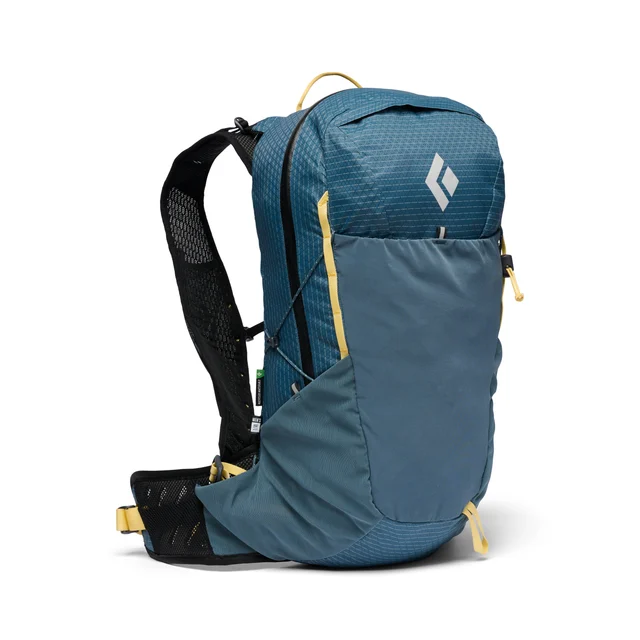
- Buy Black Diamond Pursuit 25 The best-rounded daypack here: ventilated, well-organized, and comfortable with real weight on board. Amazon
- Buy Deuter Speed Lite 21 The featherweight pick for fast, light days when every ounce and every summit push counts. Amazon
- It depends Cotopaxi Torre 24L A comfortable, stylish rolltop that shines as a commute-and-casual-hike crossover more than a trail specialist. Amazon
- Skip Hyperlite Mountain Gear Daybreak 22 A superb ultralight, weatherproof pack that most day hikers will find too specialized and too expensive.
What actually matters
- Capacity (liters) decides what you can carry. Around 20 to 22L suits fast, warm-weather days; 25 to 30L gives headroom for extra layers, food, camera gear, or packing for others.
- Fit and torso length determine whether the load rides stable and close or sways and drags on your shoulders. The right torso length is more important than any single feature.
- Back ventilation governs how hot and sweaty your back gets on climbs. This is the difference most people feel most strongly on the trail.
- Suspension and hipbelt decide whether weight transfers to your hips or hangs off your shoulders. A real, load-bearing hipbelt matters once you carry water and layers.
- Hydration compatibility covers whether the pack takes a reservoir (internal sleeve, hose ports) or leans on bottle pockets, and how easily you can drink on the move.
- Organization and access decide whether you can reach water, snacks, and a layer without unpacking the whole bag, via stretch pockets, hip-belt pockets, and shoulder-strap pockets.
- Weight versus durability is the trade-off between an ultralight pack that vanishes on your back and a tougher, more featured pack that lasts and carries more.
The specs, in plain English
Green flags vs red flags
Green flags
- The listing states torso sizes or an adjustable back, showing fit was designed in.
- A suspended or clearly channeled, mesh back panel for airflow on climbs.
- A padded, structured hipbelt that looks capable of carrying weight, ideally with hip-belt pockets.
- A dedicated hydration sleeve with a hose port, or deep, reachable side bottle pockets.
- Grab-and-go organization: stretch front pocket, shoulder-strap pockets, side access.
- Owner reports across a full season praising comfort and durability, not just first impressions.
Red flags
- Only a total liter number given, with no mention of fit, torso length, or back panel.
- A thin webbing waist strap described as a hipbelt, or no hipbelt at all on a larger pack.
- A flat foam contact back marketed for hot-weather hiking, which will run sweaty.
- Shallow or missing side pockets you cannot reach while walking.
- A commuter or travel rolltop being sold as a trail pack when you need quick access and ventilation.
- A flagship price justified mainly by weight savings or materials rather than the comfort and features you will actually use.
Who's who: the brands
- Black Diamond - Climbing and mountain-sport brand whose Pursuit daypack takes its body-hugging Continuous Fit harness from the Distance line.
- Deuter - Long-standing German pack maker known for ventilated backs and dependable, comfortable fit.
- Cotopaxi - Design-forward outdoor brand known for durable, colorful, travel-friendly packs that cross over between trail and town.
- Hyperlite Mountain Gear - Ultralight specialist known for weatherproof Dyneema packs favored by fastpackers and thru-hikers.
- Osprey - One of the most widely stocked daypack makers, known for suspended AirSpeed-style backs and an all-mighty repair guarantee.
- Gregory - Fit-focused pack brand known for well-ventilated suspension and comfortable carrying systems across many torso sizes.
How to read a listing without getting fooled
Start with fit, not volume. Find the torso length or size range and check the pack comes in your size or adjusts to it, because a great pack in the wrong size carries badly. Next, read the back panel description carefully: words like suspended or trampoline mean cool airflow, channeled or ventilated mean some airflow, and contact or foam mean warm but stable. Confirm the hipbelt is padded and structured rather than a token strap if you plan to carry any real weight. Then match the hydration story to how you drink, an internal sleeve with a hose port for a bladder or deep side pockets for bottles, and remember the bladder is nearly always extra. Finally, treat the liter number as a rough space guide only, and watch for a pack that is really a commuter or travel bag dressed up for the trail, which you can spot by a laptop sleeve, a rolltop bucket opening, and little ventilation.
How much should you spend?
Most day hikers do not need to spend at the top of the range. The value sweet spot sits with mid-range packs from established brands, where you get a properly ventilated back, a real hipbelt, and useful organization without paying for exotic materials. Spending more is worth it when you specifically need ultralight weatherproof construction for fastpacking or big-mile days, since premium fabrics like Dyneema command a real premium; for typical hiking, that money buys weight savings you may not feel and often costs you ventilation and features. Spending less can work for occasional, light, short outings, but the cheapest packs tend to skimp on fit adjustability, back ventilation, and load-bearing hipbelts, which are exactly the things that separate a comfortable day from a miserable one. Buy for the comfort and features you will use on the hikes you actually do, and let material bragging rights come last.
Questions, answered
What size daypack do I need for day hiking?
For most full-day hikes, a pack in the 20 to 30L range is the sweet spot: enough room for water, layers, food, a first-aid kit, and the ten essentials without tempting you to overpack. Choose the smaller end, around 20 to 22L, for fast, warm-weather days, and the larger end, 25 to 30L, if you carry extra layers, camera gear, or pack for others.
How do I know a pack will fit me?
Fit is about torso length, the distance along your spine from the base of your neck to your hip line, not your height. Measure it, then buy a pack in that torso size or one with an adjustable back. When it is loaded, the hipbelt should wrap the top of your hips and carry most of the weight, with the shoulder straps hugging without digging in.
Do I need a hydration reservoir, or are water bottles fine?
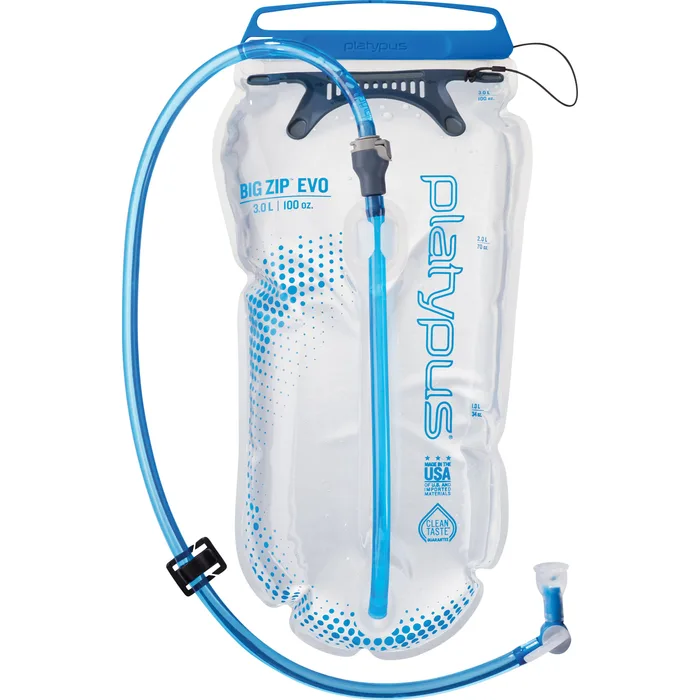
Either works; it is a preference. A reservoir (bladder) with a hose lets you sip without stopping and is great for steady drinking, but it is harder to check your water level and usually sold separately from the pack. Bottles in side pockets are simpler and easy to monitor but mean pausing or reaching back to drink. Decide first, then check the pack has the sleeve and hose port, or the deep reachable pockets, to match.
Why does my back get so sweaty, and can a pack fix it?
A sweaty back usually comes from a pack that sits flat against you with little airflow. A suspended or trampoline back panel holds the pack body away from your spine so air can move across your back, which is the biggest single comfort upgrade for hot, steep hiking. Channeled foam backs help a little; flat contact backs run the warmest.
Can I use one pack for both commuting and hiking?
You can, but expect compromises. Travel and commuter crossovers with padded laptop sleeves and rolltop closures are comfortable and durable, yet they load more slowly and vent less well than a purpose-built trail pack. Dedicated hiking packs commute fine in a pinch, but their stretch mesh, hipbelts, and pole loops are tuned for the trail. If one bag must do both, prioritize the use it will see most.
Is an expensive ultralight pack worth it for casual hiking?
For most people, no. Ultralight, weatherproof packs shine for fastpackers and thru-hikers who obsess over weight, but they trade away ventilation, structure, and organization and command a premium price. Casual and moderate day hikers usually get more real-world comfort and value from a ventilated, feature-rich mid-range pack.
Or jump to the head-to-head: Black Diamond Pursuit 25 vs Deuter Speed Lite 21.