

Explained
Hydration Packs, Explained
After reading this you'll know how to match a hydration pack's water and cargo capacity, fit, and features to your actual activity, and how to avoid the ones that get moldy or bounce.
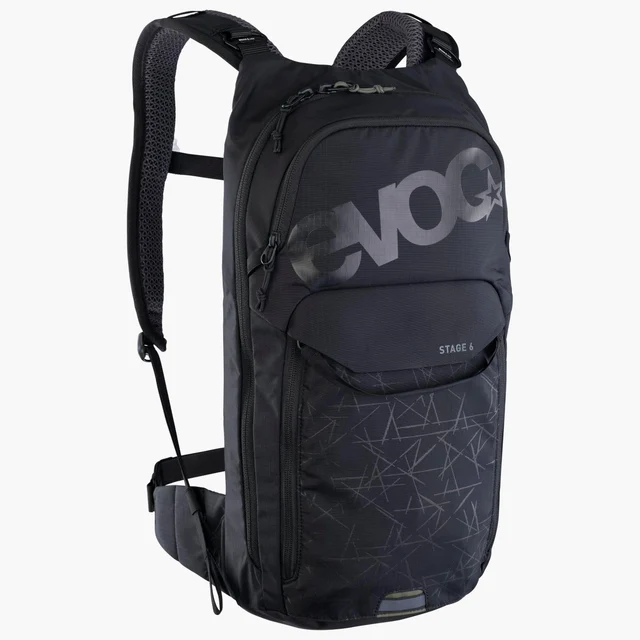
In this guide
"Hydration pack" is really three different products wearing one name: a bounce-free vest for running, a low-profile ventilated pack for mountain biking, and a bigger reservoir-plus-cargo pack for all-day hikes. First-time buyers usually shop on total liters and price, then discover the pack sways when they move, the bladder is a nightmare to dry, or half the water capacity they paid for is actually cargo space. This guide untangles the jargon so you buy for how you'll move.
The 30-second version
- Match the pack to the sport, not the spec sheet. A vest wins for running, a compact ventilated pack wins for biking, and only long, gear-heavy hikes justify a big reservoir-and-cargo pack.
- Fit and harness matter more than capacity. A load that bounces or sways in corners will ruin an otherwise great pack, and no amount of liters fixes that.
- How easily it dries is how fresh it stays. Wide-mouth reservoirs and quick-release hoses are what keep a bladder from going moldy; narrow screw caps are where the complaints start.
- Read the two capacity numbers separately. Water capacity (the bladder or flasks) and cargo capacity (the pack volume) are different things, and "included" reservoir is not a given.
What actually matters
- Reservoir (bladder) capacity vs cargo capacity — these are two separate numbers. A pack can hold a lot of gear but a small bladder, or the reverse. Short rides and runs rarely need more than a couple of liters of water; big cargo only matters if you're out all day carrying layers and food.
- Harness fit and bounce control — the single biggest comfort factor. Running vests use multi-point harnesses and sternum straps to lock the load still; bike and hiking packs use body-hugging fits and hip belts. If it sways when you move, nothing else about the pack saves it.
- Bite valve and shutoff — the valve is what you interact with every single sip. A smooth-flowing valve with an on/off lever (so it doesn't dribble in your bag) makes you drink more often, which is the entire point of carrying water on your body.
- Hose routing and reachability — a hose you can actually find on your chest, held by a magnetic trap or sternum clip, means you drink without stopping. A hose that flops around or hides gets ignored.
- Back-panel ventilation — channeled, meshed panels let your back breathe on hot climbs; a flat foam panel turns into a sweat sponge. This matters most if you run hot or ride in heat.
- Reservoir opening and ease of cleaning — a wide opening you can get a hand or a drying rack into is the difference between a bladder you keep using and one that grows mold and gets thrown out.
- What's actually in the box — some packs include the reservoir or flasks; others are "bladder-ready" but ship empty, so you pay extra to make them work. Factor that into the real cost.
The specs, in plain English
Green flags vs red flags
Green flags
- The bladder has a wide opening you could fit a hand or a drying rack into
- The valve has an on/off shutoff and a magnetic or clip hose keeper on the chest
- The harness matches the sport: a no-bounce multi-point vest for running, a body-hugging fit with hip belt for biking or hiking
- A channeled, mesh back panel for airflow if you run hot
- Clear listing of both water capacity and cargo capacity, and whether the reservoir is included
- Owner reports mention easy cleaning and drying, not just comfort
Red flags
- A narrow screw-cap reservoir with no easy way to dry the inside (mold magnet)
- "Hydration-ready" or "bladder compatible" but no reservoir actually included, buried in the fine print
- A big total-liters number that's mostly cargo, with a tiny or missing bladder
- Only a thin webbing waist strap and flat foam back panel on a pack you'll load with water
- A running pack with no sternum/harness system to control bounce
- No mention of the valve or shutoff, suggesting a basic, drippy mouthpiece
Who's who: the brands
- CamelBak - The name most people associate with hydration; known for smooth-flowing valves, wide-mouth reservoirs, and easy-drying bladder systems.
- EVOC - Bike-focused packs praised for ventilated back panels and secure, body-hugging fits that stay put on rough terrain.
- USWE - Best known for no-bounce running and riding harnesses engineered to lock the load still even at speed.
- Gregory - Established pack maker with well-built daypacks; strong general packs, though not all are purpose-built for hydration.
- Osprey - Popular for hiking and biking packs with comfortable carry systems and included reservoirs on many hydration models.
- Salomon - A trail-running favorite for lightweight, close-fitting vests with soft front flasks.
How to read a listing without getting fooled
Start by finding two numbers, not one. "Water capacity" (or reservoir/bladder size, like 2L) is how much you drink; "cargo capacity" or the pack's liter rating is how much gear it holds. A listing that only shouts one big liter number is usually quoting cargo — check whether a bladder is included or whether "hydration-compatible" just means there's an empty sleeve. Next, read the fit language: words like vest, no-bounce, 4-point harness, and race-fit signal a running pack, while body-hugging, hip belt, and load-bearing signal biking or hiking. Look for a named, described valve (smooth-flow, on/off, magnetic keeper) rather than silence — an unmentioned valve is usually a basic one. Finally, scan owner reports for the two things spec sheets hide: whether it bounces or sways when moving, and whether the bladder is easy to dry. Those two determine whether you keep using it.
How much should you spend?
Spend based on how demanding your sport is on fit, not on liters. Entry-level packs are fine for casual, occasional use, but the jump to a mid-range pack usually buys the things that actually matter day to day: a genuinely no-bounce harness, real back-panel ventilation, a smooth valve with a shutoff, and a wide-mouth reservoir that dries out. That's where most people find the value sweet spot. Premium pricing tends to go toward sport-specific engineering — a race vest tuned to disappear on your back, or a big hiking pack with a load-bearing hip belt — and it's worth it only if you're doing that sport seriously. Watch for the hidden cost: a cheap pack that ships without a reservoir isn't really cheap once you buy the bladder separately. And remember that paying for a 3L reservoir you'll never fill just adds weight, so more capacity is not the same as more value.
Questions, answered
Bladder or bottles/flasks — which should I get?
It depends on your sport. A reservoir with a hose lets you sip hands-free without breaking stride, which suits biking and hiking where the pack sits still on your back. Soft front flasks are easier to monitor, refill, and clean, and they keep weight off your spine — a common preference for running. Many running vests let you do both: flasks up front and a bladder in the back for longer efforts.
What reservoir capacity do I actually need?
For most rides and runs under a couple of hours, 1.5–2L is plenty and keeps the pack light. Save the 3L size for all-day hikes, hot climates, or routes with no refill points. Water is heavy, so carrying more than you'll drink just slows you down — buy for your typical outing, not your longest imaginable one.
How do I keep a reservoir from getting moldy or tasting bad?
The fix is drying, not scrubbing. Empty and rinse it after each use, then prop it fully open — a paper towel or a dedicated hanger works — so the inside dries completely, and store it in the freezer between uses to stall any growth. This is exactly why a wide-mouth opening beats a small screw cap: you can actually get it dry. It's worth checking the opening type before you buy.
Do I need an insulated hose?
Only in extremes. In freezing weather an insulated hose and valve cover help stop the tube icing up; in strong sun, an insulated sleeve keeps the first few sips from going warm. For typical three-season use, a standard hose with a magnetic trap or sternum clip — so the valve is easy to grab and you drink often — matters more than insulation.
For running or biking, should I get a vest or a backpack?
For running, a vest almost always wins: the load rides high and close with minimal bounce, and flasks up front are easy to reach. For mountain biking, a compact, ventilated pack with a hip belt and chest strap keeps water and tools off your body while staying put in corners. A large hiking pack is overkill for both unless you also need to haul a lot of gear.
Related guides
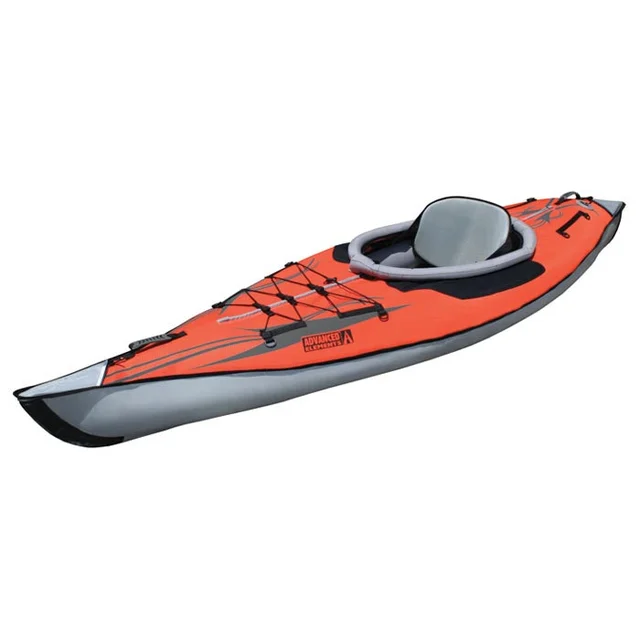 Inflatable Kayaks After reading this, you'll be able to look at any inflatable kayak listing and know whether it's a genuine boat or a glorified pool float - before you spend a dime.
 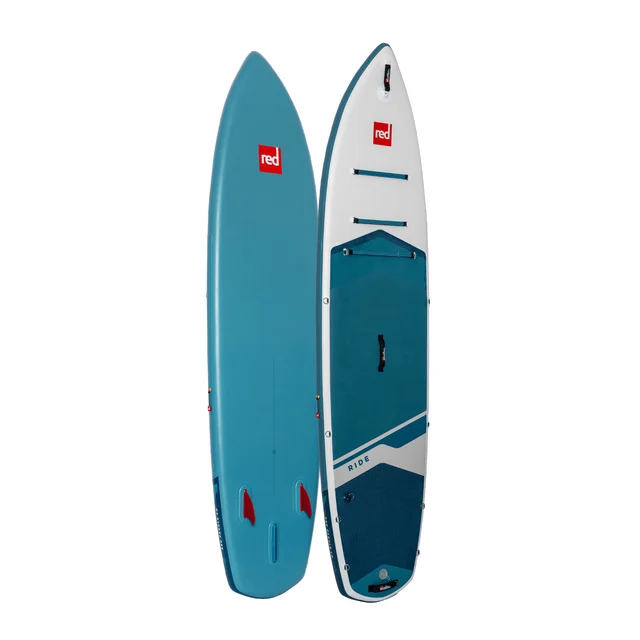 Inflatable Paddle Boards After reading, you'll be able to read any inflatable SUP listing and know exactly which numbers matter for the kind of paddling you'll actually do.
 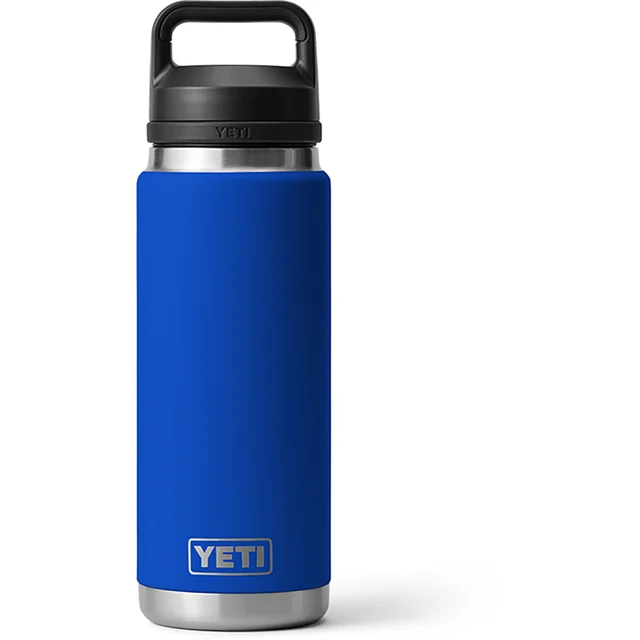 Insulated Water Bottles After reading, you will know which specs actually matter in an insulated bottle and which are marketing noise.
  Jump Ropes After reading, you'll know which type of jump rope fits your goal and how to read a listing without being fooled by marketing.
  Life Jackets (PFDs) After reading, you'll understand PFD types, what 'USCG-approved' really means, and how to pick a life jacket that fits your activity, your body, and stays on.
  Metal Detectors After reading, you'll be able to match a detector's frequency tech, coil, and waterproofing to where you plan to hunt, and read a spec sheet without being fooled by marketing.