Explained
Insulated Water Bottles, Explained
After reading, you will know which specs actually matter in an insulated bottle and which are marketing noise.
In this guide
An insulated water bottle looks simple, but the marketing hides where the real differences live. Nearly every stainless bottle sold today uses the same core technology to keep drinks cold, so buyers who fixate on 'hours of cold' often overlook the things that decide daily happiness: the lid, the leak behavior, and how hard the bottle is to clean. This guide decodes the jargon so you can shop by what matters to you.
The 30-second version
- Insulation is mostly solved. Almost every quality bottle uses double-wall vacuum insulation, so cold-retention differences between good models are small; do not overpay for that number alone.
- The lid is the real product. Straw, chug, and spout lids drink differently, leak differently, and clean differently, so match the lid to your habit before you pick a brand.
- Test the leak claim on its side. A bottle that only seals upright will eventually soak your bag, so look for models proven leakproof when tipped or laid down.
- Hidden seals cause odor and mold. Small gaskets and O-rings under the lid trap moisture; fewer crevices and removable seals make a bottle far easier to keep fresh.
- Not every bottle takes hot drinks. Many straw-lid and cold-focused bottles are not rated for coffee or tea, so confirm hot-drink support before you fill one.
The products this guide is about
Our verdict on each, with the full reasoning on the companion review.
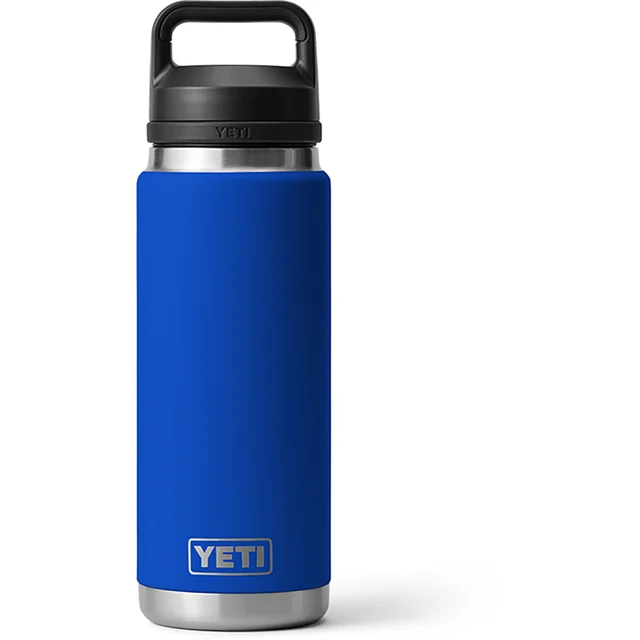
- Buy YETI Rambler 26 oz Bottle with Chug Cap The bottle that shrugs off drops, keeps drinks hot or cold for hours, and refuses to leak. Amazon
- Buy Owala FreeSip 24 oz The easy everyday pick: a clever two-in-one spout, a locking lid, and a fair price. Amazon
- It depends Takeya Actives 24 oz with Spout Lid A genuinely good bottle for less money, if you commit to cleaning the lid properly. Amazon
- Skip Stanley Quencher H2.0 FlowState 40 oz An icon of a tumbler that still tips over into your bag the moment it leaves the cup holder. Amazon
What actually matters
- Lid and drinking style - straw, chug, or spout - because it shapes every sip and is the part you clean most; pick the one that fits how you actually drink.
- Leak resistance on its side matters more than upright sealing, since bottles ride in bags and cup holders where a poor seal ruins laptops and lunches.
- Hot-drink capability determines whether one bottle can cover both coffee and ice water, or whether you are buying a cold-only vessel.
- Ease of cleaning, especially removable gaskets, decides whether the bottle stays odor-free or turns funky after a few weeks.
- Durability over years of drops separates bottles that keep their finish and insulation from ones that dent, peel, or lose their vacuum seal.
- Capacity, weight, and cup-holder fit balance how much you carry against how heavy and awkward the bottle becomes when full.
- Material and finish affect grip, taste neutrality, and how well the exterior survives daily handling.
The specs, in plain English
Green flags vs red flags
Green flags
- The maker states it is leakproof when laid on its side, not just when standing up.
- Lid seals and gaskets are designed to pop out for cleaning without tools.
- The bottle is explicitly rated for both hot and cold if you want that flexibility.
- A wide mouth accepts standard ice cubes and a bottle brush.
- Owner reports describe the finish surviving years of drops without peeling.
- The lid type genuinely matches how you drink day to day.
Red flags
- Marketing shouts about record cold-retention hours but says nothing about leak behavior.
- The lid has many tiny crevices or fixed seals you cannot remove to clean.
- No clear guidance on whether hot drinks are safe.
- Reviews repeatedly mention trapped odor, mold, or lingering flavors.
- A narrow mouth that will not fit ice or a cleaning brush.
- A tumbler-style open top marketed as a travel bottle despite failing side-tip leak tests.
Who's who: the brands
- YETI - Premium, rugged bottles known for top-tier retention, leakproof caps, and finishes that survive years of abuse.
- Owala - Popular everyday bottles built around the versatile FreeSip two-in-one spout and a locking lid at a fair price.
- Takeya - Value-focused stainless bottles that deliver near-flagship cold performance and removable protective bumpers for less money.
- Stanley - Widely recognized for the Quencher tumbler; strong lifestyle appeal but better suited to cup holders than bags.
- Hydro Flask - A mainstream favorite offering a broad range of sizes and interchangeable lids with solid all-around insulation.
How to read a listing without getting fooled
When you read a product listing, start by confirming the basics almost every good bottle shares: double-wall vacuum insulation and food-grade 18/8 stainless steel. Treat the headline cold-retention hours as a rough guide rather than a deciding factor, because quality bottles cluster closely and testing conditions vary. Next, find the lid description and picture yourself drinking from it every day, then look specifically for the word 'leakproof' and whether it applies on the bottle's side or only upright. Scan the care instructions to learn which parts come apart and whether hot liquids are allowed. Finally, weigh the capacity against how heavy the bottle gets when full and whether it fits your cup holder. A spec sheet that brags about insulation while staying vague about leaks, seals, and cleaning is steering you away from the questions that matter.
How much should you spend?
Spending more rarely buys colder water, since the underlying insulation is similar across the field; what your money actually buys is a better lid, a tougher finish, more reliable leak sealing, and longer life. Budget models often match premium ones on raw cold retention, so they are a smart choice if you are willing to keep the lid seals clean and can live with a plainer finish. The value sweet spot sits with mid-range bottles that add a well-designed, locking lid and a durable coating without the premium-brand markup. Stepping up to the priciest tier makes sense only if you want a single do-everything bottle that handles hot and cold, resists leaks in a bag, and survives years of drops. Paying extra purely for a bigger cold-retention number on the label is where buyers most often overspend.
Questions, answered
Do pricier insulated bottles really keep drinks colder?
Not by much. Because nearly all of them use double-wall vacuum insulation, the best performers stay close together, and budget models can rival premium ones on cold retention. Higher prices mostly buy a better lid, stronger leak resistance, a tougher finish, and longer durability rather than dramatically colder water.
Which lid should I choose: straw, chug, or spout?
Match it to how you drink. A straw or two-in-one spout is best for hands-free sipping at a desk or in the car. A chug or wide spout gives faster flow for workouts and is usually the easiest to clean. Rotating multi-mode lids are convenient but add moving parts and sealing surfaces to maintain.
Can I put hot coffee or tea in any insulated bottle?
Only in ones rated for it. Some bottles are designed for both hot and cold, while many straw-lid and cold-focused bottles are explicitly not recommended for hot liquids because pressure can build or the lid is not made for heat. Always check the manufacturer's guidance before adding a hot drink.
Why do insulated bottles develop mold or odor, and how do I prevent it?
Moisture gets trapped in the small silicone gaskets and O-rings under the lid, which many owners never remove. Take the seals out regularly, wash them and the lid separately, and let everything air-dry fully before reassembling. Bottles with fewer lid crevices, such as a simple chug cap, stay fresh most easily.
Are insulated bottles dishwasher safe?
It varies by model. Lids and, in many cases, bodies are often labeled top-rack dishwasher safe, but many owners hand-wash the powder-coated exterior to protect the finish while running lids and straws through the dishwasher. Always confirm the specific model's care instructions.
What size should I buy?
For daily carry, a 24 to 26 ounce bottle is the common sweet spot: enough capacity to matter without becoming heavy or awkward. Larger sizes hold more but get noticeably heavier when full, and very large tumblers can be bulky and harder to fit in a bag.
Or jump to the head-to-head: YETI Rambler 26 oz Bottle with Chug Cap vs Owala FreeSip 24 oz.