Explained
Multi-Tools, Explained
After reading this, you will know why a handful of well-made tools beats twenty flimsy ones, and how to read a multi-tool listing without getting fooled by the number on the box.
In this guide
A multi-tool looks like a numbers game: one box says 12-in-1, the next says 20-in-1, and it is tempting to just buy the bigger figure. That is exactly the trap. The tools worth carrying for decades pair a few genuinely useful implements with a proper pliers head, one-hand blades, locking, and a warranty that outlives the receipt, while a cheap 20-in-1 loads up on gimmicks that flex the first time you lean on them. This guide translates the spec sheet into plain language so you can match a tool to how you actually use it, whether that is everyday carry, home repairs, or camping.
The 30-second version
- Tool count is a marketing trap, because a solid tool with seven implements you trust beats a cheap one with twenty that flex, so buy on the handful you will really use.
- One-hand, outside-accessible blades change how the tool feels, letting you cut or open something without unfolding the pliers or needing your second hand free.
- Locking tools are a safety feature, not a luxury, since a blade or driver that locks open will not fold onto your fingers the moment you put real force behind it.
- A known steel and replaceable wear parts decide how it ages, so a proven stainless like 420HC plus swappable wire cutters and bits let a good tool outlast years of use instead of loosening and dulling.
- A strong, long warranty signals the maker's own confidence, and it is often the clearest tell that a tool is built to last rather than built to a price.
The products this guide is about
Our verdict on each, with the full reasoning on the companion review.
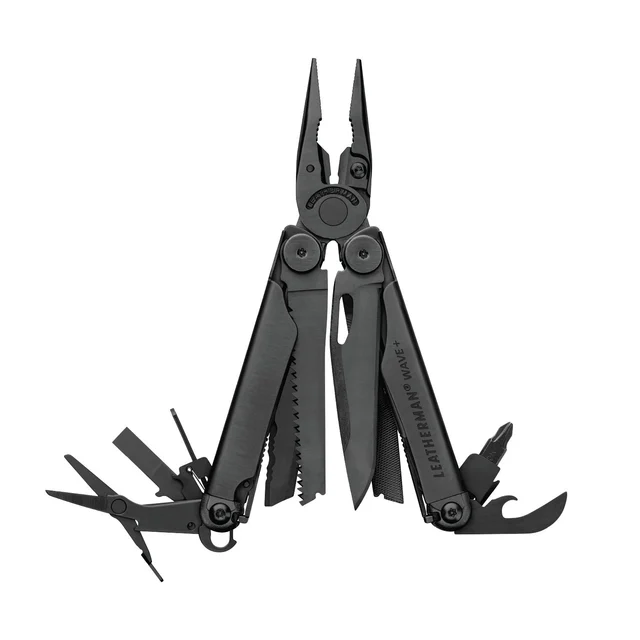
- Buy Leatherman Wave+ The do-everything benchmark: the right mix of genuinely useful tools, outside one-hand blades, and a 25-year US-backed warranty.
- Buy Leatherman Skeletool Proof that a handful of the right tools beats a drawer of gimmicks: about 5 oz, a locking one-hand blade, and the same 25-year warranty.
- It depends Gerber Suspension-NXT A likable budget tool with spring-loaded pliers and outside tools, a fair pick if price is the hard limit but built to that price.
- Skip Gerber Dime A charming keychain multi-tool, but too small and light-duty to be the tool you actually rely on.
What actually matters
- The tools you will actually use - pliers and wire cutters, a good locking blade, one or two screwdrivers or a bit driver, and often scissors. This handful covers almost every real task, and everything past it is usually padding to inflate the tool count.
- Pliers type and quality - needlenose pliers reach into tight spots while blunt-nose grip flat stock better, and spring-loaded jaws that open themselves save your hand on repetitive work. The pliers are the heart of the tool, so they should feel tight, not sloppy.
- Outside access and one-hand opening - whether the blade and key tools sit on the outside and open with one hand, so you are not unfolding the whole tool just to make a cut. This is the difference you feel most, day to day.
- Locking - whether tools lock open under load. Full locking on the blade and drivers is far safer than a friction or slip-joint tool that can fold shut when you push on it.
- Steel and build quality - a known stainless such as 420HC that holds an edge and resists play, in a frame that stays tight over time, versus soft, unspecified steel that dulls fast and develops wobble.
- Size, weight, and carry - a full-size or slim tool has the leverage for real work and rides in a pocket clip or sheath, while a keychain tool is a backup, not a primary. Every extra tool adds weight you carry all day.
- Warranty and origin - a long, honored warranty and solid construction separate a buy-it-for-life tool from a cheap one you replace, and they say more about durability than any spec on the box.
The specs, in plain English
Green flags vs red flags
Green flags
- A modest set of genuinely useful tools, chosen over a high total count
- Outside-accessible blades that open with one hand
- Full locking on the blade and drivers, so tools stay put under load
- A named steel such as 420HC and pliers that feel tight with no play
- Replaceable wire cutters and a removable-bit driver so wear parts can be renewed
- A long, clearly stated warranty and honest weight and origin details
Red flags
- A no-name gas-station tool boasting 20-in-1 or more with unspecified 'stainless' steel
- Most tools that do not lock, or a slip-joint blade on something you will use for real work
- Pliers or blade that already have visible wobble or play out of the package
- A big tool-count headline with nothing said about steel, locking, or warranty
- A tiny keychain tool being sold as your do-everything primary tool
- A vague or short warranty, or one from a brand with no track record of honoring it
Who's who: the brands
- Leatherman - The category benchmark, known for US-made pliers-based tools with locking, one-hand outside blades, replaceable wear parts, and a long warranty.
- Gerber - A broad range from likable budget tools with spring-loaded pliers to keychain models; handy for the money, but often built to a price.
- Victorinox - The Swiss Army maker, strongest on knife-forward pocket tools with scissors and screwdrivers, less on heavy-duty pliers work.
- SOG - Best known for compound-leverage pliers designed to multiply your gripping and cutting force, with a more tactical styling.
How to read a listing without getting fooled
Start by ignoring the biggest number on the box. A 20-in-1 count usually pads the total with duplicate or novelty tools, so mentally cross out anything you would never reach for and judge what is left: the pliers and wire cutters, a blade, a screwdriver or bit driver, and maybe scissors. Next, look at how you get to those tools, since a listing that mentions outside-accessible, one-hand blades is telling you it will be fast to use, while one that stays silent probably makes you unfold the pliers to cut. Read the word 'locking' carefully; full locking on the tools is a safety feature, and a spec sheet that dodges the question is often a slip-joint design. Check for a named steel such as 420HC rather than plain 'stainless,' and look for replaceable cutters and removable bits as a sign the tool is built to be maintained. Finally, weigh the warranty and where it is made, because a maker that backs a tool for decades is telling you something the tool count never will, and lean on owner reports of play, dulling, and loose pliers to confirm it.
How much should you spend?
Spending more on a multi-tool mostly buys you better steel, tighter pliers, full locking, replaceable wear parts, and a warranty that stands behind all of it, rather than simply more tools. The value sweet spot sits at a mid-range, do-the-essentials tool from a maker with a real warranty: you get a locking one-hand blade, solid pliers, and a build that ages well without paying for scissors and saws you may never use. Going cheaper is usually a false economy, because a no-name bargain tool with soft steel and tools that do not lock is the kind you replace every couple of years, and that costs more over time than buying once. Paying up to the top of the range makes sense when you genuinely want the do-everything spread, scissors, saw, files, and multiple blades, or the lightest possible everyday carry; for most people, a well-built tool with the handful of implements they actually use is the smarter buy, and the number on the box is not what you are paying for.
Questions, answered
How many tools do I actually need in a multi-tool?
Fewer than the marketing suggests. Most owners reach for the pliers and wire cutters, a good knife, one or two screwdrivers, and sometimes scissors. A well-built tool with seven to eighteen useful implements beats a cheap one with twenty flimsy ones you will never trust, so buy on the handful you will really use, not the total count.
Why do one-hand opening and outside-accessible tools matter?
On many tools you have to unfold the pliers to reach the blade, which is slow and needs two hands. Outside-accessible, one-hand blades let you cut or open something while your other hand is busy holding the work, and that convenience is the difference you feel most day to day.
What does locking do, and is it worth caring about?
A locking tool clicks open and stays put until you release it, so a blade or driver will not fold onto your fingers when you push hard. A friction or slip-joint tool is held only by tension and can collapse under load. For anything beyond the lightest tasks, full locking is a real safety feature worth prioritizing.
What does blade steel like 420HC mean for me?
420HC is a proven stainless that balances edge retention, toughness, and easy sharpening, which is why quality multi-tools use it. Cheaper tools often use softer, unspecified stainless that dulls faster and can loosen in the pliers. You do not need an exotic super-steel, but you do want a named, known one rather than vague 'stainless.'
Are the cheap 20-in-1 multi-tools worth it?
Rarely, as your main tool. A no-name tool with a high count usually pads the number with novelty implements, uses soft steel, and skips locking, so the tools flex and the pliers develop play. It can work as an occasional or glovebox tool, but for something you rely on when things break, a solid tool with fewer, better implements is the safer buy.
Full-size or keychain multi-tool, which should I get?
If it is your main tool, go full-size or slim, which have the leverage and locking for real work and ride in a pocket clip or sheath. Keychain tools are convenient backups, but their small pliers and short blades flex under load, so do not rely on one as your only tool.
Or jump to the head-to-head: Leatherman Wave+ vs Leatherman Skeletool.