Explained
Neck Gaiters, Explained
After reading, you'll understand how fibre, layers, weight and length decide whether a neck gaiter keeps you warm.
In this guide
Neck gaiters look alike, but a summer sun tube and a winter gaiter are very different products. The fibre, the number of layers and the length decide warmth and comfort. Many listings do not say what the gaiter is designed for. Here is what to look for.
The 30-second version
- Two layers are warmer, and single tubes are for activity or sun.
- Merino handles breath, staying warm when damp.
- Fleece is soft and dries fast, but can feel clammy.
- Length decides face coverage, so longer is better for wind.
- Sun gaiters are not winter gaiters, even if they look the same.
The products this guide is about
Our verdict on each, with the full reasoning on the companion review.
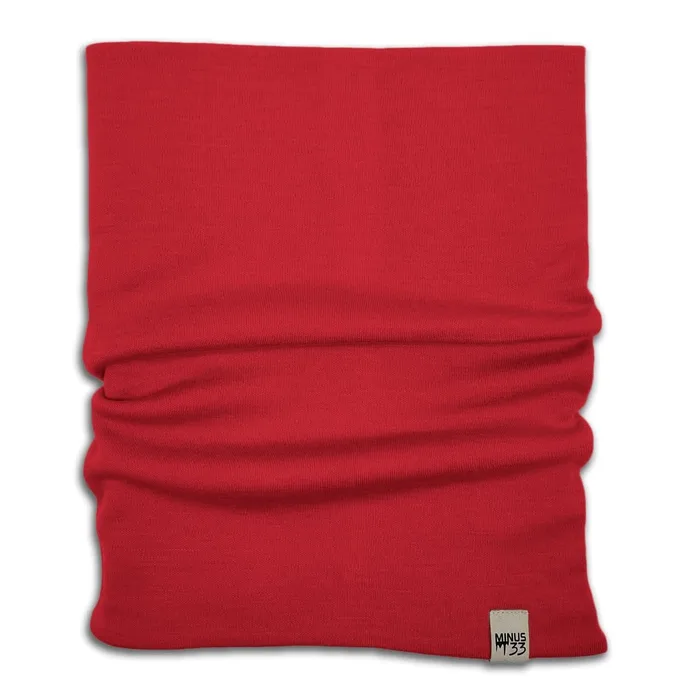
- Buy Minus33 Midweight Wool Neck Gaiter Two layers of fine merino with published fibre, knit weight and temperature ranges.
- Buy Turtle Fur Double-Layer Neck Warmer Two layers of soft recycled fleece in a light, simple neck warmer.
- It depends Smartwool Merino Neck Gaiter A thin merino jersey gaiter for running, skiing and layering, not for standing still.
- Skip Buff Original EcoStretch A single-layer recycled polyester tube built for sun and sweat, not winter warmth.
What actually matters
- Fibre - merino, fleece or synthetic jersey. Each handles moisture differently.
- Layers - single or double. Double layers are much warmer.
- Weight - g/m² or ounces. Heavier usually means warmer.
- Length - long enough to reach over your nose. Short neck warmers cover less.
- Fit - one size is common. A snug fit seals out cold air.
- Care - wool and fleece have different washing rules. Check the label.
- Use - winter warmth, active layering or sun protection. Pick for the job.
The specs, in plain English
Green flags vs red flags
Green flags
- Fibre percentages and a fabric weight.
- Double-layer construction for winter.
- A published length.
- Clear care instructions.
- A guarantee or free returns.
Red flags
- Winter claims on a single thin tube.
- No fibre content.
- No care instructions.
- No size or length information.
- Sun protection sold as warmth.
Who's who: the brands
- Minus33 - A merino wool clothing brand known for publishing detailed fabric specs.
- Turtle Fur - A headwear brand known for fleece neck warmers and hats.
- Smartwool - A merino wool brand known for socks, base layers and thin performance gaiters.
- Buff - A Spanish brand known for its multifunctional tubular neckwear.
How to read a listing without getting fooled
Start with the fibre content and the number of layers. Then look for a fabric weight, the length and how it is sized. Check the care instructions and what the brand says it is designed for. Finally, look for a guarantee or returns policy.
How much should you spend?
Budget gaiters include thin synthetic tubes and fleece neck warmers, fine for short trips or sun. Mid-range gaiters use merino or double-layer fleece with clear specs. Premium gaiters add heavier merino, windproof panels or shaped designs for serious cold.
Questions, answered
Neck gaiter or scarf?
A gaiter stays in place, fits under a jacket collar and pulls up over the face without unwinding. A scarf is more adjustable and stylish. For activity and wind, a gaiter is more practical.
Can I wear a neck gaiter as a hat?
Thin, stretchy tubes can be tied or twisted into a cap. Double-layer winter gaiters are usually too thick. Check how the brand says it can be worn.
Do neck gaiters help with wind?
Yes, especially pulled up over the face. Thicker, denser fabrics block more wind. Merino and fleece both cut windchill noticeably.
How often should I wash a neck gaiter?
Every few wears, or sooner if you breathe through it a lot. Merino resists odour, so it can go longer. Follow the brand's care label.
Or jump to the head-to-head: Minus33 Midweight Wool Neck Gaiter vs Turtle Fur Double-Layer Neck Warmer.