

Explained
Metal Detectors, Explained
After reading, you'll be able to match a detector's frequency tech, coil, and waterproofing to where you plan to hunt, and read a spec sheet without being fooled by marketing.
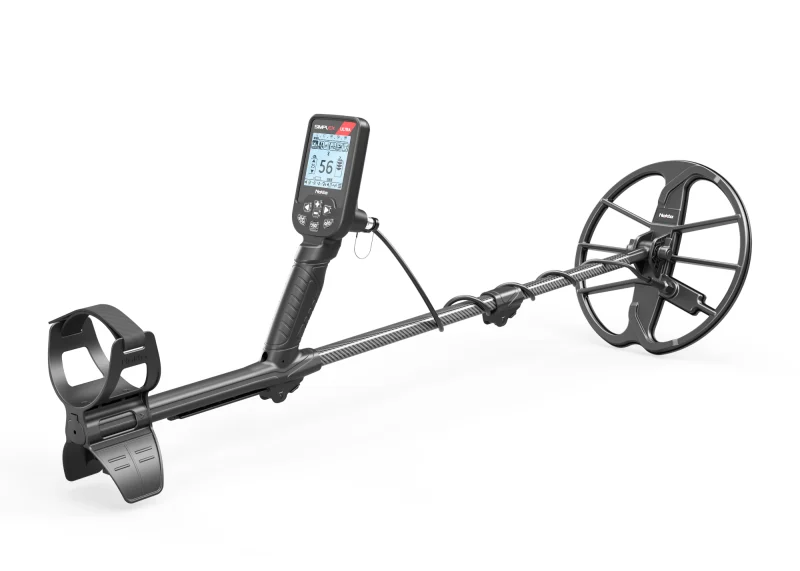
In this guide
A metal detector is really just a coil that sends a signal into the ground and listens for how metal answers back, and almost every spec on the box is describing how it does that listening. Newcomers get tripped up because the same machine can be brilliant on a saltwater beach and hopeless in an iron-filled park, and the reason is buried in jargon like 'multi-frequency,' 'ground balance,' and 'DD coil.' This guide translates those terms so you can pick a detector for your dirt, not for its longest feature list.
The 30-second version
- Match the frequency tech to your ground. single-frequency VLF is fine for parks and general coin hunting, simultaneous multi-frequency shines on saltwater beaches and mineralized soil, and pulse induction is for deep targets, gold prospecting, and heavily mineralized dirt where other machines get chatty.
- Decide how wet you'll get before anything else. a waterproof coil lets you hunt damp sand and puddles, but only a fully submersible detector can be dunked and used in shallow water, and mixing those two up is the most common expensive mistake.
- Target ID and discrimination save your back. a numeric target ID plus notch discrimination lets you skip nails, foil, and bottle caps instead of digging every beep, which is the difference between a fun afternoon and an aching one.
- Lighter machines get used more. weight and balance matter more than beginners expect, because a detector that feels fine in the driveway becomes an anchor after two hours of swinging.
- Buy the machine, then grow into the coils. most detectors accept different coils, so a sensible mid-size stock coil plus the option to add a small or large one later beats overpaying for a bundle you don't understand yet.
What actually matters
- Frequency technology (single VLF vs multi-frequency vs pulse induction) decides what a machine is good at more than any other spec, because it governs which targets stand out and how the detector copes with salt and mineralization.
- Operating frequency shapes what you find: lower frequencies favor larger, deeper, higher-conductivity targets like silver coins, while higher frequencies are more sensitive to small, low-conductivity targets like thin gold and tiny jewelry.
- Discrimination and target ID let you tell trash from treasure before you dig, turning a wall of beeps into a readable stream of information about what's under the coil.
- Ground balance determines how well the detector ignores naturally mineralized soil, which is what separates a clear signal from constant false chatter on tough ground.
- Waterproofing must match your intended hunting: a rain-resistant control box with a submersible coil is very different from a unit rated to be fully submerged.
- Coil size and shape affect depth, coverage, sensitivity to small targets, and how well the machine separates finds in trashy, target-dense sites.
- Weight, balance, and ergonomics decide how long you can comfortably hunt, which directly affects how much you actually find over a season.
The specs, in plain English
Green flags vs red flags
Green flags
- The frequency tech clearly fits your plan: multi-frequency if you'll hit salt beaches or mineralized soil, a sensible single-frequency VLF if you're a park-and-field coin hunter on a budget.
- A clear, honest waterproof rating: either 'coil submersible, control box rain-resistant' or a whole-unit rating with a stated depth, described plainly rather than with vague 'weatherproof' language.
- A numeric target ID plus adjustable discrimination and notch, so you can decide what to dig instead of chasing every tone.
- Both automatic and, ideally, manual ground balance if you'll hunt tough or mineralized ground.
- A comfortable, well-balanced feel with a modern DD coil in a practical mid-size, and a rechargeable battery plus wireless-audio option.
- An established brand with available accessory coils, replacement parts, and a real warranty, so the machine can grow with you.
Red flags
- Marketing that leans on huge 'maximum depth' claims measured on big objects in ideal conditions, which rarely reflect coin-size targets in real dirt.
- 'Waterproof' used loosely with no clear statement of whether the whole unit or just the coil can be submerged.
- A single-frequency machine sold as a great all-rounder for saltwater beaches, where it will likely be noisy and unstable.
- No numeric target ID or only a swinging needle meter, on anything but the cheapest starter or a toy for a child.
- No ground balance control at all, or preset-only balancing, if you know your local soil is mineralized or trashy.
- A heavy, nose-heavy design or a mystery brand with no accessory coils, replacement parts, or support behind it.
Who's who: the brands
- Minelab - Australian maker known for advanced simultaneous multi-frequency technology across beginner-friendly and high-end prospecting machines.
- Nokta - Fast-moving brand that packs multi-frequency, fully submersible bodies, and deep feature sets into approachable price tiers.
- Garrett - Long-established US brand with a broad, accessible lineup and strong dealer and accessory support, popular with land-focused hobbyists.
- XP - French maker known for lightweight, wireless-first detectors and multi-frequency machines favored by experienced coin and relic hunters.
- Fisher - One of the oldest names in detecting, offering dependable single-frequency and multi-frequency models across many budgets.
- Bounty Hunter - Value-focused brand best known for simple, rugged single-frequency starters at the budget end of the market.
How to read a listing without getting fooled
Start with the frequency section, because it tells you what the machine is really for: 'single frequency' with a kHz number is a VLF; 'simultaneous multi-frequency' (sometimes given a brand name) is the versatile all-rounder; 'pulse induction' is a specialist deep or gold and beach tool. Next, separate the two waterproofing claims that listings love to blur: a submersible coil is not a submersible detector, so look for a whole-unit rating with a stated depth if you plan to wade. Treat headline 'maximum depth' figures with suspicion, since they're usually measured on large targets in perfect soil, not on a dime in mineralized ground; real-world depth on coin-size objects is far shorter and depends heavily on your dirt. Confirm there's a numeric target ID and adjustable discrimination, check whether ground balance is automatic, manual, or both, and note the coil shape and size (a mid-size DD is the sensible default). Finally, glance at weight and whether the coil is swappable, because a lighter machine you can re-coil later beats a heavy one locked into a single configuration.
How much should you spend?
The single biggest thing to understand is that the feature that used to justify a premium, simultaneous multi-frequency, has trickled down into the affordable-to-mid tier, so you no longer have to spend big to get genuinely capable technology. Entry-level machines are single-frequency VLFs that will happily teach you the hobby in a park, but they get frustrating on salt beaches and mineralized ground. The value sweet spot for most new hobbyists is the mid tier, where you get multi-frequency finding power, a numeric target ID, real discrimination, and often a submersible or fully waterproof body, which is enough machine to keep rewarding you for years. Paying more buys refinements that matter to serious or specialized hunters, including deeper detection, advanced ground handling, gold-specific sensitivity, and lighter premium builds, but those gains are incremental rather than transformative for a beginner. Watch the accessories, too, since wireless headphones and extra coils can quietly push a 'cheap' machine into a higher bracket, so compare the complete package you'll actually carry rather than the base sticker.
Questions, answered
Do I really need multi-frequency, or is a single-frequency detector fine?
Both can find treasure, and plenty of hobbyists learn happily on a single-frequency VLF in parks and fields. But simultaneous multi-frequency now costs only a little more and handles saltwater beaches and mineralized soil far more calmly, finding a wider range of targets in one pass. If your budget stretches to it, or you'll hunt near salt water, multi-frequency is the upgrade most beginners feel the most.
What's the difference between a waterproof coil and a submersible detector?
It's not all-or-nothing. Many detectors have a coil you can dunk while the control box is only rain-resistant, which is fine for wet sand and puddles but will be ruined if you submerge it. A fully submersible detector is rated as a whole unit, usually with an IP rating and a depth, so you can wade and hunt in shallow water. If you dream of getting in the water, buy for the whole-unit rating, not just the coil.
Will a bigger coil always find deeper targets?
Not reliably. Larger coils cover more ground per sweep and can reach a bit deeper on big targets, but they lose sensitivity to small objects and get overwhelmed in trashy, target-dense sites. Smaller coils separate nearby finds better and pinpoint more precisely. A mid-size DD coil is the sensible default, and because most machines accept other coils, you can add a small or large one later once you know your sites.
What does ground balance do, and do I need the manual kind?
Ground balance tunes the detector to ignore the signal from naturally mineralized soil so real targets stand out instead of drowning in false chatter. Automatic balancing handles most ordinary ground on its own. Manual ground balance is worth having if you hunt iron-rich, highly mineralized, or difficult sites, because it lets you fine-tune the machine until it settles down where auto alone can't.
Is a pinpointer worth buying alongside the detector?
For most people, yes. A pinpointer is a small handheld probe that finds the exact spot of a target once you've dug the hole, so instead of sifting a pile of dirt you get a quick beep pointing right at the coin. It dramatically cuts recovery time and reduces the chance of losing a small find in the soil, which is why many hobbyists consider it the first accessory to add.
Should I worry about digging up something dangerous or off-limits?
It's worth a moment's thought. Always get permission before detecting on private land, and check local rules, since parks, beaches, historic sites, and protected areas often have restrictions or require permits. If you ever uncover something that looks like ordnance, old ammunition, or a suspicious device, don't handle it; stop and contact the authorities. This is general guidance, not legal advice, so confirm the rules for your specific location.
Related guides
 Mountain Bikes After reading this you will understand the handful of parts that decide whether a mountain bike is genuinely trail-ready, and how to read a spec sheet without being fooled.
  Pickleball Paddles After reading this, you'll be able to look at any paddle listing and know whether it's built for power, control, or forgiveness - and which of those your game actually needs.
  Pull-Up Bars After reading, you'll know which type of pull-up bar fits your home, your budget, and your training, and what the spec-sheet jargon really means.
 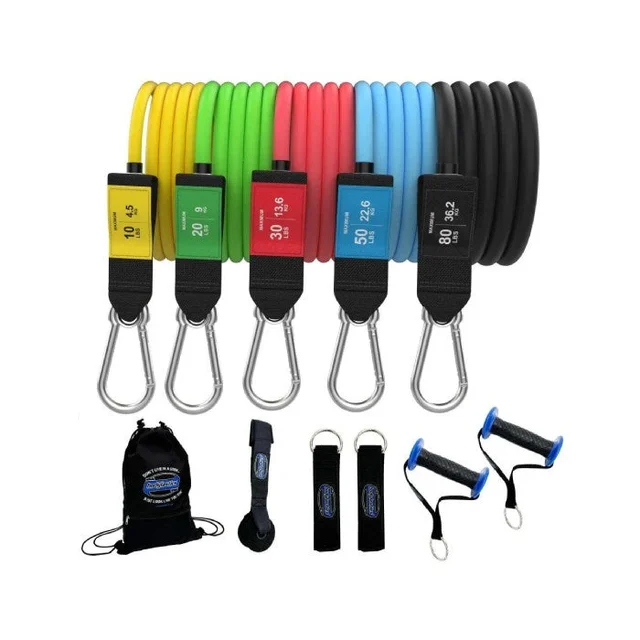 Resistance Bands After reading, you'll know which band type fits your goals, how to read a resistance rating, and what separates a set that lasts from one that snaps in a month.
 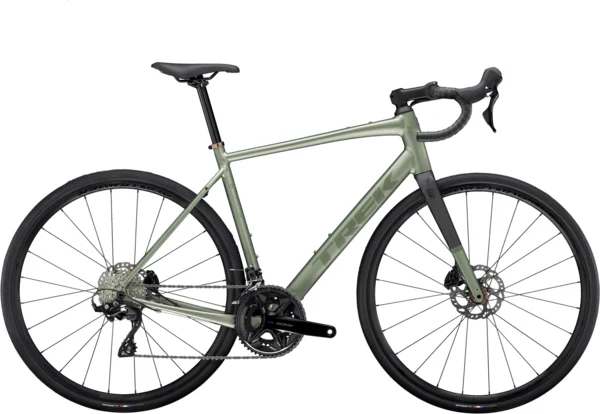 Road Bikes After reading this you'll be able to read a road bike spec sheet, tell a modern build from a dated one, and know which features actually matter for the riding you'll do.
  Robot Lawn Mowers After reading this, you'll be able to read any robot-mower listing and know whether it can navigate, climb, and cover your specific yard - or whether it will wander, stall, and leave you finishing by hand.