

Outdoors & Fitness
The Best Metal Detectors for Hobbyists: 4 Compared (and One to Skip)
We compared four current beginner-to-enthusiast metal detectors on frequency tech, waterproofing, target ID, weight, and real ground performance.
The short version
Simultaneous multi-frequency has trickled down to affordable detectors, and that reshapes this category. The Nokta Simplex Ultra is our top pick for its rare fully submersible design, multi-frequency plus single-frequency modes, and deep-but-usable feature set. The Minelab Vanquish 540 is the friendliest multi-frequency machine and a beach-and-park standout, with the caveat that only its coil is waterproof. The Garrett ACE Apex is a capable, flexible land detector whose value swings on which package you buy. The analog Bounty Hunter Tracker IV still works but has been outclassed by multi-frequency rivals at similar money. Best for: hobbyists who want a modern, multi-frequency detector that will still satisfy them a year in.
The verdict in 30 seconds
What mattered most
- Frequency tech
- Waterproofing
- Target ID / discrimination
- Ground balance
- Coil (stock)
- Weight
Metal detecting has quietly modernized: simultaneous multi-frequency, once a flagship-only feature, now shows up on machines a newcomer can actually afford. That changes the buying math. We looked at four current 2026 detectors spanning a true budget starter to a versatile enthusiast machine. Two are easy recommendations, one is a genuine it-depends, and one older favorite has been left behind by the tech and earns a skip.
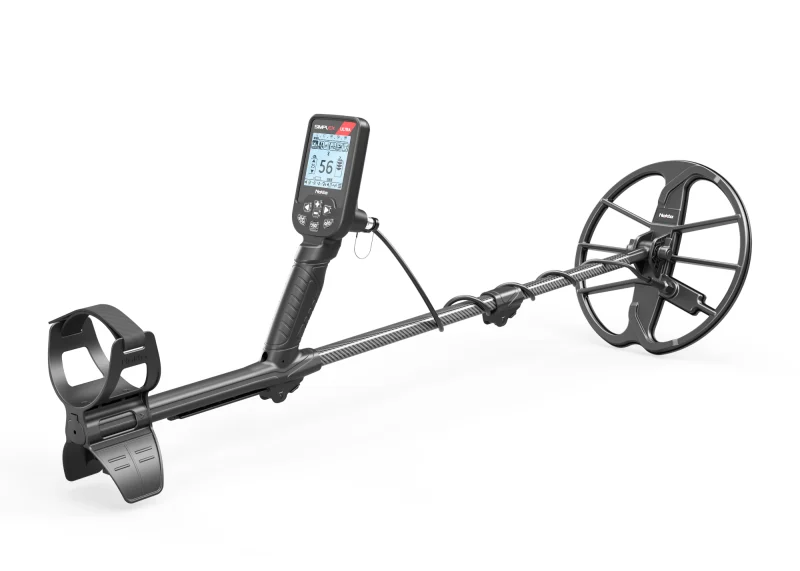
A fully submersible, simultaneous-multi-frequency detector with a grown-up feature set at a beginner-friendly tier.
Best for: Beginners who want one detector that also handles wet sand, shallow water and years of growth.
- Simultaneous multi-frequency plus selectable single frequencies (4/8/14/20/24 kHz) covers coins, relics and beach
- Whole detector is submersible (IP68, rated to 5 m / 16 ft), not just the coil
- 0-99 numeric target ID, notch discrimination, 30 sensitivity levels and both auto and manual ground balance
- Light at about 2.6 lb with an 11-inch DD coil, plus Bluetooth wireless audio and a built-in flashlight
- The deep menu and mode list is more than a total first-timer needs on day one
- Stock 11-inch coil is a bit large for tight, trashy sites (smaller coils sold separately)
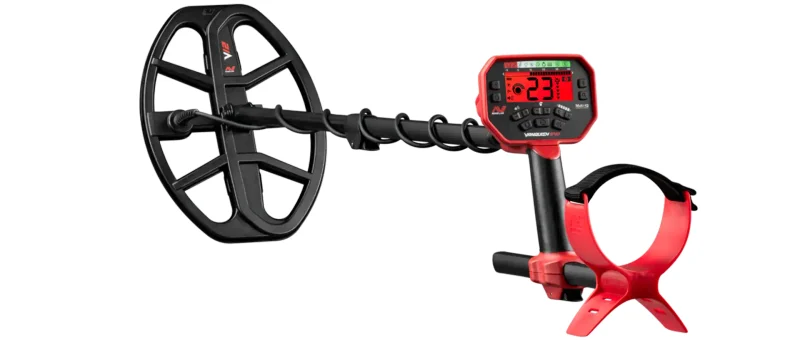
Turn-on-and-go Multi-IQ multi-frequency that finds more in mixed soil and on the beach with almost no fuss.
Best for: Park, field and beach hunters who want multi-frequency performance without a learning curve.
- Multi-IQ simultaneous multi-frequency is genuinely strong on saltwater beaches and mineralized ground
- Simple, uncluttered interface with 4 modes, 25 discrimination segments and numeric target ID (-9 to 40)
- Large 12x9-inch V12 DD coil covers ground quickly and hits deeper on coins
- Bluetooth wireless audio and a bright backlit screen for low light
- Only the coil is waterproof (to about 1 m / 3 ft); the control box is not submersible
- No manual ground balance and fewer fine adjustments than enthusiast machines
- At roughly 2.9 lb it is the heaviest here and can feel nose-heavy over long hunts
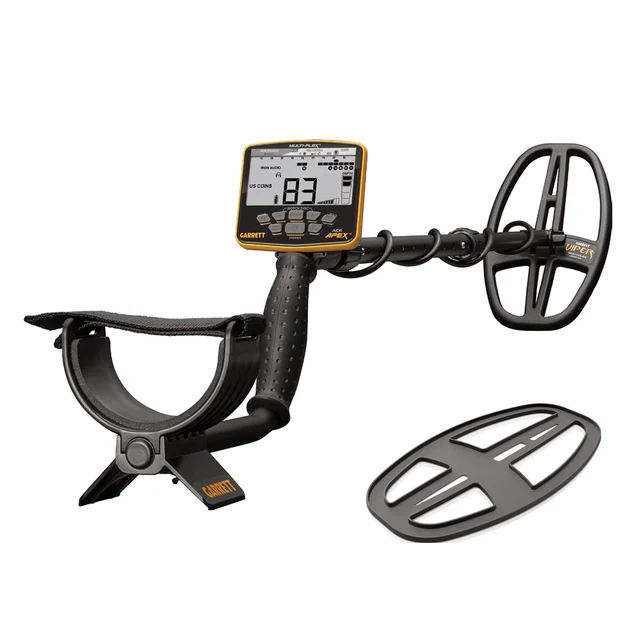
A versatile Multi-Flex machine with six frequency modes and fast wireless audio, held back by an easy-to-misjudge package.
Best for: Land-focused hobbyists who want frequency flexibility and are willing to pick the right coil/headphone package.
- Multi-Flex offers four single frequencies (5/10/15/20 kHz) plus Multi-Frequency and Multi-Salt modes
- 175-point auto ground balance, iron audio and 0-99 target ID give real control
- Light at about 2.5 lb, with Z-Lynk wireless audio that is faster than standard Bluetooth
- Submersible DD search coil handles rain and shallow-water edges
- The control housing is not submersible, so it is not a true water machine
- Value depends heavily on configuration; the wireless headphones and larger coil push the price up
- Ergonomics and stem stiffness divide owners more than the rivals here
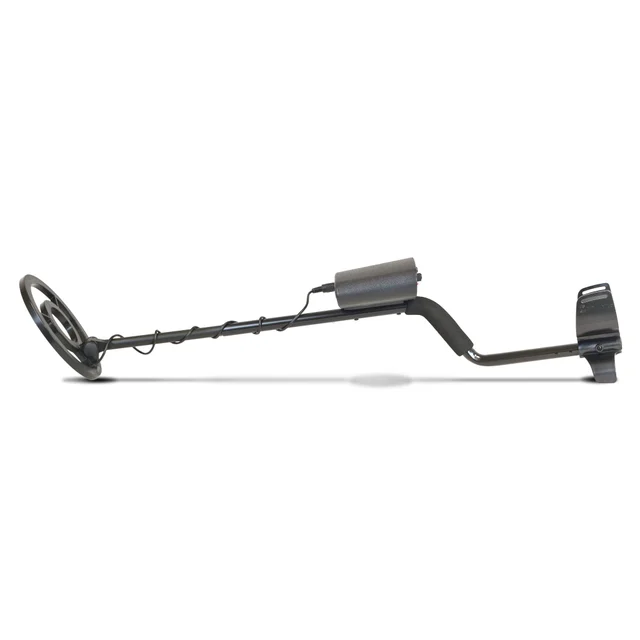
A durable analog starter that the multi-frequency machines have simply left behind.
Best for: A knockaround detector for a young child, if you specifically want analog simplicity over performance.
- Genuinely simple: three knobs, three modes and instant turn-on operation
- Rugged and inexpensive, with a submersible 8-inch coil
- Runs a long time on two 9V batteries
- Single frequency (about 6.8 kHz) with no numeric target ID, only a needle meter and tones
- Preset ground balance struggles in mineralized or trashy soil, causing false signals
- No screen, no wireless, and shallower, less precise than same-money modern options
| Criteria | Nokta Simplex Ultra Top pick | Minelab Vanquish 540 | Garrett ACE Apex | Bounty Hunter Tracker IV |
|---|---|---|---|---|
| Verdict | Buy it | Buy it | It depends | Skip it |
| Best for | Beginners who want one detector that also handles wet sand, shallow water and years of growth. | Park, field and beach hunters who want multi-frequency performance without a learning curve. | Land-focused hobbyists who want frequency flexibility and are willing to pick the right coil/headphone package. | A knockaround detector for a young child, if you specifically want analog simplicity over performance. |
| Price tier | $$ · mid-range | $$ · mid-range | $$$ · premium | $ · budget |
| Frequency tech | Simultaneous multi + single (4-24 kHz) | Multi-IQ simultaneous multi-frequency | Multi-Flex: 4 single + 2 multi modes | Single frequency (~6.8 kHz) |
| Waterproofing | Whole detector, IP68 to 5 m/16 ft | Coil only, to ~1 m/3 ft | Coil only; box not submersible | Coil only |
| Target ID / discrimination | 0-99 ID + notch disc | -9 to 40 ID + 25 disc segments | 0-99 ID + notch + iron audio | Needle meter + 2-3 tones, no numeric ID |
| Ground balance | Auto and manual | Preset (no manual) | 175-point auto (with manual) | Preset factory |
| Coil (stock) | 11-inch DD | 12x9-inch DD | 6x11-inch DD (Viper) | 8-inch concentric |
| Weight | ~2.6 lb | ~2.9 lb | ~2.5 lb | ~2.6 lb |
| Wireless audio | Bluetooth | Bluetooth | Z-Lynk (low latency) | None |
| Price tier | $$ · mid-range | $$ · mid-range | $$$ · premium | $ · budget |
Which one is right for you?
- Beginners who want one detector that also handles wet sand, shallow water and years of growth. Buy it Nokta Simplex Ultra
- Park, field and beach hunters who want multi-frequency performance without a learning curve. Buy it Minelab Vanquish 540
- Land-focused hobbyists who want frequency flexibility and are willing to pick the right coil/headphone package. It depends Garrett ACE Apex
- A knockaround detector for a young child, if you specifically want analog simplicity over performance. Skip it Bounty Hunter Tracker IV
How we judged the field
We don’t run our own test garden. Instead we synthesize independent testing, long-run owner reports, and manufacturer specifications, then weigh the tradeoffs that actually decide a hunt. For metal detectors that means operating frequency and whether the machine offers simultaneous multi-frequency, how much of the detector is genuinely waterproof, the quality of target ID and discrimination, ground-balancing ability, and the physical basics of weight and coil size. We also give real weight to how a detector behaves in trashy, mineralized ground, because that is where cheaper machines fall apart. Our aim is a lineup that spans a true budget starter to a versatile enthusiast machine, with an honest verdict on each.
Nokta Simplex Ultra — buy
The Simplex Ultra is the most detector-for-the-tier in this group. It runs simultaneous multi-frequency plus a set of selectable single frequencies (4, 8, 14, 20 and 24 kHz), so you can chase coins, relics or beach targets without switching machines. Crucially, the whole unit is submersible to 5 m (16 ft) with an IP68 rating, not just the coil, which almost nothing else at this price offers. You get a 0-99 numeric target ID, notch discrimination, 30 sensitivity levels, and both automatic and manual ground balance for tricky soil. At about 2.6 lb with an 11-inch DD coil, plus Bluetooth audio and a built-in flashlight, it is light and complete. The only real cost is complexity: the menu is deeper than an absolute beginner needs on day one, and the large stock coil is not ideal for tight, trashy sites. Neither is a dealbreaker, and both are things you grow into rather than out of.
Minelab Vanquish 540 — buy
The Vanquish 540 earns a clear buy for the right person, and its few caveats are narrow. Its Multi-IQ simultaneous multi-frequency is genuinely strong on saltwater beaches and mineralized ground, and the interface is refreshingly simple: four modes, 25 discrimination segments, a numeric target ID from -9 to 40, and Bluetooth wireless audio. The large 12x9-inch V12 coil covers ground fast and reaches deeper on coins. Where you have to be honest with yourself: only the coil is waterproof (to about 1 m / 3 ft), so the control box cannot be submerged; there is no manual ground balance; and at roughly 2.9 lb it is the heaviest here and can feel nose-heavy on long hunts. If you want turn-on-and-go multi-frequency for parks, fields and dry-to-damp beach, it’s outstanding. If you dream of wading, it isn’t the one.
Garrett ACE Apex — it depends
The ACE Apex is a capable, flexible machine, but it is the hardest to give a blanket verdict because so much rides on how you buy it. Its Multi-Flex technology gives four single frequencies (5, 10, 15 and 20 kHz) plus Multi-Frequency and Multi-Salt modes, backed by 175-point automatic ground balance, iron audio and a 0-99 target ID. It’s light at about 2.5 lb, and Z-Lynk wireless audio is quicker than standard Bluetooth. The catch is that the control housing is not submersible, so despite the waterproof coil it is not a water machine, and the price swings a lot depending on which coil and headphone package you choose. Owner opinion on the ergonomics and stem is also more divided than for the others. For a land-focused hobbyist who picks the right configuration, it’s a strong buy; bought carelessly, it can feel like paying premium money for a mid-range experience.
Bounty Hunter Tracker IV — skip
The Tracker IV is rugged, dead simple and cheap, and there’s a nostalgic appeal to three knobs and a needle. But the technology has moved on and left it behind. It’s single frequency (around 6.8 kHz) with no numeric target ID, so you’re reading a swinging needle and interpreting tones instead of seeing a number. Its preset ground balance struggles in mineralized or trashy soil, producing false signals exactly where a beginner most needs clarity. There’s no screen, no wireless, and it’s shallower and less precise than multi-frequency machines that cost only a little more. As a knockaround detector for a young child it’s fine, but for anyone serious about actually finding and identifying targets, the money is far better spent elsewhere.
Nokta Simplex Ultra vs Minelab Vanquish 540: which should you buy?
These are the two we’d steer most hobbyists toward, and the decision comes down to water and control. The Simplex Ultra is the more versatile, future-proof machine: it is fully submersible, offers both multi-frequency and single-frequency modes, and adds manual ground balance and a deeper feature set for when your skills grow. The Vanquish 540 counters with the friendliest experience here and a superb Multi-IQ performance profile on the beach and in the park, but only its coil is waterproof and it gives you fewer manual controls. If you might ever wade, hunt shallow water, or want one detector to grow into, take the Simplex Ultra. If you want the simplest possible path to strong multi-frequency finds on land and dry sand, the Vanquish 540 is the easier, lighter-on-the-brain choice. Either way you’re buying real multi-frequency capability, which is the upgrade that matters most.
What to look for
- Frequency tech: Simultaneous multi-frequency finds a wider range of targets in one pass and handles salt and mineralization better than a single frequency. It’s now affordable enough to prioritize.
- How much is waterproof: Distinguish a submersible coil (hunt damp ground and puddles) from a fully submersible detector (wade and detect in shallow water). Only buy a “water” machine if the whole unit is rated.
- Target ID and discrimination: A numeric target ID plus notch discrimination makes deciding what to dig far easier than tones alone. Skip machines that only give a needle.
- Ground balance: Auto balancing is fine for most sites; manual balancing helps in iron-rich or highly mineralized soil.
- Weight and coil size: Lighter is better for long hunts. Bigger coils cover ground and can go a touch deeper; smaller coils separate targets in trash. Most stock coils (8-12 inches) are a sensible middle.
- Wireless audio and batteries: Built-in rechargeable batteries and low-latency wireless (or Bluetooth) are quality-of-life wins that the newer machines deliver and the older ones don’t.
Our final take
The story of this category in 2026 is that multi-frequency has gone mainstream, and it reshuffles the deck. The Nokta Simplex Ultra is our top pick because it delivers that technology alongside something almost nothing else at its tier does: a fully submersible body, plus enough manual control to keep rewarding you as you improve. The Minelab Vanquish 540 is the runner-up and the easiest recommendation for someone who wants strong multi-frequency results with no learning curve, as long as they respect that only the coil is waterproof. The Garrett ACE Apex is a genuinely good land machine that we can only endorse with a caveat, because its value depends so much on configuration. And the Bounty Hunter Tracker IV, once a default starter, is now the one to skip: the same money buys dramatically more detector. Match the machine to where and how you’ll hunt, prioritize multi-frequency and real waterproofing, and you’ll dig more good targets and fewer bottle caps.
Questions, answered
Do beginners really need multi-frequency, or is single frequency fine?
You can learn on either, but simultaneous multi-frequency now costs little more and finds a wider range of targets in one pass, especially on saltwater beaches and mineralized soil where single-frequency machines get chatty. Given the small price gap, most new hobbyists are better served by a multi-frequency model like the Simplex Ultra or Vanquish 540 than by an older single-frequency detector.
What does waterproofing actually mean on a metal detector?
It is not all-or-nothing. Many detectors have a submersible search coil but a control box that is only rain-resistant, so you can hunt wet sand and puddles but must not dunk the whole unit. If you want to wade or detect in shallow water, look for a fully submersible detector such as the Simplex Ultra, which is rated to 5 m (16 ft). The Vanquish 540 and ACE Apex protect the coil only.
What is ground balance and why does it matter?
Ground balance tunes the detector to ignore naturally mineralized soil so real targets stand out. Auto ground balance handles most sites for you; manual ground balance lets you fine-tune difficult, iron-rich ground. Beginner machines like the Vanquish 540 and Tracker IV use preset or automatic balancing for simplicity, while the Simplex Ultra and ACE Apex add manual control for tougher conditions.
What do target ID numbers and discrimination do?
As a coil passes over metal, the detector estimates the target type and shows a number (target ID); discrimination lets you notch out ranges you do not want, like small iron or foil. A numeric ID plus notch discrimination, as on the Simplex Ultra, Vanquish 540 and ACE Apex, makes it far easier to decide what to dig. The Tracker IV lacks a numeric readout, which is a big part of why it feels dated.
Does a bigger coil always find deeper targets?
Not always. Larger coils cover more ground and can reach slightly deeper on bigger targets, but they lose sensitivity to tiny objects and struggle in trashy, target-dense sites where a smaller coil separates finds better. This is general product information to guide your choice; the stock coils here (roughly 8 to 12 inches) are sensible all-rounders, and most detectors let you swap in a smaller or larger coil later.
More Outdoors & Fitness reviews
 The Best Entry & Mid-Level Mountain Bikes: 4 Compared (and One to Skip)
  The Best Pickleball Paddles: 4 Compared (and One to Skip)
  The Best Pull-Up Bars: 4 Compared (and One to Skip)
  The Best Resistance Bands Sets: 4 Compared (and One to Skip)
  The Best Road Bikes for Beginners: 4 Compared (and One to Skip)
  The Best Robot Lawn Mowers: 4 Compared (and One to Skip)