

Outdoors & Fitness
The Best Hydration Packs: 4 Compared (and One to Skip)
We compared four current hydration packs for running, biking, and hiking on reservoir, fit, ventilation, cleaning, and cargo.
The short version
If you ride, the EVOC Stage 6 is our overall pick: a low-profile, superbly ventilated bike pack that ships with a 2L bladder and stays glued to your back through rough terrain. Runners should reach for the USWE Pace 8L instead, whose No Dancing Monkey harness genuinely eliminates bounce and includes two 500ml flasks. For long days on foot with layers and food, the CamelBak Fourteener 26 pairs a 26L haul with CamelBak's excellent 3L Crux reservoir and Big Bite valve, though it is more pack than casual hikers need. The Gregory Nano 18 is a pleasant budget daypack, but it ships without a reservoir and lacks a real hipbelt, so it is the wrong tool if hydration is the point. Best for: match the pack to the sport - bike (Stage 6), run (Pace 8L), or all-day hike (Fourteener 26).
The verdict in 30 seconds
What mattered most
- Water carried
- Cargo capacity
- Bite valve & hose
- Fit & harness
- Back ventilation
- Cleaning & refill
"Hydration pack" covers three very different jobs: a bounce-free vest for running, a low-profile ventilated pack for mountain biking, and a bigger reservoir-plus-cargo pack for all-day hikes. No single pack does all three well, so we picked one strong option for each use and one popular budget pick that stumbles when hydration is actually the point. Two earn a clear buy, one is a genuine 'it depends,' and one is a skip.
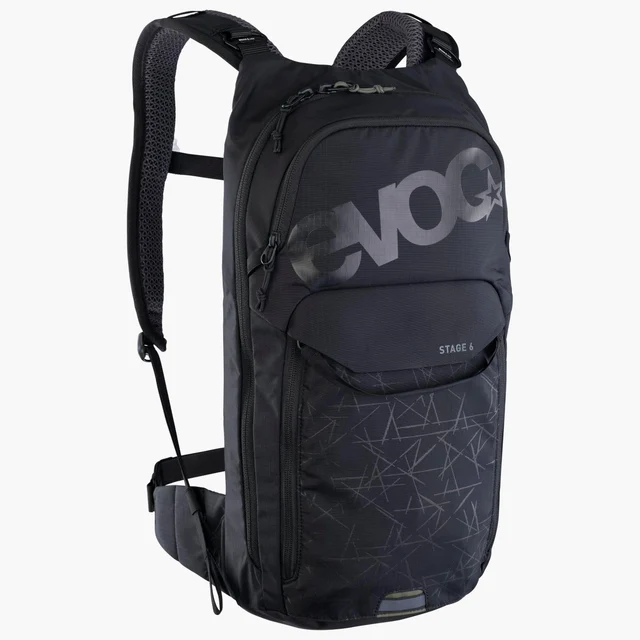
A low-profile mountain-bike pack with class-leading back ventilation that ships with a 2L bladder.
Best for: XC and trail mountain bikers who want water and the essentials without a pack that shifts around.
- Air Flow ventilated back panel keeps your spine cool on hot climbs
- Body-hugging fit stays put through turns and rough descents
- Comes with a 2L bladder and a routed, clip-secured hose
- 6L of cargo is tight once you add a layer, tools, and snacks
- Basic bite valve and no rain cover included
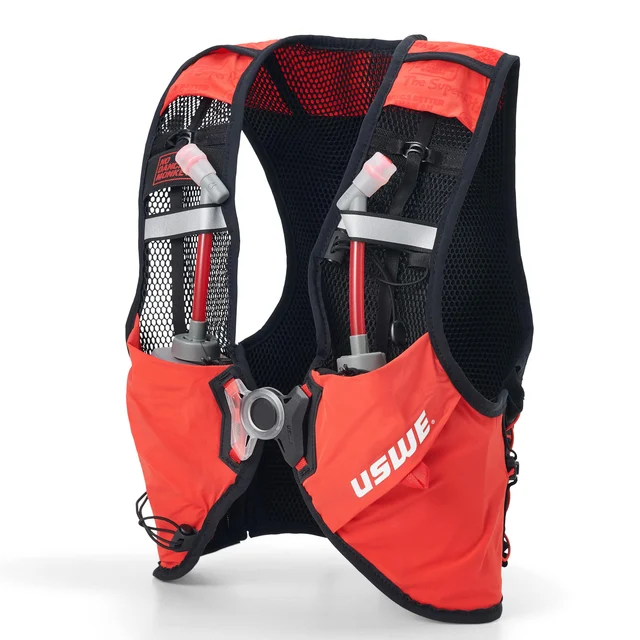
A running vest whose No Dancing Monkey harness genuinely eliminates bounce, with two 500ml flasks included.
Best for: Trail runners and fastpackers who prioritize a dead-still, breathable fit over big cargo.
- 4-point 'No Dancing Monkey' harness locks the load down with almost no bounce
- Includes two 500ml front flasks and has a rear sleeve for a bladder
- Stretch side panels breathe well and flex with your ribcage
- 8L total is snug for long, self-supported days
- Runs snug and race-fit; size up if you are between sizes
- No bladder in the box unless you add one
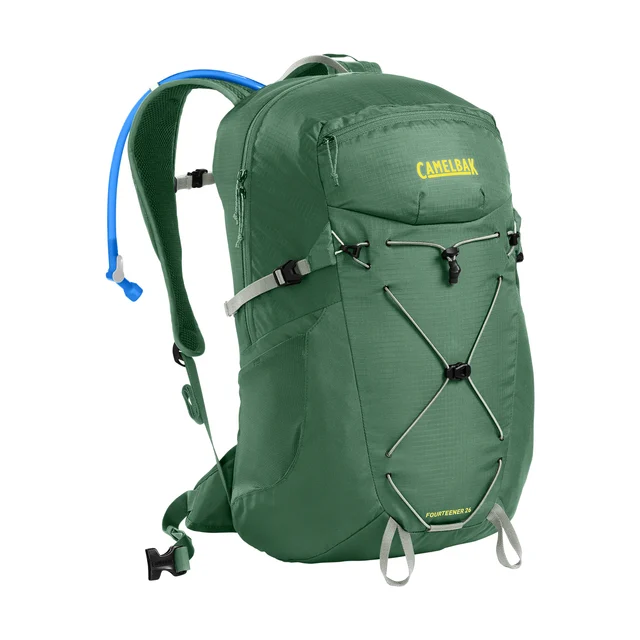
A 26L day-hiking pack built around CamelBak's excellent 3L Crux reservoir and Big Bite valve.
Best for: All-day hikers who carry a jacket, lunch, and a full 3L of water and want ventilation under load.
- Includes a 3L Crux reservoir with a smooth Big Bite valve and magnetic tube trap
- 26L plus a load-bearing hipbelt carries a full day of layers, food, and water
- Ventilated back panel and Quicklink reservoir removal for easy refilling
- 26L is more pack than most day hikers actually need
- Bulky and premium-priced for short or fast outings
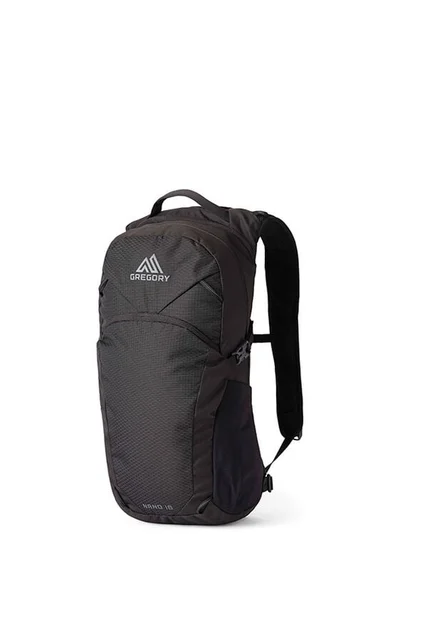
A likeable, cheap daypack that ships without a reservoir and skips the features a hydration pack needs.
Best for: Commuters and casual users who want a cheap daypack, not a purpose-built hydration pack.
- Light, packable, and inexpensive
- Fine as an everyday commuter or grab-and-go daypack
- Has an internal sleeve if you supply your own bladder
- No reservoir in the base pack, so you still have to buy a bladder
- Simple foam back panel offers limited ventilation
- Webbing waist strap only; no load-transferring hipbelt
| Criteria | EVOC Stage 6 Top pick | USWE Pace 8L Trail Running Vest | CamelBak Fourteener 26 | Gregory Nano 18 |
|---|---|---|---|---|
| Verdict | Buy it | Buy it | It depends | Skip it |
| Best for | XC and trail mountain bikers who want water and the essentials without a pack that shifts around. | Trail runners and fastpackers who prioritize a dead-still, breathable fit over big cargo. | All-day hikers who carry a jacket, lunch, and a full 3L of water and want ventilation under load. | Commuters and casual users who want a cheap daypack, not a purpose-built hydration pack. |
| Price tier | $$ · mid-range | $$$ · premium | $$$ · premium | $ · budget |
| Water carried | 2L bladder (included) | 2x 500ml flasks (bladder-ready) | 3L Crux reservoir (included) | None included (bladder-ready) |
| Cargo capacity | 6L | 8L total | 26L | 18L |
| Bite valve & hose | Bladder valve, routed clip-secured hose | Soft-flask valves; no hose | Big Bite valve + magnetic tube trap | N/A (no reservoir) |
| Fit & harness | Body-hugging bike harness, hip belt | No-bounce 4-point vest | Structured, load-bearing hipbelt | Simple webbing, no hipbelt |
| Back ventilation | Air Flow channels (excellent) | Stretch mesh, breathable | Ventilated back panel | Basic foam (limited) |
| Cleaning & refill | Wide bladder opening | Wide-mouth flasks, easy | Crux wide-mouth + Quicklink removal | N/A |
| Best use | Mountain biking | Trail running | All-day hiking | Commute / casual |
| Price tier | $$ · mid-range | $$$ · premium | $$$ · premium | $ · budget |
Which one is right for you?
- XC and trail mountain bikers who want water and the essentials without a pack that shifts around. Buy it EVOC Stage 6
- Trail runners and fastpackers who prioritize a dead-still, breathable fit over big cargo. Buy it USWE Pace 8L Trail Running Vest
- All-day hikers who carry a jacket, lunch, and a full 3L of water and want ventilation under load. It depends CamelBak Fourteener 26
- Commuters and casual users who want a cheap daypack, not a purpose-built hydration pack. Skip it Gregory Nano 18
How we judged the field
We don’t run our own lab. Instead we synthesize independent testing, brand specifications, and a wide read of owner reports to separate marketing from what actually holds up on the trail. For hydration packs, a few things matter far more than the spec sheet suggests.
- How the water rides. Bounce, sway, and a pack that creeps around in corners are the fastest way to hate an otherwise good pack. Harness design and fit do more here than capacity.
- The reservoir and valve. Reservoir size should match your outing, but the small stuff - a smooth bite valve, an on/off lever, a hose you can actually find on your chest - is what you notice every time you drink.
- Cleaning and refilling. The pack you keep using is the one that’s easy to dry out. Wide-mouth reservoirs and quick-release hoses beat fiddly screw caps, and reviewers repeatedly tie ‘my bladder got gross’ to hard-to-dry designs.
- Ventilation and cargo. Back-panel airflow decides comfort on hot days, and cargo volume needs to match the sport - too little and you leave the layer at home, too much and you’re hauling dead weight.
We deliberately chose one pack per use case rather than pretending a single pack wins everything.
EVOC Stage 6 — buy
The Stage 6 is the pack we’d point most mountain bikers to first. It’s compact - 6L of cargo plus the included 2L bladder - and the whole design is built around staying still and staying cool. EVOC’s Air Flow back panel uses deep channels and a wide mesh so your back actually breathes on climbs, and owners consistently praise how the body-hugging fit and chest strap keep it from swinging in tight, rough sections. The hose routes cleanly to the front and clips in place.
The trade-off is space. Six liters swallows a tube, multitool, and a snack, but add a shed layer and you’re full. There’s no rain cover, and the bite valve is functional rather than fancy. For the intended job - water and the essentials on a low-profile ride - that’s an easy compromise, and at a mid-range price it’s strong value.
USWE Pace 8L Trail Running Vest — buy
Running with water on your back is miserable if it bounces, and USWE built its whole reputation on solving exactly that. The Pace 8L uses the brand’s 4-point ‘No Dancing Monkey’ harness, and reviewers and owners repeatedly describe the result the same way: it just doesn’t bounce, even at pace. Two 500ml flasks ride up front where they’re easy to reach and refill, stretch side panels flex with your breathing, and there’s a rear sleeve if you want to add a bladder for longer days.
It is a race-oriented vest, so the fit runs snug - size up if you’re on the border - and 8L is tight for fully self-supported outings. There’s also no bladder included; you get the flasks and add a reservoir if you want one. None of that undercuts the core appeal: for runners, a still, breathable load beats raw capacity, and the Pace delivers it.
CamelBak Fourteener 26 — it depends
The Fourteener 26 is the most ‘pack’ in this group, and whether that’s a strength depends entirely on your hikes. It bundles CamelBak’s 3L Crux reservoir, which owners rate highly: the Big Bite valve flows easily, the on/off lever stops drips, and a magnetic tube trap keeps the valve exactly where you reach for it. A wide-mouth cap and the Quicklink system make refilling and drying genuinely painless - a real advantage given how often people give up on bladders that won’t dry.
With 26L and a load-bearing hipbelt, it carries a full day of layers, food, and water with a ventilated back panel that helps under load. But that’s the catch: for a two-hour local loop it’s more pack, weight, and money than you need. If your days are long and gear-heavy, it’s a buy; if they’re short, look at a smaller pack.
Gregory Nano 18 — skip
We want to be fair to the Nano 18: as a cheap, light, everyday daypack it’s genuinely likeable, and Gregory’s build quality shows. The problem is buying it as a hydration pack. The base pack ships without a reservoir, so you’re paying for an empty bag and still have to add a bladder. The back panel is simple foam with limited ventilation, and there’s only a webbing waist strap - no real hipbelt to transfer load - so once it’s loaded with 3L of water it rides like exactly what it is: a school-style daypack with a bottle sleeve.
For commuting or casual use, it’s fine. For running, biking, or serious hiking with water as the point, each of the other three does the actual job better. That’s why it’s a skip here, not a knock on the pack for what it’s really meant to be.
EVOC Stage 6 vs USWE Pace 8L: which should you buy?
These are our two winners, but they’re built for different sports, so the decision is really about how you move. Pick the EVOC Stage 6 if you ride: it keeps water and tools off your body, breathes on hot climbs, and the body-hugging fit means it won’t sway when the trail gets technical. It also includes the bladder, so it’s ready to go.
Pick the USWE Pace 8L if you run: a backpack, even a good one, bounces when you’re moving fast, and the Pace’s harness is specifically engineered to stop that. Flasks up front are easier to manage on the move than a hose. If you do both sports seriously, they solve genuinely different problems and there’s a real case for owning one of each rather than compromising with a single pack.
What to look for
- Match capacity to the sport. 1.5-2L and minimal cargo for running and short rides; 3L and 20L-plus only if you’re out all day.
- Prioritize fit over features. A bounce-free harness (running) or a body-hugging, hip-belted fit (biking, hiking) matters more than pocket count.
- Check how it cleans. Wide-mouth reservoirs and quick-release hoses dry fast and stay fresh; narrow screw caps are where mold complaints start.
- Confirm what’s in the box. Some packs include the reservoir or flasks; others (like the Nano) don’t - factor the add-on into the real cost.
- Look at back ventilation if you run hot or ride in heat; channeled, meshed panels make a noticeable difference.
- Find the valve on your chest. A magnetic tube trap or sternum clip means you’ll actually drink often, which is the whole point.
Our final take
There’s no single best hydration pack - there’s a best one for your sport. The EVOC Stage 6 is our overall pick because it nails the most common use, mountain biking, with excellent ventilation, a secure fit, and an included 2L bladder at a fair price. Runners should go straight to the USWE Pace 8L, which solves bounce better than anything else here. The CamelBak Fourteener 26 is the right call for long, gear-heavy hikes thanks to its big 3L Crux reservoir and comfortable load carry, but it’s overkill for casual outings. And the Gregory Nano 18, pleasant as it is, is a daypack wearing a hydration label - buy it for commuting, not for the trail. Decide how you’ll move first, and the choice gets easy.
Questions, answered
Bladder or bottles/flasks - which is better?
It depends on your sport. A reservoir (bladder) with a hose lets you sip hands-free without breaking stride, which suits biking and hiking where the pack sits still on your back. Soft front flasks, as on the USWE Pace, are easier to monitor, refill, and clean, and they keep weight off your spine - a common preference for running. Many vests let you run flasks up front and add a bladder in the back for longer efforts.
What reservoir capacity do I actually need?
For most rides and runs under a couple of hours, 1.5-2L is plenty and keeps the pack light. All-day hikes, hot climates, or routes without refill points are where a 3L reservoir like the Fourteener's Crux earns its weight. Remember that water is heavy, so carrying more than you will drink just slows you down.
How do I keep a reservoir from getting moldy or tasting bad?
Owners consistently report that the fix is drying, not scrubbing. Empty and rinse after each use, prop the reservoir fully open with a paper towel or a dedicated dryer so the inside dries completely, and store it in the freezer between uses to stall any growth. Wide-mouth openings (like CamelBak's Crux and EVOC's bladders) make this far easier than a small screw cap, which is one reason cleaning is worth checking before you buy.
Do I need an insulated hose?
Only in extremes. In cold weather an insulated hose and valve cover help stop the tube freezing; in strong sun, an insulated sleeve keeps the first few sips from going warm. For typical three-season use, a standard hose with a magnetic tube trap or sternum clip - so the valve is easy to grab - matters more than insulation.
For running or biking, should I get a vest or a backpack?
For running, a vest almost always wins: the load rides high and close with minimal bounce, as the USWE Pace's harness shows. For mountain biking, a compact ventilated pack like the EVOC Stage keeps water and tools off your body while a hip belt and chest strap stop it shifting in corners. A larger hiking pack like the Fourteener is overkill for both unless you also need to carry a lot of gear.
More Outdoors & Fitness reviews
 The Best Inflatable Kayaks: 4 Compared (and One to Skip)
  The Best Inflatable Paddle Boards: 4 Compared (and One to Skip)
  The Best Insulated Water Bottles: 4 Compared (and One to Skip)
  The Best Jump Ropes: 4 Compared (and One to Skip)
  The Best Life Jackets (PFDs): 4 Compared (and One to Skip)
  The Best Metal Detectors for Hobbyists: 4 Compared (and One to Skip)