

Outdoors & Fitness
The Best Hiking Daypacks: 4 Compared (and One to Skip)
We compared four current 20-30L hiking daypacks on ventilation, fit, hydration, weight, and organization to find the best all-day carry.
The short version
For most day hikers, the Black Diamond Pursuit 25 is the pack to buy: it breathes well, carries poles and water cleanly, and stays comfortable with a real load thanks to its body-hugging harness. If you count ounces, the Deuter Speed Lite 21 delivers a comfortable, no-frills carry at about a pound. The Cotopaxi Torre 24L is a comfortable, durable crossover that leans commuter, so it depends on how much trail-specific performance you need. The Hyperlite Mountain Gear Daybreak 22 is a brilliant ultralight, weatherproof pack, but its airless back and flagship price make it a skip for typical hiking. Best for: hikers who want one ventilated, well-organized daypack that does everything well without weighing them down.
Our picks at a glance
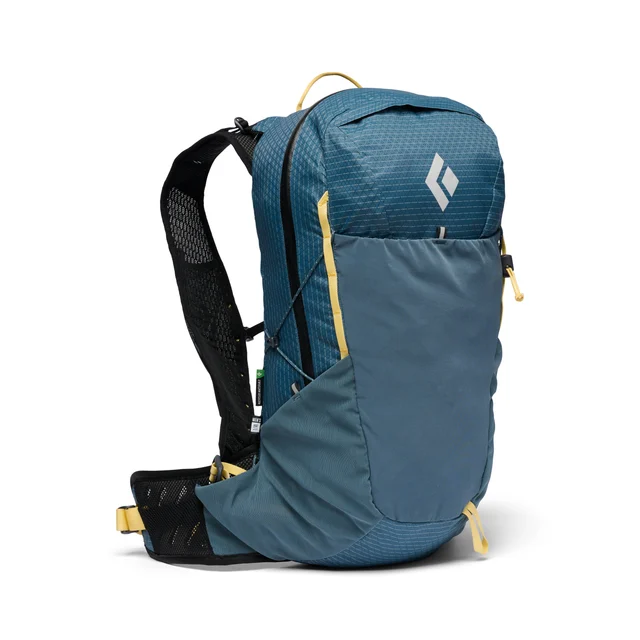
- Black Diamond Pursuit 25 - Buy. The best-rounded daypack here: ventilated, well-organized, and comfortable with real weight on board.
- Deuter Speed Lite 21 - Buy. The featherweight pick for fast, light days when every ounce and every summit push counts.
- Cotopaxi Torre 24L - It depends. A comfortable, stylish rolltop that shines as a commute-and-casual-hike crossover more than a trail specialist.
- Hyperlite Mountain Gear Daybreak 22 - Skip. A superb ultralight, weatherproof pack that most day hikers will find too specialized and too expensive.
The verdict in 30 seconds
What mattered most
- Capacity
- Weight class
- Back ventilation
- Fit & support
- Hydration
- Organization
A good daypack disappears on your back: it breathes, it carries water without fuss, and it puts your snacks and layers where your hands expect them. We synthesized independent testing and owner reports across four current, buyable-in-2026 packs in the 20-30L sweet spot. Two earn a clear buy, one is a genuine it-depends, and one is a great pack that most day hikers should skip.
The best-rounded daypack here: ventilated, well-organized, and comfortable with real weight on board.
Best for: Day hikers who want one do-it-all pack that breathes, organizes gear, carries poles, and stays comfortable with 15-20 lb inside.
- Breathable back panel helps manage sweat on climbs
- Genuinely useful organization: stretch front pocket, shoulder-strap pockets, side access, and on-the-fly trekking-pole storage
- Body-hugging BD Continuous Fit harness, drawn from Black Diamond's Distance line, carries loads with little bounce
- Heavier than ultralight rivals once you add the hipbelt and pockets
- Hydration sleeve includes a clip but no reservoir; the contoured back is ventilated rather than a true suspended trampoline
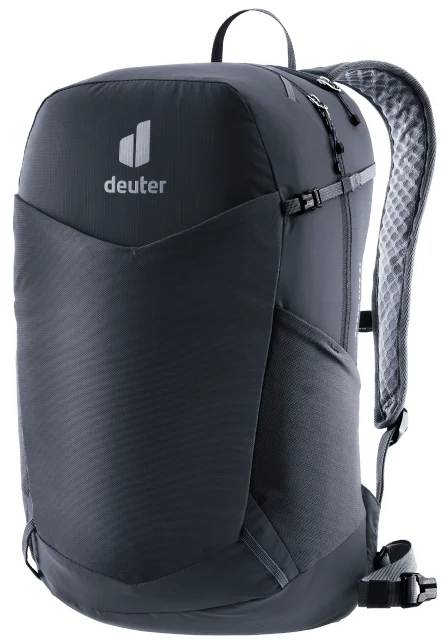
The featherweight pick for fast, light days when every ounce and every summit push counts.
Best for: Minimalist and fast-and-light hikers, peak-baggers, and trail runners who prioritize the lowest possible carry weight.
- Remarkably light at roughly a pound, so it all but vanishes on quick hikes
- Perforated Lite back and ergonomic shoulder straps stay comfortable under sensible loads
- Stretch front and side pockets plus a removable hipbelt cover the essentials without bulk
- The close-to-body foam back is not a suspended panel, so it warms up on hot, steep days
- Minimalist organization and a light frame make it happiest with lighter loads
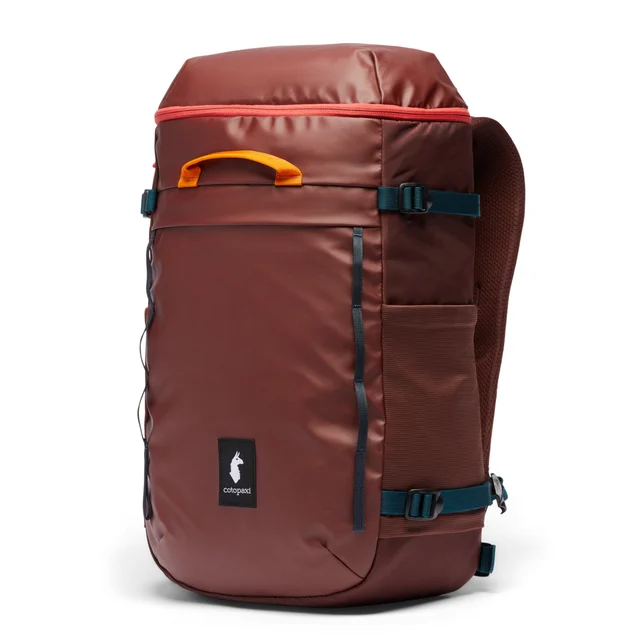
A comfortable, stylish rolltop that shines as a commute-and-casual-hike crossover more than a trail specialist.
Best for: One-bag users who split time between the trailhead, the office, and travel and value comfort and style over trail-specific speed.
- Padded air-mesh back and straps make it one of the more comfortable packs to wear
- Tough, weather-resistant recycled build with a padded laptop sleeve that suits travel and commuting
- Distinctive looks and strong durability reported by owners
- Rolltop bucket access is slower than a panel-loading trail pack, and there is no dedicated reservoir hanger
- No structured hipbelt and only modest ventilation, so it lags true hiking daypacks on steep, hot terrain
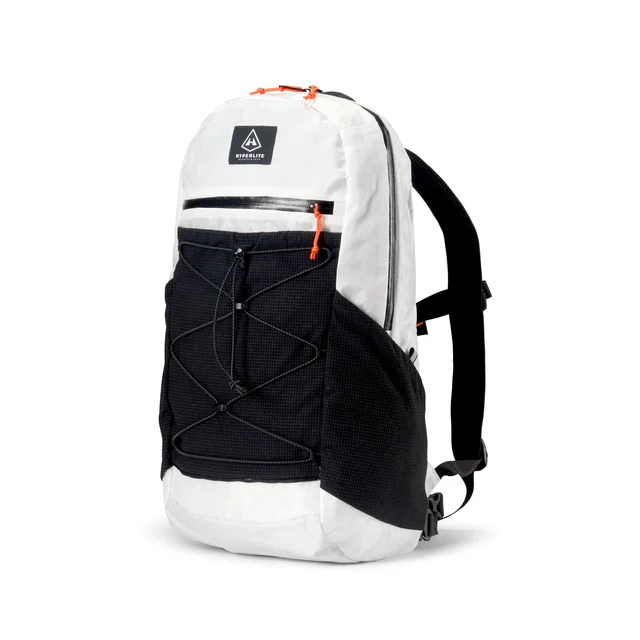
A superb ultralight, weatherproof pack that most day hikers will find too specialized and too expensive.
Best for: Ultralight fastpackers and thru-hikers who prioritize weatherproofing and minimum weight and will forgive the lack of ventilation.
- Weatherproof Dyneema build is light and extremely durable for the volume
- Dual front pockets, including water-resistant zip pockets, plus stretch mesh side pockets
- A cult favorite among fastpackers and summit baggers who want the lightest weatherproof carry
- The back panel has little airflow, so it turns sweaty fast in the heat
- Sparse organization, a frameless build, and a flagship price make it hard to justify for everyday hiking
| Criteria | Black Diamond Pursuit 25 Top pick | Deuter Speed Lite 21 | Cotopaxi Torre 24L | Hyperlite Mountain Gear Daybreak 22 |
|---|---|---|---|---|
| Verdict | Buy it | Buy it | It depends | Skip it |
| Best for | Day hikers who want one do-it-all pack that breathes, organizes gear, carries poles, and stays comfortable with 15-20 lb inside. | Minimalist and fast-and-light hikers, peak-baggers, and trail runners who prioritize the lowest possible carry weight. | One-bag users who split time between the trailhead, the office, and travel and value comfort and style over trail-specific speed. | Ultralight fastpackers and thru-hikers who prioritize weatherproofing and minimum weight and will forgive the lack of ventilation. |
| Price tier | $$ · mid-range | $$ · mid-range | $$ · mid-range | $$$$ · flagship |
| Capacity | 25 L | 21 L | 24 L | 22 L |
| Weight class | Mid (with hipbelt/pockets) | Ultralight (~1 lb) | Heavier (durable build) | Ultralight (~1.2 lb) |
| Back ventilation | Good ventilated panel | Moderate (foam contact back) | Moderate (air mesh) | Poor (no airflow) |
| Fit & support | Body-hugging harness, adjustable hipbelt | Light frame, removable hipbelt | Comfy but unstructured, no real hipbelt | Frameless, minimal support |
| Hydration | Sleeve + clip (reservoir not included) | Hydration compatible | Two bottle sleeves, no reservoir hanger | Not detailed on maker page |
| Organization | Excellent (front, side, strap, pole storage) | Minimalist (lid + stretch pockets) | Commuter-friendly (laptop sleeve, pockets) | Modest (front zip + stretch, side mesh) |
| Best use | Do-it-all day hiking | Fast-and-light days | Commute + casual hikes | Ultralight fastpacking |
| Price tier | $$ · mid-range | $$ · mid-range | $$ · mid-range | $$$$ · flagship |
Which one is right for you?
- Day hikers who want one do-it-all pack that breathes, organizes gear, carries poles, and stays comfortable with 15-20 lb inside. Buy it Black Diamond Pursuit 25
- Minimalist and fast-and-light hikers, peak-baggers, and trail runners who prioritize the lowest possible carry weight. Buy it Deuter Speed Lite 21
- One-bag users who split time between the trailhead, the office, and travel and value comfort and style over trail-specific speed. It depends Cotopaxi Torre 24L
- Ultralight fastpackers and thru-hikers who prioritize weatherproofing and minimum weight and will forgive the lack of ventilation. Skip it Hyperlite Mountain Gear Daybreak 22
How we judged the field
We do not run our own lab. Instead, we synthesize independent testing and a wide read of owner reports, then weigh the results against the things that actually matter on the trail. For a hiking daypack in the 20-30L range, that means five criteria: back ventilation (does it turn into a sweat sponge on a climb?), fit and support (does the load ride close and stable, and is there a hipbelt that does real work?), hydration compatibility (reservoir sleeve, hose routing, or bottle pockets), weight, and organization (can you reach water, snacks, and a layer without unpacking the whole bag?). We also kept an eye on durability and value. The four packs below are all current and buyable in 2026, and each represents a distinct philosophy of what a daypack should be.
Black Diamond Pursuit 25
Buy itThe Pursuit 25 is the pack we would hand most day hikers first. Black Diamond based its body-hugging Continuous Fit harness on its Distance line, so the load rides close with minimal bounce, and the breathable back panel helps manage sweat on hot climbs. Owners and reviewers single out the organization: a big stretch front pocket, stretch side pockets you can reach while walking, small pockets on the shoulder straps for a phone or snacks, an interior zip pocket with a key clip, and quick trekking-pole storage. A hydration sleeve with a clip handles a reservoir (sold separately). It is not the lightest option once you count the hipbelt and all those pockets, and the back is a contoured ventilated panel rather than a fully suspended trampoline, but as an all-rounder it is hard to beat.
Deuter Speed Lite 21
Buy itIf your idea of a great day is moving fast with the smallest possible pack, the Speed Lite 21 is the buy. At roughly a pound it all but disappears, and Deuter’s perforated Lite back and ergonomic shoulder straps keep it comfortable under sensible loads. You get stretch front and side pockets and a removable hipbelt, which is exactly enough for a fast hike or a summit push and not an ounce more. The trade-offs are honest ones: the foam back sits close to the body rather than standing off it, so it warms up on hot, steep terrain, and the minimalist layout and light frame are happiest when you are not stuffing it to bursting. For the right hiker, that restraint is the whole point.
Cotopaxi Torre 24L
It dependsThe Torre 24L is genuinely comfortable and built like a tank, with a padded air-mesh back and straps that owners consistently praise, plus a weather-resistant recycled shell and a padded laptop sleeve. The catch for hikers is that it is a rolltop bucket pack designed as much for the commute and travel as for the trail. Top-loading access is slower than a panel-loading hiking pack, there is no dedicated reservoir hanger (you get two long bottle sleeves instead), and without a structured hipbelt it does not carry weight as securely on steep ground. If you want one handsome, durable bag for easy hikes, the office, and weekend travel, it is a great pick. If you want a trail specialist that breathes and organizes for hard days out, look at the two packs above.
Hyperlite Mountain Gear Daybreak 22
Skip itThis is a superb pack that most day hikers should still skip. The Daybreak 22 is made from weatherproof Dyneema, is impressively light and durable for its volume, and pairs dual front pockets with stretch mesh side pockets. It is a cult favorite among fastpackers and summit baggers. But independent testing is blunt about its biggest flaw: the back panel has very little airflow, so it gets sweaty quickly in the heat. Add sparse organization, a frameless build, and a flagship price, and it becomes a specialist tool rather than an everyday hiking daypack. Unless ultralight weatherproofing is your specific mission, your money works harder elsewhere.
Black Diamond Pursuit 25 vs Deuter Speed Lite 21: which should you buy?
These are the two we recommend, and the choice comes down to how you hike. The Pursuit 25 is the do-it-all pick: better ventilation, far more organization, trekking-pole storage, and a harness that stays comfortable when you load it up with water and layers for a long day. The Speed Lite 21 wins on one axis that matters enormously to some hikers, which is weight. Deuter lists it at 470 g against 720 g for the Pursuit and it rewards a disciplined, light kit with a carry you forget you are wearing. Put simply: if you want one daypack that handles most conditions and carries a real load in comfort, buy the Pursuit 25. If you hike fast and light and refuse to carry an ounce you do not need, buy the Speed Lite 21.
What to look for
- Ventilation: A suspended or heavily channeled back panel makes the biggest difference to comfort on hot, steep climbs.
- Fit and support: Match the torso length and look for a hipbelt that actually transfers weight to your hips, not just a token strap.
- Hydration: Decide whether you prefer a reservoir (check for an internal sleeve and hose ports) or bottles (check for deep, reachable side pockets); reservoirs are almost always sold separately.
- Weight versus features: Every gram of comfort and organization adds weight, so be honest about whether you want a minimalist pack or a fully featured one.
- Organization: Stretch front and side pockets and shoulder-strap pockets let you reach essentials without stopping to dig.
- Capacity: Around 20-22L suits fast, warm days; 25-30L gives headroom for layers, food, and shoulder-season gear.
Our final take
Four good packs, four different jobs. The Black Diamond Pursuit 25 is the one we would recommend to the widest range of day hikers, because it breathes, organizes, and carries a real load without complaint. The Deuter Speed Lite 21 is the smart buy for the weight-conscious who hike fast and pack light. The Cotopaxi Torre 24L is a comfortable, durable crossover whose worth depends entirely on how much time it will spend on trails versus in town. And the Hyperlite Mountain Gear Daybreak 22, for all its ultralight brilliance, is a specialist that most hikers should admire and skip. Buy for the hiking you actually do, and any of the top two will serve you for years.
Questions, answered
What size daypack do I need for day hiking?
For most full-day hikes, a pack in the 20-30L range hits the sweet spot: enough room for water, layers, food, a first-aid kit, and the ten essentials without tempting you to overpack. All four packs here sit in that window. Choose the smaller end (around 20-22L) for fast, warm-weather days and the larger end (25-30L) if you carry extra layers, camera gear, or pack for others.
Which of these breathes best on hot, sweaty climbs?
The Black Diamond Pursuit 25 has the most effective ventilation of the group, with a breathable back panel that reviewers say stays cooler on climbs. The Deuter and Cotopaxi use padded contact backs that are comfortable but warmer, and independent testing flags the Hyperlite's airless Dyneema back as the sweatiest option. If ventilation is your top priority, look for a suspended or heavily channeled back panel.
Do these packs work with a hydration reservoir?
Yes, in different ways. Deuter says the Speed Lite takes hydration in its main compartment, and Hyperlite's product description does not detail a hydration setup for the Daybreak. The Black Diamond has a dedicated hydration pouch with a reservoir clip. The Cotopaxi Torre leans on two long bottle sleeves rather than a dedicated reservoir hanger. In every case the bladder itself is sold separately, so budget for one if you prefer sipping on the move.
Is an ultralight pack like the Hyperlite worth it for casual hiking?
For most people, no. Ultralight Dyneema packs excel for fastpackers and thru-hikers who obsess over weight and weatherproofing, but they trade away ventilation, structure, and organization, and they command a premium price. Casual and moderate day hikers usually get more real-world comfort and value from a ventilated, feature-rich pack such as the Black Diamond Pursuit 25.
Can I use one of these for both commuting and hiking?
The Cotopaxi Torre 24L is the best crossover here thanks to its padded laptop sleeve, durable build, and comfortable back, which is why owners like it for travel and the office as well as easy trails. The dedicated hiking packs will also commute in a pinch, but their stretch mesh, hipbelts, and pole loops are optimized for the trail rather than the train.
Deciding between the top two? See our head-to-head: Black Diamond Pursuit 25 vs Deuter Speed Lite 21.
More Outdoors & Fitness reviews
 The Best Hiking Pants: 4 Compared (and One to Skip)
  The Best Hiking Socks: 4 Compared (and One to Skip)
  The Best Hydration Bladders: 4 Compared (and One to Skip)
  The Best Hydration Packs: 4 Compared (and One to Skip)
  The Best Ice Cleats: 4 Compared (and One to Skip)
  The Best Ice Melt Products: 4 Compared (and One to Skip)