Explained
Foam Rollers, Explained
After reading, you will know which type of foam roller fits your experience and goals, and which spec-sheet features are worth paying for.
In this guide
A foam roller looks like the simplest tool in the gym, yet the quality range is wide and the labels are confusing. Shoppers get tripped up by density and texture claims that sound technical but say little about how a roller will actually feel against tight muscle. The right choice depends far more on your pressure tolerance and what you want from rolling than on any number on the box.
The 30-second version
- Firmness is the first decision, not texture. A roller that hurts too much to use is worse than one that feels mild, so beginners should start soft-to-medium and work up.
- Texture targets, softness soothes. Ridges and nodules reach specific knots, while a smooth surface spreads pressure for a broad, gentle massage.
- The core matters as much as the foam. A hollow rigid core holds its cylinder shape under bodyweight for years, where cheap solid foam slowly flattens and goes dead.
- Vibration is a comfort feature, not a necessity. It lets you ease off physical pressure, but a good passive roller does the core job for a fraction of the price.
- Size is a genuine trade-off. A short roller travels and stores easily; a long one supports the full spine for stretches and balance work.
The products this guide is about
Our verdict on each, with the full reasoning on the companion review.
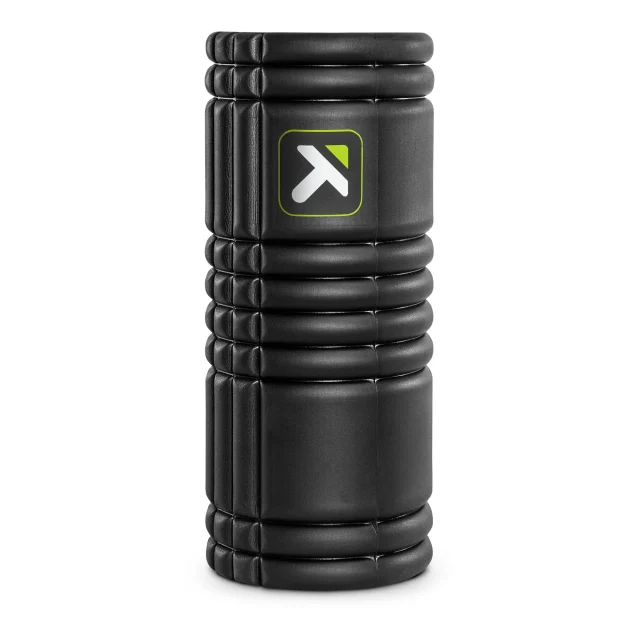
- Buy TriggerPoint GRID 1.0 The textured all-rounder most experts reach for first, firm enough to work yet forgiving enough for beginners. Amazon
- Buy OPTP PRO-Roller Soft A smooth, gentle roller that suits first-timers, Pilates, and sensitive muscles better than aggressive picks. Amazon
- It depends Therabody Wave Roller A vibrating roller that lets you use less pressure for the same release, if you accept the weight and price. Amazon
- Skip RumbleRoller Original An aggressive knobbed roller built for a narrow group of experienced users, not the average buyer. Amazon
What actually matters
- Firmness (density) decides whether rolling feels useful or punishing; the right level lets tight tissue adapt instead of flinching, which is what keeps you using the roller at all.
- Surface texture determines how pressure is delivered: smooth spreads it broadly, while ridges and nodules concentrate it on knots, so match the texture to how targeted you want the work to be.
- Core construction governs durability, because a hollow rigid or dense core resists flattening under a heavy adult far better than inexpensive solid foam.
- Length and diameter affect what you can cover in one pass and whether the roller supports your spine for stretches, so pick a size around your body and use case.
- Vibration is an optional add-on that can reduce the pressure you need to apply; treat it as a paid comfort upgrade rather than a core requirement.
- Weight and portability matter if you travel or store the roller often, since powered models are heavier and need charging.
- Experience level should anchor every other choice, because the best roller for a first-timer is rarely the firmest or most aggressive one on the shelf.
The specs, in plain English
Green flags vs red flags
Green flags
- A firmness level honestly matched to your experience, described in plain terms rather than hype
- A rigid or hollow core that resists flattening under bodyweight
- Closed-cell EVA foam that keeps its shape and shrugs off sweat
- A size that fits your intended use, whether a short travel roller or a full-length one for the spine
- Clear guidance on who the roller is for rather than claims that it suits everyone
Red flags
- Very soft, cheap foam that visibly compresses or dents after light use
- The most aggressive knobbed roller marketed to first-time buyers
- Vague density or texture claims with no indication of how firm it actually feels
- A powered roller bought only for vibration when a passive one would meet your needs
- Marketing that promises the roller replaces stretching, strength work, or professional care
Who's who: the brands
- TriggerPoint - Known for the textured GRID roller with a hollow core, the do-everything default many trainers reach for first.
- Therabody - A recovery-tech brand whose vibrating rollers pair app-guided routines with high-density surfaces.
- OPTP - Favored by physical therapists and Pilates instructors for smooth, softer rollers, including long full-spine sizes.
- RumbleRoller - Makes aggressive knobbed rollers built for deep trigger-point work by experienced users, not average buyers.
How to read a listing without getting fooled
When you read a foam roller listing, translate the marketing back into two questions: how hard will this feel, and how targeted is the pressure. Density or firmness words like soft, medium, and extra-firm tell you the first; texture words like smooth, textured, and knobbed tell you the second. Be skeptical of a roller pitched as right for everyone, because firmness that suits a seasoned athlete will bruise a beginner. Check whether there is a rigid or hollow core, since that is the difference between a roller that lasts years and one that flattens in months. Note the length and diameter against your actual use, and treat any electronics, vibration, apps, or Bluetooth, as extras you are paying for on top of the basic job of rolling.
How much should you spend?
The value sweet spot for most people is a mid-range textured roller with a durable core; it costs more than a bargain-bin cylinder but far less than a powered model, and it will outlast the cheap foam that goes soft and dead within a season. Spending less than that usually buys foam that flattens quickly, which is a false economy. Spending more generally means you are paying for vibration and electronics rather than better rolling, so that step up is only worth it if you genuinely want and will use those features. A beginner-friendly soft roller sits in a similar sensible range and is worth it if a firmer roller would sit unused in a closet. In short, buy on durability and fit first, and pay a premium only for features you have a real reason to want.
Questions, answered
Do I need a textured roller, or is a smooth one enough?
It depends on what you want. A smooth roller gives a broad, comfortable massage and is the easier place to start. A textured roller concentrates pressure to reach specific knots but can feel intense at first. Many people begin smooth and move to textured once they want more targeted work.
Is a firmer foam roller always better?
No. Firmer rollers are more durable and reach deeper, but past a point they simply hurt, which discourages regular use. The best firmness is the one you will actually use consistently. Beginners are usually better served starting soft-to-medium and working up as their tolerance grows.
Are vibrating foam rollers worth the extra money?
Only for some buyers. Vibration lets you apply less physical pressure to reach similar tension, which can suit sensitive or recovery-focused users. But a passive textured roller does the core job for far less, so the upgrade is a comfort choice rather than a necessity.
How long does a foam roller last, and when should I replace it?
A quality closed-cell EVA roller with a rigid core can last for years. Replace a roller once the foam has visibly compressed, dented, or gone soft and no longer springs back, because at that point it stops delivering useful, even pressure.
Is foam rolling safe, and can it replace treatment for pain or injury?
This is general information, not medical advice. For most healthy people foam rolling is a low-risk way to ease muscle tension, but it is a wellness tool, not a substitute for stretching, strength work, or professional care. If you have an injury, a medical condition, sharp or persistent pain, or numbness, consult a qualified healthcare professional before rolling.
Or jump to the head-to-head: TriggerPoint GRID 1.0 vs Therabody Wave Roller.