Explained
Espresso Machines, Explained: What to Look For
Understand every spec on the box so you can buy the machine that fits your kitchen, not the one with the biggest number.
In this guide
Espresso machines are sold on jargon: bar pressure, boiler types, and buzzwords that sound technical but tell you little about the cup. This guide translates the specs into plain English so you know what changes the coffee and what is just marketing.
The 30-second version
- The machine type decides your daily routine. Semi-automatic, super-automatic, and manual machines ask for very different amounts of effort. Pick the workflow you actually want before you compare any numbers.
- Nine bars is the target, not fifteen or twenty. Real espresso is brewed at roughly 9 bars of pressure. A pump rated for 15 or 20 bars is just headroom; the higher number does not make better coffee.
- A grinder matters as much as the machine. Espresso lives or dies on grind quality. Whether it is built in or a separate box, a good, consistent grinder is not optional for good shots.
- Milk drinks depend on the steam system. If you want lattes and cappuccinos, the steam wand and how fast the machine makes steam matter more than almost any brewing spec.
- More boilers and PID mean more consistency, not magic. Dual boilers and temperature control give steadier results and less waiting. They are quality-of-life upgrades, not a shortcut past learning technique.
The products this guide is about
Our verdict on each, with the full reasoning on the companion review.
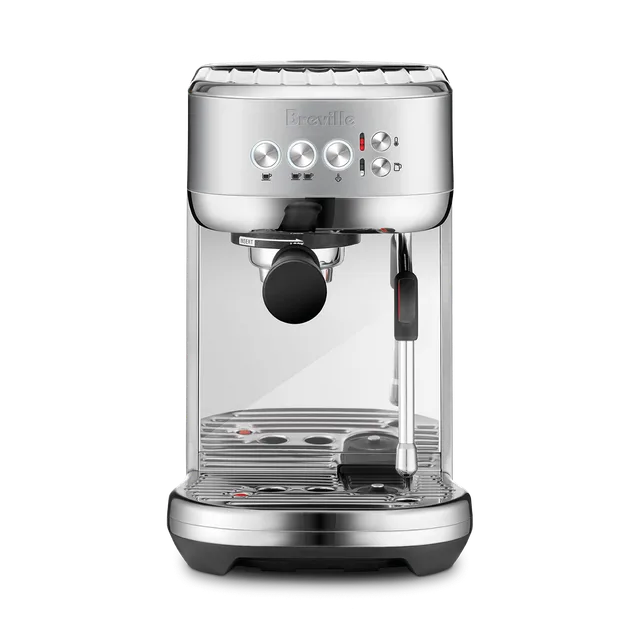
- Buy Breville Bambino Plus Cafe-quality shots and hands-off milk froth in a tiny footprint - the easiest real espresso machine to live with. Amazon
- Buy Breville Barista Express Grinder, brewer and steam wand in one box - the all-in-one that still teaches you the craft. Amazon
- It depends Gaggia Classic Pro A 58mm commercial-style tank you learn real technique on - and can mod for years. Amazon
- Skip De'Longhi Magnifica (super-automatic) Convenient one-touch bean-to-cup, but watery shots and nothing to learn - you'll outgrow it fast. Amazon
What actually matters
- Machine type over everything. Semi-auto means you grind, dose, and steam yourself; super-auto does it at a button press; manual (lever) puts the pressure literally in your hands. This one choice shapes every morning, so decide how hands-on you want to be first.
- Grind quality. Espresso needs a fine, even, adjustable grind. A machine paired with a poor grinder will make sour or bitter shots no matter how good its specs look, so treat the grinder as part of the purchase.
- Temperature stability. Espresso is sensitive to small temperature swings. Machines that hold a steady brew temperature give you repeatable results; ones that drift force you to guess and re-dial every shot.
- Steam power (if you drink milk). For lattes and cappuccinos you need a steam wand that can texture milk properly. Weak or slow steam makes flat, bubbly foam that never gets silky.
- Everyday practicality. Heat-up time, water-tank size, drip-tray access, and counter footprint decide whether you actually use the machine daily or resent it. Boring specs, big impact.
- Ease of dialing in. Beginner-friendly machines make it forgiving to get a drinkable shot. Pressurized baskets and simpler controls trade some ceiling for a gentler learning curve.
The specs, in plain English
Green flags vs red flags
Green flags
- Clear grind adjustment, whether built-in or via a recommended separate grinder
- PID or another form of stable, consistent brew temperature
- A standard portafilter size with easy-to-find baskets and accessories
- Fast heat-up and a removable, decently sized water tank you can fill from the top
- Honest documentation about whether baskets are pressurized or not
- A steam wand that can actually texture milk, if you drink milk-based coffee
Red flags
- Marketing that leads with 15 or 20 bars as if higher pressure means better coffee
- A cheap or missing grinder story on a machine that needs a good grind to work
- Proprietary pods or baskets that lock you into one supplier
- Vague or absent temperature control with no way to keep shots consistent
- A tiny, awkward water tank or drip tray that makes daily use a chore
- Claims of 'barista-quality' or 'no skill needed' with no substance behind them
Who's who: the brands
- Breville / Sage - Same company under two names by region. Known for feature-packed beginner semi-autos with built-in grinders and PID.
- De'Longhi - Very broad range from simple entry machines to super-automatics. Widely available and beginner-oriented.
- Gaggia - Long-running maker of approachable semi-autos and bean-to-cup machines with a loyal following.
- Rancilio - Best known for a classic home semi-auto with a commercial-style 58mm portafilter that owners upgrade over time.
- Rocket Espresso - Higher-end enthusiast machines, often heat-exchanger or dual boiler. Aimed above the typical beginner.
- Lelit - Italian maker spanning capable entry semi-autos to PID and dual-boiler models for people who want to grow into the hobby.
- Philips / Saeco - Focused heavily on super-automatic bean-to-cup machines for push-button convenience.
- Flair - Manual, non-electric lever presses. A niche, hands-on route for people who want full control over each shot.
How to read a listing without getting fooled
Start with the type of machine, because it decides your daily effort more than any number on the box. Once you know whether you want push-button convenience, hands-on semi-auto control, or a fully manual ritual, filter for the specs that support the coffee you actually drink: temperature stability and grind quality for straight espresso, steam power for milk drinks. Treat bar pressure ratings, crema promises, and 'barista-quality' language as noise. The specs that predict a good cup are consistency, a proper grind, and features you will genuinely use every morning.
How much should you spend?
Entry-tier machines get you drinkable espresso and usually lean on pressurized baskets and simpler heating to stay forgiving; they are a fine place to learn. Mid-tier machines add temperature control like PID, better steam, and non-pressurized options that reward technique. Higher-tier machines bring dual boilers, sturdier build, and more consistency for people who make several drinks a day or want to grow into the hobby. Spend where it matches how often you will brew and how much you care about milk drinks. And remember the grinder is part of the budget: a modest machine with a good grinder often beats an expensive machine with a poor one.
Questions, answered
How many bars of pressure do I actually need?
About nine. Real espresso is brewed at roughly 9 bars, and virtually every machine reaches it. Ratings of 15 or 20 bars describe the pump's maximum, not the brewing pressure, so a higher number does not mean better coffee. Ignore it when comparing machines.
Do I need a separate grinder?
Usually yes, unless the machine has a genuinely good built-in one. Espresso demands a fine, even, adjustable grind, and pre-ground coffee rarely delivers it. A quality grinder often improves your cup more than upgrading the machine itself, so budget for it from the start.
What is the difference between semi-automatic and super-automatic?
Effort and control. Semi-automatic machines have you grind, dose, and steam yourself, giving more control and a learning curve. Super-automatics grind, brew, and often froth at a button press for convenience, but offer less control and a lower ceiling. Choose based on how hands-on you want to be.
Are pressurized baskets bad?
No, just different. Pressurized baskets force decent crema even from an imperfect grind, which makes them forgiving for beginners. Non-pressurized baskets need a good grinder and technique but produce better, more nuanced espresso. Many beginners start pressurized and switch later as their skills grow.
Do I need a dual boiler?
Only if you make milk drinks often. A dual boiler lets you brew and steam at the same time without waiting, which is convenient for back-to-back cappuccinos. For straight espresso or occasional milk, a single boiler or thermoblock is perfectly capable and cheaper.
How long should a machine take to heat up?
It varies by design. Thermoblock and thermojet machines are ready in seconds, while boiler machines can take several minutes to reach a stable temperature. If you want coffee the moment you wake up, fast heat-up is worth prioritizing; if you don't mind waiting, a boiler can be steadier.
Or jump to the head-to-head: Breville Bambino Plus vs Breville Barista Express.