Explained
Electric Scooters, Explained
After reading this, you'll be able to look at any electric scooter listing and know which specs are real, which are marketing, and which one fits your actual commute.
In this guide
Adult electric scooters have quietly matured from gadgets into genuine vehicles - self-sealing tires, real suspension, and 30-plus-mile range are now common in the mid-tier. But spec sheets are still written to flatter: claimed range is measured in ideal conditions, motor watts are quoted in whichever way sounds biggest, and 'waterproof' can mean almost anything. This guide decodes the jargon so you can shop on what actually matters for daily riding.
The 30-second version
- Claimed range is a best-case number. Expect roughly 60-70 percent of the brochure figure at real commuting speeds with a full-size adult aboard - and buy at least double your daily round trip.
- Tires matter more than top speed. Tubeless or self-sealing pneumatic tires turn flats from a weekly anxiety into a rarity, and they're a bigger quality-of-life upgrade than any headline spec.
- Weight is a route question, not a spec question. Stairs, trains, and elevators make every pound matter; if you can roll the scooter and store it at ground level, a heavier, more comfortable machine usually wins.
- Reliability and support are the real differentiators. A commuter scooter's first job is to finish the ride - established brands with responsive warranty service are worth a genuine premium over budget models with big batteries.
- Check your local laws before you buy. Speed caps, minimum ages, and where you're allowed to ride vary by city, and some fast scooters exceed what's legal on public roads.
The products this guide is about
Our verdict on each, with the full reasoning on the companion review.
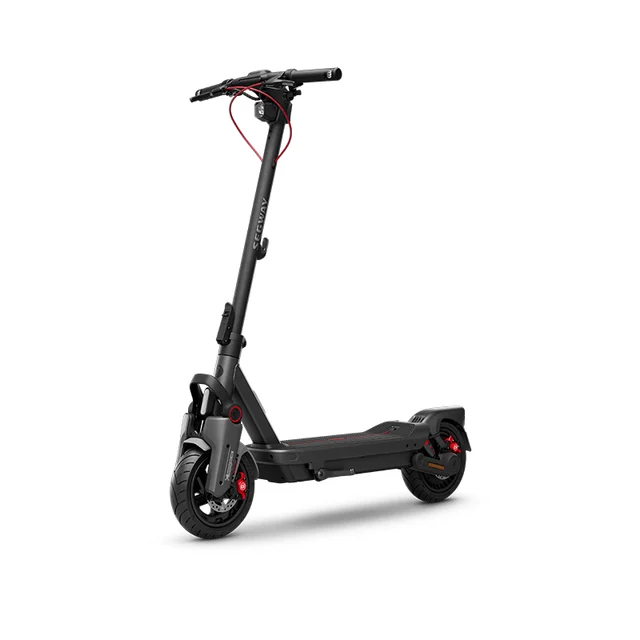
- Buy Segway Ninebot Max G3 The most complete commuter scooter you can buy - long real-world range, dual suspension, and Segway's proven track record. Amazon
- Buy NIU KQi 300X The mid-range sweet spot - polished build quality, front suspension, and dependable range without the flagship price.
- It depends Apollo City 2.0 A superb 1,200W single-motor machine with IP66 water resistance - but it's more speed, weight, and money than most commutes require.
- Skip Gotrax G6 A big battery at a tempting price, on pneumatic tires with no published water-resistance rating and a range claim that changes across its own page.
What actually matters
- Real-world range - the distance the scooter actually covers at commuting speed with your weight aboard, not the lab-conditions number on the box. Models whose claims hold up in independent testing are worth seeking out.
- Ride comfort - a combination of tire size, tire type, and suspension. Small hard wheels transmit every pavement crack; larger pneumatic tires plus even basic front suspension transform rough city streets.
- Braking - you'll use the brakes far more often than the throttle's top end. Look for a combination of a mechanical or hydraulic disc brake plus electronic regenerative braking, front and rear.
- Weight and folding - decides whether the scooter fits your door-to-door reality. Long-range batteries and suspension add pounds, so match the weight to how much carrying your route actually involves.
- Hill-climbing power - a function of sustained motor output and your body weight. If your route has real hills, an underpowered motor means crawling speeds and, on weak budget models, overheating shutdowns.
- Reliability and after-sales support - the pattern in owner reports over thousands of miles, plus how the brand handles warranty claims. This is where budget models most often fall apart.
- Water resistance - an IP rating tells you whether damp roads and surprise rain are fine or a warranty-voiding gamble. Commuters who can't choose their weather should treat it as essential.
The specs, in plain English
Green flags vs red flags
Green flags
- Independent testing confirms the range claims roughly hold up in real-world riding
- Tubeless or self-sealing pneumatic tires rather than solid or tubed ones
- Long-term owner reports describing thousands of miles with few or no failures
- A published IP water-resistance rating rather than vague 'weather resistant' wording
- Nominal motor wattage and battery watt-hours stated plainly in the spec sheet
- An established brand with a real warranty process and available spare parts
Red flags
- A huge claimed range paired with a suspiciously low price - the battery or the claim is usually being stretched
- Only a peak wattage figure quoted, with the sustained (nominal) rating nowhere to be found
- Owner reports of mid-ride overheating or shutdown errors, especially on hills or hot days
- No IP rating and no clear statement about riding in rain
- A top speed that exceeds what your city legally allows - you're paying for capability you can't use
- Recurring owner complaints about unanswered warranty claims or unavailable replacement parts
Who's who: the brands
- Segway (Ninebot) - The category's benchmark - its Max line built a reputation for honest range and just-keeps-working reliability, at premium prices.
- NIU - An electric-mobility maker known for polished build quality and strong owner-reported reliability in the mid-range; check how service is handled in your area before buying.
- Apollo - A performance-focused brand building powerful single- and dual-motor scooters with IP-rated weather sealing - often more speed and weight than a typical commute needs.
- Gotrax - A budget-focused brand whose simpler short-range models are reasonable for casual trips, though long-range models such as the G6 still ride on pneumatic tires with no published water-resistance rating.
- Xiaomi - A consumer-electronics giant whose inexpensive, lightweight scooters helped define the entry level; fine for short flat rides, less suited to demanding daily commutes.
How to read a listing without getting fooled
Start with the numbers marketing hopes you'll skim past: battery watt-hours and nominal motor watts. Watt-hours predict range far more honestly than the claimed-miles headline, and nominal watts predict hill performance better than any 'peak power' boast. Then mentally discount the claimed range to about two-thirds and ask whether that still covers double your round trip. Check the tire type (self-sealing pneumatic is the phrase you want), look for an explicit IP rating rather than the word 'waterproof,' and confirm the max rider weight leaves you headroom. Finally, weigh the scooter in your head against your actual route - every listing photo shows someone effortlessly carrying a folded scooter, and almost none of them convey that long-range commuter models are heavy enough that stairs get old fast. If a listing hides the watt-hours, the nominal wattage, or the IP rating, assume the omission is doing work.
How much should you spend?
Price in this category mostly tracks battery size, motor quality, suspension, and - less visibly - build quality and after-sales support. The entry level buys short, flat, fair-weather trips: modest range, minimal suspension, and brands where warranty service can be a gamble. The mid-range is where commuting genuinely starts, and it's the value sweet spot - dependable real-world range, pneumatic tires, basic suspension, and established brands whose owners report few defects over thousands of miles. Premium money adds long honest range, dual suspension, fast charging, and anti-theft features, and it's worth paying if the scooter is your daily vehicle rather than a toy. Flagship-tier machines add bigger motors, higher speeds, and serious weather sealing - worthwhile only if your route is long, hilly, rough, or rainy, and if local laws actually let you use the speed. The classic mistake is stretching a budget model to look premium: a big battery at a suspiciously low price usually means corners cut somewhere you can't see, and owner reports tend to find those corners the hard way.
Questions, answered
Do I need a helmet, and are electric scooters legal where I live?
Wear a helmet on every ride, no exceptions - scooter falls happen at speeds where head injuries are a real risk, and a certified bike or scooter helmet dramatically improves your odds. Just as important: electric scooter rules vary widely by country, state, and even city. Speed caps, minimum ages, sidewalk bans, and where you're allowed to ride all differ, and some fast scooters exceed what's legal on public roads. Check your local laws before buying, and ride with lights on at night.
How much range do I actually need?
Buy at least double your daily round-trip distance. Manufacturer figures are measured at low speeds in ideal conditions; real-world range at commuting speeds with stops, hills, and a full-size adult aboard is typically 60-70 percent of the claim, and cold weather cuts it further. Doubling your round trip means you're never sweating the last mile and the battery ages gracefully instead of being drained flat every day.
Should I get a lighter scooter or a more comfortable one?
It depends on your door-to-door reality. If your commute involves stairs, trains, or elevators, weight belongs near the top of your list - long-range commuter scooters are heavy enough that carrying one up multiple flights gets old fast. But very light scooters usually sacrifice range, suspension, and stability. If you can roll the scooter most of the way and store it at ground level, the comfort and capability of a heavier machine wins.
Can I ride an electric scooter in the rain?
Only if the scooter has a real IP water-resistance rating - look for a water digit of 4 or higher (IPX4 handles splashes; IPX5 and up handles rain and wet roads reasonably well). 'Weather resistant' without a number is a warning sign. Even on a sealed scooter, wet pavement means longer braking distances and less grip, so slow down, brake early, and avoid painted lines and metal covers. Never submerge a scooter or leave the charge port open in the wet.
What maintenance does a commuter scooter need?
Less than it used to. Self-sealing tubeless tires have largely eliminated the flat-tire misery of older scooters. Beyond that: keep tires at the recommended pressure (low pressure quietly kills range and handling), check brake adjustment monthly, keep the folding mechanism snug, and store the battery indoors - lithium batteries dislike both freezing cold and hot cars. Note that some brands discourage DIY repairs, so check how a maker handles service before you buy.
Are budget scooters ever worth it?
Yes - for short, flat, fair-weather trips where a failure means walking a few blocks rather than being stranded miles from home. Where budget models go wrong is stretching to look premium: a big battery and long claimed range at a tempting price, with corners cut on thermal design, build quality, and warranty support. Owner reports of overheating shutdowns under sustained riding are the classic symptom. If your budget is firm, a simpler short-range model from an established brand beats an ambitious cheap one.
Or jump to the head-to-head: Segway Ninebot Max G3 vs NIU KQi 300X.