Explained
Fishing Rods (Spinning Combos), Explained
After reading this you'll understand what a rod's power, action, length, and reel size really mean, and how to match a combo to the fishing you'll actually do.
In this guide
A fishing rod is really half of a system: the rod flexes and telegraphs bites, and the reel stores line and controls the fight. For a first-timer the sanest starting point is a matched spinning combo, where the two arrive pre-balanced and ready to cast. What trips people up is the wall of jargon on the label, power, action, line rating, reel size, and the assumption that more expensive or more rugged automatically means better for them.
The 30-second version
- Buy a matched spinning combo first. so the rod and reel are balanced out of the box and you skip the guesswork of pairing them yourself.
- Medium power and a 6'6"–7' length with a 2500 or 3000-size reel covers the widest range of common freshwater fish, from panfish to bass.
- Blank material is the main trade-off: graphite is more sensitive so you feel light bites, while a graphite-fiberglass blend is tougher and more forgiving to abuse.
- A smooth drag matters more than a big number, because a consistent drag protects light line and lands more fish than a jerky, coarse one.
- Match the tool to your water. A heavy saltwater combo is overkill on a pond, and a packable travel rod is a poor primary rod.
The products this guide is about
Our verdict on each, with the full reasoning on the companion review.
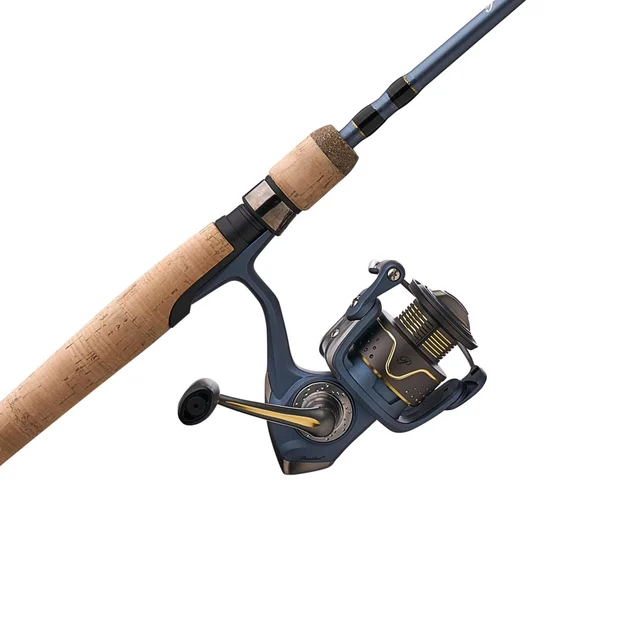
- Buy Pflueger President Spinning Combo The sweet spot for a first serious combo: light, sensitive, and smoother than anything near its price.
- Buy Ugly Stik GX2 Spinning Combo The near-indestructible, do-everything starter that survives car doors, kids, and rocks alike. Amazon
- It depends PENN Battle IV Spinning Combo A tank of a combo built for salt and big fish, which is exactly why it can be overkill on a pond. Amazon
- Skip KastKing Centron Lite Travel Spinning Combo A tidy packable travel kit, but the wrong foundation for a beginner's everyday all-around rod. Amazon
What actually matters
- Power (rod strength) decides what line and fish weight the rod is built for. Medium or medium-light is the versatile sweet spot for a first freshwater rod; ultralight is for tiny fish and heavy is for big ones.
- Action (where the rod bends) controls feel and hook-set. Fast action bends near the tip for quick, sensitive hook-sets, while moderate action bends deeper and is more forgiving for beginners.
- Length trades casting distance for control. A 6'6"–7' rod is long enough to cast well but still easy to handle, which is why most starter combos land there.
- Blank material sets the sensitivity-versus-toughness balance. Graphite feels more, a graphite-fiberglass blend survives more.
- Reel size and drag determine line capacity and how smoothly you fight a fish. A 2500–3000 reel with a smooth, sealed drag is the everyday freshwater default.
- Piece count affects feel and reliability. One- or two-piece rods keep the most sensitivity, while multi-piece travel rods add joints that can loosen and mute the blank.
- Balance and weight decide how a rod feels after hours of casting. A combo that's balanced at the reel seat stays comfortable; a front-heavy one tires your wrist.
The specs, in plain English
Green flags vs red flags
Green flags
- A matched combo from a known rod-and-reel brand, sold as a balanced set
- Medium or medium-light power in a 6'6"–7' length with a 2500–3000 reel
- A drag described as smooth, sealed, or refined rather than just strong
- One- or two-piece construction for an everyday primary rod
- Clear, honest line and lure ratings printed on the blank
Red flags
- A cheap all-in-one kit padded out with lures and a case, where the rod and reel feel like an afterthought
- Multi-piece travel design being sold as your main all-around rod
- Vague or overstated power claims with no line rating you can check
- A reel that feels gritty, notchy, or coarse when you turn the handle
- Loose, rattly guides or ferrules, or wraps that look sloppy
Who's who: the brands
- Pflueger - Known for the President reel, a longtime favorite for a smooth drag at a fair price in beginner combos.
- Ugly Stik - Famous for near-unbreakable graphite-fiberglass blanks; the go-to for rugged, forgiving starter and knock-around combos.
- PENN - Built for saltwater and bigger fish, with tough metal-bodied reels and sealed drags aimed at inshore and surf anglers.
- KastKing - Budget-focused brand with a wide range of inexpensive rods, reels, and packable travel combos.
- Shakespeare - The value-oriented brand behind many entry combos, widely stocked and easy to find.
How to read a listing without getting fooled
Start at the handle, where the important numbers are usually printed on the blank: length, power, action, and line and lure ratings. Those four tell you what the rod is actually built for, so match them to your fish rather than to a marketing headline. On the reel, look for the size (a 2500 or 3000 for general freshwater) and how the drag is described, favoring words like smooth and sealed over a big maximum-drag number you'll never use. Be skeptical of listings that lead with accessories, a bag full of lures, a fancy case, since that padding often hides a weak rod and a coarse reel. If a combo lists a piece count, remember that fewer pieces generally means better feel, and treat a four-piece travel rod as a specialty item, not a primary setup.
How much should you spend?
Spend enough to clear the bottom shelf, but you don't need a premium combo to start. The cheapest bundled kits tend to save money on the parts that matter, the reel's drag and the rod's guides and blank, so they wear out or frustrate you quickly. A modest step up into a genuinely matched combo from a known brand buys a smoother reel, a more sensitive rod, and a setup that lasts seasons instead of months, which is where the value sweet spot sits for most first-timers. Paying up for a rugged, metal-bodied saltwater combo only makes sense if you actually fish salt or chase bigger fish; on a pond that extra toughness is weight and cost you won't use. In short, avoid the very bottom, land in the sensible middle, and reserve the top end for when your fishing genuinely demands it.
Questions, answered
What's the single best first fishing rod setup for a beginner?
A matched spinning combo in medium or medium-light power, around 6'6" to 7' long, with a 2500 or 3000-size reel. That combination casts easily, handles the common freshwater lineup of panfish, trout, and bass, and forgives the mistakes every new angler makes while learning.
What do rod power and action actually mean?
Power is how much force it takes to bend the rod, and it tells you the line and fish size it suits (medium is the versatile default). Action is where the rod bends: fast action flexes near the tip for quick, sensitive hook-sets, while moderate action bends deeper and is more forgiving. They're separate settings, so a rod can be medium power with fast action.
Is a spinning reel really better for beginners than a baitcaster?
For almost everyone starting out, yes. A spinning reel hangs under the rod and pays out line freely on the cast, so it rarely tangles or 'birds-nests' the way a baitcaster can. That means less frustration and more time fishing while you build technique. Baitcasters offer more casting precision but have a real learning curve.
Graphite or fiberglass, which blank should I choose?
It depends on how you treat your gear. Graphite is lighter and more sensitive, so you feel subtle bites, but it's easier to break if you're rough on it. A graphite-fiberglass blend is heavier and slightly less sensitive but famously tough. Pick graphite for feel, a composite blend for durability and peace of mind.
Do I need a saltwater rod if I only fish lakes and ponds?
No. Saltwater combos use corrosion-resistant metal reel bodies and heavier blanks built to fight bigger fish, and that toughness adds weight and cost you won't use in freshwater. A lighter freshwater combo will be more comfortable and just as effective on a pond or small lake.
Are packable travel rods worth it as a main rod?
As your primary rod, generally no. Every ferrule joint on a multi-piece travel rod is a spot where sensitivity and strength drop off, and joints can loosen over time. A travel combo earns its place only when packability matters most, as a backpack or suitcase backup, not your everyday all-around setup.
Or jump to the head-to-head: Pflueger President Spinning Combo vs Ugly Stik GX2 Spinning Combo.