Explained
Earplugs for Sleeping, Explained
After reading this, you'll know which of the three earplug designs matches how you sleep, what the NRR number on the box actually tells you, and which listing claims to ignore.
In this guide
Sleeping earplugs look like the simplest product on earth - a bit of foam or silicone for your ear - but the category quietly splits into three very different designs, and buying the wrong one for your sleep position is the number-one reason people give up on earplugs entirely. The spec sheets don't help: a big noise-reduction number on the box says almost nothing about how the plug feels at 3 a.m. with your ear pressed into a pillow. This guide decodes the jargon so you can match a design to your actual noise problem and sleeping style.
The 30-second version
- There are three basic designs, and they trade off against each other: disposable foam blocks the most noise, reusable silicone is the most comfortable for side sleepers, and filtered plugs deliberately let some sound (like alarms) through.
- The NRR number is a ceiling, not a promise. It's measured under ideal lab conditions; real-world blocking depends far more on how well the plug seals in your ear than on the number printed on the box.
- Sleep position decides more than specs do. Side sleepers need a flush or soft-bodied plug with nothing protruding; back sleepers can use almost anything, including long foam cylinders.
- The best earplug is the one you keep in until morning. A moderate plug that stays comfortable all night blocks more total noise than a maximum-strength plug you pull out at 3 a.m.
- Count the yearly cost, not the sticker price. Disposable foam is cheap per pair but adds up with nightly use, while washable reusables cost more upfront and often less over a year.
The products this guide is about
Our verdict on each, with the full reasoning on the companion review.
- Buy Loop Quiet 2 The reusable silicone plug that side sleepers actually keep in all night. Amazon
- Buy Moldex Pura-Fit 6800 Maximum raw noise blocking for pennies a night - if you sleep on your back. Amazon
- It depends Alpine Hearing Protection Alpine SleepSoft Soft filtered silicone that dims snoring but still lets your alarm through. Amazon
- Skip Happy Ears Discovery Pack A well-made reusable plug whose rigid core makes it the wrong choice for sleeping.
What actually matters
- Design type - foam, solid silicone, or filtered - matters more than any single spec, because it sets the whole trade-off between noise blocking, comfort, and hearing your alarm.
- Side-sleeper profile: whether anything protrudes from your ear when the plug is inserted. A stem or foam cylinder pressing into the pillow is the most common reason plugs get abandoned.
- Seal quality and sizing options: a plug only blocks noise if it seals your ear canal, so multiple tip or plug sizes in the box dramatically raise your odds of a fit that neither hurts nor falls out.
- What you still need to hear: parents, on-call workers, and anyone who fears sleeping through an alarm should look at filtered designs tuned to pass voices and alarms while dimming snoring.
- Reusability and hygiene: something that lives in your ear canal eight hours a night needs to be either washable or replaced often - check whether the plug is designed for reuse and how it's cleaned.
- Retention overnight: owner reports are the best signal for whether a plug works loose by morning, a failure mode spec sheets never mention.
- Cost per night over a year: bulk foam is pennies per pair but disposable; durable silicone costs more once and can last years with washing.
The specs, in plain English
Green flags vs red flags
Green flags
- Multiple tip or plug sizes included in the box - the single biggest predictor that you'll find a seal that works
- A flush, no-protrusion profile if the product is marketed for sleep, especially for side sleepers
- Washable materials with clear cleaning instructions on reusable plugs
- Owner reports that specifically mention wearing the plug all night and forgetting it's in
- An honest description of the trade-off - e.g., a filtered plug that says it dims rather than eliminates noise
- For foam: slow-recovery, PVC-free foam sold in bulk so replacement costs stay trivial
Red flags
- A reusable plug with a firm stem or rigid core marketed for sleeping - owner reports consistently describe it digging in when lying on your side
- Marketing that implies total silence or leans entirely on the NRR number as if it were guaranteed real-world performance
- One-size-only reusable plugs with no tip options - fine for some ears, a lottery for the rest
- No mention of cleaning or replacement schedule on a product meant for nightly in-ear wear
- A striking split in owner reports where one size hurts and the next size falls out - a sign the sizing steps are too coarse
- Vague 'noise cancelling' claims on a passive earplug - passive plugs block sound, they don't cancel it; the phrase signals loose marketing
Who's who: the brands
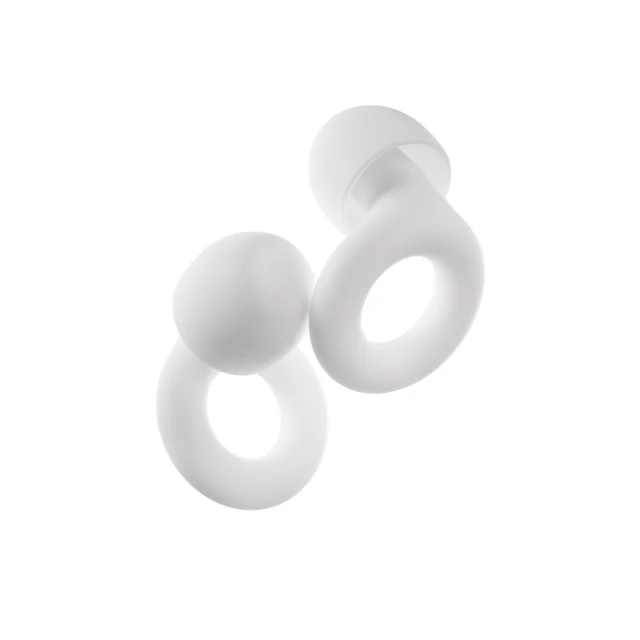
- Loop - The brand that made earplugs fashionable - flush-fitting reusable silicone plugs with multiple tip sizes, strongest for side sleepers and nightly comfort.
- Moldex - An industrial hearing-protection maker whose soft, high-NRR disposable foam plugs are a long-running favorite for maximum noise blocking on a tiny budget.
- Alpine Hearing Protection - Dutch specialist in filtered plugs - its sleep line dims snoring and traffic while deliberately letting alarms and voices through.
- 3M / E-A-R - The classic name in foam earplugs; widely available workhorse disposables with decades of hearing-protection pedigree.
- Mack's - US drugstore staple known for moldable silicone putty plugs that seal over the ear-canal opening rather than inside it - a different comfort proposition some sleepers swear by.
- Happy Ears - Swedish maker of minimalist reusable plugs that suit offices and travel well, but whose firm-cored design draws recurring side-sleeper complaints for overnight wear.
How to read a listing without getting fooled
Start with the design type, not the number. A listing will lead with its NRR or SNR rating because it's the biggest number on the page, but that figure was measured with a perfect lab fit - read it as 'this much, at best.' Next, look at the product photos from the side: if anything protrudes from the ear when worn, side sleepers should keep scrolling, no matter what the rating says. Check what's actually in the box - how many sizes of tips or plugs, since one-size reusables are a gamble. On reusable plugs, look for washing instructions and an expected lifespan; their absence on a product meant for nightly in-ear wear is telling. Finally, weigh owner reports about hour six, not minute one: 'comfortable' in a quick test and 'comfortable with my ear on the pillow all night' are different claims, and phrases like 'fell out by morning' or 'fine until I rolled over' are worth more than any spec.
How much should you spend?
This is one of the cheapest product categories where buying wrong still costs you, because abandoned earplugs are wasted money and lost sleep. Disposable foam sits at the bottom of the price range and is the cheapest way to test whether earplugs help you at all - a bulk pack costs little and blocks the most noise, though nightly replacement means the cost recurs forever. Reusable silicone and filtered plugs cost noticeably more upfront but are washable and last months to years, so their cost per night usually drops below foam within a season of nightly use. Spending more mainly buys comfort engineering - flush profiles, multiple tip sizes, softer materials - not more noise blocking; foam remains the attenuation champion at the lowest price. Spending a lot on premium reusables is worth it for committed nightly users and side sleepers, and rarely worth it for occasional travel use, where cheap foam does the job.
Questions, answered
Is it safe to wear earplugs to sleep every night?
Most people can, but earplugs can push earwax deeper over time, and dirty plugs raise the risk of irritation or infection. Wash reusables regularly, replace foam pairs often, and stop if you notice pain, itching, or muffled hearing after removal. This is general product information, not medical advice - if you have ear problems, ear tubes, or recurring infections, consult a medical professional before sleeping in earplugs.
Foam or silicone - which should I buy first?
Decide by sleep position and noise level. Back sleepers next to loud snoring or thin walls should start with quality foam: it blocks the most and costs the least to try. Side sleepers should start with a flush reusable silicone plug, because foam's protruding body is the most common comfort failure. Many people end up owning both and choosing per night.
Will I sleep through my alarm with earplugs in?
With moderate silicone plugs, usually not - most alarms get through at normal volume. Deep-sealing foam is the riskiest for oversleeping, and many foam users add a louder alarm, a vibrating phone under the pillow, or a smartwatch. If hearing alarms or your kids is critical, filtered plugs are designed exactly for that: they dim rumble while passing voices and alarm frequencies.
Why does my high-NRR earplug still let noise through?
Almost always fit. The NRR was measured with a perfect seal; if foam isn't rolled thin and seated deep, or a silicone tip is the wrong size, sound leaks around the plug and the rating becomes irrelevant. Re-read the insertion instructions and try a different size before blaming the plug - technique routinely matters more than the number.
How often do earplugs need replacing?
Disposable foam is designed for single use; in a clean bedroom most people stretch a pair to a few nights before the foam stiffens and hygiene degrades. Washable silicone bodies can last years, but soft tips should be swapped when they discolor or stop sealing. Filtered plugs typically need replacing after several months of nightly wear as the soft material loses its shape.
Do noise-cancelling earbuds replace earplugs for sleep?
Not really, for most sleepers. Active noise cancellation is best at steady low rumble and needs battery, and most earbuds protrude too much for side sleeping. Passive earplugs are cheaper, need no charging, and handle the irregular sounds - snoring, doors, voices - that trip up cancellation. Earbuds make sense mainly if you want to mask noise with audio rather than block it.
Or jump to the head-to-head: Loop Quiet 2 vs Moldex Pura-Fit 6800.