

Health & Wellness
The Best Earplugs for Sleeping: 4 Compared (and One to Skip)
We compared foam, filtered silicone, and reusable earplugs for sleep on noise blocking, side-sleeper comfort, and long-term value.
The short version
For most sleepers, the Loop Quiet 2 is the one to buy: its flush silicone fit means side sleepers stop noticing it, and it washes clean for years of nightly use. If your problem is a loud snorer or thin walls, the Moldex Pura-Fit 6800 blocks more raw noise than anything else here for pocket change - just expect to feel it against the pillow if you sleep on your side. The Alpine SleepSoft is the middle path for parents and on-call workers, dimming snoring while letting alarms through, but light sleepers will want more isolation. Skip the Happy Ears Discovery Pack for sleep: owners consistently report its rigid core digging in when lying on their side, and the sizing is a lottery. Best for: side sleepers wanting all-night comfort (Loop Quiet 2) and maximum-silence seekers on a budget (Moldex Pura-Fit 6800).
Our picks at a glance
- Loop Quiet 2 - Buy. The reusable silicone plug that side sleepers actually keep in all night.
- Moldex Pura-Fit 6800 - Buy. Maximum raw noise blocking for pennies a night - if you sleep on your back.
- Alpine Hearing Protection Alpine SleepSoft - It depends. Soft filtered silicone that dims snoring but still lets your alarm through.
- Happy Ears Discovery Pack - Skip. A well-made reusable plug whose rigid core makes it the wrong choice for sleeping.
The verdict in 30 seconds
What mattered most
- Type & material
- Noise blocking (reported)
- Side-sleeper comfort
- Reusability & lifespan
- Sizing options
- Hears alarms / baby
Earplugs for sleeping split into three camps: disposable foam that blocks the most noise, reusable silicone that wins on comfort, and filtered designs that split the difference. We synthesized independent testing and thousands of owner reports to compare one of each - plus a popular reusable that keeps disappointing side sleepers. Two earn a clear buy, one depends on what wakes you up, and one we'd skip for sleep entirely.
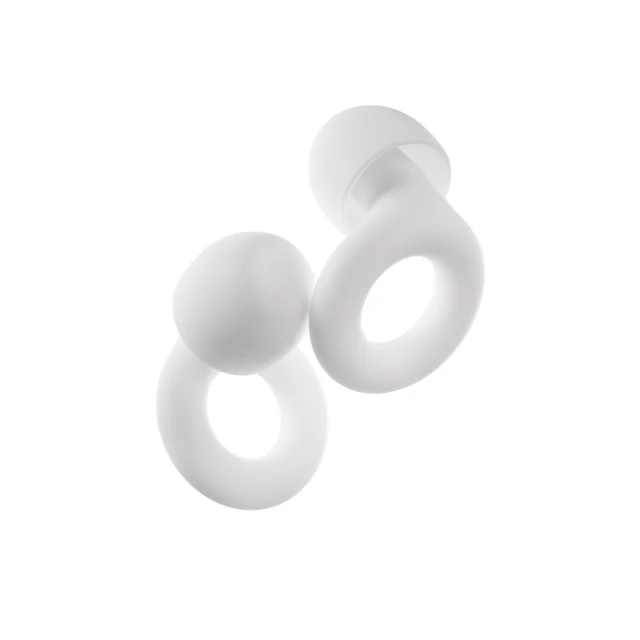
The reusable silicone plug that side sleepers actually keep in all night.
Best for: Side sleepers and nightly users who want comfort and reusability over maximum noise blocking
- Sits flush in the ear, so nothing digs in when your ear presses the pillow
- Four ear-tip sizes make a proper seal achievable for most ears
- Washable soft silicone lasts for years of nightly use, cutting waste and rebuy cost
- Blocks noticeably less noise than a well-inserted foam plug
- Small tips and plugs are easy to misplace, and tips can separate in the ear if worn loose
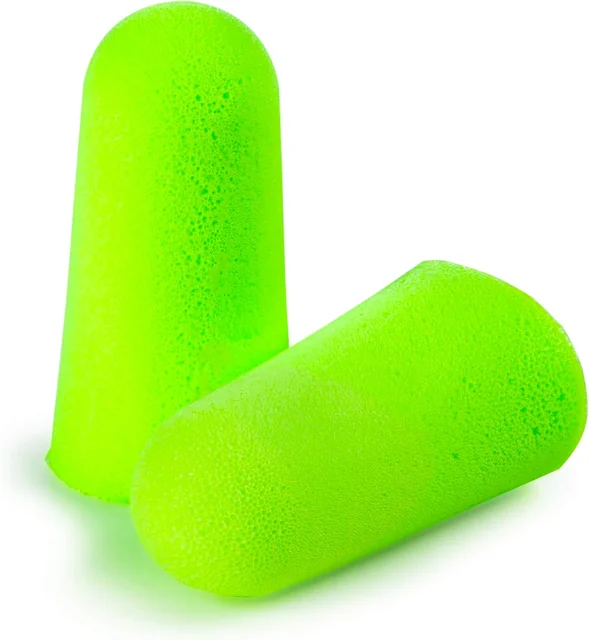
Maximum raw noise blocking for pennies a night - if you sleep on your back.
Best for: Back sleepers, heavy-snoring households, and anyone who wants the most silence per dollar
- Carries a 33 dB NRR label - as high as consumer earplugs go - and owners confirm it mutes heavy snoring
- Soft, slow-recovery PVC-free foam that most people find easy to roll and insert correctly
- Bulk packs cost almost nothing per pair, so losing one is never a problem
- The long body protrudes from the ear, which side sleepers can feel against the pillow
- Disposable by design - reusing pairs for many nights raises hygiene and fit issues
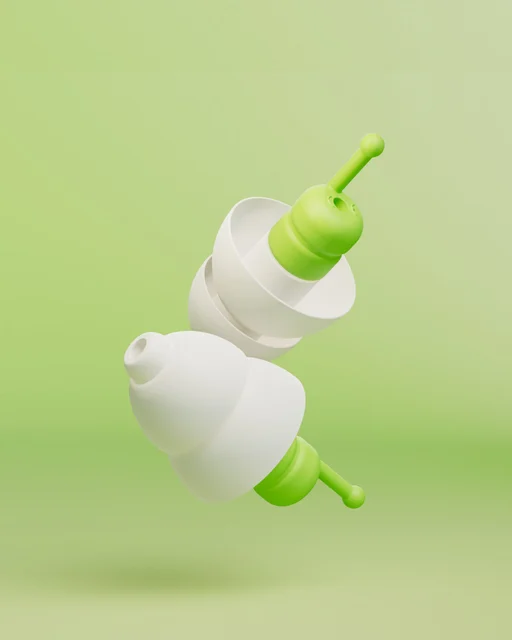
Soft filtered silicone that dims snoring but still lets your alarm through.
Best for: Parents, on-call workers, and anyone who needs to dampen noise without sealing the world out completely
- Acoustic filter takes the edge off snoring and traffic while keeping alarms and a crying child audible
- Thermo-shape material softens with body heat and has no hard parts to press into the ear
- Reusable and washable, with a low-profile fit most side sleepers tolerate well
- Filtered design blocks meaningfully less noise than foam - light sleepers near loud snorers may want more
- Owners report the plugs can work loose overnight and the soft material wears out with months of nightly use
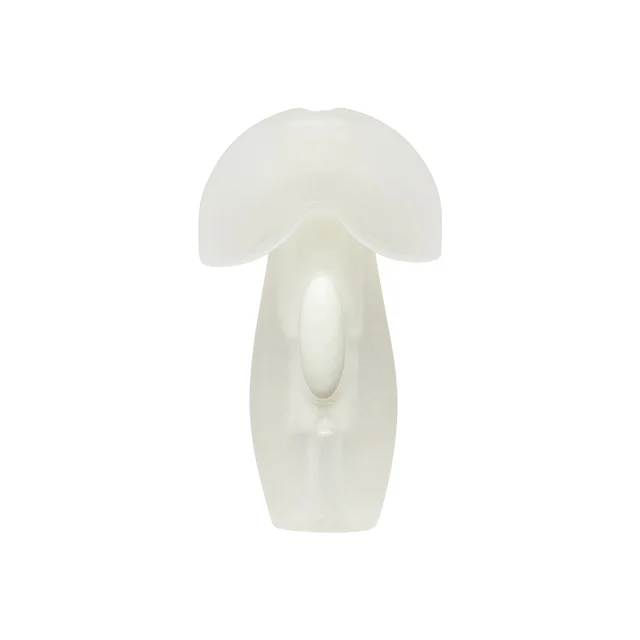
A well-made reusable plug whose rigid core makes it the wrong choice for sleeping.
Best for: Open-plan offices and travel during waking hours - not a night on your side
- Durable, washable design with three sizes in the pack to find your fit
- Reduces noise while keeping voices relatively natural, which suits daytime use
- The firm inner stem digs into the ear when you lie on your side, a recurring complaint in owner reports
- Fit is hit-or-miss - many owners find one size hurts while the next falls out overnight
- Costs many times more per pair than foam while blocking less noise, and US retail availability is spotty
| Criteria | Loop Quiet 2 Top pick | Moldex Pura-Fit 6800 | Alpine SleepSoft | Happy Ears Discovery Pack |
|---|---|---|---|---|
| Verdict | Buy it | Buy it | It depends | Skip it |
| Best for | Side sleepers and nightly users who want comfort and reusability over maximum noise blocking | Back sleepers, heavy-snoring households, and anyone who wants the most silence per dollar | Parents, on-call workers, and anyone who needs to dampen noise without sealing the world out completely | Open-plan offices and travel during waking hours - not a night on your side |
| Price tier | $$ · mid-range | $ · budget | $$ · mid-range | $$ · mid-range |
| Type & material | Reusable soft silicone, flush in-ear | Disposable slow-recovery foam | Reusable filtered silicone | Reusable oval plug with firm core |
| Noise blocking (reported) | Moderate - dims snoring, won't erase it | Highest of the group when inserted well | Mild-to-moderate by design | Moderate at best; many owners underwhelmed |
| Side-sleeper comfort | Excellent - nothing protrudes | Fair - long body can press on the pillow | Good - soft with no hard parts | Poor - rigid stem digs in |
| Reusability & lifespan | Years with washing | Single-use; a few nights at most | Months of nightly use | Long-lasting if the fit works |
| Sizing options | Four tip sizes included | One size, foam conforms | One size, heat-softening fit | Three sizes in the pack |
| Hears alarms / baby | Usually - depends on volume | Hardest to hear through | Yes - filter designed for it | Usually |
| Price tier | $$ · mid-range | $ · budget | $$ · mid-range | $$ · mid-range |
Which one is right for you?
- Side sleepers and nightly users who want comfort and reusability over maximum noise blocking Buy it Loop Quiet 2
- Back sleepers, heavy-snoring households, and anyone who wants the most silence per dollar Buy it Moldex Pura-Fit 6800
- Parents, on-call workers, and anyone who needs to dampen noise without sealing the world out completely It depends Alpine Hearing Protection Alpine SleepSoft
- Open-plan offices and travel during waking hours - not a night on your side Skip it Happy Ears Discovery Pack
Blocking noise while you sleep sounds like a solved problem - roll up some foam, push it in, done. But owner reports tell a messier story: plugs that dig into the pillow, fall out by midnight, block too little snoring or too much alarm. The right earplug depends heavily on how you sleep and what’s keeping you up, so we compared the leading option from each major design camp.
How we judged the field
We don’t run a hearing lab. Instead we synthesized independent testing of sleep earplugs with large volumes of aggregated owner reports - the long-haul reviews from people who wear these things every night, not just one demo session. Four criteria mattered most: real-world noise reduction (not just the label), comfort for side sleepers (the failure mode that kills most earplugs), whether critical sounds like alarms still get through, and cost over a year of nightly use. We required every pick to be a current, buyable 2026 product.
Loop Quiet 2
Buy itThe Quiet 2 is the earplug that finally got side sleepers to stop giving up on earplugs. Its soft silicone ring sits entirely inside the outer ear - nothing protrudes - so when your ear presses into the pillow there’s no stem or foam cylinder grinding into it. Owners overwhelmingly describe forgetting they’re wearing them, and with four tip sizes in the box, most ears can find a genuine seal. Independent testing consistently notes the tradeoff: a flush silicone plug does not match well-inserted foam for raw attenuation. The Quiet 2 dims a snoring partner and hallway noise rather than erasing them. But the plug you keep in until morning beats the plug you tear out at 3 a.m., and years of washable reuse make the mid-range price cheap over time. The honest knocks: the small parts are easy to lose in the sheets, and a loosely fitted tip can occasionally separate from the body.
Moldex Pura-Fit 6800
Buy itIf your question is simply “what blocks the most noise for the least money,” the answer hasn’t changed in years: quality disposable foam, and the Pura-Fit is the version reviewers and owners keep returning to. It carries the 33 dB NRR label - the practical ceiling for consumer earplugs - and its slow-recovery, PVC-free foam expands into a deep, even seal that owners credit with muting serious snoring and street noise. Bought in bulk, each pair costs next to nothing. The compromises are structural. The Pura-Fit’s longer body is what makes it easy to insert and remove, but it also means the base sits proud of the ear; side sleepers regularly report pillow pressure by morning. And foam is disposable - stretching pairs across many nights degrades both hygiene and seal. Back and stomach sleepers with loud environments should start here.
Alpine SleepSoft
It dependsThe SleepSoft answers a question the other plugs ignore: what if you need less noise but not zero noise? Its acoustic filter is tuned to knock down snoring and traffic rumble while deliberately passing the frequencies of alarms, doorbells, and a crying child. The body is a soft thermo-shape material that warms and conforms to the ear, with no hard parts - most side sleepers get on with it well. Owners who chose it for exactly this use case, especially parents and on-call workers, tend to love it. Whether you should buy it depends entirely on your noise problem. Against a truly loud snorer or thin apartment walls, reviewers find the filtered design simply lets too much through, and light sleepers end up layering white noise on top. Owner reports also note the soft material loosens overnight for some ears and wears out after months of nightly use, making the running cost higher than it first appears.
Happy Ears Discovery Pack
Skip itHappy Ears makes a genuinely nice reusable plug - durable, washable, minimalist Swedish design, three sizes in the discovery pack. For office focus or travel it’s perfectly defensible. As a sleeping earplug, which is how it’s widely marketed, the owner reports are hard to ignore: the plug’s firm inner core and stem press into the ear the moment you lie on your side, and “fine until I rolled over” is the recurring theme. Sizing compounds the problem - a striking number of owners report that one size hurts while the next size down falls out overnight, leaving no usable middle. Add moderate real-world noise reduction that many owners found underwhelming against snoring, a per-pair price many multiples of foam, and spotty US retail availability in 2026, and there’s no sleeping scenario where it beats the three plugs above. Skip it for sleep.
Loop Quiet 2 vs Moldex Pura-Fit 6800: which should you buy?
This comes down to a single question: what’s louder - your environment, or your discomfort? The Pura-Fit blocks meaningfully more sound. For a heavy-snoring partner, a snorer through thin walls, or shift sleeping in a daytime household, foam’s deep seal is the difference between muffled and gone, and the bulk-pack price makes it a risk-free experiment. The Quiet 2 wins everywhere else. It’s the plug you can wear on your side for eight hours, wash on Sunday, and still be using next year - and moderate blocking that stays in your ear all night outperforms maximum blocking you remove halfway through. Side sleepers should buy the Loop; back sleepers in loud rooms should buy the Moldex; light-sleeping side sleepers in genuinely loud rooms should buy both and layer the foam in on the worst nights.
What to look for
- Match the plug to your sleep position. Side sleepers need a flush or soft-bodied plug; protruding foam stems are the top comfort complaint in owner reports.
- Treat the NRR label as a ceiling, not a promise. Fit and insertion technique determine real-world blocking - a rolled, deeply seated foam plug outperforms a casually placed one by a wide margin.
- Decide what you still need to hear. Filtered plugs like the SleepSoft preserve alarms and kids’ voices; maximum-isolation foam may need a vibrating alarm as backup.
- Count the yearly cost, not the sticker. Disposable foam is cheap per pair but adds up nightly; washable silicone costs more upfront and less by spring.
- Check sizing options. Multiple tip or plug sizes dramatically raise the odds of a seal that neither hurts nor falls out.
- Mind hygiene. Replace foam frequently and wash reusables with mild soap; a plug that lives in your ear canal eight hours a night should not be grimy.
Our final take
The field has a comfortable answer for almost everyone. The Loop Quiet 2 is our overall pick because it solves the problem that actually defeats earplugs - staying comfortable and sealed until morning - while being washable and durable enough to make its price irrelevant over a year. The Moldex Pura-Fit 6800 is the runner-up and the outright winner for back sleepers who need maximum silence on a minimum budget. The Alpine SleepSoft earns its place for the parent or on-call sleeper who needs the world quieter but not gone. And the Happy Ears Discovery Pack, likable as it is at a desk, is the one to skip at bedtime - a rigid core and lottery sizing are exactly the wrong traits to press your ear against for eight hours.
Questions, answered
Is it safe to sleep with earplugs every night?
Most people can wear earplugs nightly without trouble, but they can push earwax deeper over time, and dirty plugs raise the risk of irritation or infection. Wash reusable plugs regularly, replace foam pairs often, and stop if you notice pain, itching, or muffled hearing after removal. This is general product information, not medical advice - if you have ear problems, tubes, or recurring infections, consult a professional before using earplugs for sleep.
Will I still hear my alarm or my kids with earplugs in?
Usually yes with moderate plugs like the Loop Quiet 2 or the filtered Alpine SleepSoft, which is specifically designed to let alarms and voices through. Deep-sealing foam like the Moldex Pura-Fit blocks the most and is the riskiest for oversleeping - many owners compensate with a louder alarm, a vibrating phone under the pillow, or a smartwatch.
Foam vs. silicone earplugs - which is better for sleeping?
Foam blocks more noise; silicone is more comfortable and reusable. If you sleep on your back next to a loud snorer, foam usually wins. If you sleep on your side, a flush silicone plug is far more likely to stay in all night - a plug you remove at 3 a.m. blocks nothing.
What does the NRR rating actually mean?
The Noise Reduction Rating is a lab-derived label for how much sound a plug can block under ideal conditions - 33 dB is the practical ceiling for consumer foam. Real-world reduction is almost always lower because fit is imperfect, so a well-inserted mid-rated plug often beats a poorly inserted high-rated one. Insertion technique matters as much as the number on the box.
How often should I replace my earplugs?
Disposable foam is designed for single use; in a clean bedroom most people stretch a pair to a few nights, but the foam stiffens and hygiene degrades quickly. Washable silicone like the Loop Quiet 2 lasts years with soap-and-water cleaning, though ear tips should be replaced when they discolor or lose their seal. Filtered plugs like the Alpine SleepSoft typically need replacing after several months of nightly wear.
Deciding between the top two? See our head-to-head: Loop Quiet 2 vs Moldex Pura-Fit 6800.
More Health & Wellness reviews
 The Best Electric Heated Blankets: 4 Compared (and One to Skip)
  The Best Escape Ladders: 4 Compared (and One to Skip)
  The Best Essential Oil Diffusers for Home: 4 Compared (and One to Skip)
  The Best Eye Wash Stations: 4 Compared (and One to Skip)
  The Best Fire Extinguishers: 4 Compared (and One to Skip)
  The Best First Aid Kits: 4 Compared (and One to Skip)