Explained
Cat Scratching Posts, Explained
After reading this you will be able to look at any scratching post or cat tree listing and tell, before you buy, whether your cat will use it or walk past it to the sofa.
In this guide
Scratching is claw maintenance and territory marking, not misbehavior, so the goal of this purchase is not to stop the behavior but to give it a better target than your furniture. Almost every scratcher that gets ignored fails for one of three boring reasons: it is too short for a full stretch, it wobbles, or it is covered in the wrong material. Product listings talk about levels, perches, plush and designer finishes, which are the specs that matter least to the cat.
The 30-second version
- Surface material decides everything. Woven sisal fabric is the most reliably used surface, sisal rope is a solid second, and carpet or seagrass are where posts start getting ignored.
- Height means usable height. The cat has to be able to reach up with front paws fully extended and still find surface above its claws, so measure your cat rather than trusting the box.
- A wobble is permanent. One rock under a hard pull is often enough for a cat to write off a post for good, which is why base weight and footprint beat clever design.
- Vertical and horizontal are different products. A flat cardboard lounger will not save sofa arms, and a tall post will not satisfy a cat that shreds rugs, so most homes want one of each.
- Placement outranks looks. The scratcher belongs beside the furniture being damaged and near where the cat sleeps, so a beautiful tower that has to live in a spare room has already failed.
The products this guide is about
Our verdict on each, with the full reasoning on the companion review.
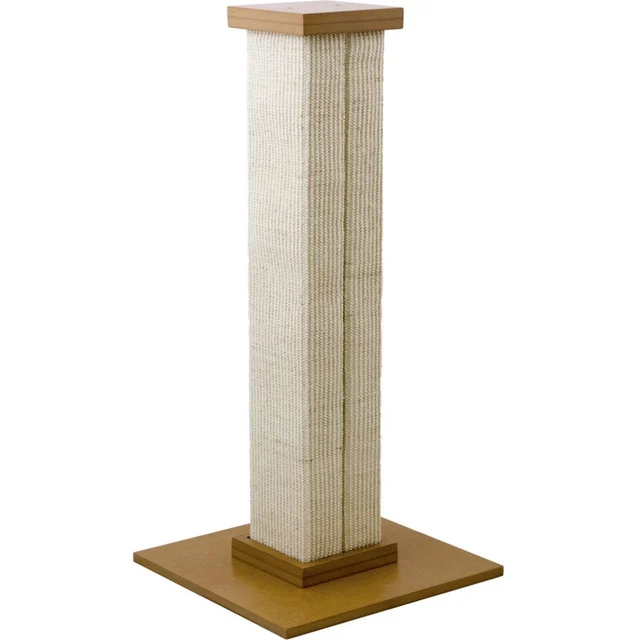
- Buy SmartCat The Ultimate Scratching Post The tall, heavy, woven-sisal post that every other post gets measured against. Amazon
- Buy Armarkat Classic Real Wood Cat Tree B6203 A five-level real-wood tower that adds climbing and hiding without giving up sisal posts. Amazon
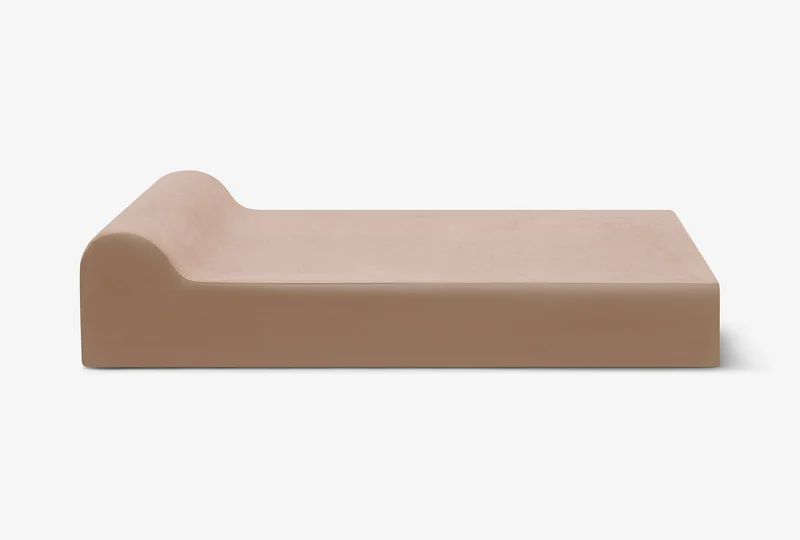
- It depends PetFusion Ultimate Cat Scratcher Lounge Cats take to the curved cardboard immediately, but it is a consumable that never offers a vertical stretch.
- Skip Catit Vesper High Base Cat Tree The best-looking tower in this group, with the weakest scratching surface and the highest price. Amazon
What actually matters
- Scratching surface is the single strongest predictor of use. Owner surveys reported in veterinary literature consistently put rope and sisal surfaces at the top of what cats actually use, even though carpet-covered posts are the ones most often bought for them.
- Usable vertical height is the length of continuous surface the cat can stretch against in one run. Roughly the height of an adult cat standing on its hind legs with front paws extended is the working minimum, and large breeds need noticeably more.
- Base stability comes from weight and footprint, not marketing. Weighted two-piece bases and wide pressed-wood platforms stay planted; narrow bases and tall hollow tubes rock, and a cat only needs to feel that once.
- Durability of the surface is where price differences actually show up. Woven sisal fabric wears down evenly over years, sisal rope unwinds into loose loops sooner, and cardboard is a consumable measured in months.
- Angle matters because cats have individual preferences. Vertical posts serve the full-body stretch and territory marking; horizontal pads and loungers serve cats that already target rugs and carpet.
- Enrichment features (levels, perches, dens) are a separate purchase decision from scratching. They matter a lot in multi-cat homes and for bored climbers, and not at all if your only problem is a shredded sofa corner.
- Replaceability stretches the life of a sound frame. Posts that can be rewrapped or swapped out mean the frame outlives the surface instead of being thrown away with it.
The specs, in plain English
Green flags vs red flags
Green flags
- The listing names woven sisal fabric or sisal rope specifically, rather than the vague word "natural fiber"
- A stated usable scratching height that clears your cat's full standing stretch with room above the claws
- A base that is described as weighted, two-piece, or noticeably wider than the post
- Replacement posts, wraps or cushions sold separately, so the frame can outlive the surface
- Long-run owner reports measured in years of daily use rather than weeks
- A footprint small enough to sit right next to the furniture your cat is currently ruining
Red flags
- Carpet listed as the scratching surface, which snags claws and blurs the line with your floor
- Seagrass posts sold at a premium price, especially for a humid home
- Photos where the whole thing is styling and no dimension for usable sisal height is given anywhere
- A tall tower on a narrow base, or one built on hollow cardboard tubes
- Reviews that mention wobbling, swaying at the top, or hardware that loosens
- Horizontal-only cardboard sold as a fix for a cat that scratches sofa arms and door frames
Who's who: the brands
- SmartCat (Pioneer Pet) - Known for one thing: a tall, heavy, woven-sisal post with no features, which is the benchmark other posts get measured against.
- Armarkat - Mid-priced cat trees built on real and pressed wood with sisal-wrapped support posts, popular in multi-cat homes for the levels-per-dollar.
- PetFusion - Best known for dense corrugated cardboard loungers that hold up much better than typical cardboard, and for reversible designs.
- Catit (Vesper line) - Design-led furniture-look towers with wood finishes and replaceable parts, but seagrass posts that plenty of cats decline.
- Trixie - Broad European range of trees and posts across price tiers, with sisal-wrapped posts and lots of plush; quality varies by model.
- Frisco - Retailer house brand covering budget posts, cardboard scratchers and simple trees, usually the value option rather than the durable one.
How to read a listing without getting fooled
Start by ignoring the headline height and hunting for two numbers: how tall the continuous scratching surface is, and how wide the base is. A listing that shouts "62 inch tall cat tree" may only offer short sisal segments between platforms, which is less usable stretch than a single plain post half its height. Next, find the exact word for the surface. "Sisal fabric" and "sisal rope" are specific and good; "natural fiber", "jute look" and "woven texture" are hedges that often mean seagrass or carpet. Then read the covering separately from the surface: plush and carpet on the platforms is fine, plush and carpet on the parts meant to be clawed is not. Finally, use the owner reports as your durability lab. Search them for the words wobble, sway, tip, fray, unravel and mold, and pay far more attention to reports written months after purchase than to the enthusiastic ones written on day two, since almost every scratcher looks good the day it arrives.
How much should you spend?
This is a category where the value sweet spot sits in the middle and stays there. The cheapest posts save money on exactly the things that decide whether the product works, using short posts, light bases and carpet instead of sisal, so a bargain post that gets ignored costs more than a mid-priced one that gets used every day for years. A single tall, heavy, woven-sisal post is the highest-return purchase in the whole category and does not need to be expensive; you are paying for weight and material, not features. Stepping up to a cat tree is a genuine upgrade only if you want climbing, perches and a den as well, which is mostly a multi-cat or bored-indoor-cat situation. Above that, extra money buys styling, wood-look finishes and designer shapes, and it very often buys a worse scratching surface at the same time, so premium price and premium scratching are not the same thing here. Cardboard scratchers are the one place where cheap is correct, because they are consumables you will replace on a schedule regardless of what you paid. If you have room in the budget for one upgrade, spend it on a heavier base and taller usable sisal rather than on levels or looks.
Questions, answered
Sisal or cardboard: which do cats actually prefer?
Both get used, but for different motions. Owner surveys reported in veterinary literature find rope and sisal surfaces are used most often, even though carpet posts are the ones most commonly offered. Sisal gives claws something to catch and pull against, which is what makes a vertical stretch satisfying. Cardboard is cheap and appeals to cats that like to lie down and shred horizontally. If you are unsure, offer one of each and watch which one the cat goes to first.
How tall does a scratching post really need to be?
Tall enough that your cat can reach up with front paws fully extended and still have surface above its claws. For an average adult that means roughly 30 inches of usable sisal, and more for large breeds. Short posts are the single most common reason a new scratcher gets ignored, because the sofa arm the cat prefers happens to be exactly the right height for a full stretch.
Why is my cat ignoring the post I just bought?
Usually one of four things. It wobbled once and the cat wrote it off. It is too short for a full stretch. It is covered in carpet, which snags claws and feels like the floor. Or it is in the wrong room. Move it directly beside whatever is being damaged and near where the cat sleeps, since the first stretch after waking is prime scratching time, and give it a week before deciding it failed.
Are carpet-covered posts and trees worth it?
Not for the scratching surface. Carpet loops catch claws in a way many cats find annoying rather than satisfying, and a carpet-covered post looks and feels like the carpet on your floor, which quietly teaches the cat that floor carpet is also fair game. Carpet and fleece are fine on platforms where cats sit and sleep. Keep sisal on the parts meant to be clawed.
How many scratchers does one cat need?
Plan on at least two: one vertical near the furniture being targeted, and one horizontal near a favorite sleeping spot. Multi-cat homes want more, spread across rooms, because scratching is partly territorial marking and cats do not like queuing for it. Adding a second cheap horizontal pad is almost always a better use of money than upgrading to a fancier single tower.
Does scratching replace nail trims?
Scratching sheds the loose outer claw sheath, which is a normal and healthy part of claw maintenance, but it is not the same as routine nail care, and needs vary by cat, age and lifestyle. This is general product information rather than veterinary advice. If claws look overgrown, if a cat suddenly stops scratching, or if a paw seems sore, talk to a veterinary professional.
Or jump to the head-to-head: SmartCat The Ultimate Scratching Post vs Armarkat Classic Real Wood Cat Tree B6203.