Explained
Dog Beds, Explained
After reading this, you will know which type of dog bed fits your dog and how to see past the marketing on any product listing.
In this guide
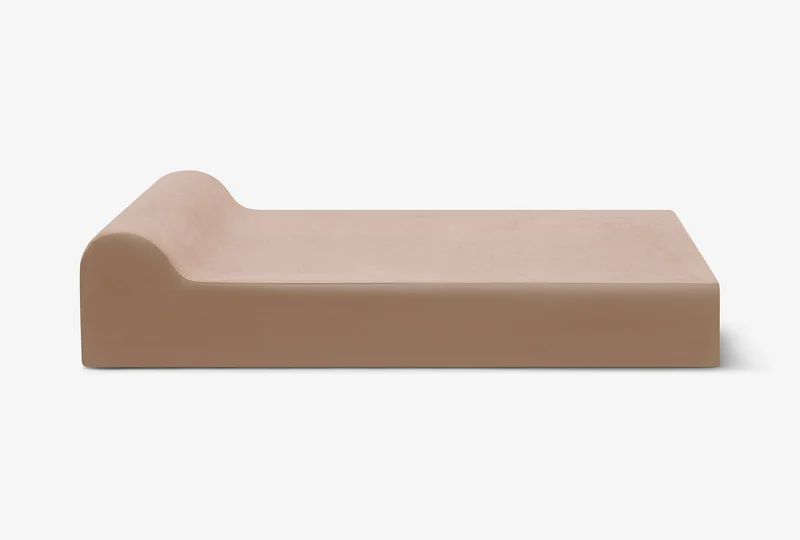
"Dog bed" is really four different products sharing one name: a thick orthopedic slab for aging joints, a walled bolster for dogs who nest, a cheap washable mat, and a tough elevated cot for chewers and hot rooms. Most buyers pick on looks or price and end up replacing a flattened bed within a season. The trick is matching the bed to your specific dog before you compare features.
The 30-second version
- The type matters more than the brand. Decide first whether you need orthopedic support, a cozy bolster, budget washability, or chew resistance, because those are almost mutually exclusive goals.
- Foam density beats foam thickness. Cheap "orthopedic" foam flattens within months, while genuinely dense support foam holds its shape for years, so density is what you are really paying for.
- Sizing labels can mislead. Many beds run small for their named size, so measure your dog stretched out and trust the size chart, not the word "large."
- No plush cover is truly chew-proof. If your dog destroys bedding, only an armored elevated cot will survive; a tough fabric cover only resists casual scratching.
- Cooling claims are inconsistent. Gel-topped foam feels cool for a few minutes before warming to body temperature, whereas an elevated airflow bed cools more reliably.
The products this guide is about
Our verdict on each, with the full reasoning on the companion review.
- Buy Big Barker 7" Orthopedic Dog Bed (Headrest Edition) The gold-standard orthopedic bed for big, aging dogs - built to support joints and outlast a decade of use. Amazon
- Buy Casper The Dog Bed A handsomely built memory-foam bed with a genuinely tough cover - premium comfort for small-to-large dogs. Amazon
- It depends Furhaven Quilted Orthopedic Sofa Dog Bed Loads of plush, washable comfort for very little money - as long as you match it to a gentle sleeper. Amazon
- Skip K9 Ballistics Chew Proof Armored Vinyl Elevated Dog Bed A near-indestructible elevated cot that keeps dogs cool - but it is a specialist, not a comfort bed. Amazon
What actually matters
- Joint and orthopedic support - thick, dense support foam keeps hips and elbows off the floor, which matters most for large, heavy, or aging dogs and matters little for a small young dog.
- Durability and chew resistance - a bed is only a bargain if it survives your dog; destructive chewers and diggers demand far tougher materials than gentle sleepers.
- Washability and waterproofing - a removable, machine-washable cover is close to essential, and a waterproof liner is worth adding for puppies and seniors prone to accidents.
- Honest sizing - a bed too small forces the dog to hang off the edge, defeating the point, so real measurements beat label names every time.
- Temperature and airflow - hot rooms or thick-coated dogs benefit from elevated, breathable designs, while plush beds retain warmth that a cold-climate dog may prefer.
- Support style - a flat orthopedic slab suits dogs who sprawl, while a bolster with raised walls suits dogs who like to curl, nest, or rest their head on an edge.
The specs, in plain English
Green flags vs red flags
Green flags
- A stated foam thickness and density, not just the word "orthopedic"
- A removable, machine-washable cover with an accessible zipper
- A clear size chart with measurements rather than only names like "large"
- A meaningful warranty against flattening or chewing that shows the maker's confidence
- A design that matches one clear purpose (support, nesting, cooling, or chew resistance)
Red flags
- "Orthopedic" claims with no thickness or density given
- A cover that cannot be removed or washed
- Vague sizing or many owner complaints that the bed runs small
- A bed sold as everything at once, which usually means it does nothing well
- Chew-proof language on a plush fabric bed, which no soft cover can honestly deliver
Who's who: the brands
- Big Barker - Known for deep, high-density orthopedic foam beds aimed at large and senior dogs, backed by a 10-year no-flatten warranty.
- Casper - The mattress maker's dog line, offering polished memory-foam beds with an unusually tough bonded cover for small-to-large dogs.
- Furhaven - A budget-friendly range of plush sofa-style bolster beds in many sizes and colors, best for gentle, lighter sleepers.
- K9 Ballistics - Specialists in near-indestructible chew-proof beds, including armored elevated cots for destructive dogs, crates, and hot climates.
How to read a listing without getting fooled
Start by ignoring the headline adjective and hunting for numbers: a real orthopedic bed states foam thickness and density, while a vague listing that only repeats "orthopedic" or "supportive" is usually thin fill. Read the size chart's actual measurements against your dog stretched out, because named sizes run small across the category. Check whether the cover is removable and machine-washable, and whether a waterproof liner is included or sold separately. Treat "cooling" as a design question, not a marketing word: an elevated airflow bed cools dependably, whereas a gel top only feels cool briefly. Finally, be skeptical of any plush bed that promises to survive a chewer, and read a slice of critical owner reviews to see how the bed holds up after months, not on day one.
How much should you spend?
Spend according to your dog, not the ad copy. For a large, heavy, or aging dog, dense orthopedic foam is where your money genuinely earns its keep, because a premium bed that holds its shape for years is cheaper than replacing a flattened budget bed every season. For a small, young, non-destructive dog, a mid-range or budget washable bolster is usually plenty, and paying up for deep therapeutic foam is largely wasted. The category's worst value is a cheap bed dressed up with orthopedic language: it costs little but fails fast. If your dog is a determined chewer, an armored bed is expensive but the option most likely to last, so the real value question is durability rather than sticker price. In short, spend more when joint support or chew resistance is the goal, and save when comfort and washability are all you need.
Questions, answered
What is the difference between an orthopedic and a bolster dog bed?
An orthopedic bed uses thick, dense support foam to relieve pressure on joints, which matters most for large, heavy, or aging dogs. A bolster bed adds raised edges or walls the dog can lean or rest a head against, which many dogs find more secure. The two are not exclusive; some beds combine a foam base with a bolster so you get both.
How do I pick the right size?
Measure your dog nose-to-tail while it lies stretched out, add several inches, and then check the brand's size chart rather than trusting the label name. Many beds run small, so when a dog falls between sizes or is still growing, sizing up is the safer choice.
Which type of bed survives a dog that chews or digs?
An armored, elevated cot with a ballistic-fabric or vinyl surface is the most likely to survive a determined chewer. Tough bonded fabric covers resist casual scratching, but no plush, foam-filled bed is genuinely chew-proof, so match the bed to the behavior rather than hoping a soft cover holds up.
Do cooling dog beds really keep a dog cooler?
It depends on the design. Gel-topped foam beds usually feel cool only briefly before warming to body temperature, according to owner reports. An elevated bed cools more reliably because air circulates underneath, which is why airflow beats gel for a dog that runs hot.
Are more expensive dog beds actually worth it?
For large or aging dogs, yes: dense orthopedic foam that holds its shape for years costs less over time than repeatedly replacing a flattened budget bed. For a small, young, gentle dog, a mid-range washable bolster is usually enough, and the extra money for deep therapeutic foam is largely wasted.
Or jump to the head-to-head: Big Barker 7" Orthopedic Dog Bed (Headrest Edition) vs Casper The Dog Bed.