Explained
Cat Nail Caps, Explained
After reading, you'll understand how nail cap sizing works, how many applications a pack really buys, what the veterinary bodies say about them, and the handful of rules that keep them safe.
In this guide
Almost everything that goes wrong with nail caps traces back to two mistakes made before the glue comes out. The first is buying a size by guesswork instead of test-fitting a cap dry, which is why people conclude that caps "do not work" when what happened is the caps were too big to bond. The second is treating a pack as a one-time purchase rather than a subscription to a job you redo every four to six weeks. Cap counts, colours and adhesive types are all secondary to those two.
The 30-second version
- Fit decides everything, so test-fit a cap dry before you open the adhesive, and buy from a maker that offers four sizes rather than two.
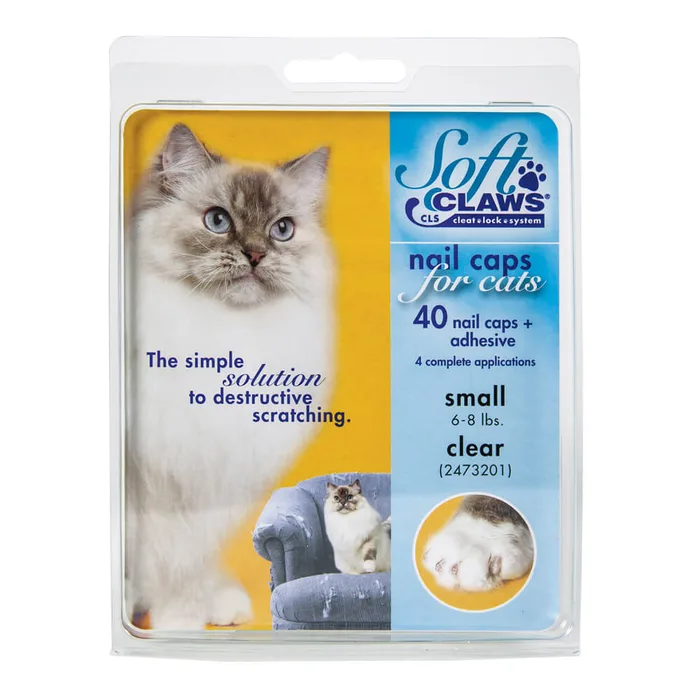
- Count applications, not caps, because a cat has ten front claws, so a 40-cap pack is four full front-paw applications and roughly four to six months.
- Four to six weeks is the interval, and it is what the AVMA publishes as well as what both specialist makers state, tied to the cat shedding the outer claw sheath.
- Indoor cats only, because both makers state plainly that caps blunt a defence the cat may need outdoors, on a fence or up a tree.
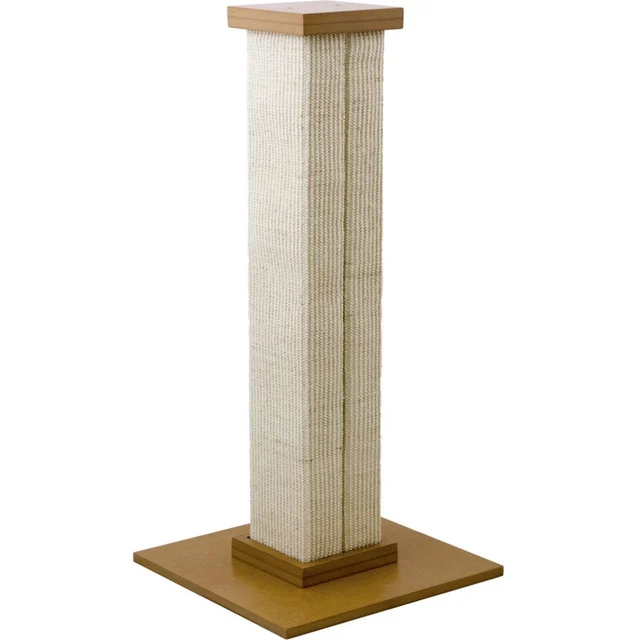
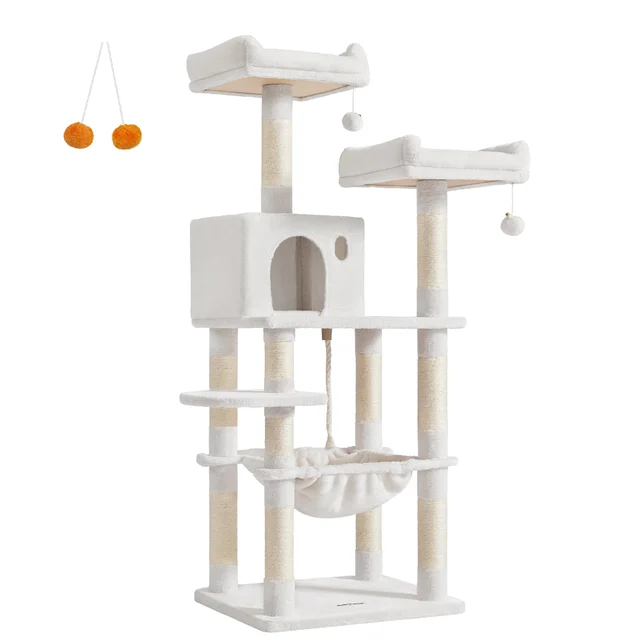
- Caps manage, they do not fix, so the scratching post and the claw trims stay in the routine rather than being replaced by a set of covers.
The products this guide is about
Our verdict on each, with the full reasoning on the companion review.
- Buy Soft Paws / Soft Claws Nail Caps for Cats, 40 ct The original vinyl claw cover, with the widest published sizing guidance and the clearest instructions in the category. Amazon
- Buy Purrdy Paws Soft Nail Caps for Cats, 40 Count Kit Four sizes and the same four to six week wear window for less, plus a wide colour range. Amazon
- It depends Purrdy Paws Soft Nail Caps for Cats, 100 Count Value Pack One hundred caps: excellent if you already know your size and your cat, a gamble if you do not. Amazon
- Skip Whisker City Cat Nail Caps, 40 Count Generous on adhesive, stingy on sizes, and the sizes are the part that decides whether caps work.
What actually matters
- Size band - makers publish claw size by proxy, using weight and age bands from under 5 pounds through 14 pounds and up. A cap in the right band should slide on snugly like a glove with no wobble, and if it does not, the adhesive will not hold.
- Front-paw application - ten caps, one per front claw, is the real unit of consumption. Reading pack sizes this way turns a 40-cap kit into four applications and a 100-cap kit into ten, which is the number that tells you how long you are committing for.
- Adhesive count - specialist kits ship roughly one tube per twenty caps. Too little glue and you end up buying tubes separately mid-cycle, which is the point at which most people quietly give up on the routine.
- Wear interval - four to six weeks is what both makers publish and what the AVMA lists. It is not a marketing number, it is tied to how fast a cat sheds the outer sheath of the claw, so slow shedders may need you to intervene.
- Weekly claw check - both makers ask you to look at the claws at least once a week. Cat claws grow in a curve, and one left long under a cap can start turning toward the paw pad, which is the specific thing you are checking for.
- Retraction - Soft Paws states its caps are designed not to interfere with normal extension and retraction.
- Indoor-only limit - this is a hard condition, not a suggestion, and both specialist makers put it in writing. A capped claw is worse for self-defence and worse for climbing, which are the two things an outdoor cat needs claws for most.
The specs, in plain English
Green flags vs red flags
Green flags
- Four cat sizes with published weight and age bands rather than a vague small and large.
- The pack or listing states a four to six week wear interval.
- Instructions tell you to test-fit a cap dry before opening the adhesive.
- The maker states in writing that caps are for indoor cats only.
- The kit includes applicator tips and enough adhesive for the cap count, roughly one tube per twenty caps.
Red flags
- Only one or two sizes offered for a range that should run from kittens to large cats.
- No stated replacement interval anywhere on the pack or the listing.
- A very large cap count shipped with a single small adhesive tube.
- Marketing that positions caps as permanent or as a replacement for scratching posts and claw trims.
- No mention anywhere that caps are unsuitable for cats with outdoor access.
Who's who: the brands
- Soft Paws - The original vinyl nail cap, sold with four cat sizes and unusually complete written guidance.
- Soft Claws - The same product and the same company under a second name, so shopping for one may show you the other.
- Purrdy Paws - Direct-selling value brand with four cat sizes and a four to six week wear window, known for a colour range of over thirty options.
- Whisker City - PetSmart's house brand, which includes a nail file but lists only two sizes, small and medium/large.
- Unbranded bulk multipacks - Marketplace sellers offering very high cap counts at low prices, usually with no published size guidance, no wear interval and no support if the size is wrong.
How to read a listing without getting fooled
Start at the size chart, not the photo. A listing that gives you four bands with weights attached is telling you it has thought about fit, while one offering a single small and large pair is telling you it has not. Next, divide the cap count by ten to get front-paw applications, and multiply that by four to six weeks to see how long the pack really lasts. Then look for the adhesive: count the tubes, check that applicator tips are included, and be suspicious of any pack with a hundred caps and one tube. Finally, read for the awkward sentences. A listing that says caps last four to six weeks, that you should check the claws weekly and that this is not for outdoor cats is a listing written by somebody who understands the product. A listing that only mentions colours and furniture protection has left out the parts that matter.
How much should you spend?
This is an inexpensive category and the spread is narrow. Budget-tier packs get you a working kit from a direct-selling brand with a small cap count, enough adhesive for that count and a full size range, which is genuinely all a first-time buyer needs. Mid-range covers the original brand's standard kit, the retailer house-brand packs and the high-count value packs, and what you are paying for there is either the fullest documentation, same-day availability, or a much lower cost per cap once you are committed. There is no meaningful premium tier: nobody is selling a materially better vinyl cap, so any pack asking a lot more is charging for colour, branding or quantity. The real cost of nail caps is not the pack, it is the hour every month or so that you spend redoing them.
Questions, answered
Do I have to trim the claws before applying caps?
Usually yes for adult cats, as the application instructions typically start with a trim. You are only taking the clear tip off, staying well clear of the quick, which is the pink area near the base that contains blood vessels and nerves. A trimmed claw lets the cap seat properly and reduces the amount of nail that can grow long underneath. Check your maker's instructions for kittens.
Should I cap the back claws too?
Usually not. Furniture damage comes mostly from the front claws, and many owners cap only those. There are two situations where hind caps make sense: a cat that damages upholstery jumping on and off furniture, and a cat that is scratching itself raw because of a skin problem, where caps can reduce self-inflicted damage. That second case is a conversation to have with your vet rather than a DIY decision.
What if a cap has not fallen off after six weeks?
Some cats shed their claw sheaths more slowly, so the cap outstays the window. Soft Paws gives this fix: trim the very tip of the cap, which breaks the adhesive seal, and contact the company if it still will not come off. The reason this matters is the claw underneath. Because cat claws grow in a curve, one left long enough can start turning toward the paw pad, so if you cannot get a cap off, call your vet rather than forcing it.
Is declawing actually illegal where I live?
It depends entirely on where you are. New York prohibits onychectomy, phalangectomy and tendonectomy on a cat by statute except when necessary for a therapeutic purpose, which the law defines as an existing medical condition of the claw rather than convenience or aesthetics. Other states, cities and countries have their own rules, and some have none. Regardless of the law, the AVMA strongly discourages the procedure as elective and the Feline Veterinary Medical Association strongly opposes it, so your vet may decline it even where it is permitted.
Or jump to the head-to-head: Soft Paws / Soft Claws Nail Caps for Cats, 40 ct vs Purrdy Paws Soft Nail Caps for Cats, 40 Count Kit.