Explained
Cast Iron Skillets, Explained
After reading, you will understand the handful of things that separate a great cast iron skillet from a cheap one, and how to ignore the marketing.
In this guide
Cast iron is one of the simplest pans you can buy and one of the most over-explained. It is a single piece of iron that, cared for correctly, cooks beautifully and outlives its owner. What trips up first-time buyers is a wall of jargon: seasoning, sand-cast versus machined, pre-seasoned, helper handles, and price tiers that swing enormously for pans that all do the same core job.
The 30-second version
- Seasoning is a coating, not a coincidence. the slick, dark surface that makes cast iron nearly nonstick is baked-on oil that builds with use, not a factory finish you pay extra for.
- Surface finish is patience versus money. rough sand-cast pans get slick after months of cooking; machined or polished pans get there faster and weigh less, but no finish stays meaningfully slicker forever.
- Weight decides whether you actually use it. a heavy 12-inch pan can top eight pounds full, so a lighter 10-inch or a helper handle matters more than most spec sheets admit.
- One good pan beats a cheap multi-pack. thin, ultra-cheap skillets can rock on flat cooktops and arrive with patchy seasoning; a single well-made pan lasts decades.
- Care is identical across every price tier. rinse hot, scrub, dry on the burner, wipe with a thin film of oil; spending more does not buy you less maintenance.
The products this guide is about
Our verdict on each, with the full reasoning on the companion review.
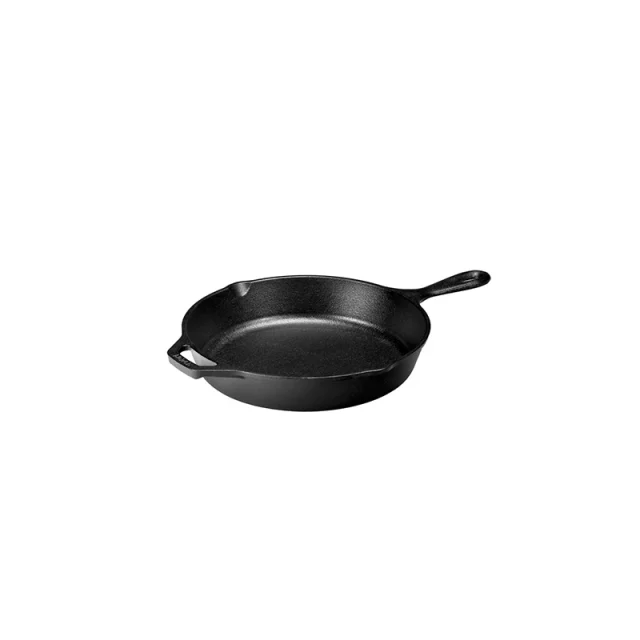
- Buy Lodge Seasoned Cast Iron Skillet A heavy, rough-cast workhorse that costs little and lasts for decades. Amazon
- Buy Field Company No. 8 Cast Iron Skillet A light, machined-smooth pan that seasons fast and is easy to cook with daily.
- It depends Smithey Ironware No. 12 Cast Iron Skillet A polished, heirloom-grade skillet that is refined, heavy, and priced accordingly.
- Skip Cuisinel Cast Iron Skillet A cheap, thin skillet that a single better-made pan out-cooks and outlasts. Amazon
What actually matters
- Surface finish decides how soon the pan releases food. Rough sand-cast interiors need months of cooking to smooth out; machined or polished ones behave well from the start.
- Weight determines whether the pan is a joy or a chore. Thinner-walled castings are far easier to lift and heat faster, while heavy pans hold heat longer but strain the wrist.
- Handle design matters more than buyers expect. A helper handle or assist loop opposite the main handle lets you lift a loaded pan safely with two hands.
- Factory seasoning quality sets your starting point. A good pre-seasoning is usable on day one; a patchy or sticky one means extra work before the pan performs.
- Size should match how you cook. A 10 to 10.25-inch pan suits one or two people; a 12-inch feeds more but is heavier and slower to heat.
- Durability and repairability are the whole point of cast iron. A quality pan shrugs off metal utensils and high heat and can be re-seasoned indefinitely.
- Flat, stable base keeps the pan from rocking on modern cooktops. Thin, warped castings sit unevenly and heat poorly.
The specs, in plain English
Green flags vs red flags
Green flags
- Made from a single piece of iron with a flat, stable base that does not rock
- A helper handle or assist loop on larger pans for safer two-handed lifting
- A smooth or machined interior if you want food release and low weight from day one
- An even, matte factory seasoning with no bare gray patches or sticky spots
- A weight that matches your strength and the pan's size, not just the biggest option
- A clear stance that the pan can be re-seasoned and repaired indefinitely
Red flags
- Very thin castings that can warp or rock on a flat cooktop
- Patchy, blotchy, or sticky factory seasoning out of the box
- A single long handle with no helper handle on a large, heavy pan
- Multi-pack sets priced like one good pan but using thinner, rougher iron
- Marketing that treats a nonstick coating as the selling point (that is not real cast iron seasoning)
- A cooking surface far smaller than the nominal size implies, hidden by steep sloped sides
Who's who: the brands
- Lodge - The default American workhorse: sand-cast, pre-seasoned, inexpensive, and close to indestructible.
- Field Company - Lighter, thinner-walled pans with machined-smooth interiors modeled on prized vintage cast iron.
- Smithey Ironware - Premium, hand-polished, heirloom-grade skillets with a satin-smooth cooking surface.
- Cuisinel - Budget, heavily marketed imported skillets often sold in multi-packs; thin castings and inconsistent seasoning.
- Stargazer - Another modern maker offering lighter, smoother-finished pans between the budget and flagship tiers.
How to read a listing without getting fooled
When you read a cast iron listing, translate the marketing into the few things that matter. "Pre-seasoned" is table stakes, not a differentiator; every bare cast iron pan is oven-safe, so that bullet tells you nothing. Look for the surface description: "sand-cast" or "traditional" means a rough interior that needs breaking in, while "machined" or "polished" means it will release food sooner and usually weighs less. Check the weight and the size together, because a 12-inch pan that sounds impressive may be too heavy to lift full; then check whether there is a helper handle to make that weight manageable. Note that the advertised diameter is measured across the rim, so the usable flat cooking area is always smaller. Finally, ignore any claim about a special nonstick coating; genuine cast iron gets its slickness from seasoning you build yourself.
How much should you spend?
Cast iron rewards patience more than spending. The least expensive well-made pans cook every bit as well as the priciest ones once seasoned, so a modest budget buys a skillet that will outlast you. What extra money buys is convenience, not capability: a lighter pan, a machined or polished surface that releases food sooner, and refined touches like helper handles and cleaner castings. That step up is worth it if you cook several times a week and will feel the lower weight and smoother surface every day; it is hard to justify if you mostly sear, roast, and bake, since a rough budget pan seasons into a near-nonstick surface within a few months anyway. The one place to avoid the bottom of the market is ultra-cheap multi-packs, which cost about the same as a single good pan but deliver thinner, less reliable iron.
Questions, answered
What does "seasoning" actually mean, and do I have to do it?
Seasoning is a layer of oil baked onto the iron until it hardens into a slick, protective coating. Most pans arrive pre-seasoned so you can cook immediately, and the layer keeps building on its own as you cook with a little oil. You only need to actively re-season if the surface wears thin or you strip it by accident.
Is an expensive smooth skillet worth it over a cheap rough one?
It depends on how you cook. A machined or polished pan releases eggs sooner and tends to be lighter, which matters if you cook daily. If you mostly sear, roast, and bake, a rough, inexpensive pan seasons into a near-nonstick surface within a few months anyway and cooks just as well.
How heavy is too heavy?
A 12-inch pan can top eight pounds once full, and lifting that one-handed is hard for many cooks. If wrist strain is a concern, choose a lighter thin-walled 10-inch pan, or make sure the skillet has a helper handle opposite the main one.
Can I put cast iron in the dishwasher?
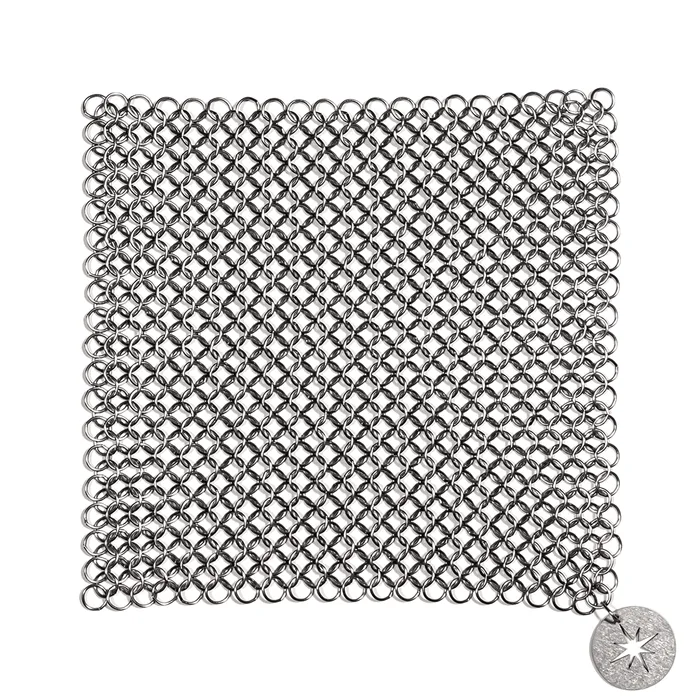
No. Detergent and prolonged water strip the seasoning and invite rust. Rinse with hot water, scrub with a brush or chainmail, dry on the burner, and wipe a thin film of oil. That routine is the same for every cast iron pan, budget or premium.
Are cheap multi-pack skillets a good deal?
Rarely. They often cost about the same as one well-made single skillet but use thinner, rougher castings that can sit unevenly on flat cooktops and arrive with patchy seasoning. One durable pan you keep for decades beats two mediocre ones you replace.
Will a rough pan ever become nonstick?
Yes. The pebbly factory texture fills in with polymerized oil as you cook, and after a few months of regular use it approaches nonstick for eggs and fish. Smooth pans just reach that point faster; they do not end up meaningfully slicker over the long run.
Or jump to the head-to-head: Lodge Seasoned Cast Iron Skillet vs Field Company No. 8 Cast Iron Skillet.