Explained
Carbon Steel Pans, Explained
After reading this, you'll understand what makes one carbon steel pan worth buying over another, and be able to read a product listing without getting fooled by marketing terms.
In this guide
Carbon steel is the pan professional cooks reach for: it sears like cast iron but weighs less, and it builds a slick, natural nonstick surface that improves with use. The catch is that the category hides a lot of jargon, the pans arrive raw and need a break-in ritual, and cheap ones can be rough or warp. This guide decodes the terms so you know what you're actually paying for.
The 30-second version
- Seasoning is the whole game. The nonstick performance you want isn't built into the pan at the factory; it's a baked-on layer of oil you develop over time by cooking with fat.
- "Pre-seasoned" only means a head start, not a finished surface, so you'll still be building coats for weeks whichever pan you buy.
- Handle temperature and weight decide daily comfort far more than brand prestige; a bare-steel handle gets hot and the big sizes get heavy fast.
- A smooth cooking and base surface matters for release, easy cleaning, and not scratching a glass cooktop, and it's a common way cheaper pans cut corners.
- This is a genuine lifetime purchase, so it's worth spending a bit more up front on build quality and a clean safety record than re-buying later.
The products this guide is about
Our verdict on each, with the full reasoning on the companion review.
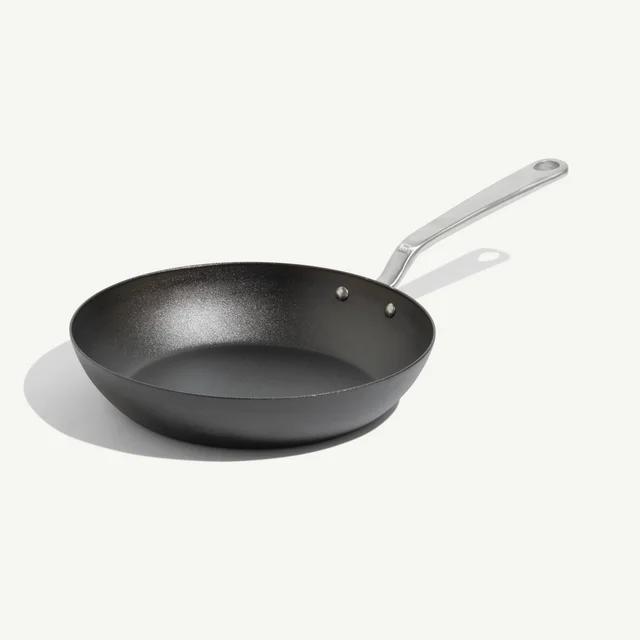
- Buy Made In Seasoned Carbon Steel Frying Pan The most beginner-friendly carbon steel pan, with a hollow stay-cool handle and balanced heft.
- Buy De Buyer Mineral B PRO Carbon Steel Fry Pan A French, buy-it-for-life pan that rewards patience with a near-nonstick surface and a long service life. Amazon
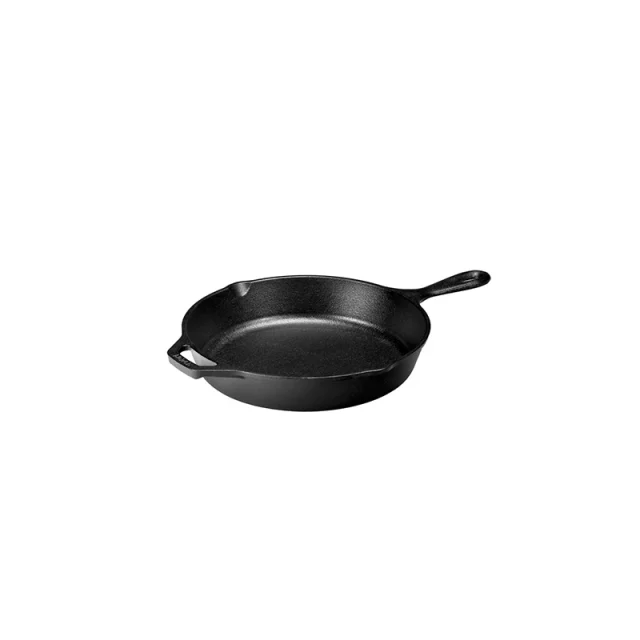
- It depends Lodge Seasoned Carbon Steel Skillet Strong value, but heavier and rougher than its pricier rivals. Amazon
- Skip Tramontina 12 Inch Carbon Steel Fry Pan A low-cost stamped pan, but its maker page says it is not suitable for induction and caps oven use at 350F. Amazon
What actually matters
- Seasoning behavior - how easily the pan takes and holds a nonstick layer determines whether cooking is a joy or a fight, especially in the first few weeks.
- Weight and balance - carbon steel is lighter than cast iron, but larger sizes still tire your wrist, and a well-balanced pan flips and swirls one-handed.
- Handle design and heat - a long or hollow handle can stay cooler on the stove; a short all-steel handle may need a towel or mitt.
- Surface smoothness - a smooth cooking face releases food better and cleans faster, while a rough exterior base can mar glass cooktops.
- Build quality and warp resistance - thicker, well-forged steel stays flat under high heat instead of rocking or bowing over time.
- Out-of-box coating - some pans ship with a protective wax or lacquer you must scrub off before first use, which is normal but worth knowing.
- Safety and compliance record - reputable makers use food-safe steel; look for a stated certification and a clear warranty.
The specs, in plain English
Green flags vs red flags
Green flags
- Ships usefully pre-seasoned or with clear seasoning instructions, so you're not guessing
- A long handle described as staying cooler on the stovetop
- A smooth cooking surface and a base that's safe for glass cooktops
- Thick, forged or heavy-gauge steel praised for staying flat over years of use
- A maker with a long track record in professional kitchens and a clean safety record
- Honest language about a break-in period rather than promises of instant nonstick
Red flags
- Claims of permanent nonstick with no seasoning required (that's not how carbon steel works)
- A rough exterior base, which can scratch glass cooktops and signals cheaper finishing
- Reports of warping or a base that rocks after normal use
- A short, all-steel handle with no mention of heat, meaning it will get hot fast
- An unusually heavy pan in a size you'll lift daily, which becomes a chore
- No stated cooktop compatibility, or an induction warning you didn't expect
Who's who: the brands
- Made In - Direct-to-consumer brand known for a beginner-friendly pan with a hollow Stay Cool handle and useful factory seasoning.
- De Buyer - French heritage maker whose Mineral B line is a long-lasting favorite that ships with a beeswax finish and rewards patient seasoning.
- Lodge - American value stalwart offering pre-seasoned, durable pans at budget prices, though heavier and rougher than premium rivals.
- Tramontina - Budget maker of stamped carbon steel pans with a natural oil finish; its 12-inch fry pan page says it is not suitable for induction and is oven safe only to 350F.
How to read a listing without getting fooled
Start by separating the pan's out-of-box state from its long-term potential. A listing that says "pre-seasoned" is telling you it's ready-ish on day one, but every carbon steel pan needs you to keep building the surface, so don't expect factory nonstick. Look for the steel thickness or gauge and the pan's weight in the chosen size: heavier and thicker means more even heat and less warping but more strain on your wrist. Check the handle description for words like "stays cool" versus a plain all-steel handle that will get hot. Confirm the base is glass-cooktop safe if you cook on glass, and take note if the pan ships with a wax or lacquer coating you'll need to strip first. Finally, read owner reports for the two failure modes that matter most in this category - warping and a rough surface - and give extra weight to any stated cooktop limits, such as no induction.
How much should you spend?
Spend by how the pan feels in your hand and how long you plan to keep it, not by the logo. Budget pans can cook well and last a long time, so if you don't mind extra weight and a rougher finish, the value is real and there's little reason to pay more. Stepping up buys you a smoother surface, better balance, and a handle that stays cooler - comforts you'll appreciate every single day, which is why many cooks find the mid-to-premium tier worth it for a pan they'll use for years. Going all the way to the connoisseur end buys top-tier build quality and heat retention, but that's a preference for people who enjoy the ritual, not a requirement. The one place spending more is clearly justified is avoiding a pan with an unresolved safety question; a clean record is worth a small premium.
Questions, answered
Do I really have to season it, and how hard is that?
Yes. Seasoning is what gives carbon steel its nonstick, rust-resistant surface, and even "pre-seasoned" pans only come with a thin starter layer. In practice it means wiping the pan with a very thin coat of high-smoke-point oil and heating it until it stops smoking, then letting normal cooking with fats build it up over the following weeks. It's more of a habit than a chore.
What's the difference between carbon steel and cast iron?
They're close cousins - both are iron-and-carbon alloys that you season and that hold heat well. The key difference is that carbon steel is rolled much thinner, so it's lighter, heats and cools faster, and is far easier to lift and flip. Cast iron is heavier and holds heat longer once hot, which some cooks prefer for long, steady searing.
Can I use a carbon steel pan on an induction or glass cooktop?
Yes on induction - carbon steel is magnetic, so it generally works on every stove type. Glass is fine too, but some pans, especially budget ones, have a rough exterior base that can scratch a glass surface, so lift rather than slide the pan and check that the base is described as smooth.
Why does my new pan have a waxy or sticky coating?
Some makers apply a protective beeswax or lacquer film so the bare steel doesn't rust before it reaches you. It's not the cooking surface - scrub it off completely with hot, soapy water and a bit of elbow grease before you season the pan for the first time.
Is carbon steel cookware safe, and can metal get into my food?
A well-seasoned carbon steel pan from a reputable maker is broadly regarded as safe, and the baked-on seasoning layer both helps release and limits how much the bare steel contacts your food. This is general product information, not health or medical advice; if you have specific concerns, consult a qualified professional.
How do I clean it without ruining the seasoning?
Avoid the dishwasher, which strips the seasoning and invites rust. Wipe it out or wash it briefly with minimal soap and a soft brush, dry it immediately and thoroughly over heat, then rub in a very thin film of oil before storing. Done this way, the surface only gets better over time.
Or jump to the head-to-head: Made In Seasoned Carbon Steel Frying Pan vs De Buyer Mineral B PRO Carbon Steel Fry Pan.