

Explained
Car Battery Chargers, Explained
After reading this you'll know the difference between a charger and a maintainer, how many amps you actually need, and which specs are safety non-negotiables.
In this guide
A car battery charger is one of those tools people buy in a panic on a dead-battery morning, grab the cheapest box on the shelf, and then wonder why it never seems to fix anything. The confusion is understandable: the same aisle mixes fast chargers, gentle maintainers, and old-fashioned trickle chargers under nearly identical names. This guide untangles the jargon so you buy the right tool for whether you need to revive a flat battery, keep a stored one healthy, or both.
The 30-second version
- A charger and a maintainer are different tools. A charger pushes enough current to refill a drained battery; a maintainer just holds a full battery topped up for months without cooking it.
- Amperage decides the job. Roughly 1 to 2 amps only maintains, while 4 to 10 amps is what actually charges a drained car battery in a reasonable time.
- Match the charger to your battery chemistry. Lithium (LiFePO4) needs a different charging profile than lead-acid, and using the wrong mode can undercharge, stress, or damage the battery.
- A true automatic float stage is what makes 'leave it connected all winter' safe. Old unregulated trickle chargers have no shutoff and can boil a battery dry.
- Recovery features are a bonus, not magic. Desulfation and reconditioning modes can revive some neglected batteries, but nothing saves a battery with a failed cell or physical damage.
What actually matters
- Charge vs. maintain — Decide first whether you need to genuinely refill a drained battery or only keep a healthy one topped up during storage. This single choice drives the amperage you should buy and separates a real charger from a maintainer.
- Amperage matched to battery size — Bigger batteries (measured in amp-hours, Ah) take longer to fill, so more amps means faster charging. A large, deeply drained battery on a low-amp maintainer can take days; the right amperage gets it done overnight.
- Battery chemistry support — Confirm the charger explicitly supports your battery type: flooded lead-acid, AGM, gel, or lithium LiFePO4. The wrong charging profile is the most common way people quietly harm a battery.
- Multi-stage smart charging — A modern charger should ramp through bulk, absorption, and float stages automatically. This is what lets it charge quickly and then hold safely without overcharging.
- A genuine float/maintenance stage — For anyone storing a vehicle seasonally, an automatic float that will not overcharge no matter how long it stays connected is the feature that matters most.
- Safety features — Reverse-polarity protection, spark-free connections, and thermal compensation are the difference between a safe garage tool and a hazard, especially near a battery that can vent flammable gas.
- Voltage range — Most car batteries are 12V, but classics, some powersport batteries, and older equipment are 6V. Buy for the voltages you actually own; some excellent chargers are 12V only.
The specs, in plain English
Green flags vs red flags
Green flags
- Explicit, named support for your exact battery chemistry, including a dedicated mode for AGM or lithium if you use them
- Fully automatic multi-stage charging with a genuine float stage, described as safe to leave connected for months
- Reverse-polarity protection and spark-free (no-spark) connections stated plainly in the specs
- A recovery or desulfation mode if you plan to revive tired or seasonally neglected batteries
- A clear amperage figure that matches your need: higher for charging, lower for pure maintenance
- An IP water rating and quick-connect ring terminals if the charger will be permanently mounted outdoors
Red flags
- The word 'trickle charger' with no mention of automatic shutoff or a float stage, which risks overcharging
- No stated chemistry support, or a vague 'works with all batteries' claim with no lithium or AGM mode
- Missing safety basics like reverse-polarity protection or spark-free connections
- A very low amperage marketed as a full 'charger' when it can realistically only maintain
- No mention of how it behaves once the battery is full, leaving you guessing whether it's safe to leave connected
- Listings that lead with brand hype but never state amps, voltage range, or charging stages
Who's who: the brands
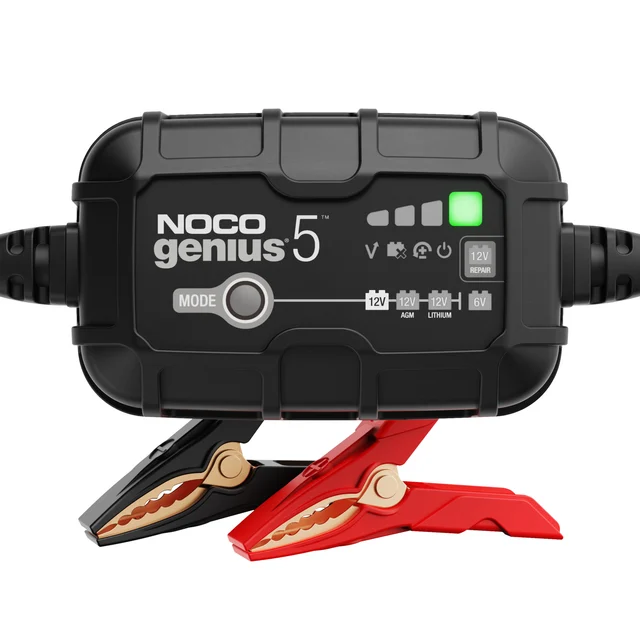
- NOCO - Known for compact, versatile smart chargers that handle many chemistries including lithium, with recovery modes for near-dead batteries.
- CTEK - A premium name associated with gentle, thorough multi-step lead-acid and AGM charging and reconditioning.
- Battery Tender - A long-trusted maintainer brand whose name is almost synonymous with set-and-forget float charging for stored vehicles.
- Schumacher - A widely stocked, budget-friendly maker of basic maintainers and chargers found in most auto parts stores.
- Optima / Deltran - Familiar names in the battery and charging space, often paired with AGM and deep-cycle applications.
How to read a listing without getting fooled
Start by ignoring the big brand name on the front and go straight to three numbers: amperage, voltage range, and supported chemistries. If a listing brags about being a 'charger' but the amperage is only around one to two amps, mentally reclassify it as a maintainer, because that's what it really is. Next, look for the words that describe what happens when the battery fills up: 'automatic float,' 'maintenance mode,' or 'multi-stage' tell you it's safe to leave connected, while 'constant current' or a bare 'trickle charger' with no shutoff is a warning. Confirm your chemistry by name, not by a blanket claim; a charger that lists a specific lithium LiFePO4 or AGM mode is telling the truth, whereas 'works with all battery types' with no modes listed usually doesn't. Finally, if the charger will live outdoors on a bike or boat, check for an IP water rating and quick-connect ring terminals rather than assuming they're included.
How much should you spend?
The cheapest units on the shelf are almost always bare maintainers: fine if all you want is to float a stored battery, but a poor value if you were hoping to revive a flat one. The meaningful jump in price comes when you move from a single-purpose maintainer to a versatile smart charger that both charges and maintains, supports multiple chemistries, and includes a recovery mode; for most drivers that mid-range tier is the sweet spot because one unit replaces a shelf of specialized tools. Spending more than that buys premium, especially gentle multi-step charging and thorough reconditioning, which is genuinely worth it if you baby expensive AGM batteries or store vehicles for long stretches, and overkill if you just need a dependable everyday charger. The false economy to avoid is buying the cheapest 'charger' twice: once when it can't revive your battery, and again when you replace it with the capable unit you should have bought first.
Questions, answered
What's the difference between a charger, a maintainer, and a trickle charger?
A charger delivers enough current to meaningfully refill a drained battery. A maintainer (or tender) is designed to hold an already-full battery at the right voltage for months without overcharging. An old-style dumb trickle charger pushes constant current with no automatic shutoff, which is why it can boil off electrolyte and ruin a battery if left connected too long. The best modern units do both jobs and switch to a safe float automatically.
How many amps do I need for a car battery?
For maintaining a healthy battery, 1 to 2 amps is plenty. For actually charging a drained car battery in a reasonable time, 4 to 10 amps is much better. Bigger batteries take longer, so if you have a large truck or deep-cycle battery, lean toward the higher end. If you only ever need to keep a stored battery topped up, a low-amp maintainer is the right, cheaper choice.
Can I leave a smart charger connected all winter?
Yes, as long as it's a microprocessor-controlled unit with a genuine float or maintenance stage. It monitors the battery and drops to a safe trickle once it's full, so it's fine to leave connected for months. That's exactly what makes these units suitable for stored motorcycles, classics, RVs, and seasonal vehicles, unlike an unregulated trickle charger, which should not be left unattended.
Do I need a charger that supports lithium (LiFePO4) batteries?
Only if you actually have a lithium battery, which is increasingly common in powersports, marine, and some newer vehicles. Lithium packs need a different charging profile than lead-acid, so using a lead-acid-only charger on one can undercharge or stress it. If all your batteries are conventional lead-acid, AGM, or gel, you don't need to pay extra for lithium support.
Will a charger recover a completely dead battery?
Sometimes. A recovery or force mode is built to start charging batteries that have fallen too low for a normal charger to recognize, and a desulfation or reconditioning step can revive some deeply discharged or sulfated lead-acid batteries. But nothing can save a battery with a failed cell or physical damage, and one left flat for a long time may simply be beyond rescue.
Why does matching the charger's mode to my battery chemistry matter so much?
Each chemistry charges best at a specific voltage and profile. Push an AGM or lithium battery with the wrong lead-acid setting and you can undercharge it, shorten its life, or in the worst case create a real safety risk. Choosing the correct mode, or a charger that auto-detects and adjusts, is the single easiest way to protect an expensive battery.
Related guides
 Car Covers After reading this you will know which type of car cover fits where your car actually sleeps, and why chasing the word waterproof usually backfires.
 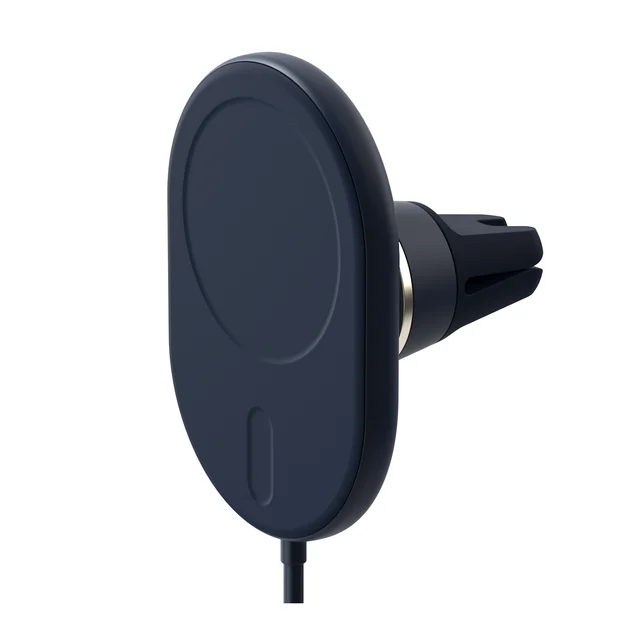 Car Phone Mounts After reading this, you'll know which mount attachment style and grip mechanism fits your car and phone, and which spec-sheet claims to trust.
  Car Seat Organizers After reading, you'll know which type of car organizer fits your clutter, and how to spot the specs that keep it upright, anchored, and easy to clean.
 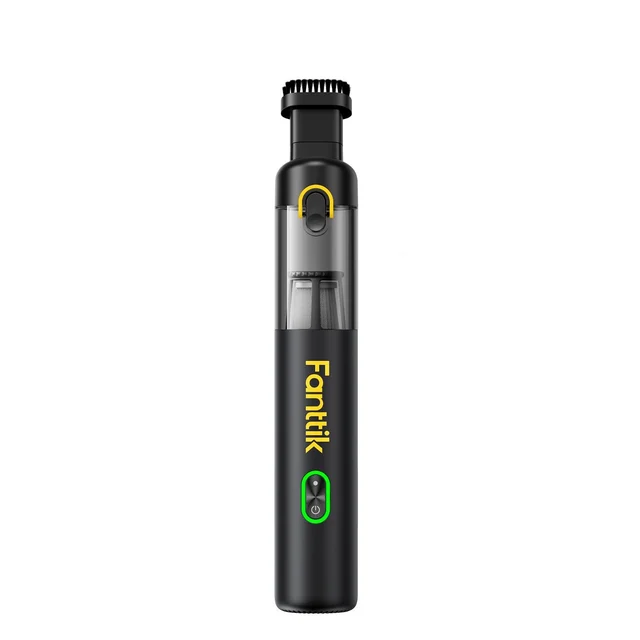 Car Vacuums After reading this you will know which car-vacuum numbers describe real cleaning power and which are marketing, so you can match the tool to how you actually clean.
 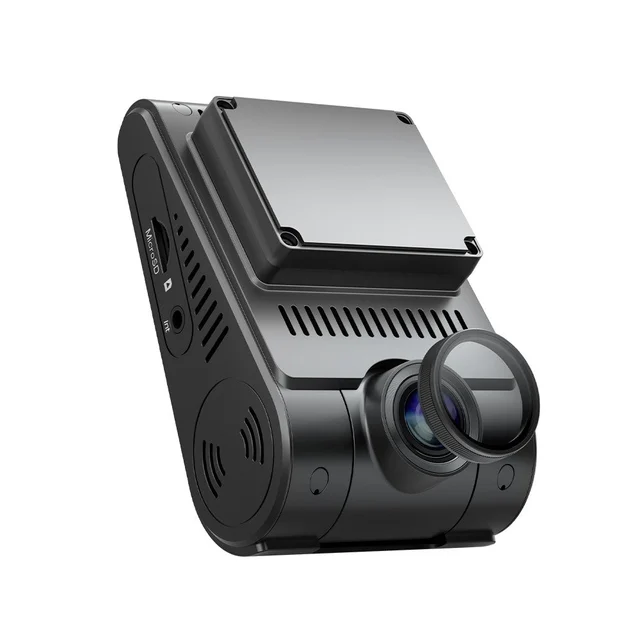 Dash Cams After reading this you will understand what a dash cam listing is really telling you, and which specs decide whether the footage holds up when you need it.
 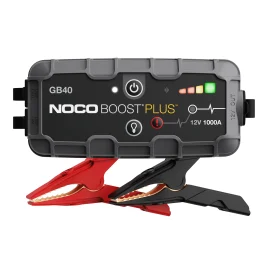 Jump Starters After reading this you will know how to size a jump starter to your engine and which numbers to ignore, so you buy one that turns the key when the battery is dead.