

Explained
Car Phone Mounts, Explained
After reading this, you'll know which mount attachment style and grip mechanism fits your car and phone, and which spec-sheet claims to trust.
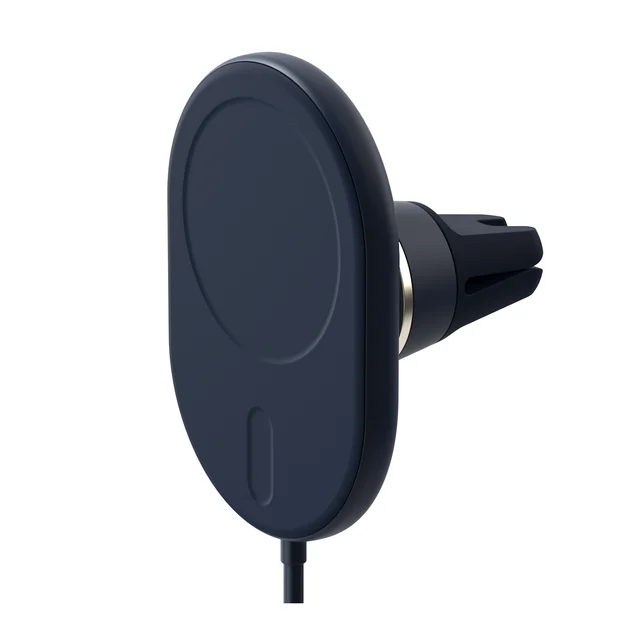
In this guide
A car phone mount looks like a simple accessory, but the choices hiding behind it — where it attaches, how it grips, and whether it charges — decide whether your phone stays put through potholes or slides off on the first turn. Most buyers get tripped up by two things: assuming any mount will hold their big phone securely, and paying extra for wireless charging that turns out to be slower or hotter than expected. This guide decodes the terms so you can match a mount to your actual car and phone.
The 30-second version
- Attachment style comes first. Vent, dashboard, windshield-suction, and adhesive mounts each trade convenience for stability differently, and some placements are restricted by law in certain areas.
- The grip mechanism is the whole game. A magnetic MagSafe-style hold is fast and one-handed, while spring or auto-clamp cradles work with any phone but are slower to dock.
- Wireless charging is a real convenience but not free. It adds cost, needs power from the car, can run hot, and only reaches its rated speed with the right phone and a thin case.
- Match the mount to your phone's size and weight. A heavy Pro Max-class phone stresses weak magnets and cheap clips far more than a compact phone does.
- Cheaper often makes sense. If you already run a charging cable, a charging-free magnetic mount gives you most of the benefit for much less money.
What actually matters
- Attachment stability — a mount is only as good as what it clips to; thin or angled air-vent slats and hot dashboards can defeat an otherwise strong mount.
- Hold strength — the grip has to survive real road shock, not just a showroom demo; this matters most with large, heavy phones.
- One-handed operation — you should be able to dock and undock the phone with one hand without looking, which favors magnetic mounts over clamps you must pry open.
- Charging need — decide up front whether you want the mount to charge; it changes the price, the power wiring, and the heat you'll deal with.
- Phone and case compatibility — confirm the mount works with your phone's magnets (or that you can add a ring/plate), and that it clears a thick or textured case.
- Heat management — wireless charging generates heat, and a mount that traps it will throttle charging speed and can stress the battery over time.
- Adjustability and view — the mount should position the screen where you can glance at it safely without blocking your forward view or airflow.
The specs, in plain English
Green flags vs red flags
Green flags
- The listing states a clear wireless-charging standard (Qi2) and pairs the wattage with the phones that can actually hit it.
- A metal or reinforced ballhead and named adhesive or clamp mechanism, rather than vague 'strong grip' language.
- The mount matches your phone's magnets natively, or clearly includes a ring/plate if your phone needs one.
- Owner reports specifically mention the phone staying put over bumps and rough roads, not just that it 'looks nice.'
- The box tells you exactly what's included — especially whether a 12V car charger comes with a charging mount.
- A design detail that fights the known weakness of the attachment style, like a support hook for a vent mount.
Red flags
- A big wattage number with no mention of the phone or case limits — a sign the 'up to' speed is marketing.
- A mid-range price for a mount that doesn't charge, when charging mounts sit at similar money.
- No mention of how the mount handles heat on a wireless charger, or a fully sealed plastic body that traps it.
- Reliance on a stick-on metal plate as the only way to hold your phone, especially for a large, heavy phone.
- Suction or vent designs with lots of owner complaints about slipping in heat or drooping on angled slats.
- Vague compatibility claims ('fits all phones') with no detail on thick cases or your specific model.
Who's who: the brands
- iOttie - Long-running mount maker known for well-rounded vent and dash mounts that often bundle the car charger you need.
- Peak Design - Premium accessory brand known for machined-aluminum build and its reinforced magnetic mounting system.
- ESR - Value-focused brand known for capable MagSafe-style magnetic accessories at budget prices.
- Scosche - Established car-accessory brand known for versatile, plate-based magnetic mounting kits that fit many phones.
- Belkin - Mainstream charging-accessory brand known for reliable Qi and MagSafe-compatible mounts.
How to read a listing without getting fooled
Read a mount listing from the outside in. First find the attachment style — vent, dashboard/adhesive, windshield suction, or CD-slot — because that decides whether it even fits your car and where it can legally go. Next, pin down the grip: is it magnetic (and does it match your phone's magnets, or need a stick-on ring), or a clamp you open by hand or that closes on its own? Then treat any charging claim skeptically: look for the standard (Qi vs Qi2) and read the wattage as a best case that assumes the right phone and a thin case, not a guarantee. Check what's actually in the box — a charging mount without an included 12V adapter isn't as cheap as it looks. Finally, weigh owner reports for the one thing spec sheets can't tell you: whether it holds a phone your size steady over real bumps. If a listing leans on adjectives ('super strong,' 'universal') instead of the concrete details above, assume the vague part is the weak part.
How much should you spend?
Spend based on one decision: do you want the mount to charge? Charging-free magnetic mounts sit at the bottom of the range and are genuinely good — if you already run a cable or take short trips, this is where most people should land. Wireless-charging mounts cost noticeably more, and the jump buys you the convenience of never fumbling for a cable, plus faster Qi2 speeds at the higher end. The value sweet spot is a mid-tier charging mount that includes the car adapter, since a 'cheaper' mount that makes you buy the adapter separately often costs the same in the end. Paying up to the top tier gets you machined-metal build, the strongest hold, and the fastest charging — worth it if you're hard on gear or want the nicest hardware in the car, but overkill for a light phone and gentle commute. Spending more does not fix a bad attachment style: no amount of money makes a mount stick to a dashboard or vent that isn't suited to it.
Questions, answered
Do I need a MagSafe phone to use a magnetic mount?
You get the strongest, most reliable magnetic hold from a phone or case with built-in magnets. If yours doesn't have them, you can usually add a stick-on magnetic ring or metal plate to make a magnetic mount work — it just holds a bit less securely and is visible on the phone. If you don't want any add-on, a clamp-style mount grips any phone directly.
Will a magnetic mount mess with my phone or its wireless charging?
The magnets in these mounts are designed to sit around the charging coil, so a charging mount charges through the magnetic connection without a problem. The magnets won't harm your phone or its data. The main thing to watch is a stick-on metal plate placed over the charging area on a non-magnetic phone, which can block charging — position it as the instructions show.
Vent, dashboard, or windshield — which mount should I pick?
Vent mounts install in seconds and move between cars easily, but their hold depends on your vent slats and they can block airflow. Adhesive dashboard mounts are the most rock-solid and free up your vents, but they're semi-permanent and you commit to one spot. Windshield suction mounts give a high, in-line-of-sight view but can loosen in heat — and note that windshield mounting is restricted by law in some places, so check your local rules before choosing that spot.
Is a wireless-charging mount worth the extra money?
It's worth it if you regularly run navigation, music, or hands-free calls on longer drives, where it keeps the battery topped up and removes the daily cable fumble. If your trips are short or you already keep a cable handy, a charging-free magnetic mount saves money with little downside. Remember to budget for a 12V car adapter if the mount doesn't include one.
Can vibration from a mount damage my phone's camera?
For normal car use, it's not something most people need to worry about. The concern comes from prolonged, intense vibration — the kind on a motorcycle or a very rough vehicle — which over time can stress a phone's optical image stabilization. If you ride a motorcycle, look specifically for a mount with vibration dampening, and in any vehicle avoid clamping the phone so tightly that road buzz transfers straight into it.
Related guides
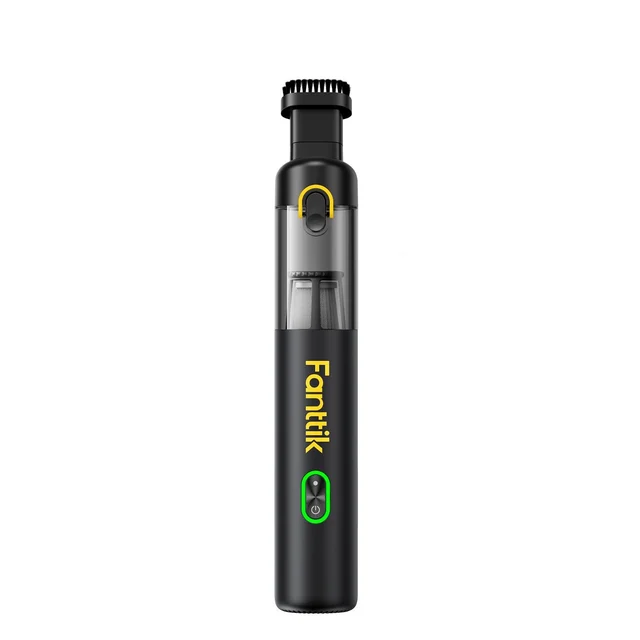 Car Vacuums After reading this you will know which car-vacuum numbers describe real cleaning power and which are marketing, so you can match the tool to how you actually clean.
 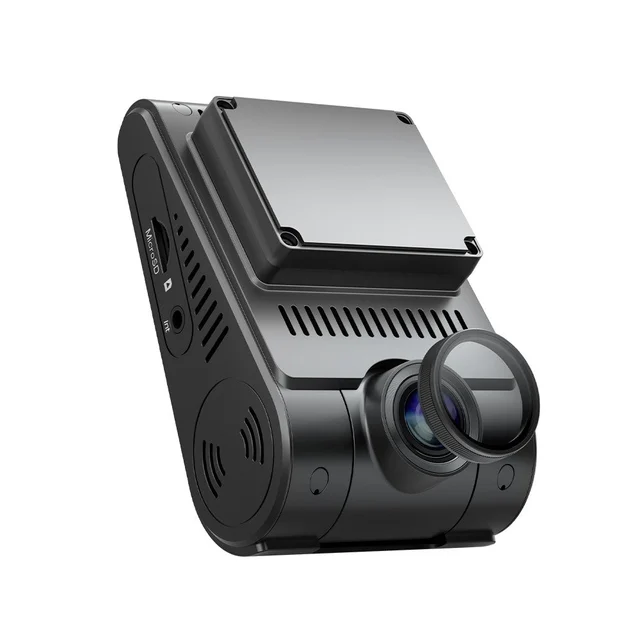 Dash Cams After reading this you will understand what a dash cam listing is really telling you, and which specs decide whether the footage holds up when you need it.
  Jump Starters After reading this you will know how to size a jump starter to your engine and which numbers to ignore, so you buy one that turns the key when the battery is dead.
 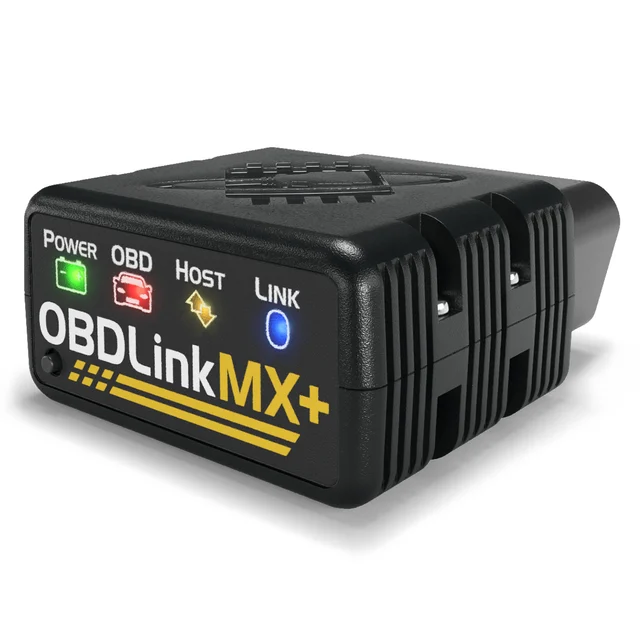 OBD2 Scanners After reading this you will understand the difference between a code reader and a scan tool, and which features are worth paying for, so you buy the right diagnostic tool for your skill level.
 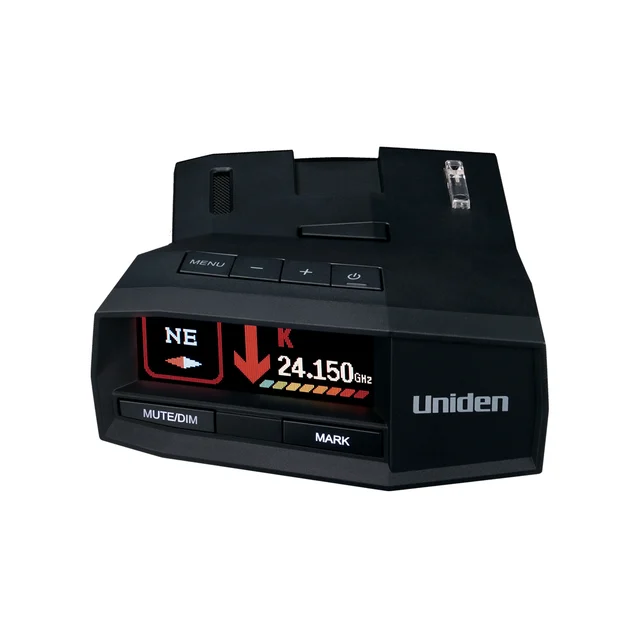 Radar Detectors After reading this you'll understand what a radar detector really does, which specs matter, and how to avoid buying one that cries wolf.
 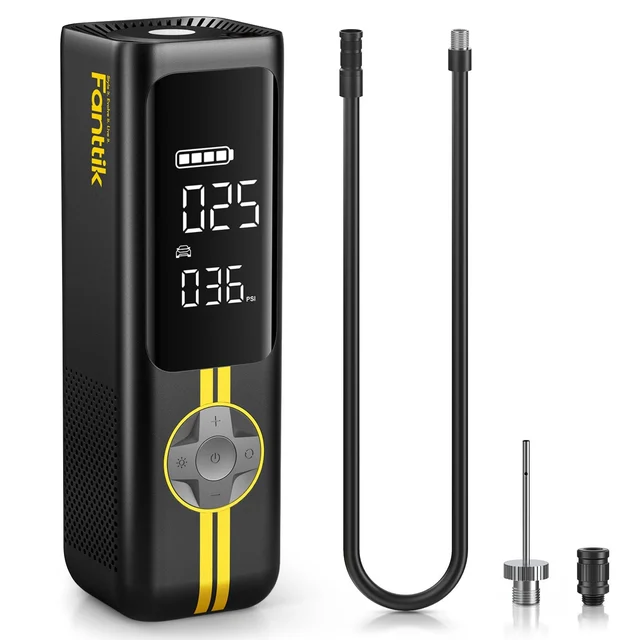 Tire Inflators After reading this you will know which tire-inflator numbers describe real speed and accuracy, so you buy one that tops up a tire in a couple of minutes and stops at the pressure you set.