

Explained
Car Seat Organizers, Explained
After reading, you'll know which type of car organizer fits your clutter, and how to spot the specs that keep it upright, anchored, and easy to clean.
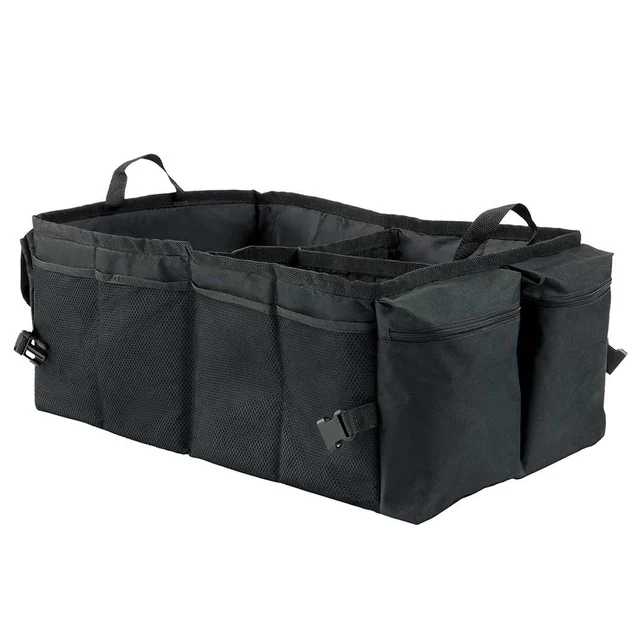
In this guide
"Car organizer" is one label stretched over four very different products, from a hanging pouch behind a front seat to a rigid bin in the trunk. Most buyers pick the wrong type for where their mess actually lives, then blame the product when a thin panel holds nothing or a soft bag skates across the cargo floor. This guide sorts the types and the specs so you can match the tool to the job before you buy.
The 30-second version
- Type beats brand. so decide first whether your clutter is in the cabin or the trunk, because a hanging seat-back organizer and a rigid trunk bin solve completely different problems.
- Wall rigidity is the single biggest quality tell, since organizers with reinforced or paneled sides stay upright even when empty while soft-walled ones flop, lean, and tip.
- Anchoring keeps it from sliding, so look for a non-slip base plus straps, tethers, or hook-and-loop tabs rather than trusting weight alone to hold it in place.
- Wipe-clean fabric handles the inevitable spill, but none of these seals like a plastic tub, so plan to use an inner bag for anything wet or leaky.
- Tablet holders are a separate sub-type, so if a kids' screen window is a must-have, shop for it specifically instead of assuming every organizer includes one.
What actually matters
- Right type for the job — a trunk bin corrals cargo, a hanging seat-back organizer gives passengers see-and-grab access, and a thin seat-back protector mainly guards the upholstery. Buy the shape that matches where your clutter collects.
- Structure and wall rigidity — reinforced or paneled sidewalls keep compartments standing when the organizer is empty, so a single grocery bag doesn't fold the whole thing in on itself.
- Mounting stability — headrest and seat-anchor straps stop a hanging organizer from swinging, and a non-slip base plus tie-downs keep a trunk bin from sliding on corners.
- Material and durability — coated polyester (often labeled by denier, like 600D) and Oxford fabric resist abrasion and wipe clean, which matters over years of kid abuse.
- Pocket layout and access — open tiered shelves are easy to see and reach but spill under braking, while closed or zippered pockets keep contents secure; think about which trade-off you want.
- Collapsibility — a good organizer folds flat when you need the space back, so it isn't wasting your cargo area on the days you're hauling something big.
- Capacity versus intrusion — bigger holds more but eats legroom or trunk floor, so match the footprint to your vehicle rather than buying the largest one you can find.
The specs, in plain English
Green flags vs red flags
Green flags
- Reinforced or paneled sidewalls that keep the organizer upright when it's empty
- A non-slip base combined with straps, tethers, or hook-and-loop tabs for anchoring
- Coated polyester or Oxford fabric that wipes clean, ideally with a stated denier
- Adjustable headrest and lower seat-anchor straps on hanging models, not just a single top strap
- A mix of closed and open pockets sized for the items you actually carry
- Folds flat cleanly and is honest about its footprint relative to your vehicle
Red flags
- Thin, floppy walls that lean or tip the moment you load one side
- No anchoring mentioned, so the organizer relies on its own weight to stay put
- Vague fabric claims with no denier and no wipe-clean or waterproof detail
- A single flimsy top strap on a hanging model, which lets it swing and sag
- Marketed as an all-purpose 'organizer' when it's really a thin seat-back protector with token pockets
- Oversized capacity that will crowd rear legroom or dominate a compact trunk
Who's who: the brands
- High Road - Specializes in car organization across trunk bins, hanging seat-back organizers, and seat protectors, known for structured, collapsible designs.
- MIU COLOR - Budget-friendly collapsible trunk organizers, often with lids and non-slip bases for covered, tidy cargo storage.
- Fortem - Popular for rigid-walled collapsible trunk organizers aimed at groceries and roadside gear.
- Lusso Gear - Known for kid-focused back-seat organizers with lots of pockets and tablet-viewing options.
- Drive Auto - Makes structured trunk organizers with reinforced walls and tie-down straps for cargo-area use.
How to read a listing without getting fooled
Start by pinning down the type from the photos, not the title: a bin that sits on the cargo floor is a trunk organizer, a pouch that hangs from a seat is a seat-back organizer, and a thin panel strapped flat is really a seat protector wearing the word 'organizer.' Next, hunt for structure language, reinforced sidewalls, paneled walls, or 'stays upright empty,' and be skeptical of listings that only show the organizer stuffed full, since a packed bag hides floppy walls. Check the fabric line for a denier number or an Oxford / coated-polyester claim, and read 'wipe-clean' and 'waterproof' literally; most are wipe-clean, few truly seal. Confirm how it mounts: hanging models should list both a headrest strap and a lower anchor, and trunk models should mention a non-slip base or tie-downs. Finally, compare the listed dimensions to your actual seat or trunk, because 'large capacity' is only a selling point until it's crowding your legroom.
How much should you spend?
Spending is mostly about structure and materials, not size. The cheapest organizers get you thin walls, a single strap, and lightweight mesh, which is fine for a few light cabin items but disappointing the moment you want them to hold shape or survive years of kids. Moving up a tier typically buys reinforced walls, tougher fabric, and real anchoring, which is where the value sweet spot sits for anyone who hauls a genuine load or wants the organizer to last. Paying the most makes sense only for large, rigid-walled trunk systems or feature-rich family organizers with tablet windows and dividers; if you just need a covered budget trunk box or a simple seat-back caddy, the extra outlay is wasted. Match the spend to how hard you'll use it rather than to the pocket count on the box.
Questions, answered
What's the difference between a trunk organizer, a seat-back organizer, and a kick mat?
A trunk organizer is a bin in the cargo area for groceries and gear. A seat-back organizer hangs on the back of a front seat with pockets for cabin items and often doubles as a passenger caddy. A kick mat is really a thin seat-back protector with a few small pockets; its main job is shielding the upholstery from shoes, not storing much. If you want actual storage, skip anything that's mostly a protector.
Will a trunk organizer slide around when I drive?
The good ones don't, because they anchor themselves. The biggest difference is whether the organizer pairs a non-slip base with tie-down straps or hook-and-loop tabs that grab the cargo floor. An unanchored soft bag, by contrast, will tip and skate on the first roundabout, so treat anchoring as a must-have rather than a bonus.
How do I keep a fabric car organizer clean?
Most are coated polyester or Oxford fabric, so a damp cloth handles crumbs and spills, and mesh pockets can be rinsed or wiped. None of these is a seal-tight plastic tub, so for wet or leaky items use a bag or liner inside the organizer. Let the fabric fully dry before folding it flat to avoid mildew.
Are collapsible organizers sturdy enough, or do they collapse while in use?
It comes down to wall stiffness. Independent testing and owner reports consistently favor organizers with reinforced or paneled sidewalls that stay upright even when empty. Softer-walled models still work but can bow or lean when you overload one side, so pack them evenly and don't expect a floppy-walled bag to hold its shape.
Do these hold a tablet for kids?
Only if they specifically advertise a tablet-viewing window, which is a distinct sub-type of seat-back organizer built around a clear touch-through pocket. Many good organizers don't include one, so if a screen holder is your top priority, shop for that feature directly and treat the storage pockets as the bonus.
How do I match the size to my car without wasting space?
Compare the organizer's listed dimensions to your real seat back or trunk floor before buying. A large multi-compartment trunk bin is great in an SUV, wagon, or hatchback but can dominate a compact sedan, and an oversized hanging organizer can crowd rear legroom. Buy the smallest one that still holds what you actually carry, and lean on collapsibility so it isn't in the way when empty.
Related guides
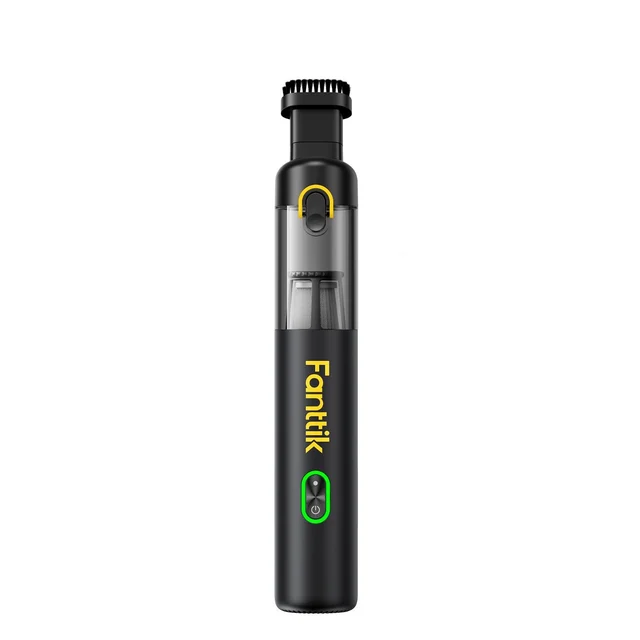 Car Vacuums After reading this you will know which car-vacuum numbers describe real cleaning power and which are marketing, so you can match the tool to how you actually clean.
 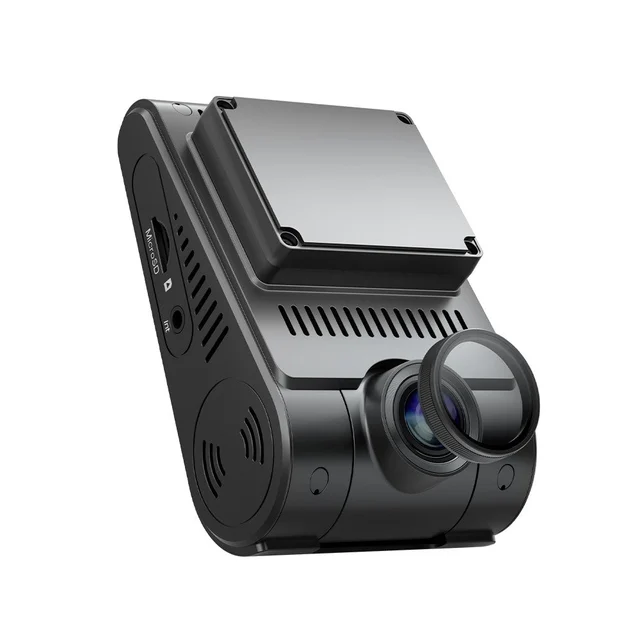 Dash Cams After reading this you will understand what a dash cam listing is really telling you, and which specs decide whether the footage holds up when you need it.
  Jump Starters After reading this you will know how to size a jump starter to your engine and which numbers to ignore, so you buy one that turns the key when the battery is dead.
  OBD2 Scanners After reading this you will understand the difference between a code reader and a scan tool, and which features are worth paying for, so you buy the right diagnostic tool for your skill level.
  Radar Detectors After reading this you'll understand what a radar detector really does, which specs matter, and how to avoid buying one that cries wolf.
  Roof Cargo Boxes After reading this you'll know exactly which roof-box specs change your road trip and which are just marketing, so you can pick a box that fits your car, your gear, and your budget.