Explained
Car Wax, Explained
Understand what you're really buying when a label says wax, sealant, or ceramic, and pick the right one for how much time you want to spend.
In this guide
"Car wax" is now a catch-all for three different kinds of paint protection that don't work the same way or last the same length of time. Most of the confusion at the store comes from marketing words like ceramic and coating getting stretched to cover products that have little in common with an actual ceramic coating.
The 30-second version
- The category has three real types. Carnauba paste, synthetic polymer sealant, and SiO2 spray hybrids. Each trades effort for durability differently, and the label rarely spells that out clearly.
- Durability is measured in weeks or months, not years. A durable paste or sealant can protect for several months under normal conditions, and the longest maker claims here run 7 to 10 months for Collinite 476S and up to a year for Chemical Guys Jet Seal. Spray hybrids and wet-look cremes typically fade in a few weeks.
- "Ceramic wax" is a topper, not a coating. Spray products with SiO2 added borrow the ceramic name for marketing. They add beading and gloss for a short window and wash off far sooner than a professionally applied ceramic coating, which cures hard and lasts years.
- Application format predicts effort, not necessarily quality. Paste generally takes the most work to apply and buff but tends to last longest. Liquid sealants split the difference. Sprays are fastest on and off but wear away soonest.
- Prep matters as much as the product. Any wax or sealant bonds better and lasts longer on paint that's been washed and decontaminated first. Applying over grime shortens the life of even a good product.
The products this guide is about
Our verdict on each, with the full reasoning on the companion review.
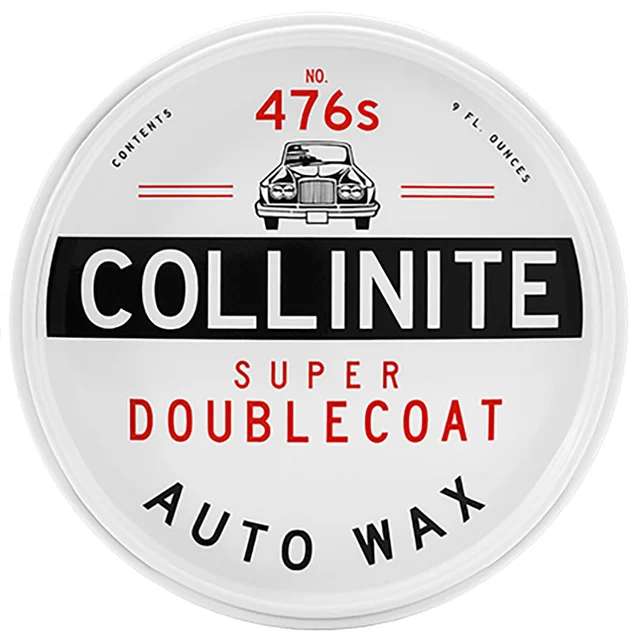
- Buy Collinite No. 476S Super DoubleCoat Auto Wax The durability-per-dollar champion: a classic carnauba-and-polymer paste from a cheap tin that Collinite rates for 7 to 10 months. Amazon
- Buy Chemical Guys JetSeal Sealant & Paint Protectant A wipe-on synthetic sealant that trades carnauba warmth for months of hands-off, slick, hydrophobic protection. Amazon
- It depends Meguiar's Hybrid Ceramic Wax A spray-on ceramic hybrid that adds fast beading in minutes, but it's a maintenance topper, not a season's worth of protection. Amazon
- Skip Chemical Guys Butter Wet Wax A gorgeous, effortless wet-look carnauba creme that looks incredible for a couple of weeks and then washes away. Amazon
What actually matters
- Protection type - carnauba, synthetic polymer, or SiO2 hybrid changes both how long protection lasts and how the finish looks, so know which one you're buying before you compare prices.
- Realistic durability window - owner reports consistently put pastes and sealants at several months and sprays or wet-look cremes at a few weeks; matching that to your climate and wash habits keeps you from feeling let down.
- Application method and cure time - paste needs a light hand and time to haze before buffing, liquid sealants want thin even coats, and sprays go on wet or dry with almost no wait; pick the one you'll actually finish.
- Surface prep before applying - a wash and a quick decontamination step (clay bar or spray decon) lets any product bond to clean paint instead of sealing in old grime.
- Finish character - carnauba tends toward a warm, deep glow while synthetics and hybrids lean cooler and glassier; this is a genuine look difference, not just marketing.
- Water behavior over time - strong beading when a product is fresh is normal for nearly everything; what separates products is whether that beading holds up after a few weeks of washing and weather.
- Whether you actually want a coating instead - if you're shopping wax because you want protection that lasts years without reapplication, you're shopping the wrong category.
The specs, in plain English
Green flags vs red flags
Green flags
- Clear language about durability in months or weeks rather than vague claims of long-lasting or permanent protection
- Instructions that call for thin, even coats rather than piling product on
- A stated cure or haze time before buffing, which suggests the formula is doing something real
- Consistent owner reports of beading and gloss holding up after several weeks of regular washing
- Recommends washing and decontaminating paint first rather than applying directly over dirty paint
Red flags
- Marketing language like permanent, lasts years, or coating-level protection on a wax or spray product
- The word ceramic used with no mention of SiO2 percentage or any real cure process
- No guidance on reapplication interval at all
- Owner reports that beading disappears within a week or two of the first wash
- Instructions that encourage heavy application for better protection, which usually just causes hazing
Who's who: the brands
- Collinite - Known for old-school carnauba-polymer pastes, including the 476S that Collinite rates for 7 to 10 months of protection.
- Chemical Guys - Makes a wide range of sealants, wet-look cremes, and hybrid sprays spanning easy application to show-day gloss.
- Meguiar's - A mainstream detailing brand with accessible spray hybrids and wax lines aimed at quick, low-effort application.
- Turtle Wax - A widely available budget-friendly brand covering paste, liquid, and spray formats for casual users.
- Griot's Garage - Detailing-focused brand known for premium liquid waxes and sealants aimed at enthusiasts who hand-apply.
How to read a listing without getting fooled
Start by figuring out which of the three types you're actually looking at, since that alone predicts most of the trade-off. If the label leans on words like ceramic or coating, check whether it's a spray or a wipe-on liquid; sprays with that branding are almost always the thin hybrid topper, not anything close to a real coating. Look past the shine claims on the front of the bottle and toward any mention of how long protection lasts or how it should be applied; specific guidance (thin coats, haze time, reapplication interval) is a better sign than generic promises. If a product avoids saying how often you'll need to reapply it, assume the real answer is often.
How much should you spend?
Cost in this category doesn't track durability the way you'd expect. Some of the longest-lasting, best-value products are inexpensive tins that treat many vehicles per container, while some pricier bottles are really paying for scent, texture, or a premium unboxing experience rather than extra months of protection. The sweet spot for most buyers is a mid-tier paste or liquid sealant from an established detailing brand; that tier reliably delivers real durability without paying for packaging. Spending more only makes sense if you're chasing a specific finish character (deeper carnauba warmth, glassier synthetic gloss) rather than more protection. If you find yourself wanting to spend a lot for protection measured in years rather than months, that's a sign to look at a professionally applied ceramic coating instead, not a pricier wax.
Questions, answered
What's the actual difference between wax, sealant, and ceramic spray?
Wax (usually carnauba) is a natural product prized for warm shine but shorter durability. Sealant is a synthetic polymer that generally lasts longer and applies easily. Ceramic spray hybrids add a small amount of SiO2 to a wax or sealant base for quick beading and gloss, but they wear off soonest of the three. All three are separate from an actual ceramic coating, which is a professionally cured, multi-year product.
How long does car wax really last?
It varies by type and climate, but the general pattern holds across owner reports: durable pastes and sealants commonly protect for several months, while spray hybrids and wet-look cremes fade in a matter of weeks. Sun exposure, frequent washing, and harsh soaps all shorten those windows.
Does paste, liquid, or spray actually matter for protection?
Format mostly trades effort for longevity rather than changing the chemistry. Pastes and thicker liquids take more work to apply and buff but tend to last longest. Sprays are the fastest and easiest but wear off soonest. The best choice is the one that matches how much time you'll realistically spend, since a product you skip reapplying protects nothing.
Should I get wax or just save up for a ceramic coating?
They solve different problems. Wax and sealant are cheap, easy to apply yourself, and fully reversible, but protection is measured in weeks to months and needs regular upkeep. A true ceramic coating cures hard to the clear coat and lasts years, but costs more, requires careful prep, and is usually professionally applied. If you like the maintenance ritual or want flexibility, wax fits. If you want to stop thinking about it for years at a time, a coating is the better fit.
Do I need to strip old wax before applying a new layer?
Not usually. A wash plus a quick decontamination step (clay bar or spray decon) is generally enough prep for a maintenance coat, since the goal is clean paint, not bare paint. You can layer a quick spray hybrid over an existing paste or sealant to refresh beading, but stacking many different products rarely adds real protection and can cause hazing.
Is a 'ceramic wax' actually a ceramic coating?
No. Spray products marketed as ceramic or hybrid ceramic wax add a small amount of SiO2 for beading and gloss, but they're thin toppers that wear off in weeks, not the cured, multi-year film of an actual ceramic coating. Treat ceramic-branded sprays as convenient maintenance products, not a substitute for real coating protection.
Or jump to the head-to-head: Collinite No. 476S Super DoubleCoat Auto Wax vs Chemical Guys JetSeal Sealant & Paint Protectant.