Explained
Ceramic Coatings, Explained
After reading this you'll know what a ceramic coating actually does, whether you need a true bottle coating or an easy spray, and how to tell the difference on the shelf.
In this guide
The word "ceramic" is now printed on nearly every car-care bottle, from serious coatings that cure to your paint and last years to spray waxes that bead nicely for a few weeks. They are not the same purchase, and the marketing deliberately blurs the line. This guide explains what a ceramic coating genuinely delivers, what it can't do, and how to pick the right one for how much effort you actually want to put in.
The 30-second version
- A ceramic coating is gloss and easy cleaning, not armor. it makes water bead, boosts shine, and helps grime rinse off, but it does not stop scratches, swirls, or rock chips.
- The big divide is bottle coatings versus spray "ceramics." a true SiO2 bottle coating cures hard and lasts years; a spray-on ceramic is a thin topper measured in weeks to months.
- Prep is roughly ninety percent of the result. washing, decontaminating, and polishing the paint matters far more than which coating you buy, especially for bottle coatings.
- Graphene versus SiO2 is mostly a spectrum, not a revolution. graphene can be a genuine boost inside a real coating but is often just a label on a spray you'll pay extra for.
- Match the product to your patience. willing to spend an afternoon prepping means a bottle coating pays off; wanting a ten-minute shine means an honest spray topper is the smarter buy.
The products this guide is about
Our verdict on each, with the full reasoning on the companion review.
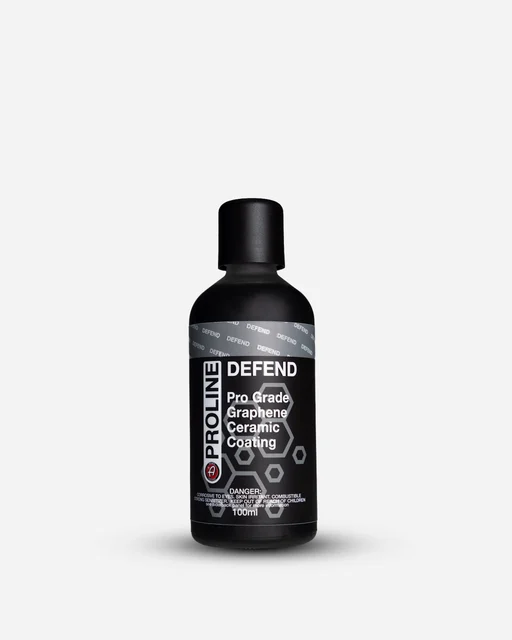
- Buy Adam's Polishes Adam's Proline DEFEND Graphene Ceramic Coating The only true bottle coating here — wipe on, level, and get roughly two years of hard, glossy, genuinely protective SiO2/graphene film.
- Buy Chemical Guys HydroCharge+ Ceramic Spray Coating The easiest way to get slick, beading SiO2 protection — spray on a wet or dry car, wipe off, done in minutes.
- It depends Torque Detail Graphene Burst Coat A graphene-boosted spray that feels great going on, but you're paying a premium for marketing over measurable extra life.
- Skip Turtle Wax Hybrid Solutions Ceramic Spray Coating A cheap, pleasant beading spray that behaves more like a spray wax than any kind of ceramic 'coating.'
What actually matters
- Coating vs topper — decide this before anything else. A bottle coating you wipe on and level bonds to the paint and lasts years; a spray you wipe off lasts weeks to months. Everything else on the label is secondary to which of these you're actually buying.
- Realistic durability — the honest lifespan of protection, not the headline number on the box. Treat multi-year claims on a spray with suspicion, and remember every claim assumes ideal prep and gentle wash habits.
- Prep tolerance — how forgiving the product is about surface condition. Bottle coatings demand decontaminated, oil-free paint or they fail early; sprays only need a clean surface, which is why they're easier but shorter-lived.
- Ease of application — whether you get a leveling window and a visible flash to guide you, or a foolproof spray-and-wipe. This drives how likely you are to end up with streaks and high spots.
- Hydrophobicity and gloss — how strongly water beads and sheets off, and how much the finish shines. This is the effect most people actually want and notice day to day.
- Chemical and UV resistance — how well the film shrugs off bird droppings, road grime, and sun. Real coatings resist meaningfully; thin sprays offer only light defense.
- Coverage and shelf life — how much surface a bottle treats and how long an opened product lasts. Coatings come in small amounts because a little goes a long way, and some have a short working life once opened.
The specs, in plain English
Green flags vs red flags
Green flags
- The listing is honest about being a coating or a spray, and quotes durability in a realistic range for its type (years for a bottle coating, months for a spray).
- Clear prep instructions that mention washing, decontamination, and an oil-free wipe-down, rather than "just spray and go."
- A described leveling window and visible flash for bottle coatings, which shows the maker expects you to buff off high spots.
- Straightforward talk about what it does (gloss, beading, easier cleaning) instead of promising scratch or swirl protection.
- A small bottle with generous coverage claims, which is normal for a real coating where a little goes a long way.
Red flags
- "Years" of protection promised from a quick spray-and-wipe product, which no thin topper realistically delivers.
- Scratch-proof, swirl-proof, or rock-chip-proof language, which oversells what any ceramic layer can do.
- Heavy emphasis on "graphene" as the headline selling point on a spray, usually paired with a premium price.
- No mention of surface prep at all, implying it works over dirty or waxed paint.
- "Ceramic" plastered on what is clearly a spray wax or drying aid, with durability described only as "long-lasting" and no specifics.
Who's who: the brands
- Adam's Polishes - Detailing brand offering both genuine bottle coatings and easy sprays, popular with serious DIYers.
- Chemical Guys - Widely available car-care line known for approachable, honest SiO2 spray toppers.
- Torque Detail - Direct-to-consumer brand that leans heavily on graphene-spray marketing at a premium price.
- Turtle Wax - Mass-market classic whose "ceramic" sprays behave more like quick spray waxes.
- Meguiar's - Long-established mainstream brand with accessible hybrid ceramic waxes and sprays.
- Gtechniq - Enthusiast-focused maker known for durable, prep-intensive professional-grade coatings.
How to read a listing without getting fooled
Start by figuring out which category you're actually looking at, because the label won't make it obvious. If the product is a spray you wipe off in minutes, it's a topper no matter how many times "ceramic" or "coating" appears; if it's a small bottle you apply with an applicator and level as it flashes, it's a true coating. Then sanity-check the durability claim against that reality: years is plausible for a bottle coating with proper prep, but a spray promising years is selling the word, not the performance. Treat "graphene" as a nice-to-have rather than proof of longevity, especially on sprays. Look for prep instructions as a tell of honesty, a maker who tells you to decontaminate and polish first is being straight about how the result is really earned. And mentally translate any "protection" language: coatings add gloss, slickness, beading, and chemical and UV resistance, but nothing in this aisle meaningfully stops scratches, so ignore anything that implies otherwise.
How much should you spend?
Price roughly tracks the coating-versus-topper divide more than quality within a type. Entry spray "ceramics" and hybrid waxes are the cheapest and the shortest-lived, fine if you just want a quick, temporary shine. Mid-range is the sweet spot for most people: it covers both the best honest SiO2 spray toppers and genuine consumer bottle coatings, which is where you get the biggest jump in real-world results per dollar. Spending up mainly buys longer-lasting, more prep-intensive professional-grade coatings, worth it if you'll do the prep and want a set-and-forget finish. Where the money is usually wasted is a premium price for a graphene spray, since you're paying extra for a label that rarely outlasts a cheaper silica spray. And remember the biggest cost lever isn't the bottle at all: skipping prep on a coating throws away whatever you spent, while good prep makes even a mid-priced product perform.
Questions, answered
Will a ceramic coating protect my paint from scratches and swirls?
No, and this is the biggest myth in the category. Even a real bottle coating is a very thin film that adds gloss, slickness, water beading, and chemical and UV resistance, but it won't stop wash-induced swirls or a key scratch. Good wash technique protects paint from swirls far more than any coating does. If scratch and rock-chip resistance is your real goal, paint protection film is the tool for that job.
What's the actual difference between a spray "ceramic coating" and a bottle coating?
A bottle coating is a liquid you wipe onto decontaminated paint and level; it chemically bonds and cures into a hard, semi-permanent film that lasts around a couple of years. A spray coating lays down a much thinner layer that beads well but wears off in weeks to months. Both can say "ceramic" on the label, so judge them by how you apply them and how long they honestly last, not the marketing word.
Is graphene really better than SiO2, or is it just marketing?
It's more of a spectrum than a breakthrough. Inside a true coating, a graphene-enhanced formula can genuinely help a bit with water-spot and heat resistance. On a spray topper, the "graphene" label rarely translates into meaningfully longer life than a good plain SiO2 spray, and it often comes with a higher price. Decide whether a product is a coating or a topper first, then treat graphene claims on sprays with healthy skepticism.
Do I really need to prep the paint first, or can I just apply it?
For a bottle coating, prep is not optional, it's most of the result. The paint should be washed, decontaminated (iron and tar removal plus a clay treatment), ideally polished, and wiped down so it's free of oils, because any wax or polish residue stops the coating from bonding. Skipping prep is the number-one reason coatings fail early and people blame the product. Sprays are far more forgiving and only need a clean surface, which is part of why they don't last as long.
How long will a ceramic product actually last?
A properly applied bottle coating realistically lasts around two years, a good SiO2 or graphene spray a few months, and an entry "ceramic" spray or hybrid wax only a few weeks. Real numbers depend heavily on prep quality, wash habits, sun exposure, and whether the car is garaged. Toppers are also maintenance products by design, expect to reapply a spray every handful of washes to keep the beading strong, whether it's refreshing a real coating or standing on its own.
Or jump to the head-to-head: Adam's Polishes Adam's Proline DEFEND Graphene Ceramic Coating vs Chemical Guys HydroCharge+ Ceramic Spray Coating.