Explained
Clay Bars, Explained
After reading this you will know what claying pulls out of your paint that washing cannot, how to test whether your car needs it, the difference between a bar and a mitt, and which grade and technique keep you from scratching your own paint.
In this guide
A clay bar is one of the most misunderstood things in car care: people expect it to clean dirt or add shine, and it does neither. It is a decontamination step that pulls hard, bonded specks out of your paint that a wash physically cannot budge, leaving the surface glass-smooth so wax or sealant can actually grab. The catch is that the wrong grade or a dry, careless pass can put fine haze into the paint, which is why the smart move is to understand it before you rub it on your hood.
The 30-second version
- Claying removes what a wash leaves behind. It lifts bonded contaminants like paint overspray, industrial fallout, rail dust, and tree-sap mist that sit welded to the surface after even a thorough wash, so it is a decontamination step, not a cleaner or a polish.
- The plastic-bag test tells you if you need it. Wash and dry the car, slip your hand into a thin sandwich bag, and glide your fingertips over the paint; if it feels gritty or bumpy through the bag rather than glassy, contaminants are bonded on and it is time to clay.
- Bar versus mitt is a trade-off, not a ranking. A traditional bar conforms into every curve and grabs the most, but it is garbage the instant you drop it in the driveway; a clay mitt or towel is reusable, rinses off if dropped, and covers big panels faster, at the cost of a little bite.
- Grade decides speed versus safety. Fine or light clay is the maintenance choice that barely marks the paint; medium and heavy grades cut stubborn contamination faster but are far more likely to leave fine haze, so a first-timer should default to fine.
- Technique is what actually prevents scratches. Wash first, keep the surface flooded with lubricant, never let the clay drag dry, and fold to a clean face often; do that and even a beginner clays safely, skip it and any clay can marr.
The products this guide is about
Our verdict on each, with the full reasoning on the companion review.
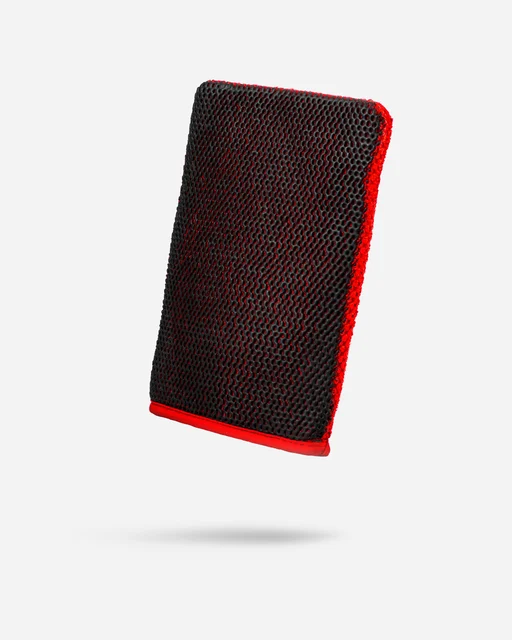
- Buy Adam's Polishes Adam's Clay Mitt A fine-grade clay glove that flexes to the panel, covers a whole car fast and just rinses clean if you drop it.
- Buy The Rag Company Ultra Clay Towel A non-abrasive polymer-rubber clay towel that flies across flat panels and rinses clean — the value pick for maintenance claying.
- It depends Sonax Clay Disc A medium-cut clay disc built to run on a dual-action polisher — excellent if you own a machine, awkward and pricey if you don't.
- Skip Chemical Guys Clay Block Surface Cleaner A stiff rubber clay block sold as beginner-easy, but its rigid flat face is the most likely of this group to mar real-world curved paint.
What actually matters
- What claying is for - it removes contaminants bonded to the paint, not loose dirt (that is washing) and not swirls or dullness (that is polishing); buying clay expecting a shine boost sets you up to be disappointed.
- The bag test - the single reliable way to know you need clay is to feel the washed paint through a thin plastic bag; smooth means skip it, rough means the contamination is bonded and worth claying off.
- Bar versus mitt or towel - a bar conforms and grabs best but dies if dropped, while a mitt or towel is reusable and drop-tolerant; which you want depends on how big your car is and how clumsy you feel.
- Grade (aggressiveness) - fine grades are forgiving and slow, aggressive grades are fast and risky; the grade you pick is the biggest single factor in whether you finish with smooth paint or fine haze.
- Lubrication - clay only works safely on a flooded, slick surface; the quality and generosity of the clay lube (or a soap-and-water mix) is what carries the clay over the paint instead of grinding grit into it.
- The follow-up step - claying strips the paint bare of protection, so it must be followed by a wax, sealant, or coating; treating clay as a standalone job leaves the paint more exposed than before.
- Marring risk for the paint you own - soft, dark clear coats show marring instantly, so a novice on a black car has more to lose and should lean even harder toward a fine grade and heavy lube.
The specs, in plain English
Green flags vs red flags
Green flags
- A fine or light grade clearly labeled for maintenance, which is the right first clay for almost everyone
- A kit that includes clay lubricant (or clearly explains using a quick-detailer or soap-and-water mix) so you are never tempted to clay dry
- A reusable clay mitt or towel if you want something that survives a drop and covers a big vehicle quickly
- Honest wording that describes clay as a decontamination step to do before waxing or sealing, not as a polish or cleaner
- Owner reports describing glass-smooth paint afterward with no mention of new haze or scratching
- Clear guidance to wash first and fold or rinse to a clean face, signaling a maker that understands safe technique
Red flags
- An aggressive heavy or medium grade pushed at beginners, which is the classic way people marr their own paint on the first try
- No-name clay with vague grade claims and owner reports of the bar crumbling, falling apart, or leaving marks
- A bar sold with no lubricant and no mention of needing one, inviting a dry, scratchy pass
- Marketing that promises added gloss or shine, which misdescribes what clay does and hints the seller does not understand it
- A traditional bar chosen for a very large or very dirty vehicle where a single drop wastes the whole piece
- Any listing that skips the wash-first and keep-it-lubricated basics, since the product is only as safe as the instructions
Who's who: the brands
- Meguiar's - A mainstream detailing staple; its fine-grade smooth-surface clay kits are a common, forgiving starting point for first-timers.
- Mothers - Long-established car-care brand whose clay kits pair a bar with a spray lubricant and lean toward gentle, maintenance-friendly grades.
- Chemical Guys - Enthusiast-focused range offering clay in several grades plus mitts and towels, so it is easy to over-buy aggressiveness if you are new.
- Adam's Polishes - Detailing brand popular with hobbyists for its clay bars and reusable clay mitts, usually sold alongside a matched detail-spray lube.
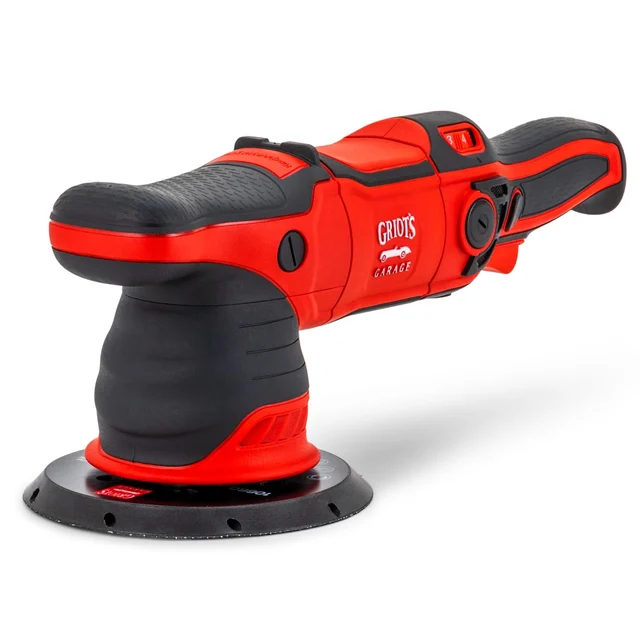
- Griot's Garage - Premium detailing house known for a fine synthetic clay and a durable clay bar aimed at people who value a safe, gentle cut.
- Turtle Wax - Widely available value brand; its clay kits are inexpensive and easy to find, generally in maintenance-friendly grades for casual users.
How to read a listing without getting fooled
Read a clay listing for three things in order: what it is for, how aggressive it is, and whether it comes with lube. Good products describe clay as a decontamination step to feel with the plastic-bag test and do before waxing; be wary of any that promise shine or gloss, because that misdescribes the job. Next, find the grade: 'fine', 'light', or 'smooth-surface' is the beginner-safe choice, while 'medium', 'heavy', or 'aggressive' cut faster but marr more easily, so ignore the temptation to buy the strongest option 'to be sure'. Then check whether a lubricant is included or clearly called for, since claying without a slick surface is the main cause of scratching. Decide bar versus mitt by your situation: a bar grabs best and conforms into curves but is ruined by a single drop, while a mitt or towel is reusable and drop-tolerant and better for large panels. Finally, scan owner reports for the words 'marring', 'haze', 'crumbled', or 'fell apart', treat those as real warnings, and confirm the maker tells you to wash first and finish with protection, because a clay is only as good as the technique it is sold with.
How much should you spend?
Clay is one of the cheaper detailing buys, so spend for safety and instructions rather than to chase the strongest cut. The value sweet spot is a fine-grade kit from a known maker that bundles a lubricant, because the lube and the gentle grade are exactly what keep a beginner from scratching, and paying a little more for that bundle is worth far more than saving on a bare bar with no lube. Stepping up further mostly buys a reusable mitt or towel and slightly nicer synthetic clay, which pays off if you have a big vehicle or plan to clay every season, but does not make the paint any cleaner than a good fine bar would. The false economy to avoid is the rock-bottom no-name clay that crumbles, falls apart, or marrs, since a ruined pass can mean paying a detailer to polish out the haze it left. Remember the hidden cost too: claying strips protection, so budget for the wax, sealant, or coating you will need afterward, and factor that a single dropped bar is money straight in the bin, which is one more reason a drop-tolerant mitt can be the better spend for a novice.
Questions, answered
What does a clay bar actually do, and is it a cleaner or a polish?
Neither. A clay bar is a decontamination tool. It shears off contaminants that are bonded to your paint, things like paint overspray, industrial and rail-dust fallout, and misted tree sap, that a normal wash physically cannot remove. It does not clean loose dirt (that is what washing is for) and it does not remove scratches or add gloss (that is what polishing does). What it leaves behind is paint that is perfectly smooth to the touch, which is the ideal surface for wax or sealant to bond to.
How do I know if my car even needs claying?
Use the plastic-bag test. Wash and dry the car, then put your hand inside a thin sandwich bag and lightly run your fingertips over the paint. The bag amplifies texture your bare fingers would miss. If the surface feels gritty, bumpy, or rough, contaminants are bonded on and claying will help. If it feels glassy and slick, the paint is already decontaminated and you can skip it. Most cars need it once or twice a year; a garaged car far less often.
Should I get a clay bar or a clay mitt (or towel)?
It is a trade-off. A traditional bar conforms into curves and tight areas and grabs the most contamination, but it is unforgiving: drop it on the ground even once and it picks up grit that will scratch your paint, so it goes in the trash. A clay mitt or towel is reusable, rinses clean if you drop it, and covers large flat panels faster, but it conforms less into curves and grabs a little less. For a beginner or a big vehicle, the drop-tolerant mitt is often the safer, more economical choice; for maximum bite in tight spots, a bar wins.
What grade of clay should a beginner buy?
Fine (sometimes called light or smooth-surface). Fine clay handles normal maintenance contamination and is very unlikely to leave marks. Medium and heavy grades cut stubborn contamination faster, but they bite harder and are much more likely to marr the paint, meaning fine haze or light scratching that then needs polishing to remove. Unless you are dealing with severe overspray and know how to polish afterward, resist the urge to buy an aggressive grade 'just to be safe', because the aggressive grade is the thing that is not safe.
How do I avoid scratching my paint while claying?
Four habits do almost all the work. First, wash and dry the car so no loose grit is sitting on the surface. Second, flood the panel with clay lubricant and keep it slick; never let the clay drag over dry paint. Third, work in small sections with light pressure and straight-line passes. Fourth, fold a bar to a clean face often (or rinse a mitt), because a loaded, dirty face is what drags grit and marrs. Do these and even a first-timer clays safely; skip them and any clay, even a fine one, can leave haze.
Do I need to wax or seal after claying?
Yes. Claying strips away any old wax or sealant along with the contamination, so it leaves your paint completely bare and unprotected. That bare, smooth surface is actually the perfect canvas for protection to bond to, so you should follow up with a wax, a synthetic sealant, or a ceramic coating. Skipping that step leaves the paint more exposed to the elements than it was before you started.
Or jump to the head-to-head: Adam's Polishes Adam's Clay Mitt vs The Rag Company Ultra Clay Towel.