

Automotive
The Best Car Detailing Clay: 4 Compared (and One to Skip)
We compared four detailing clay tools on grade, marring risk, how they handle contours, coverage and value for glass-smooth paint.
The short version
Detailing clay removes the bonded contaminants a wash can't — overspray, rail dust, fallout, sap mist — leaving glass-smooth paint before wax or sealant; it is not a cleaner or a polish. For most people a fine, forgiving reusable tool is the right call, which is why the Adam's Clay Mitt is our pick: it flexes to the panel, covers the car quickly and survives being dropped. The Rag Company Ultra Clay Towel is the value runner-up for flat-panel maintenance. The Sonax Clay Disc is a strong medium-cut option, but its edge only shows on a dual-action polisher. We'd skip the Chemical Guys Clay Block: its rigid, aggressive face is the most likely here to mar real curved paint. Whatever you pick, drown the surface in clay lube, keep folding to a clean face and never work dry. Best for: drivers who want safe, glass-smooth paint before waxing without risking fresh marring.
Our picks at a glance
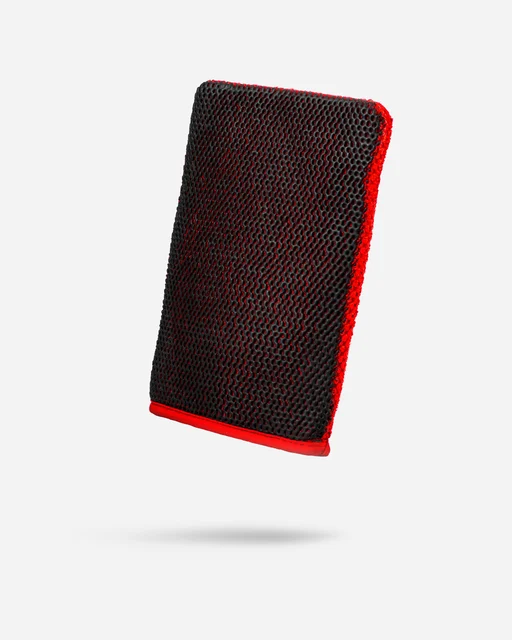
- Adam's Polishes Adam's Clay Mitt - Buy. A fine-grade clay glove that flexes to the panel, covers a whole car fast and just rinses clean if you drop it.
- The Rag Company Ultra Clay Towel - Buy. A non-abrasive polymer-rubber clay towel that flies across flat panels and rinses clean — the value pick for maintenance claying.
- Sonax Clay Disc - It depends. A medium-cut clay disc built to run on a dual-action polisher — excellent if you own a machine, awkward and pricey if you don't.
- Chemical Guys Clay Block Surface Cleaner - Skip. A stiff rubber clay block sold as beginner-easy, but its rigid flat face is the most likely of this group to mar real-world curved paint.
The verdict in 30 seconds
What mattered most
- Clay format
- Grade / cut
- Marring risk for beginners
- Best used
- Conforms to curves & contours
- Coverage & speed
Detailing clay pulls the bonded grit a wash leaves behind — overspray, rail dust, industrial fallout, dried sap mist — so your paint feels like glass before you wax or seal. The modern field has largely moved from throwaway clay bars to reusable clay mitts, towels, discs and blocks, and the honest picture is a split decision: one glove-style tool is the safe pick for almost everyone, a clay towel is the quiet-value runner-up, a machine-friendly disc is a great tool for the right person, and one aggressive rubber block is the one most people should walk past.
A fine-grade clay glove that flexes to the panel, covers a whole car fast and just rinses clean if you drop it.
Best for: First-timers and anyone who wants one forgiving tool to clay the whole car by hand.
- Fine, gentle clay surface that reviewers and owners consistently call forgiving for first-timers
- Glove form flexes to your hand and to body lines, so it conforms to curves better than a rigid block
- Reusable — rinse it off and keep going, and a drop on the ground just means a quick rinse, not a trip to the trash
- You still have to supply plenty of clay lube and keep the surface wet, or any clay will marr
- The clay face can load up with grit on very neglected paint and needs frequent rinsing
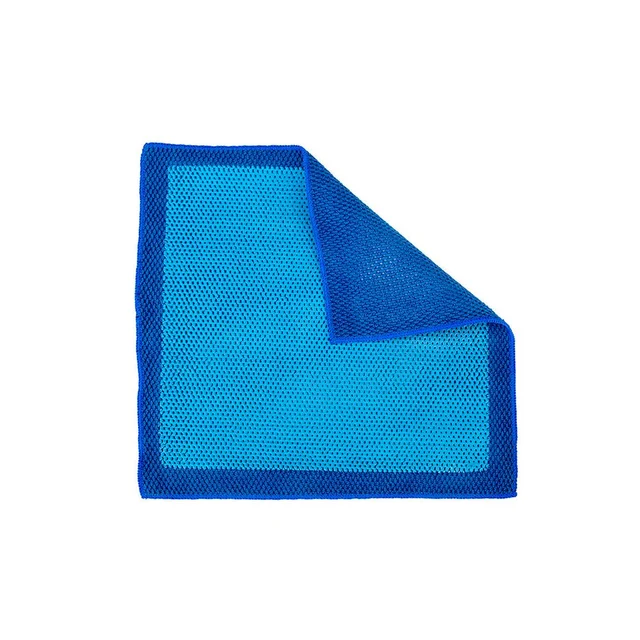
A non-abrasive polymer-rubber clay towel that flies across flat panels and rinses clean — the value pick for maintenance claying.
Best for: Owners who mostly want quick, cheap maintenance claying on large, flat panels.
- Polymer-rubber face is designed to lift bonded contaminants without the abrasive content of aggressive clays, so marring risk stays low
- Covers big flat panels — hood, roof, doors — faster than kneading a bar, and simply rinses and reuses
- One of the most cost-effective ways to keep paint smooth between full details
- The flat towel is less handy than a glove or bar in tight areas like mirrors and around badges
- Like all clay media it needs generous lube; run it dry and it will grab and mar
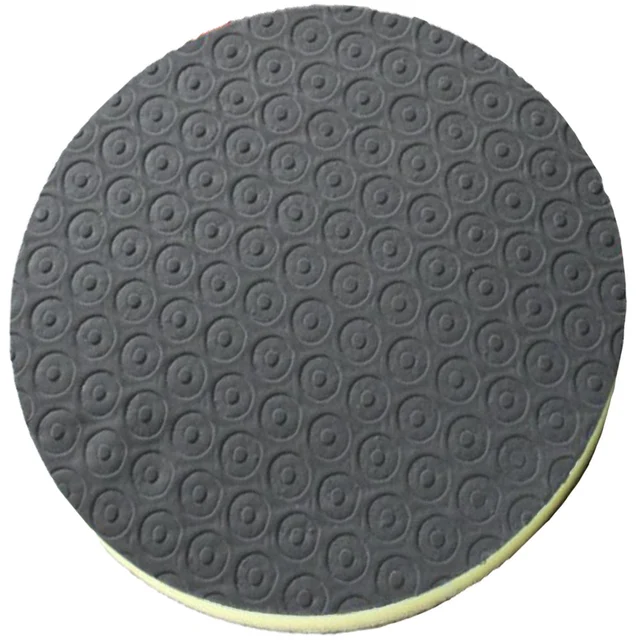
A medium-cut clay disc built to run on a dual-action polisher — excellent if you own a machine, awkward and pricey if you don't.
Best for: Detailers who already own a dual-action polisher and want to speed up decon on big vehicles.
- Designed to mount on a dual-action polisher for fast, even decontamination of large vehicles
- Medium cut clears heavier fallout more quickly than a fine mitt or towel
- Reusable foam-backed disc that rinses clean and holds up over multiple cars
- Its real advantage only shows on a DA polisher; by hand the flat disc is less forgiving and harder on curves
- The faster medium cut is more likely to leave fine marring on soft paint if you skimp on lube
- Premium price for what is essentially one specialised decontamination tool
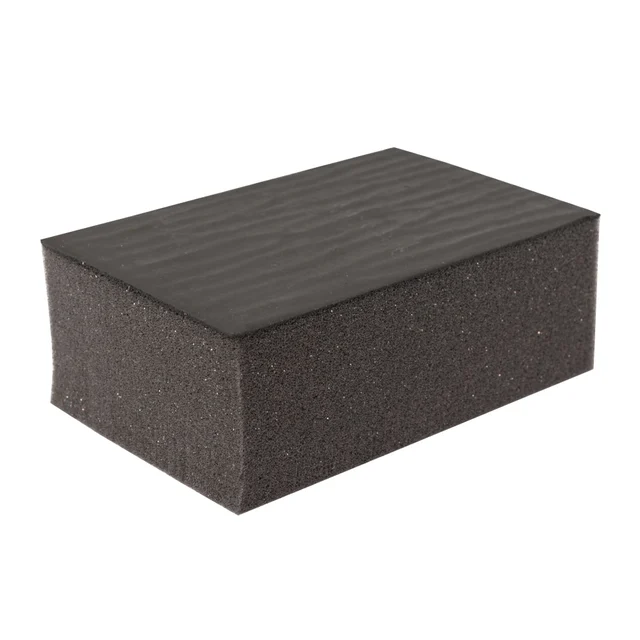
A stiff rubber clay block sold as beginner-easy, but its rigid flat face is the most likely of this group to mar real-world curved paint.
Best for: Almost no one over a fine mitt or towel — only stubborn flat-panel fallout when you already understand the technique.
- Cheap, reusable and easy to grip, and you never worry about dropping it
- The block shape makes it simple to apply even pressure on flat panels
- The aggressive rubber face cuts hard and is the most marring-prone tool here if you rush or under-lubricate
- The rigid flat block doesn't flex, so it skips and grabs over curves, mirrors and body lines where a mitt or towel conforms
- For the maintenance claying most owners actually do, a fine mitt or towel does the same job more safely
| Criteria | Adam's Clay Mitt Top pick | The Rag Company Ultra Clay Towel | Sonax Clay Disc | Chemical Guys Clay Block Surface Cleaner |
|---|---|---|---|---|
| Verdict | Buy it | Buy it | It depends | Skip it |
| Best for | First-timers and anyone who wants one forgiving tool to clay the whole car by hand. | Owners who mostly want quick, cheap maintenance claying on large, flat panels. | Detailers who already own a dual-action polisher and want to speed up decon on big vehicles. | Almost no one over a fine mitt or towel — only stubborn flat-panel fallout when you already understand the technique. |
| Price tier | $$ · mid-range | $ · budget | $$$ · premium | $ · budget |
| Clay format | Foam-backed clay glove | Polymer-rubber clay towel | Foam-backed clay disc | Rigid rubber clay block |
| Grade / cut | Fine — gentle | Fine — non-abrasive | Medium — cuts faster | Aggressive — cuts hard |
| Marring risk for beginners | Low | Low | Moderate (worse by hand) | High if rushed |
| Best used | By hand, whole car | By hand, flat panels | On a DA polisher (or hand) | By hand, small flat areas |
| Conforms to curves & contours | Well — flexes to the panel | Well on flats, okay on curves | Flat face — limited | Rigid — poor on curves |
| Coverage & speed | Fast — large glove face | Fastest on big flat panels | Fast on a machine | Slow — small face |
| Price tier | $$ · mid-range | $ · budget | $$$ · premium | $ · budget |
Which one is right for you?
- First-timers and anyone who wants one forgiving tool to clay the whole car by hand. Buy it Adam's Polishes Adam's Clay Mitt
- Owners who mostly want quick, cheap maintenance claying on large, flat panels. Buy it The Rag Company Ultra Clay Towel
- Detailers who already own a dual-action polisher and want to speed up decon on big vehicles. It depends Sonax Clay Disc
- Almost no one over a fine mitt or towel — only stubborn flat-panel fallout when you already understand the technique. Skip it Chemical Guys Clay Block Surface Cleaner
How we judged the field
We don’t run our own paint lab. Instead we synthesize independent testing, professional detailer write-ups and a large pool of owner reports, then weigh them against what actually matters when you’re claying a car in your driveway. For detailing clay, the criteria that decide it are grade (how aggressively the clay cuts), marring risk for a normal person working by hand, how well the tool conforms to real curved panels, coverage and speed, whether it survives being dropped, and price.
The biggest shift in this category is that reusable clay media — mitts, towels, discs and blocks — have largely displaced the classic throwaway clay bar for everyday use. A bar still conforms to tight contours better than anything, but the moment it touches the ground it’s contaminated and has to be binned. Reusable media just rinse clean, which is why we anchored the comparison there while keeping traditional bars in view as the reference point. We deliberately included one tool we think most people should skip, because the aggressive end of this category is where beginners get burned.
This is the tool we’d put in almost anyone’s hands first. The clay surface is fine and gentle, and owners repeatedly describe it as forgiving — the quality you want when you’ve never clayed before. Because it’s a glove, it flexes to your hand and to the car’s body lines, so it follows curves better than a rigid block and lets you feel the paint through it. It covers a whole car quickly, rinses clean when it loads up with grit, and if it slips out of your hand onto the driveway you just rinse it and carry on rather than throwing it away.
The honest caveats apply to every clay tool: you have to keep the surface drenched in clay lube and never work it dry, or even fine clay will grab and marr. On badly neglected paint the mitt loads up fast and needs frequent rinsing. Neither is a knock against the mitt so much as the nature of claying. For a first-timer who wants one safe, do-everything tool, this is the pick.
The clay towel is the value play. Its polymer-rubber face is engineered to lift bonded contaminants with essentially no abrasive content, so the marring risk stays low, and it absolutely flies across large flat panels — hoods, roofs and doors go quickly. Like the mitt it rinses and reuses, and it’s typically the cheapest way to keep paint smooth between full details.
Where it gives ground to the mitt is handling in tight spots: a flat towel is fiddlier around mirrors, badges and sharp contours than a glove that wraps your hand. And it wants generous lubrication just like everything else here — run it dry and it will grab. If most of your claying is quick maintenance on big flat surfaces and you’d rather spend less, it’s an easy recommendation and a very close runner-up.
This one is genuinely good, but only for the right person. The disc is built to mount on a dual-action polisher, and on a machine it decontaminates a large vehicle fast and evenly — a real time-saver on heavier fallout that a fine mitt would take longer to clear. It’s a reusable, foam-backed disc that rinses clean and holds up across multiple cars.
The catch is that its advantage lives almost entirely on the polisher. If you don’t own a DA and use it by hand, you lose the speed benefit and are left with a flat, medium-cut disc that’s less forgiving on curves and, because it cuts faster, more likely to leave fine marring on soft paint if you skimp on lube. It also sits at a premium price for a single specialised tool. Own a polisher and want to speed up decon? Great buy. Working by hand on one car? A mitt or towel makes more sense.
The clay block is cheap, reusable and marketed as beginner-friendly — you can’t drop it in any way that matters and it’s easy to grip. But the same rigid shape that makes it feel sturdy is its problem. The aggressive rubber face cuts hard, which makes it the most marring-prone tool in this group when you rush or don’t keep it well lubricated, and because the block doesn’t flex it skips and grabs over curves, mirrors and body lines instead of conforming to them the way a mitt or towel does.
For the maintenance claying most owners actually do, that’s a lot of downside for no real upside: a fine mitt or clay towel removes the same bonded grit with far less chance of hazing the paint. There are stubborn flat-panel jobs where an experienced hand can use a block effectively, but as a first tool it’s exactly the kind of aggressive option that turns a decontamination step into a polishing job. We’d skip it.
Adam’s Clay Mitt vs The Rag Company Ultra Clay Towel: which should you buy?
These are the two we’d point most people toward, and the choice is about handling versus value. The Adam’s Clay Mitt wins on versatility: the glove flexes to curves and tight areas, feels intuitive for a beginner, and handles the whole car — contours included — with a low marring risk. The Rag Company Ultra Clay Towel wins on cost and flat-out speed on big panels, and it’s the cheaper way to keep smooth paint smooth.
If you want one tool that does everything safely, including the fiddly bits, pay a little more for the mitt. If your claying is mostly quick passes over hoods, roofs and doors and you’d rather save the money, the towel is all you need. Both are reusable and both shrug off a drop, which already puts them ahead of a throwaway bar.
What to look for
- Match the grade to the job. Fine or light clay for regular maintenance; medium or aggressive only when you truly need faster cut and know the technique. Beginners should default to fine.
- Favor tools that conform. A mitt or bar follows curves; a rigid block fights them. Conforming tools are safer on real body panels.
- Reusable beats disposable. A mitt, towel or disc rinses clean and survives a drop; a bar that hits the ground is done.
- Budget for lube. Clay only works safely on a soaking-wet surface. Buy plenty of clay lubricant, or use a slick soapy-water mix, and never work dry.
- Know what it isn’t. Clay removes bonded contaminants; it doesn’t clean grime, remove scratches or add gloss. Plan to wax or seal afterward.
Our final take
Detailing clay is one of the highest-payoff steps in car care — the difference between paint that merely looks clean and paint that feels like glass — but it’s also where an over-aggressive tool or a dry pass can leave marring you then have to polish out. The safe, high-value path for most people is a fine, forgiving, reusable tool, and that’s the Adam’s Clay Mitt: it conforms to the car, covers ground quickly and forgives a dropped-on-the-driveway moment. The Rag Company Ultra Clay Towel is the money-saving runner-up for flat-panel maintenance. Buy the Sonax Clay Disc only if you own a polisher to unlock its speed, and skip the Chemical Guys Clay Block for general use, where its rigid, aggressive face risks more than it delivers. Whatever you choose, keep it drenched in lube, keep folding to a clean face, and let the clay — not pressure — do the work.
Questions, answered
What does clay actually do — isn't a good wash enough?
A wash removes loose dirt sitting on top of the paint. Clay removes contaminants that have physically bonded to the clear coat — paint overspray, industrial fallout, rail and brake dust, and misted tree sap — that washing leaves behind. You feel them as a gritty, sandpaper texture when you glide a hand over clean, dry paint. Clay shears those bonded specks off so the surface turns glass-smooth, which is why it's the step right before wax or sealant. It is not a cleaner, a polish or a scratch remover; it does not add gloss on its own.
Clay bar, clay mitt, clay towel or clay block — what's the difference?
They all use a slightly tacky clay or polymer surface to grab bonded grit; the format changes how you handle it. A traditional bar conforms beautifully to tight contours, but you must knead it, and if it hits the ground it's contaminated and done. A mitt, towel, disc or block is reusable — rinse it and keep going, and a drop just means a quick rinse rather than the trash. A mitt flexes to curves, a towel flies across flat panels, a disc is built to run on a polisher, and a block is rigid and better on flats. For most people a fine mitt or towel is the easiest, safest way in.
Will clay scratch or marr my paint?
It can if you use it wrong or pick too aggressive a grade. Marring — fine hazing or light swirls — comes from working without enough lubrication, dragging trapped grit across the paint, or using a heavy or aggressive clay when a fine one would do. Fine-grade tools like a mitt or clay towel are forgiving; aggressive blocks and medium discs cut faster but are less tolerant of mistakes. Steer toward a fine grade, use plenty of lube, and if you do induce light marring it can usually be polished out afterward.
How do I use clay without ruining the finish?
Wash and dry the car first so you're not grinding loose dirt into the paint. Then keep the surface soaking wet with a dedicated clay lubricant (or a slick soapy-water mix) and glide the clay with light pressure — never press hard and never work dry. Do one small section at a time, fold or rotate to a fresh, clean face often, and inspect the clay: once it's grey with grit, refresh it. If it starts to grab or skip, add more lube. Finish by wiping the panel and moving on.
How often should I clay my car?
Only when the paint needs it, not on a fixed schedule. Do the baggie test: put your hand in a thin plastic bag and glide it over clean, dry paint. If it feels rough or bumpy, it's time to clay; if it feels smooth, you can wait. For most daily drivers that works out to once or twice a year, often before a wax or sealant. Claying more than necessary just adds wear and a small marring risk for no benefit.
Deciding between the top two? See our head-to-head: Adam's Polishes Adam's Clay Mitt vs The Rag Company Ultra Clay Towel.
More Automotive reviews
 The Best Engine Compression Testers: 4 Compared (and One to Skip)
  The Best Dash Cams: Four Current Models Compared
  The Best Detail Brushes: 4 Compared (and One to Skip)
  The Best Car Drying Towels: 4 Compared (and One to Skip)
  The Best Engine Degreasers: 4 Compared (and One to Skip)
  The Best Floor Jacks: 4 Compared (and One to Skip)