

Automotive
The Best Dash Cams: Four Current Models Compared
We weighed four dash cams sold right now on night footage, parking protection, rear coverage and daily use, plus one that overpromises and underdelivers.
The short version
For most drivers the VIOFO A229 Pro is the sensible choice: real 4K front and 2K rear on dual Sony STARVIS 2 sensors, HDR both ways, and a glare filter in the box at a mid-range price. Want the simplest install and do not need rear coverage? The touchscreen Garmin Dash Cam X310 is the one. Park on the street a lot? The pricey Thinkware U3000 and its radar parking mode may be worth it. Skip the ROVE R2-4K; its 4K label rests on a first-generation 5MP sensor.
Our picks at a glance
- VIOFO A229 Pro - Buy. True 4K front and 2K rear on dual Sony STARVIS 2 sensors, with a glare-cutting filter in the box.
- Thinkware U3000 - It depends. A screenless 4K unit whose low-power radar parking mode is genuinely ahead of the pack, at a price to match.
- Garmin Dash Cam X310 - Buy. The most polished single-camera setup here: tiny body, touchscreen, and a built-in polarizer that kills dashboard glare.
- ROVE R2-4K - Skip. Marketed as 4K, but a first-generation 5MP sensor and a shaky app mean the label outruns the hardware.
The verdict in 30 seconds
What mattered most
- Front camera
- Rear coverage
- Night and low light
- Parking protection
- Ease of use
- Value tier
A dash cam only earns its spot on your windshield if the footage holds up when you actually need it: at night, at speed, and while the car is parked and you are not around. We read across independent expert testing and long-term owner reports to compare four models on the road today. Three are worth your money for different drivers; one leans on marketing that its hardware cannot back up.
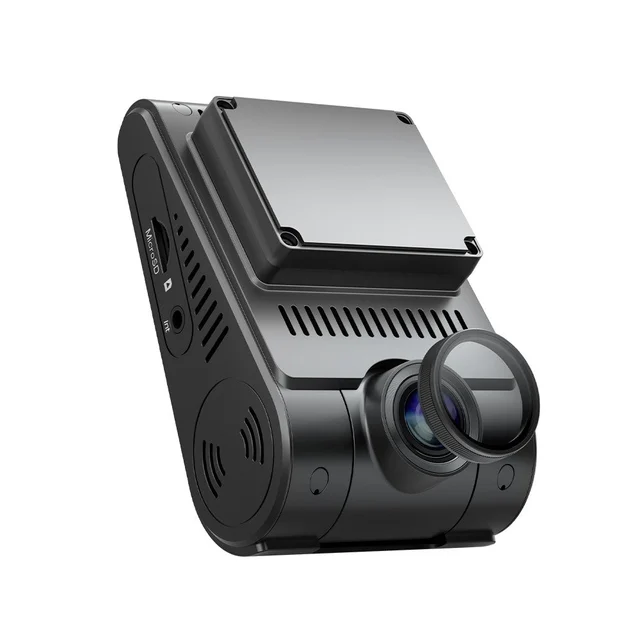
True 4K front and 2K rear on dual Sony STARVIS 2 sensors, with a glare-cutting filter in the box.
Best for: Drivers who want the most front-and-rear detail per dollar and do not mind spending an afternoon in the settings.
- Genuine 4K front and 2K rear using Sony STARVIS 2 sensors (IMX678 front, IMX675 rear) with HDR on both channels
- Includes a CPL filter to cut windshield reflections that most rivals sell separately, plus 5GHz Wi-Fi and quad-mode GPS
- Button-driven menus have a learning curve and there is no touchscreen
- Parking modes need the HK4 hardwire kit, which is sold separately
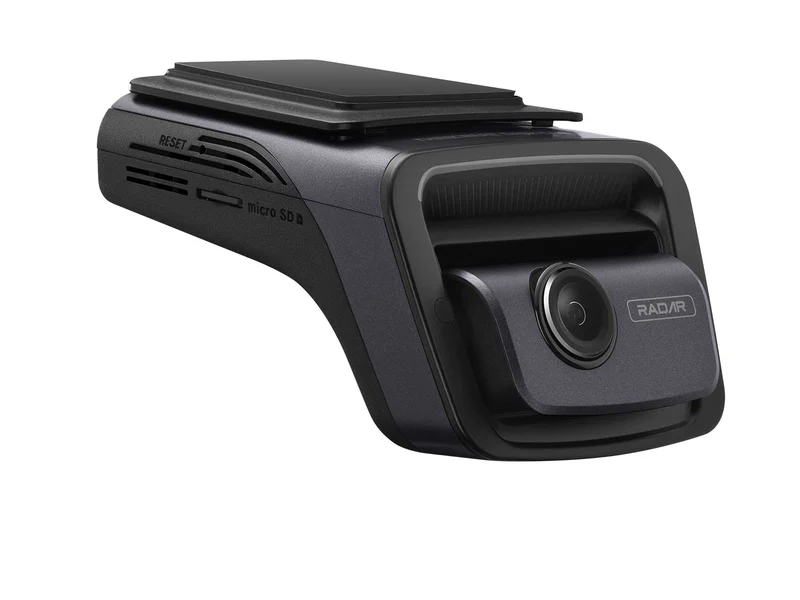
A screenless 4K unit whose low-power radar parking mode is genuinely ahead of the pack, at a price to match.
Best for: City and street parkers who want serious unattended protection and will pay for the radar advantage.
- Radar-based parking mode uses low-power front and rear radar to wake and record only on real motion, sparing your battery
- 4K front camera on a Sony STARVIS 2 IMX678 sensor with Super Night Vision 4.0 for clean low-light detail
- Lists WDR rather than HDR, so bright, sunny scenes can blow out highlights and wash out nearby plates
- Premium pricing and a screenless design that leans heavily on the phone app for everyday changes
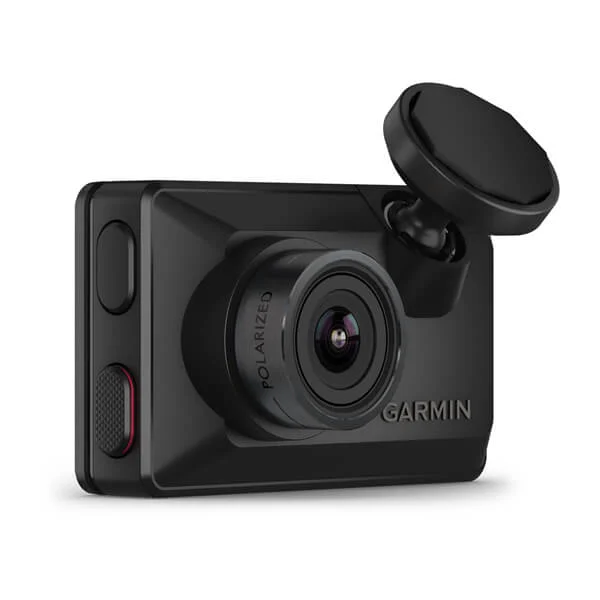
The most polished single-camera setup here: tiny body, touchscreen, and a built-in polarizer that kills dashboard glare.
Best for: People who want the simplest, most discreet one-camera install and do not need rear coverage.
- Compact 4K recording with a built-in Clarity polarizer that noticeably reduces windshield and dashboard reflections
- 2.41-inch touchscreen plus voice control make it the easiest of the group to set up and live with
- A single front camera; rear coverage means buying and syncing a second Garmin dash cam
- You pay a premium price for a single channel
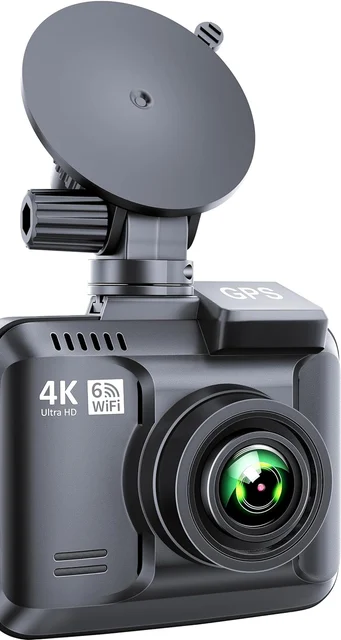
Marketed as 4K, but a first-generation 5MP sensor and a shaky app mean the label outruns the hardware.
Best for: Bare-bones budget buyers who understand they are not getting real 4K detail.
- Supercapacitor build tolerates heat and cold better than battery units, and support is responsive
- Covers the basics on paper: Wi-Fi 6, built-in GPS, a 150-degree lens and a 2.4-inch screen
- The '4K' resolution is upscaled from a first-gen Sony STARVIS IMX335 5MP sensor, so daytime plate clarity trails true 4K models
- Owners report a buggy companion app plus occasional dead-on-arrival units and fussy SD-card compatibility
| Criteria | VIOFO A229 Pro Top pick | Thinkware U3000 | Garmin Dash Cam X310 | ROVE R2-4K |
|---|---|---|---|---|
| Verdict | Buy it | It depends | Buy it | Skip it |
| Best for | Drivers who want the most front-and-rear detail per dollar and do not mind spending an afternoon in the settings. | City and street parkers who want serious unattended protection and will pay for the radar advantage. | People who want the simplest, most discreet one-camera install and do not need rear coverage. | Bare-bones budget buyers who understand they are not getting real 4K detail. |
| Price tier | $$ · mid-range | $$$ · premium | $$$ · premium | $ · budget |
| Front camera | True 4K, Sony STARVIS 2 (IMX678) | True 4K, Sony STARVIS 2 (IMX678) | 4K with built-in Clarity polarizer, 140-degree view | Upscaled 4K, first-gen STARVIS (IMX335, 5MP) |
| Rear coverage | Yes, 2K STARVIS 2 rear | Rear radar built in; rear camera specs not published | No, front only (can sync with other Garmin cams) | Only on the separate Dual version (1080p) |
| Night and low light | Excellent, HDR on both channels | Excellent sensor, WDR rather than HDR | Very good, polarizer cuts glare | Adequate, softer fine detail |
| Parking protection | Buffered, time-lapse and low-bitrate modes (HK4 kit needed) | Radar-triggered, very low power | Parking Guard alerts; needs Vault subscription and constant power | Time-lapse parking mode |
| Ease of use | Buttons and app; menu learning curve | Screenless, app-dependent | Touchscreen and voice; simplest | Basic screen; app is unreliable |
| Value tier | Mid-range, most detail per dollar | Premium | Premium, single channel | Budget, overpromises |
Which one is right for you?
- Drivers who want the most front-and-rear detail per dollar and do not mind spending an afternoon in the settings. Buy it VIOFO A229 Pro
- People who want the simplest, most discreet one-camera install and do not need rear coverage. Buy it Garmin Dash Cam X310
- City and street parkers who want serious unattended protection and will pay for the radar advantage. It depends Thinkware U3000
- Bare-bones budget buyers who understand they are not getting real 4K detail. Skip it ROVE R2-4K
How we judged the field
Real Buyer Experiences does not run a lab. Instead, we read widely across independent expert testing and long-term owner reports, then look for the points where they agree and, more tellingly, where they disagree. For dash cams, four things separate a unit worth mounting from one that will disappoint you six months in: how clearly it reads a plate at night and at speed, whether it protects the car while parked, how much of the vehicle it actually covers, and how little it fights you day to day.
We deliberately included models at different prices and with different priorities, because the right dash cam depends heavily on how and where you drive. We also included one popular budget seller as a cautionary example, because its marketing and its hardware do not line up. Every model here is on sale right now; nothing on this list is discontinued.
VIOFO A229 Pro
Buy itThe A229 Pro is the unit we would put on most windshields. It records true 4K at the front and 2K at the rear, and both cameras use Sony STARVIS 2 sensors, the IMX678 up front and the IMX675 at the back. That pairing, plus HDR on both channels, is what independent testers repeatedly single out for balancing bright and dark areas well enough to hold a plate readable in mixed light. A circular polarizing filter comes in the box, which is the kind of accessory competitors usually treat as an upsell.
What owners like more: the front-and-rear image quality relative to what it costs, and the fact that the glare filter and quad-mode GPS are included rather than extra. What they like less: the setup. There is no touchscreen, the menus are deep, and the parking modes require the HK4 hardwire kit, sold separately. If you are willing to learn the menu once, the payoff is the most detail per dollar in this group. Verdict: buy.
Thinkware U3000
It dependsThe U3000 is the specialist. Its front camera is a 4K STARVIS 2 unit with strong low-light performance, but the reason to consider it is the radar parking mode. Rather than continuously recording or relying only on a motion-sensitive image, it uses low-power front and rear radar to wake the camera when something actually moves nearby, then records a short clip. For anyone who parks on a street or in a shared lot, that is a meaningful, well-executed advantage, and few rivals offer anything comparable.
The trade-offs are real. Thinkware lists Wide Dynamic Range rather than HDR, so on bright, sunny days highlights can blow out and a nearby plate can wash out, the one area where the cheaper VIOFO is more consistent. It is also a screenless, premium-priced design that leans on the phone app for routine changes. If parking protection is your top concern and the budget allows, it earns its place; if not, you are paying for a feature you may rarely use. Verdict: depends.
Garmin Dash Cam X310
Buy itThe X310 wins on refinement rather than coverage. It is a very small 4K camera with a 2.41-inch touchscreen, voice control, and a built-in Clarity polarizer that testers credit with making the dashboard nearly disappear from footage on sunny days. Of everything here, it is the easiest to install, configure and forget, and its compact body hides neatly behind the mirror.
What holds it back is scope and price. It is a single front camera, so on its own it cannot document a rear-end hit or what happens behind you in traffic; covering the rear means a second Garmin unit. You also pay a premium for a single channel, and remote Parking Guard alerts need a paid Vault subscription plus constant power. For a buyer who values simplicity and discretion over rear coverage, it is the most pleasant unit to own. Verdict: buy.
ROVE R2-4K
Skip itThe R2-4K is a strong seller, and that is exactly why it belongs here as a warning. It is advertised as a 4K camera, but the footage is produced from a first-generation Sony STARVIS IMX335, a 5-megapixel sensor. That means the 4K file is effectively upscaled, and in side-by-side daytime comparisons its fine detail, including distant plates, falls behind cameras built on true 4K, higher-resolution sensors. The label promises more than the hardware can resolve.
The supercapacitor build is a genuine positive, and support responds quickly. But owner reports also describe an unreliable companion app, occasional dead-on-arrival units, and confusion over which memory cards work. When a mid-range camera reads plates more reliably and behaves more predictably, spending on the R2-4K is hard to justify beyond the lowest budgets. Verdict: skip.
VIOFO A229 Pro vs Garmin Dash Cam X310: which should you buy?
These two represent the real decision for most shoppers, and they are almost opposites. The A229 Pro is about capability: two channels, true 4K and 2K, HDR both ways, a glare filter included, and expandable parking protection, all at a mid-range price. The cost is complexity. You configure it with buttons and an app, and you add a hardwire kit for full parking coverage.
The X310 is about ease. It is a single 4K camera you can install in minutes, control by touch or voice, and rely on a built-in polarizer to tame glare, in a body small enough to ignore. The cost is coverage and money: no rear camera in the box, and a premium price for one channel.
Choose the VIOFO if you want the most protection and detail for your money and do not mind a setup session. Choose the Garmin if a clean, effortless, front-only camera matters more than watching your back bumper.
What to look for
Start with coverage. If you only need to document the road ahead, a polished front-only camera keeps things simple and cheap. If you park on busy streets, sit in heavy traffic, or drive for work, a rear channel earns its keep quickly.
Then weigh parking needs. Any of these can watch a parked car, but most require a hardwire kit tapping constant power. If unattended protection is central to why you are buying, radar-triggered systems manage battery drain better over long stretches.
Finally, look past the resolution number to the sensor and to HDR. A modern STARVIS 2 sensor with HDR does more for real-world plate clarity than a large megapixel figure printed on the box. And treat a polarizing filter, included or built in, as a feature that pays off every sunny day, not an afterthought.
Our final take
For most drivers, the VIOFO A229 Pro is the balanced choice, pairing real front-and-rear detail with HDR and an included glare filter at a fair price. The Garmin Dash Cam X310 is the better pick if you want the simplest, smallest single camera and can skip rear coverage. The Thinkware U3000 is worth its premium only if radar parking protection is a priority. And the ROVE R2-4K is the one to pass over, because its 4K promise rests on a sensor that cannot deliver it.
Questions, answered
Is a 4K dash cam actually worth it over 1080p or 2K?
Usually yes, but only with a modern sensor behind the label. Real 4K on a STARVIS 2 sensor resolves more of a license plate at distance and speed. An upscaled 4K on an older 5MP sensor gives you the big number without the detail, so check the sensor, not the resolution.
Do I need a front and rear dash cam or just front?
Front-only covers most at-fault disputes and tailgating you can see. Add a rear camera if you park on busy streets, get rear-ended often in traffic, or drive for rideshare or delivery. Front-only units like the Garmin keep installation simpler and cheaper.
What is parking mode and do I need to hardwire the camera?
Parking mode records or watches for impacts while you are away. Most cameras need a hardwire kit tapping constant power to run it without draining your battery. Radar-based systems, like the Thinkware, wake only on detected motion, which reduces power use during long parked stretches.
Why is the ROVE R2-4K on the skip list if it records in 4K?
It outputs a 4K file, but that footage comes from a first-generation 5MP Sony STARVIS sensor, so fine daytime detail such as distant plates trails true 4K rivals. Owners also report an unreliable app and occasional faulty units, which undercut the value at any price.
Does a CPL filter matter on a dash cam?
It helps more than most buyers expect. A circular polarizing filter cuts reflections from your dashboard and windshield, so the footage sees the road instead of a mirrored glare. The VIOFO includes one; the Garmin builds a polarizer in; many rivals leave you to buy it separately.
Deciding between the top two? See our head-to-head: VIOFO A229 Pro vs Garmin Dash Cam X310.
More Automotive reviews
 The Best Detail Brushes: 4 Compared (and One to Skip)
  The Best Car Drying Towels: 4 Compared (and One to Skip)
  The Best Engine Degreasers: 4 Compared (and One to Skip)
  The Best Home EV Chargers: 4 Compared (and One to Skip)
  The Best Floor Jacks: 4 Compared (and One to Skip)
  The Best All-Weather Car Floor Mats: 4 Compared (and One to Skip)