

Explained
Car Covers, Explained
After reading this you will know which type of car cover fits where your car actually sleeps, and why chasing the word waterproof usually backfires.
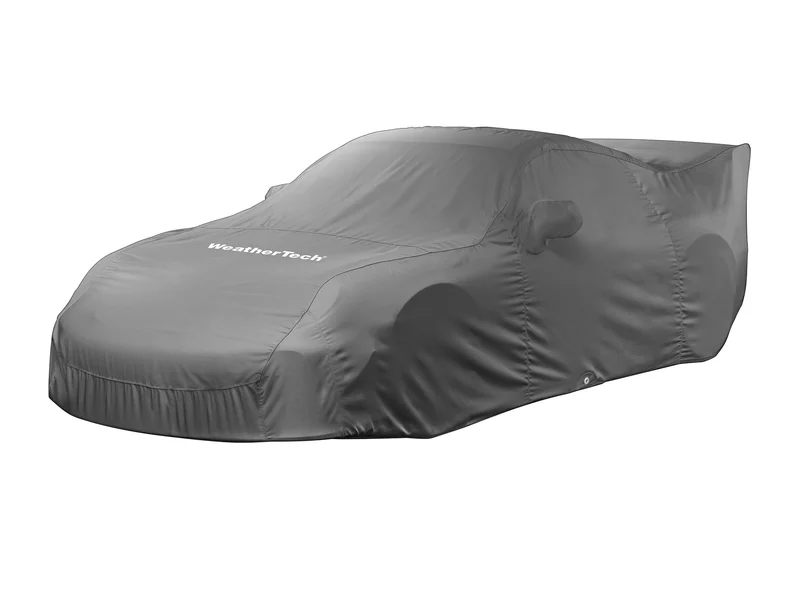
In this guide
A car cover looks like a simple bag of fabric, but the choices behind it decide whether it protects your paint or slowly damages it. The two things that trip up first-time buyers most are matching the cover to where the car is parked, and understanding why a fully waterproof cover is often the wrong pick. This guide decodes the terms so you can read any listing without getting fooled.
The 30-second version
- Match the cover to where the car sleeps. an indoor cover left outside fails fast, and an outdoor cover indoors is overkill you paid too much for.
- Breathable beats fully waterproof outdoors. a sealed cover traps condensation against the paint, which encourages mildew and water spots that quietly damage the finish.
- Fit decides flapping. a custom-patterned cover hugs the body and stays put, while a loose universal cover can shift and rub in wind unless you use its straps.
- A soft inner lining protects your clear-coat. the surface touching the paint should be soft fabric or fleece so trapped grit and movement do not leave swirl marks.
- Never cover a wet or dirty car. no cover fixes a bad habit, and covering grime or moisture is the fastest way to scratch and stain the finish.
What actually matters
- Indoor vs outdoor rating. This is the single most important spec. Indoor covers are light dust-and-ding protectors; outdoor covers are built to shed sun, rain, and wind. Using one for the other's job wastes money or ruins your paint.
- Fit type (custom vs universal vs semi-custom). Custom-patterned covers are cut for one exact make and model, so they follow the body and resist flapping. Universal covers are chosen by a size band and drape looser. Semi-custom splits the difference. If the car parks outside in wind, fit matters most.
- Breathability vs water resistance. The best outdoor covers are water-resistant and breathable, not sealed. Breathability lets moisture underneath escape instead of condensing on the paint. Prioritize this balance over the marketing word waterproof.
- Number of layers and material. More layers usually mean more protection from UV, acid rain, and tree sap, but also more bulk and weight. The outer material determines UV and heat resistance; the inner layer determines paint safety.
- Paint-safe inner lining. Look for a soft woven, stretch, or fleece inner surface. A rough inner layer plus trapped dust equals fine scratches over time.
- Securing hardware. Windproof tie-down straps, a front buckle, grommets, and an optional cable-and-lock kit are what keep a cover on the car overnight and deter theft. Wind is the enemy of any loose cover.
- Storage bag and weight. A thicker multi-layer cover protects more but is heavier and harder to fold. Check that a storage bag is included and that you have room to keep it.
The specs, in plain English
Green flags vs red flags
Green flags
- The listing clearly states whether the cover is for indoor or outdoor use, rather than vaguely claiming both
- It describes the fabric as breathable and water-resistant for outdoor use, not just waterproof
- A soft inner lining (fleece, soft woven, or stretch) is specifically mentioned for paint safety
- Real securing hardware is included: windproof straps, a front buckle, grommets, or a lock-and-cable option
- UV resistance or a reflective outer is called out for sun protection
- A storage bag is included and the fit type (custom, semi-custom, or universal by size) is stated plainly
Red flags
- The cover is marketed as fully waterproof for everyday outdoor use with no mention of breathability
- No inner lining or paint-safe surface is described, or the material sounds rough
- No straps, buckle, or grommets, meaning nothing keeps it from blowing off in wind
- A thin single-layer cover is sold for all-weather outdoor duty
- The listing is vague about indoor vs outdoor use, or claims to do everything equally well
- Owner reports mention seams leaking, the cover wearing through at contact points, or it sagging when wet
Who's who: the brands
- WeatherTech - Known for custom-patterned covers cut to a specific vehicle, including breathable outdoor and snug indoor options.
- Leader Accessories - Offers value universal covers spanning thin indoor dust sheets up to reflective multi-layer outdoor covers with windproof straps.
- Covercraft - A long-standing maker offering a range of fabrics and both custom and semi-custom fits for indoor and outdoor use.
- Budge - Widely available budget-friendly universal covers, generally aimed at light-duty and shorter-term protection.
How to read a listing without getting fooled
Start by finding the one thing many listings bury: is this an indoor or an outdoor cover? An indoor cover advertises dust and ding protection and a soft finish; an outdoor cover advertises UV, rain, and wind resistance. Next, treat the word waterproof with suspicion for daily outdoor parking, and look instead for breathable and water-resistant together. Confirm the fit type, because custom means it hugs your exact model while universal means you pick a size band and accept a looser drape. Then check the inside: a named soft lining tells you the maker thought about your paint. Finally, scan for the hardware list, straps, a buckle, grommets, or a lock kit, and glance at owner reports for the failure patterns that specs hide, such as seams leaking in heavy rain or the fabric wearing thin where it touches the body.
How much should you spend?
What you pay is driven mostly by fit and materials, not by brand alone. The cheapest covers are thin single-layer universals that work only as indoor dust sheets; spending a little more buys layered fabric, a paint-safe lining, and real securing hardware, which is the value sweet spot for most people who park outdoors. Stepping up again buys a custom pattern that hugs your exact vehicle and premium breathable fabrics that last for years, worth it if the car lives outside full-time and you want the most refined, longest-lasting protection. Spending big is not worth it if the car is garaged, where a modestly priced indoor cover does the job beautifully, and an expensive outdoor cover is protection you will never use. Match your spend to where the car sleeps and how long you want the cover to last.
Questions, answered
Is a waterproof car cover better than a breathable one?
Usually not, for outdoor parking. A fully sealed waterproof cover traps condensation and humidity against the paint, which encourages mildew and water spots. A breathable, water-resistant cover sheds most rain while letting moisture underneath escape. The trade-off is that in a sustained heavy downpour a little water can pass through, which is preferable to sealing dampness in.
Is a custom-fit cover worth it over a universal one?
If the car parks outside in wind, often yes. A custom-patterned cover follows the body and stays put, so it does not billow, shift, or expose sections of paint. Universal covers cost far less and ship without needing your exact model, but they drape looser and rely on tie-down straps. Custom fit buys a cleaner look and less flapping; universal fit buys value and availability.
Will a car cover scratch my paint?
It can, if used wrong. Scratches come from grit trapped between the cover and the finish, or from a loose cover rubbing in wind. Avoid both by only covering a clean, dry car, choosing a cover with a soft inner lining, and using a snug fit or windproof straps to stop the abrasive back-and-forth movement that causes swirl marks.
Can I use an indoor car cover outside?
You should not. Indoor covers use light, soft materials made to block dust and dings in a garage. They offer little UV protection and are not built to shed rain or snow, so outdoors they let weather through and can trap dampness. For outside parking, choose a purpose-built all-weather cover instead.
How do I keep a car cover from blowing off?
Use the securing hardware. Look for windproof tie-down straps that clip under the chassis, plus a front buckle and grommets. A snug custom fit also resists wind by hugging the body. For added security against both wind and theft, many covers offer a cable-and-lock accessory that threads through built-in grommets.
How many layers does a car cover need?
It depends on the job. A single thin layer is fine as an indoor dust sheet. For outdoor use, multiple layers give better protection from UV, acid rain, and tree sap, and typically include a soft inner lining for paint safety. More layers mean more protection but also more bulk and weight, so balance protection against how easily you want to fold and store it.
Related guides
 Car Phone Mounts After reading this, you'll know which mount attachment style and grip mechanism fits your car and phone, and which spec-sheet claims to trust.
  Car Seat Organizers After reading, you'll know which type of car organizer fits your clutter, and how to spot the specs that keep it upright, anchored, and easy to clean.
  Car Vacuums After reading this you will know which car-vacuum numbers describe real cleaning power and which are marketing, so you can match the tool to how you actually clean.
 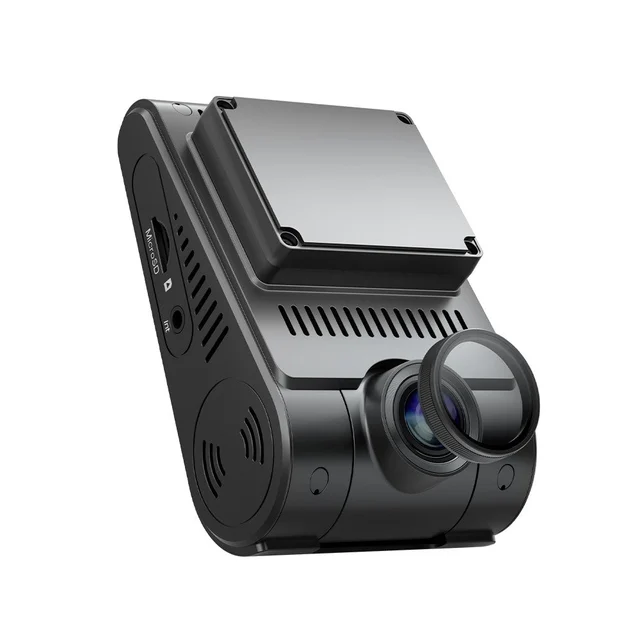 Dash Cams After reading this you will understand what a dash cam listing is really telling you, and which specs decide whether the footage holds up when you need it.
  Jump Starters After reading this you will know how to size a jump starter to your engine and which numbers to ignore, so you buy one that turns the key when the battery is dead.
 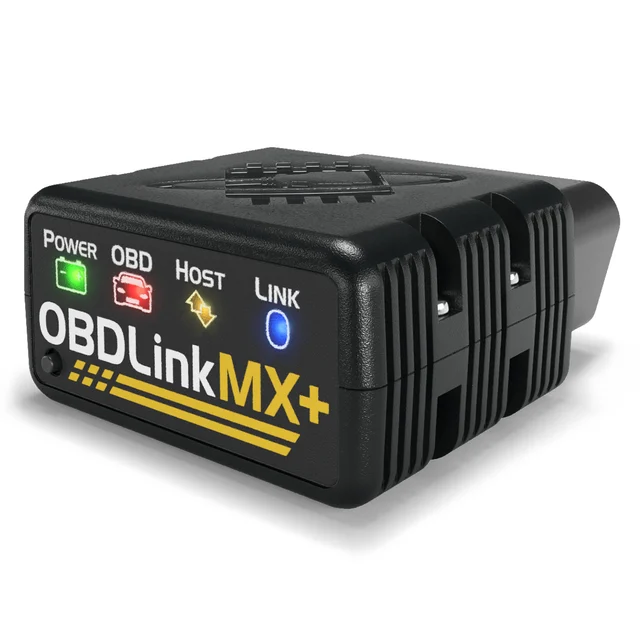 OBD2 Scanners After reading this you will understand the difference between a code reader and a scan tool, and which features are worth paying for, so you buy the right diagnostic tool for your skill level.