Explained
Bone-Conduction Headphones, Explained
After reading, you'll understand how bone conduction actually works, why you're buying awareness and comfort rather than sound, and how to tell a solid set from a cheap one.
In this guide
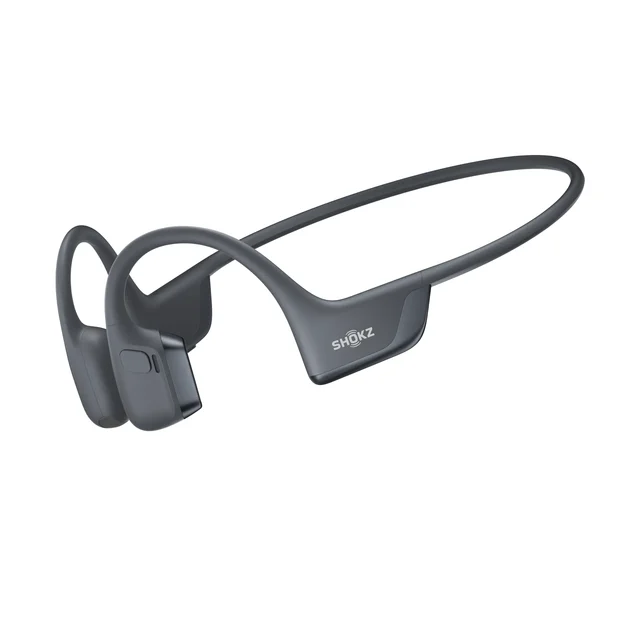
Bone-conduction headphones sit on your cheekbones and send music through the bone straight to your inner ear, leaving your ear canals completely open. That is the whole point: you hear traffic, teammates, and your own footsteps while you listen, and nothing is jammed into your ears. Where first-time buyers get tripped up is judging these on sound quality, because the physics of the format simply cannot deliver deep bass or studio detail, and that is a fair trade only if awareness and comfort are what you actually want.
The 30-second version
- You're buying awareness, not audio. Open ears let you hear the world while you listen, which is the reason this format exists; deep bass and studio detail are not on the menu, and a set that promises them is overselling.
- Bone conduction and "open-ear" are not the same thing. True bone conduction vibrates your cheekbones and leaves ears the most open, while air-conduction open-ear buds use tiny speakers just outside the ear that usually sound fuller and leak less, at a small cost to openness.
- Leakage is the format's real weakness. All of these designs let people nearby hear your music, and the effect grows with volume; a cheap set can leak enough to annoy everyone around you.
- Fit, sweat rating, and battery separate the good from the junk. A band that stays planted through hard efforts, a water rating that shrugs off sweat and rain, and long battery with quick charging are where the leaders earn their keep.
The products this guide is about
Our verdict on each, with the full reasoning on the companion review.
- Buy Shokz OpenRun Pro 2 The most complete open-ear headphone for runners: a bone-conduction band with an added bass driver that finally gives the format some low end.
- Buy Suunto Wing 2 A true bone-conduction band built around safety, with built-in LED lights and a higher water rating that make it the smarter pick for low-light road use.
- It depends Shokz OpenFit 2 Open-ear earbuds that use tiny air-conduction speakers instead of bone conduction, so they sound fuller and leak less, but seal you off from awareness a touch more.
- Skip Vidonn F1 A cheap bone-conduction band that looks the part but gives up leakage control, battery, and stability where it counts.
What actually matters
- Situational awareness is the entire reason to go open-ear, so favor a design that keeps your ears the most open and keep the volume moderate to preserve it.
- Bone conduction vs. air conduction decides your priorities: bone-conduction bands leave ears maximally open, while air-conduction open-ear buds trade a touch of awareness for fuller sound and less leakage.
- Sound leakage matters if you listen near other people; every open design leaks more than sealed earbuds, and lower-leakage sets keep your music your business.
- Water and sweat rating (IP) is worth real money for runners and cyclists; a higher rating survives heavy sweat and rain, a lower one is fine for sweat and light drizzle only.
- Fit and stability for your situation, whether that's glasses, a helmet, a hat, or a ponytail, matters more than shaving a few grams, because a set that bounces or slips ruins the experience.
- Battery life and quick charge decide how often you're tethered to a cable; long playtime plus a fast top-up before a run is the practical difference maker.
- Call microphone quality matters if you take calls outdoors, where wind and traffic can swamp a weak mic.
The specs, in plain English
Green flags vs red flags
Green flags
- Honest marketing that sells awareness, comfort, and safety rather than promising audiophile bass the format can't produce
- A secure wraparound band or ear hook that owners say stays planted through running and cycling
- A water rating that clearly covers heavy sweat and rain if you train outdoors
- Long battery life with a genuine quick-charge option for last-minute top-ups
- A call mic that owners rate as usable outdoors, plus stable Bluetooth with multipoint
- Reasonable leakage control, so your music doesn't broadcast to everyone nearby at normal volumes
Red flags
- A no-name set at a suspiciously low price that owners report leaks heavily at usable volumes
- Short battery life that needs recharging far more often than the leaders
- A light or loose build that owners say rattles or bounces during harder efforts
- Older Bluetooth versions prone to dropouts and laggy audio
- A basic mic that struggles in wind and traffic, if you plan to take calls
- Marketing that hides or omits the water rating, or claims deep bass that bone conduction can't deliver
Who's who: the brands
- Shokz - The best-known specialist in the category, with bone-conduction bands and, more recently, air-conduction open-ear buds; its hybrid flagship adds a bass driver for more low end than pure bone conduction.
- Suunto - A sports-tech brand whose bone-conduction band leans into safety and durability, with LED lights, a rugged water rating, and a bundled powerbank aimed at dark, wet training.
- Vidonn - A budget maker of inexpensive bone-conduction bands that look the part but typically give up leakage control, battery, and stability where it counts.
How to read a listing without getting fooled
Start by reading a listing for what the format can't hide. If the pitch leans on "booming bass" or "studio sound," be skeptical, because bone conduction is physics-limited on bass and honest brands say so. Check whether it's true bone conduction or air-conduction open-ear, since that tells you the trade between maximum awareness and fuller sound. Then hunt for the numbers that actually matter: the IP water rating (a higher second digit survives more sweat and rain), the battery life and whether there's a quick charge, and the Bluetooth version and whether it supports multipoint. Look at the band or hook design and, ideally, owner reports on whether it stays put during running. Finally, treat leakage as a real spec even though it rarely gets a number; owner descriptions of "people can hear my music" are the tell. If a cheap set is silent about water rating, battery, or leakage, assume those are the corners it cut.
How much should you spend?
Spending here mostly buys the things that make the format actually pleasant to live with: a stable band that survives hard efforts, controlled leakage, a stronger water rating, long battery with quick charge, and a mic that works outdoors. The value sweet spot sits in the middle of the range, where a run-focused set gives you a rugged water rating and safety extras without paying for the top-tier sound tricks. Stepping up to premium is worth it if you want the fullest sound the format allows, either a hybrid band with an added bass driver or air-conduction buds, and the most polished mic and connection. The one place to be careful is the very bottom: the cheapest no-name sets tend to be a false economy, because their heavy leakage, weak battery, and rattly fit undercut the exact comfort-and-awareness benefits you're buying open-ear for in the first place. For a little more, the field offers far more headphone.
Questions, answered
Do bone-conduction headphones actually sound good?
Set expectations honestly: the point of the format is keeping your ears open for safety and comfort, not audiophile sound. The physics limit bass, and at high volume the transducers can tickle or vibrate against your cheekbones. Hybrid bands add a small air driver for more low end, and air-conduction open-ear buds sound fuller still, but none will match sealed earbuds for depth. If awareness matters more than sound, that trade is exactly the point.
What's the difference between bone conduction and air-conduction open-ear headphones?
Bone conduction sends vibrations through your cheekbones to the inner ear, leaving the ear canal completely open, which gives the highest awareness. Air-conduction open-ear buds use tiny speakers that sit just outside the ear and beam sound in; they generally sound better and leak less, at a slight cost to openness. Neither plugs your ears, so both are far safer outdoors than sealed earbuds.
Will people around me hear my music?
Some, yes, and it's the format's real weakness. Every open-ear design leaks more than sealed earbuds, and the effect grows with volume. Air-conduction buds tend to leak the least, bone-conduction bands are moderate, and cheap sets can leak enough to bother people nearby. In a quiet office or on a still trail near others, keep the volume down.
Are these safe for running or cycling in traffic?
That's their main advantage. Because your ear canals stay open, you keep hearing cars, cyclists, and voices while audio plays, which sealed earbuds block out. Keep the volume moderate so awareness stays sharp, and for dark conditions a set with built-in LED safety lights adds a real visibility benefit. Always follow local rules, since some places restrict headphone use while cycling.
Will they work with my glasses, helmet, or ponytail?
Usually, but the details matter. A slim bone-conduction band generally coexists with glasses temple arms and most hats, and it's often the most comfortable pairing. Ear-hook air-conduction buds skip the rear band entirely, which some helmet and hairstyle situations prefer. If you wear a ponytail, a wraparound band can sit against it, so a bud-style design or a higher tie can help. When possible, check owner reports for your specific combination.
How water-resistant do they need to be for running?
For sweat and light rain, a mid-level rating is fine; for heavy sweat, downpours, or year-round outdoor training, look for a higher water rating that clearly survives more. Just remember that even a strong rating usually means sweat-and-rain resistant, not swim-proof, so don't take these into the pool or submerge them.
Or jump to the head-to-head: Shokz OpenRun Pro 2 vs Suunto Wing 2.