

Audio & Headphones
The Best Bone-Conduction & Open-Ear Headphones: 4 Compared (and One to Skip)
We compared four current open-ear headphones on the thing that actually matters here: hearing the world around you, comfort, and sweat resistance, not audiophile sound.
The short version
Buy the Shokz OpenRun Pro 2 if you want the best open-ear headphone overall: your ears stay open for traffic and awareness, and its hybrid bone-plus-air design gives it more bass than any pure bone-conduction rival, though it is pricey and not waterproof. The Suunto Wing 2 is the runner-up and often the better value, with built-in LED safety lights, a higher IP66 water rating, and a bundled powerbank that make it ideal for dark or wet training, at the cost of thinner sound. The Shokz OpenFit 2 is an it-depends pick: its air-conduction speakers sound fuller and leak less, but sit a touch closer to your ears, so awareness is very good rather than maximal. Skip the Vidonn F1, whose heavy leakage, short battery, and looser fit make its low price a false economy. Best for: runners, cyclists, and walkers who want to hear the world around them while they listen.
Our picks at a glance
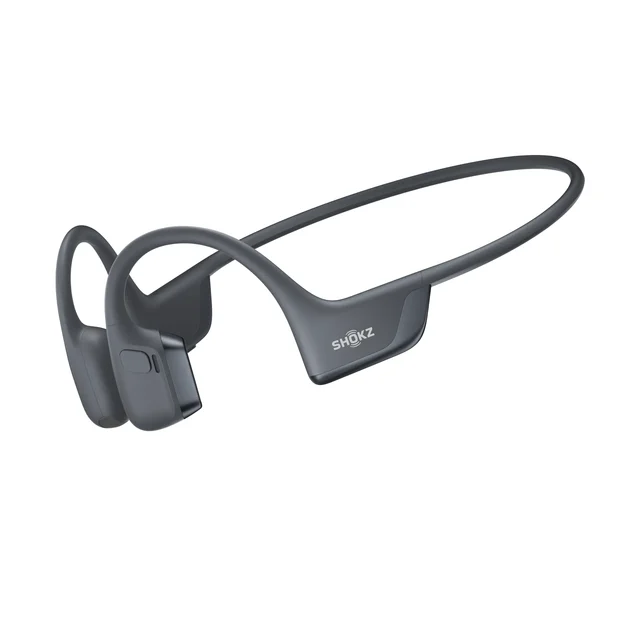
- Shokz OpenRun Pro 2 - Buy. The most complete open-ear headphone for runners: a bone-conduction band with an added bass driver that finally gives the format some low end.
- Suunto Wing 2 - Buy. A true bone-conduction band built around safety, with built-in LED lights and a higher water rating that make it the smarter pick for low-light road use.
- Shokz OpenFit 2 - It depends. Open-ear earbuds that use tiny air-conduction speakers instead of bone conduction, so they sound fuller and leak less, but seal you off from awareness a touch more.
- Vidonn F1 - Skip. A cheap bone-conduction band that looks the part but gives up leakage control, battery, and stability where it counts.
The verdict in 30 seconds
What mattered most
- Conduction type
- Situational awareness
- Sound quality
- Sound leakage
- Water & sweat rating
- Battery life
Bone-conduction and open-ear headphones exist for one reason: they leave your ear canals open so you can hear traffic, teammates, and your own footsteps while music plays. That safety-and-awareness payoff, plus all-day comfort with nothing jammed in your ears, is the point, not deep bass or studio detail, which the physics of the format simply will not deliver. Drawing on independent testing and long-term owner reports, we found a clear top tier led by Shokz's hybrid flagship and Suunto's safety-focused runner's pick, a capable air-conduction alternative that trades a little awareness for better sound, and one cheap set whose leakage and short battery make it a false economy.
The most complete open-ear headphone for runners: a bone-conduction band with an added bass driver that finally gives the format some low end.
Best for: Runners and cyclists who want the best-sounding open-ear set and full situational awareness, and will pay for it.
- Hybrid design pairs bone conduction with a small air-conduction driver, so it has noticeably more bass than any pure bone-conduction rival
- Wraparound titanium band stays put through hard efforts and works fine with glasses and most hats
- Ears stay fully open, so you keep near-complete awareness of traffic and surroundings
- Long battery life and reliable multipoint Bluetooth for phone and watch
- Clear call mic that reviewers rate among the best in the category
- IP55 rating handles sweat and rain but is not built for submersion or the pool
- Bass still comes partly from an air driver, so leakage rises at high volume and it is not truly waterproof
- Premium price for what is still, by design, a limited-fidelity listening experience
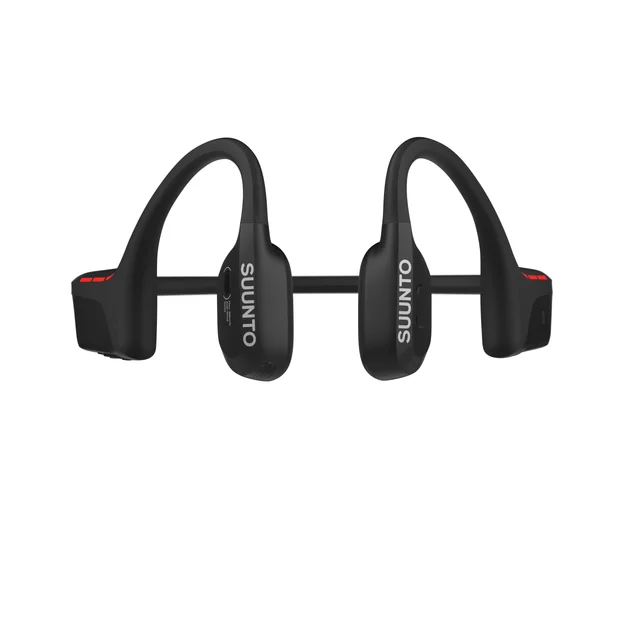
A true bone-conduction band built around safety, with built-in LED lights and a higher water rating that make it the smarter pick for low-light road use.
Best for: Runners and cyclists who train in the dark and prioritize visibility, water resistance, and value over outright sound quality.
- Rear LED safety lights make you visible to traffic on dark early-morning or evening runs and rides
- IP66 rating shrugs off heavy sweat and rain better than most open-ear rivals
- Includes a clip-on powerbank that roughly doubles total playtime for long days and travel
- Head-gesture controls let you answer or skip tracks without fumbling for tiny buttons
- Fully open ears with strong, stable wraparound fit
- Pure bone conduction means thinner sound and weaker bass than the hybrid Shokz
- Can tickle or vibrate against the cheekbones at higher volumes, a normal trait of the format
- Head-gesture controls take practice and can misfire until you learn them
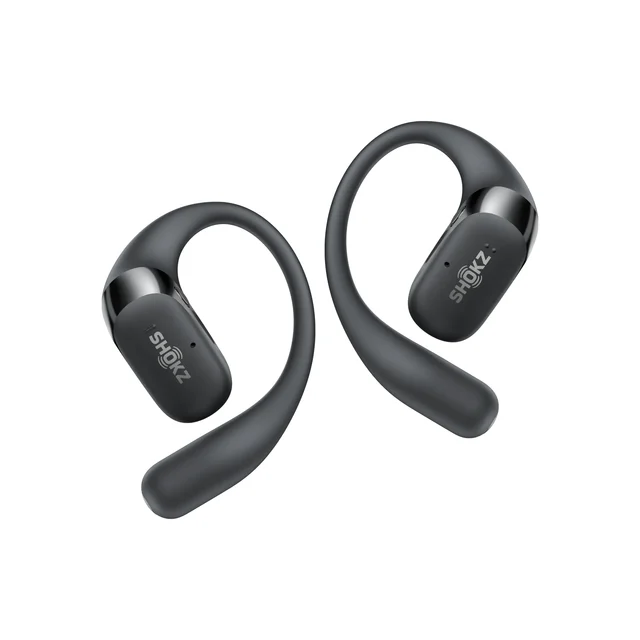
Open-ear earbuds that use tiny air-conduction speakers instead of bone conduction, so they sound fuller and leak less, but seal you off from awareness a touch more.
Best for: People who want open-ear awareness but care more about sound quality and low leakage than maximum openness or a rugged run-specific build.
- Air-conduction drivers deliver fuller, more natural sound with real bass, the best audio of this group
- Leaks less than bone-conduction bands, so quieter around other people
- Featherweight earbuds with a case, comfortable for all-day wear and calls
- No band across the back of the head, which suits some hats, helmets, and hairstyles
- Ear-hook buds sit closer to the ear opening, so situational awareness is very good but slightly less open than a bone-conduction band
- Two separate buds are easier to drop or misplace than a one-piece band
- IP55 rating is fine for sweat but not for heavy rain or water
- Fit can shift during high-impact running for some ears
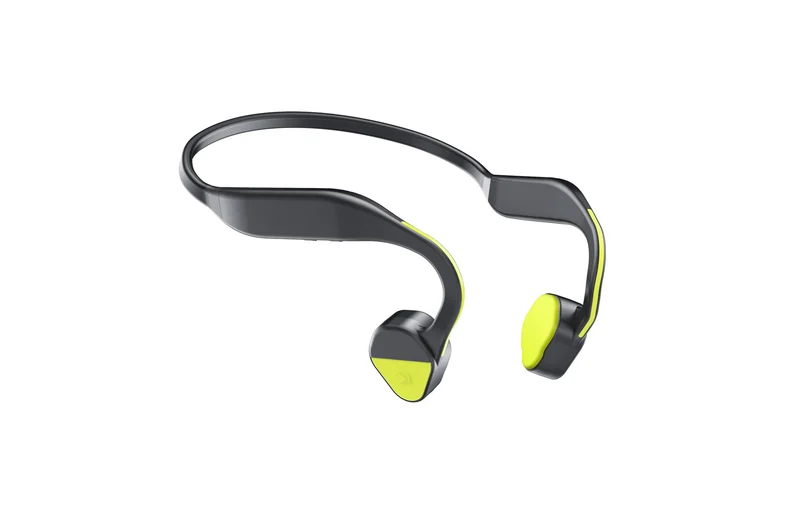
A cheap bone-conduction band that looks the part but gives up leakage control, battery, and stability where it counts.
Best for: Only the most budget-constrained buyer who wants to try the format and will forgive weak battery, leakage, and a loose fit.
- Inexpensive and lightweight, with the open-ear awareness that defines the format
- Simple, no-fuss Bluetooth pairing
- Noticeably more sound leakage, so people nearby clearly hear your music at usable volumes
- Short battery life means it needs charging far more often than the leaders
- Older Bluetooth and a lighter build that owners report can rattle or bounce during harder efforts
- Thin sound with essentially no bass, even by bone-conduction standards
- Basic call mic that struggles outdoors and in wind
| Criteria | Shokz OpenRun Pro 2 Top pick | Suunto Wing 2 | Shokz OpenFit 2 | Vidonn F1 |
|---|---|---|---|---|
| Verdict | Buy it | Buy it | It depends | Skip it |
| Best for | Runners and cyclists who want the best-sounding open-ear set and full situational awareness, and will pay for it. | Runners and cyclists who train in the dark and prioritize visibility, water resistance, and value over outright sound quality. | People who want open-ear awareness but care more about sound quality and low leakage than maximum openness or a rugged run-specific build. | Only the most budget-constrained buyer who wants to try the format and will forgive weak battery, leakage, and a loose fit. |
| Price tier | $$$ · premium | $$ · mid-range | $$$ · premium | $ · budget |
| Conduction type | Bone + air hybrid | Bone conduction | Air conduction (open-ear) | Bone conduction |
| Situational awareness | Excellent, ears fully open | Excellent, ears fully open | Very good, slightly less open | Good, ears open |
| Sound quality | Best of the bone-conduction group, added bass | Good, limited bass | Fullest sound overall, real bass | Weak, essentially no bass |
| Sound leakage | Moderate, rises at high volume | Moderate | Low, the quietest here | High |
| Water & sweat rating | IP55 (sweat/rain) | IP66 (heavy sweat/rain) | IP55 (sweat) | IP55 (sweat) |
| Battery life | Long, all-day | Long, plus powerbank top-ups | Long, plus charging case | Short, frequent recharging |
| Price tier | $$$ · premium | $$ · mid-range | $$$ · premium | $ · budget |
Which one is right for you?
- Runners and cyclists who want the best-sounding open-ear set and full situational awareness, and will pay for it. Buy it Shokz OpenRun Pro 2
- Runners and cyclists who train in the dark and prioritize visibility, water resistance, and value over outright sound quality. Buy it Suunto Wing 2
- People who want open-ear awareness but care more about sound quality and low leakage than maximum openness or a rugged run-specific build. It depends Shokz OpenFit 2
- Only the most budget-constrained buyer who wants to try the format and will forgive weak battery, leakage, and a loose fit. Skip it Vidonn F1
How we judged the field
Open-ear headphones are not trying to win a sound-quality contest, and judging them as if they were misses the point. Their entire reason to exist is that they leave your ear canals open, so you can hear traffic, a training partner, or an approaching cyclist while audio plays, and so you can wear them for hours with nothing wedged in your ears. We weighted the field accordingly. Rather than run our own lab, we synthesized independent testing and long-term owner reports, and we leaned hardest on the criteria that actually decide satisfaction here: how open and aware you feel, how securely the set stays put during real efforts, how much it leaks to people nearby, and how it holds up to sweat and rain. Sound quality still counts, but we treat it as a tie-breaker within honest limits, because bone conduction is physics-limited on bass and can tickle at volume, and even the best air-conduction buds trade some depth for open ears. We compared four current, buyable models across bone-conduction and air-conduction designs, and we name one to skip.
The OpenRun Pro 2 is the set most independent reviewers and owners rank first, and the reasoning is consistent. It is a bone-conduction band, so your ears stay fully open and your situational awareness stays high, but Shokz added a small air-conduction driver to handle the low frequencies. The result is noticeably more bass than any pure bone-conduction rival, which is the single biggest complaint about the format. The wraparound titanium band is light and stays planted through hard running, and it coexists well with glasses and most caps. Battery life is long, the Bluetooth connection is stable with multipoint for a phone and a watch, and the call mic is among the best in the category. The honest cautions: the IP55 rating handles sweat and rain but not submersion or the pool, leakage still climbs if you crank the volume, and you are paying a premium for what remains, by design, a limited-fidelity experience. For most people who want one open-ear headphone that does everything well, it is worth it.
The Wing 2 is the closest challenger and, for a specific rider or runner, the smarter buy. It is pure bone conduction, so it gives up some bass and body to the hybrid Shokz, but it answers with features built squarely around safety and the outdoors. Rear-facing LED lights make you visible to traffic on dark morning or evening sessions, a genuine benefit that no Shokz model matches. Its IP66 rating is the most rugged here, shrugging off heavy sweat and rain, and the bundled clip-on powerbank roughly doubles total playtime, which is a real convenience on long days or trips. Head-gesture controls let you nod or shake to answer calls and skip tracks without hunting for tiny buttons, though they take practice and can misfire at first. It typically costs less than the OpenRun Pro 2, which makes it the value-conscious choice among the top pair. If you train in the dark or the wet and care more about visibility and durability than outright sound, this is a legitimate first pick.
The OpenFit 2 takes the other road to open ears: instead of bone conduction, it uses tiny air-conduction speakers on ear hooks that sit just outside the ear canal and beam sound in. That design pays off in the two places bone conduction struggles. It sounds fuller and more natural, with real bass, easily the best audio of this group, and it leaks less to the people around you. The buds are featherweight, comfortable for all-day wear and calls, and there is no band across the back of your head, which some hat, helmet, and hairstyle situations prefer. The trade-offs are why this is an it-depends rather than a flat buy. Sitting closer to the ear opening means awareness is very good but a shade less open than a true bone-conduction band, which matters if maximum traffic awareness is your priority. Two separate buds are easier to lose than a one-piece band, the IP55 rating is sweat-ready but not built for heavy rain, and the fit can shift for some ears during high-impact running. Choose it if sound and low leakage matter most; look to the bands if openness and a rugged run build come first.
The Vidonn F1 shows why the cheapest option in this category is usually a false economy. It nails the one free feature, open ears and the awareness that comes with them, but gives up ground everywhere the leaders earn their keep. Owners and independent testing consistently flag heavier sound leakage, enough that people near you clearly hear your music at usable volumes, which undercuts the discreetness open-ear buyers often want. Battery life is short, so it needs charging far more often than the top picks. The older Bluetooth and lighter build can rattle or bounce during harder efforts rather than staying locked in place, and the sound is thin with essentially no bass even by bone-conduction standards. The call mic struggles outdoors and in wind. None of this makes it dangerous or useless, and the very lowest budget may still reach for it, but for a little more money the field offers far more headphone. For most people, it is the wrong buy.
Shokz OpenRun Pro 2 vs Suunto Wing 2: which should you buy?
These two bone-conduction bands lead the category, and the decision comes down to what your training looks like. The OpenRun Pro 2 is the better all-rounder and the better-sounding one: its added air-conduction bass driver gives it low end that the pure bone-conduction Wing 2 cannot match, and its call mic and connection are a touch more polished. That makes it the pick if audio quality and overall refinement matter most, and if you mostly train in daylight and dry conditions. The Wing 2 answers with a safety-and-durability package the Shokz lacks: built-in LED lights for visibility in the dark, a higher IP66 water rating for heavy sweat and rain, a bundled powerbank for longer range between charges, and usually a lower price. Choose the OpenRun Pro 2 if you want the best sound and the most complete open-ear experience. Choose the Wing 2 if you run or ride in low light or bad weather, want the extra water resistance, or simply want strong value. Both keep your ears open and both are sets you can rely on for years.
What to look for
- Awareness first: the reason to buy open-ear is that your ears stay open, so favor designs that keep you most aware of traffic and surroundings, and keep the volume moderate to preserve it.
- Bone conduction versus air conduction: bone-conduction bands leave your ears the most open, while air-conduction open-ear buds usually sound better and leak less; pick based on whether awareness or audio matters more to you.
- Set realistic sound expectations: bass is physics-limited and the transducers can tickle at high volume, so judge these on comfort and awareness, not audiophile depth.
- Sound leakage: all open-ear designs leak more than sealed earbuds, and it grows with volume, so if you listen near other people, favor lower-leakage designs and lower levels.
- Water and sweat rating: for runners and cyclists, a higher IP rating is worth real money; IP66 shrugs off heavy sweat and rain, while IP55 is fine for sweat and light rain only.
- Fit and stability: a wraparound band or secure ear hook that survives hard efforts matters more than a few grams, and glasses wearers should confirm the band or hook plays nicely with temple arms.
- Battery, mic, and extras: long battery, a clear call mic for outdoor calls, and useful additions like LED safety lights or a bundled powerbank separate the leaders from the budget sets.
Our final take
Buy the Shokz OpenRun Pro 2 if you want the best open-ear headphone overall: it keeps your ears open for safety and comfort while sounding better than any pure bone-conduction rival, and it is refined enough to be your everyday set as well as your running one, provided you accept the premium price and that it is sweat-resistant rather than waterproof. Choose the Suunto Wing 2 if you train in the dark or the wet and value visibility, durability, and a bundled powerbank, usually for less money, accepting thinner sound in return. Consider the Shokz OpenFit 2 if you want fuller audio and the lowest leakage and can live with a slightly less open, ear-hook design. Leave the Vidonn F1 for the tightest budgets only. Match the set to how and where you actually move, and any of the top three will keep you listening while you stay aware of the world around you.
Questions, answered
Do bone-conduction headphones actually sound good?
Set expectations honestly: the whole point of this format is keeping your ears open for safety and comfort, not audiophile sound. The physics limit bass, and at high volume the transducers can tickle or vibrate against your cheekbones. The hybrid Shokz OpenRun Pro 2 adds a small air driver for more low end, and the air-conduction OpenFit 2 sounds fuller still, but none will match sealed earbuds for depth. If awareness matters more than sound, that trade is exactly the point.
What is the difference between bone conduction and air-conduction open-ear headphones?
Bone conduction (OpenRun Pro 2, Suunto Wing 2, Vidonn F1) sends vibrations through your cheekbones to the inner ear, leaving the ear canal completely open. Air-conduction open-ear buds (OpenFit 2) use tiny speakers that sit just outside the ear and beam sound in. Air-conduction designs generally sound better and leak less, while bone conduction leaves your ears the most open for awareness. Neither plugs your ears, so both are far safer than sealed earbuds outdoors.
Are these safe to run or cycle with in traffic?
That is their main advantage. Because your ear canals stay open, you keep hearing cars, cyclists, and voices while music or a podcast plays, which sealed earbuds block out. Keep the volume moderate so awareness stays sharp, and for dark conditions the Suunto Wing 2's built-in LED lights add a genuine visibility benefit. Always follow local rules, some places restrict headphone use while cycling.
Will people around me hear my music (sound leakage)?
Some, yes, and it is the format's real weakness. All open-ear designs leak more than sealed earbuds, and the effect grows with volume. The air-conduction OpenFit 2 leaks the least, the bone-conduction bands are moderate, and the budget Vidonn F1 leaks enough to bother people nearby. In a quiet office or on a still trail near others, keep the volume down.
Which is best if I wear glasses or train in the rain?
For glasses, all the wraparound and ear-hook designs here generally coexist with temple arms, though a bone-conduction band and a slim frame is the most comfortable combination for most people. For wet or sweaty conditions, water resistance matters: the Suunto Wing 2's IP66 rating is the most rugged of this group, while the IP55 sets handle sweat and light rain but are not built for downpours or submersion.
Deciding between the top two? See our head-to-head: Shokz OpenRun Pro 2 vs Suunto Wing 2.
More Audio & Headphones reviews
 The Best Bookshelf Speakers (Passive and Powered), Tested Against the Hype
  Best Budget Noise-Cancelling Headphones Under $150: Three Honest Picks
  Best Budget Soundbars: Real-World Picks for Bigger Sound Without the Splurge
  The Best Car Speakers: 4 Compared (and One to Skip)
  The Best CD Players: 4 Compared (and One to Skip)
  The Best Closed-Back Headphones: 4 Compared (and One to Skip)