

Audio & Hi-Fi
The Best Cajons: 4 Compared (and One to Skip)
Cherry, birch, and eucalyptus percussion boxes from $90 to $490. Two sit-and-play winners for a new player, one handcrafted step-up, and a $490 three-sided experiment.
The short version
Start with the Pearl Primero Figured Cherry at $155 - proper wood tapa, real snare sound, name-brand build. The Sakae at $90 is the honest budget pick. The Meinl Artisan is worth $270 only once technique demands it, and the Tycoon Triple Play is a $490 studio toy, not a starter.
Our picks at a glance
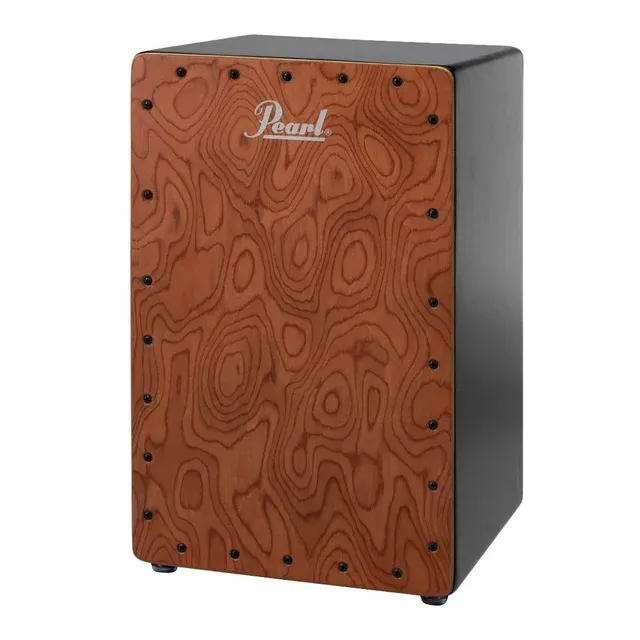
- Pearl Primero Figured Cherry Cajon - Buy. Cherry-tapa box with Pearl build quality - the safe first real cajon.
- Sakae Osaka Heritage Cajon (CAJ100W) - Buy. The $90 entry that still looks and sounds like wood, not a kit.
- Meinl Artisan Edition Tango Line Cajon (Brown Eucalyptus) - It depends. Handcrafted eucalyptus string cajon for players who can already hear the difference.
- Tycoon Percussion Tycoon Triple Play 3-Sided Cajon 35 - Skip. Three playing surfaces in one box - a studio novelty at $490.
The verdict in 30 seconds
What mattered most
- Price (street)
- Body / tapa
- Snare system
- Playable seated
- Verdict
A cajon is the most giftable instrument that isn't a toy: a wooden box you sit on, slap, and instantly sound like the percussionist at a campfire. The difference between a $90 box and a $270 box is real - internal snare wires, tapa wood choice, and how the corners crack. We lined up four at beginner, mid, artisan, and novelty prices.
Cherry-tapa box with Pearl build quality - the safe first real cajon.
Best for: First-time players and gifters who want a name-brand box under $160.
- Figured cherry tapa - tonally close to maple, a bright crack with warm lows.
- Internal snare gives the classic bass/slap split beginners learn on.
- Pearl's entry Primero line - consistent corners and glue work at the price.
- $155 undercuts boutique cajons while sounding like a grown-up instrument.
- MDF body rather than solid ply - durable, but less resonant than the Artisan tier.
- Fixed snare - no on/off switch for dry flamenco tones.
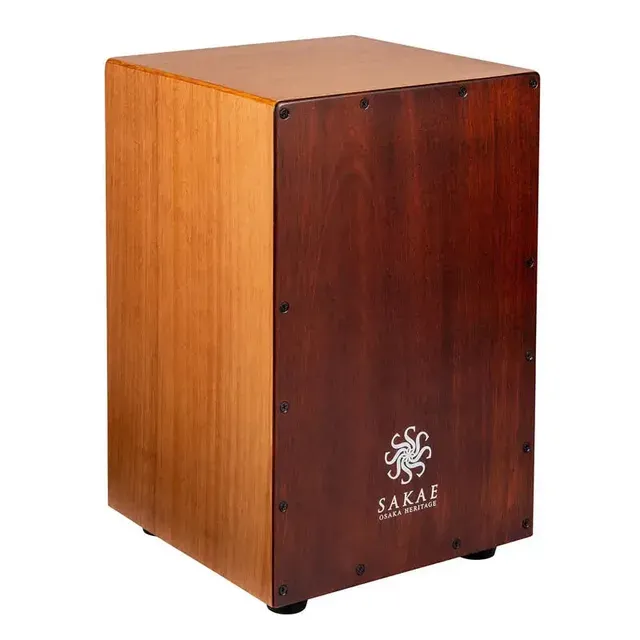
The $90 entry that still looks and sounds like wood, not a kit.
Best for: Budget gifts and students who aren't sure they'll stick with it.
- $90 - cheapest way to get a real seated cajon instead of a toy.
- Clean two-tone birch look - reads like a serious instrument.
- Solid slap/bass contrast for learning basic grooves.
- Entry tapa and hardware - thinner snare response than the Pearl or Meinl.
- Sakae percussion line is being wound down - stock is clearance, replacements are uncertain.
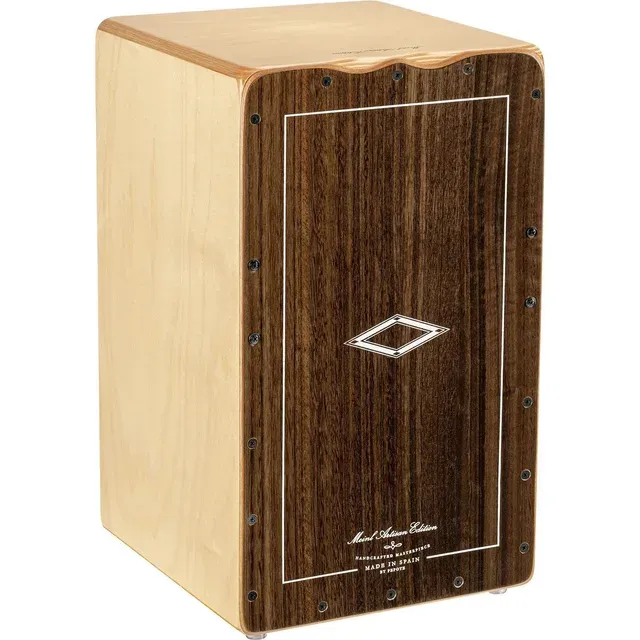
Handcrafted eucalyptus string cajon for players who can already hear the difference.
Best for: Players graduating from a starter box, and acoustic performers.
- Handcrafted Artisan Edition build - the tier where cajons stop being furniture.
- Brown eucalyptus tapa - dense and articulate, sensitive to fingertip ghost notes.
- Adjustable string system - dial snare tension for rumba-dry to flamenco-buzzy.
- $270 is a lot for a first instrument - the nuance is wasted on a beginner.
- Heavier, more resonant box - louder than apartment-friendly.
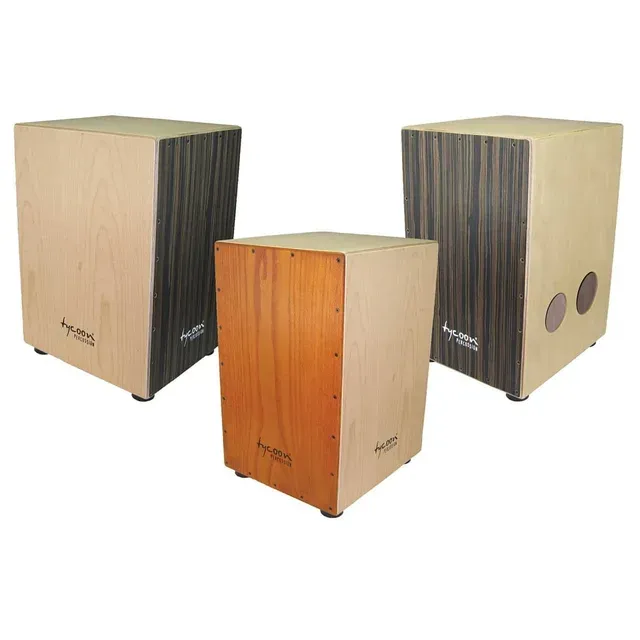
Three playing surfaces in one box - a studio novelty at $490.
Best for: Studios wanting a conversation piece - nobody's first instrument.
- First-of-its-kind three-surface design - three distinct voices in one drum.
- Genuinely fun for percussionists collecting textures.
- $490 buys three good normal cajons - or a Pearl plus lessons.
- Three-sided shape can't be played sitting down like a normal cajon - it's a niche tool, not a starter.
- Each surface is a compromise; no single face is as good as a dedicated cajon's.
| Criteria | Pearl Primero Figured Cherry Cajon Top pick | Sakae Osaka Heritage Cajon (CAJ100W) | Meinl Artisan Edition Tango Line Cajon (Brown Eucalyptus) | Tycoon Triple Play 3-Sided Cajon 35 |
|---|---|---|---|---|
| Verdict | Buy it | Buy it | It depends | Skip it |
| Best for | First-time players and gifters who want a name-brand box under $160. | Budget gifts and students who aren't sure they'll stick with it. | Players graduating from a starter box, and acoustic performers. | Studios wanting a conversation piece - nobody's first instrument. |
| Price tier | $$ · mid-range | $ · budget | $$$ · premium | $$$$ · flagship |
| Price (street) | $154.99 | $89.99 | $269.99 | $489.99 |
| Body / tapa | MDF body, figured cherry faceplate | Birch-style ply, two-tone finish | Handcrafted box, brown eucalyptus tapa | 3-sided multi-surface shell |
| Snare system | Fixed internal snare | Internal snare | Adjustable strings | Distinct voice per face |
| Playable seated | Yes - standard box | Yes - standard box | Yes - standard box | No - angled triple design |
| Verdict | Buy - the right first real cajon | Buy - best $90 option | It depends - a step-up, not a start | Skip - novelty shape, niche use |
Which one is right for you?
- First-time players and gifters who want a name-brand box under $160. Buy it Pearl Primero Figured Cherry Cajon
- Budget gifts and students who aren't sure they'll stick with it. Buy it Sakae Osaka Heritage Cajon (CAJ100W)
- Players graduating from a starter box, and acoustic performers. It depends Meinl Artisan Edition Tango Line Cajon (Brown Eucalyptus)
- Studios wanting a conversation piece - nobody's first instrument. Skip it Tycoon Percussion Tycoon Triple Play 3-Sided Cajon 35
How we judged the field
The cajon market splits into beginner boxes ($80-160, ply or MDF, fixed snare), artisan builds ($250+, handpicked tapas, adjustable strings), and curiosities. We picked one of each worth buying, one worth skipping, and judged them on sound separation, build, and whether the gift recipient could actually learn on it.
Pearl’s Primero line is the standard answer to “what cajon should I buy first,” and the figured cherry version is the one we’d gift. The MDF body is ordinary - that’s fine, bodies are stiff resonators either way - but the cherry tapa is not: cherry’s hardness puts it tonally near maple, so corner slaps crack and the center thumps with real warmth. At $155 it sits exactly where a gift should: clearly an instrument, not so expensive that a lapsed player feels guilty.
Ninety dollars buys a real seated cajon with a clean two-tone birch look and a workable bass/slap split. The Sakae’s snare response is thinner and its corners less articulate than the Pearl’s, and there’s a caveat: Sakae’s percussion line is being wound down, so this is clearance stock - a deal, but don’t expect a matching expansion line later.
The Tango Line is what a cajon sounds like when someone handpicks the tapa. The brown eucalyptus faceplate is dense and articulate - fingertip ghost notes that vanish on the Pearl actually speak here - and the adjustable string system swings between dry rumba and buzzy flamenco. That’s precisely why it’s a step-up gift, not a starter: a beginner can’t hear the difference it makes, and its louder, more resonant shell is less apartment-friendly.
Three playing surfaces, three voices, one $490 drum you can’t sit on. The Triple Play is a genuinely clever studio texture tool, but every face is a compromise versus a dedicated cajon, the angled shape abandons the sit-and-play ergonomics that make the instrument accessible, and the price buys three good normal cajons. Gift it to a percussionist who already owns five drums - not to anyone’s first.
Pearl Primero vs Sakae Osaka Heritage: which should you buy?
If the recipient is a curious kid, a casual adult, or anyone whose commitment is unproven, the Sakae at $90 is the honest choice - real instrument, low stakes. If they’re already playing guitar and want a rhythm companion, or if the gift should feel like a grown-up object under the tree, spend the extra $65 on the Pearl: the cherry tapa and Pearl build are visible and audible upgrades. Skip the Meinl until they own a metronome, and skip the Tycoon entirely.
What to look for in a cajon
- Tapa over body. The striking face does the tonal work; the body just resonates. Prioritize hardwood tapas (birch, cherry, eucalyptus) over fancy body shells.
- Sit-down geometry. A cajon should be roughly knee height when you sit on it with your feet flat - standard boxes get this right by definition.
- Snare fit for the music. Fixed internal snares suit rock and pop backbeats; adjustable strings suit flamenco and quieter acoustic sets.
- Corners that crack. The bass/slap contrast is the entire instrument; if corner hits don’t snap, the box is furniture.
Our final take
The Pearl Primero Figured Cherry is the gift: $155, real hardwood sound, and a name the recipient will find in every tutorial video. The Sakae at $90 is the smart budget move with a clearance asterisk. The Meinl Artisan is a second cajon, not a first, and the Tycoon Triple Play is a fascinating experiment that answers a question beginners don’t ask.
Questions, answered
What makes a good beginner cajon?
A standard box shape you sit on with feet flat, a front tapa that cracks sharply at the corners, and an internal snare that buzzes on slaps but stays out of the bass center. All three buy-grade boxes here fit that.
What's the difference between snare strings and wires?
String systems (like the Meinl's) press guitar-style strings against the tapa for a dryer, flamenco-style buzz and are often adjustable. Wire systems use coiled snare-drum wires for a fatter, drum-kit-like rattle. Neither is better - strings are more traditional for cajon.
Do wood choices matter?
At the tapa (the striking face), yes: birch and beech are bright and cutting, cherry and maple add warmth, eucalyptus is dense and articulate. The body matters less - most are ply or MDF.
Can a cajon replace a drum kit?
For acoustic jams, busking, and small gigs, absolutely - that's the whole point of the instrument. Add a cajon pedal later and it covers kick duties too.
Deciding between the top two? See our head-to-head: Pearl Primero Figured Cherry Cajon vs Sakae Osaka Heritage Cajon (CAJ100W).
More Audio & Hi-Fi reviews
 The Best Car Speakers: 4 Compared (and One to Skip)
  The Best CD Players: 4 Compared (and One to Skip)
  The Best Closed-Back Headphones: 4 Compared (and One to Skip)
  The Best Computer Speakers: 4 Compared (and One to Skip)
  The Best Desktop DAC/Amps: 4 Compared (and One to Skip)
  The Best DJ Headphones: 4 Compared (and One to Skip)