

Audio & Headphones
The Best Closed-Back Headphones: 4 Compared (and One to Skip)
We compared four current wired closed-back over-ears on isolation, leakage, clamp and comfort, tuning, amp needs, pads, and cable.
The short version
Closed-back headphones give up the wide soundstage of open-backs in exchange for isolation and much less leakage, which makes them the right tool for studios, commutes, shared spaces, and gaming near a mic. Of the four, the Audio-Technica ATH-M40x is our pick: it is the cheapest here, isolates well, and is flatter and more honest than its hyped M50x sibling. The Beyerdynamic DT 770 Pro is the runner-up and the comfort champion, with velour pads that suit glasses and long sessions, provided you match its impedance to your amp or interface. The ATH-M50x is a genuine it-depends, a fun, bass-forward set whose studio branding oversells its neutrality when the M40x costs less and measures flatter. The Sony MDR-7506 is a respected classic we now skip, held back by a fixed coiled cable, flaking pads, and a sharp, dated sound at a price newer cans beat. Best for: anyone who needs real-world isolation and low leakage rather than the airy openness of open-back headphones.
Our picks at a glance
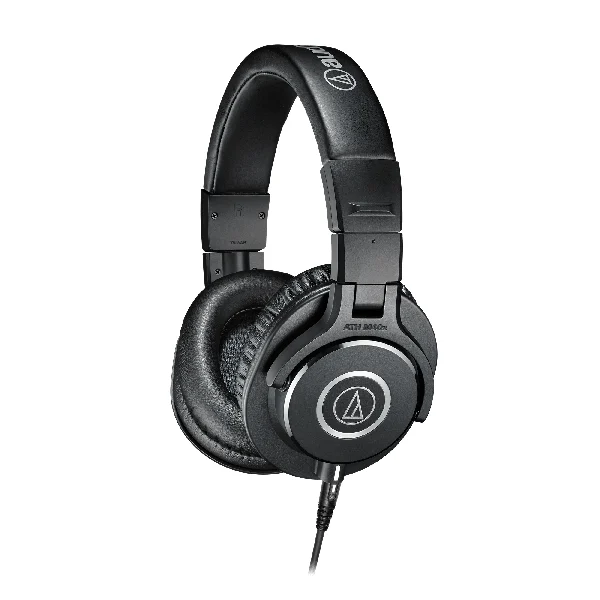
- Audio-Technica ATH-M40x - Buy. The flatter, cheaper sibling of the famous M50x, and the better pick if you actually want neutral.
- Beyerdynamic DT 770 Pro - Buy. The long-session comfort champion, with plush velour pads and isolation that shrugs off a noisy room.
- Audio-Technica ATH-M50x - It depends. The internet-famous one, but its boosted bass and treble make it more fun than the neutral tool its branding implies.
- Sony MDR-7506 - Skip. A studio legend that still sells at a modern price while showing every one of its decades.
The verdict in 30 seconds
What mattered most
- Sound signature
- Isolation & leakage
- Clamp & long-session comfort
- Amp needs
- Pads & cable
- Build & portability
Closed-back headphones trade the wide, airy soundstage of open-backs for the thing that actually matters on a train, in a shared studio, or next to a hot mic: isolation, with far less sound leaking out. We synthesized independent testing and aggregated owner reports for four wired over-ears that remain current and buyable in 2026, spanning a budget all-rounder to a comfort-focused studio staple. Two earn a clear buy, one is a genuine it-depends, and one is a revered classic we would now skip.
The flatter, cheaper sibling of the famous M50x, and the better pick if you actually want neutral.
Best for: Budget-minded buyers who want an accurate, sealed all-rounder for monitoring, editing, or everyday isolation.
- Notably flatter, more neutral tuning than the bass-boosted M50x, which reviewers and owners favor for monitoring and honest listening
- Strong passive isolation and low leakage from a well-sealed closed design, and easy to drive from a laptop or phone
- Folds flat, ships with detachable straight and coiled cables, and has widely available replacement pads
- Stock pleather pads and a firmish clamp can warm up and press during very long sessions
- Presentation is intimate and studio-plain; it will not wow anyone chasing a big, exciting sound
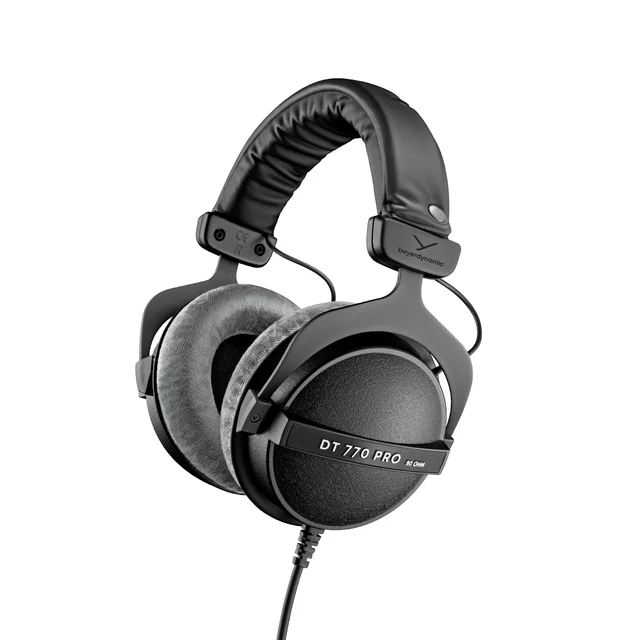
The long-session comfort champion, with plush velour pads and isolation that shrugs off a noisy room.
Best for: Studio, gaming, and desk users who prioritize all-day comfort and isolation and can match the impedance to their source.
- Soft velour pads and a well-distributed headband make it one of the most comfortable sealed cans for multi-hour wear, and friendlier over glasses than stiff pleather rivals
- Excellent isolation with low leakage, and a rugged, largely repairable build with easily replaceable pads
- Detailed, spacious-for-closed sound that independent testing rates highly, with a lively treble
- Sold in multiple impedance versions; the higher-ohm models genuinely want a dedicated amp or interface to reach full volume and control
- Fixed, non-detachable coiled cable and a non-folding frame make it less travel-friendly, and the bright treble can sound sharp to some
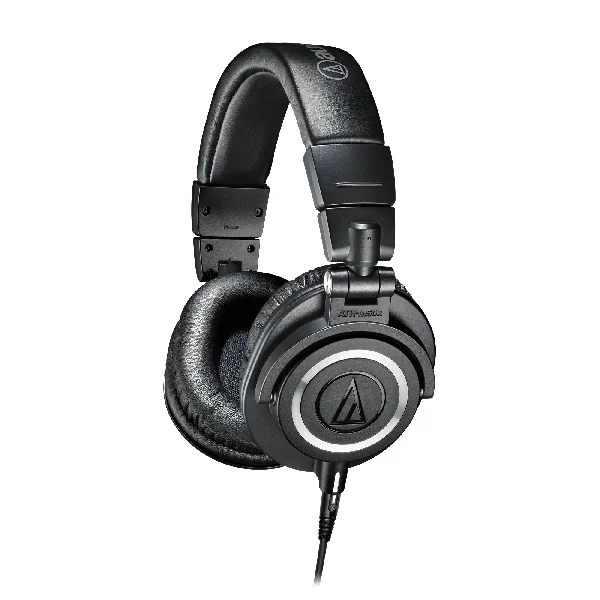
The internet-famous one, but its boosted bass and treble make it more fun than the neutral tool its branding implies.
Best for: Listeners who specifically want a fun, bass-forward sealed sound and are not chasing flat accuracy.
- Punchy, energetic sound with strong bass that many owners love for casual listening and content that benefits from excitement
- Great isolation and low leakage, folds flat for transport, and uses the same detachable cables and replaceable pads as the M40x
- Robust, road-proven build with a long track record and wide accessory support
- Bass and treble lifts mean it is not the flat reference its 'studio monitor' label suggests; the cheaper M40x is closer to neutral
- Clamp and pleather pads run warm on long sessions, and you pay a real premium over the M40x mostly for the tuning and the name
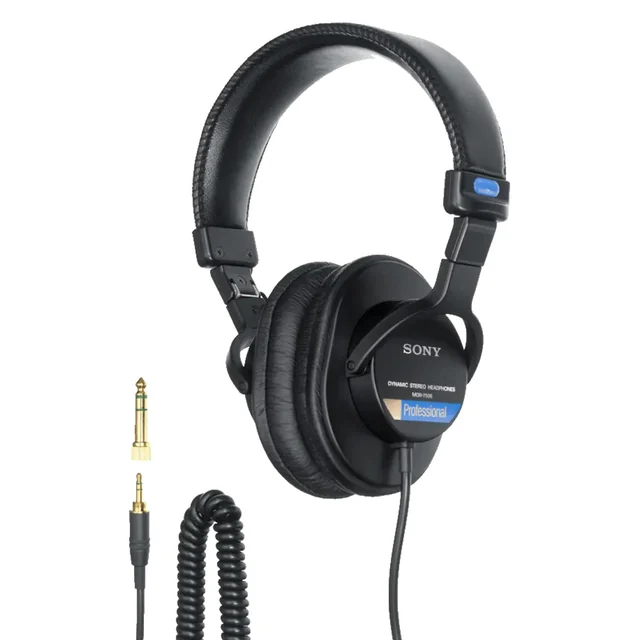
A studio legend that still sells at a modern price while showing every one of its decades.
Best for: Buyers who specifically need this decades-old broadcast standard for compatibility; most others should look at the picks above.
- Light, familiar, and endlessly serviceable, with a bright, revealing midrange that broadcast and location engineers have trusted for years
- Good isolation for tracking and folds down small for a kit bag
- Ubiquitous parts and a fixed reputation for durability
- Fixed coiled cable that cannot be swapped, and thin pleather pads that owners widely report flaking and shedding over time
- A sharp, sometimes fatiguing treble and a dated fit and feel that newer sealed cans at the same money clearly beat
| Criteria | Audio-Technica ATH-M40x Top pick | Beyerdynamic DT 770 Pro | Audio-Technica ATH-M50x | Sony MDR-7506 |
|---|---|---|---|---|
| Verdict | Buy it | Buy it | It depends | Skip it |
| Best for | Budget-minded buyers who want an accurate, sealed all-rounder for monitoring, editing, or everyday isolation. | Studio, gaming, and desk users who prioritize all-day comfort and isolation and can match the impedance to their source. | Listeners who specifically want a fun, bass-forward sealed sound and are not chasing flat accuracy. | Buyers who specifically need this decades-old broadcast standard for compatibility; most others should look at the picks above. |
| Price tier | $ · budget | $$ · mid-range | $$ · mid-range | $$ · mid-range |
| Sound signature | Flat, neutral, studio-honest | Detailed, spacious, bright treble | Fun, bass and treble boosted | Bright, mid-forward, dated |
| Isolation & leakage | Strong seal, low leakage | Strong seal, low leakage | Strong seal, low leakage | Good seal, low leakage |
| Clamp & long-session comfort | Firmish clamp, pleather pads | Gentle clamp, plush velour, glasses-friendly | Firmish clamp, pleather pads | Light but dated, thin pads |
| Amp needs | None; easy to drive | Higher-ohm versions want an amp | None; easy to drive | None; easy to drive |
| Pads & cable | Replaceable pads, detachable cables | Replaceable pads, fixed coiled cable | Replaceable pads, detachable cables | Pads flake over time, fixed coiled cable |
| Build & portability | Sturdy, folds flat | Rugged, does not fold | Rugged, folds flat | Serviceable, folds small |
| Price tier | $ · budget | $$ · mid-range | $$ · mid-range | $$ · mid-range |
Which one is right for you?
- Budget-minded buyers who want an accurate, sealed all-rounder for monitoring, editing, or everyday isolation. Buy it Audio-Technica ATH-M40x
- Studio, gaming, and desk users who prioritize all-day comfort and isolation and can match the impedance to their source. Buy it Beyerdynamic DT 770 Pro
- Listeners who specifically want a fun, bass-forward sealed sound and are not chasing flat accuracy. It depends Audio-Technica ATH-M50x
- Buyers who specifically need this decades-old broadcast standard for compatibility; most others should look at the picks above. Skip it Sony MDR-7506
How we judged the field
We do not run our own listening lab. Instead we synthesize independent measurements, expert reviews, and aggregated owner reports into a single verdict, then weigh them against how people actually use closed-back headphones day to day. Because every model here is a sealed, wired over-ear, we treated strong isolation and low leakage as the shared baseline, then looked for where each set pulls ahead or falls behind.
The criteria that mattered most were tonal balance and how honest the tuning really is, isolation versus leakage, clamp force and comfort over long sessions, whether the model needs an amp to perform, pad material and replaceability, build and portability, and value within its price tier. We also confirmed each model is still current and buyable in 2026. One theme runs through the whole category: closed-back designs trade the wide, airy soundstage of open-backs for the ability to keep noise out and your audio in, which is exactly why they suit studios, commutes, shared spaces, and gaming.
Audio-Technica ATH-M40x - buy
The M40x is the quiet hero of this group. It lives in the shadow of the internet-famous M50x, but for anyone who actually wants neutral sound it is the better buy, and it costs less. Independent testing and owner reports consistently describe its tuning as flatter and more honest than the bass-boosted M50x, which makes it a genuinely useful tool for monitoring, editing, and just hearing a mix as it is. It seals well, leaks little, and drives easily from a laptop or phone, so no amp is needed. It folds flat, ships with detachable straight and coiled cables, and takes widely available replacement pads. The trade-offs are modest: the stock pleather pads and a firmish clamp warm up on marathon sessions, and the presentation is studio-plain rather than exciting. For most people who want a sealed all-rounder, this is the smartest single purchase here.
Beyerdynamic DT 770 Pro - buy
If the M40x wins on value, the DT 770 Pro wins on comfort. Its soft velour pads and well-judged headband make it one of the easiest sealed cans to wear for hours, and that velour is notably kinder to glasses than the stiff pleather on many rivals. Isolation is excellent and leakage is low, the build is rugged and largely repairable, and the sound is detailed with a spacious quality that is impressive for a closed design. Two caveats keep it from being the outright pick. First, it comes in several impedance versions, and the higher-ohm models genuinely want a dedicated amp or interface to reach full volume and control, so you must match the version to your source. Second, the coiled cable is fixed rather than detachable and the frame does not fold, which makes it less travel-friendly, and its lively treble can sound sharp to some ears. Buy it if long-session comfort and isolation top your list.
Audio-Technica ATH-M50x - it depends
The M50x is the one everyone has heard of, and it is a likeable, durable headphone, but its reputation as a flat studio monitor oversells it. Its tuning has clear bass and treble lifts that make it fun and punchy rather than neutral, and the cheaper M40x sits closer to true reference. That is not a flaw so much as a mismatch of expectations: if you want an exciting, bass-forward sealed sound, the M50x delivers, isolates well, folds flat, and shares the M40x’s detachable cables and replaceable pads. If you want accuracy, you are paying a premium over the M40x mostly for the tuning and the name. Its clamp and pleather pads also run warm over time. That split is why it lands as an it-depends rather than a buy: right for one kind of listener, wrong for another.
Sony MDR-7506 - skip
Few headphones are as respected as the MDR-7506. It has been a broadcast and location-sound standard for decades, it is light and endlessly serviceable, and its bright, revealing midrange still helps engineers hear detail. The problem is that it still sells at a modern mid-range price while showing every one of its years. The coiled cable is permanently attached and cannot be swapped, and its thin pleather pads are widely reported to flake and shed with age. The treble can turn sharp and fatiguing, and the overall fit and feel are dated next to newer sealed cans at the same money. Unless you specifically need this exact classic for compatibility or habit, the other three here do the job more comfortably and more flexibly. We would skip it.
Audio-Technica ATH-M40x vs Beyerdynamic DT 770 Pro: which should you buy?
These are the two strongest all-rounders, and the choice is really comfort versus cost and convenience. The M40x is cheaper, flatter, and completely fuss-free: it drives off anything, folds flat, and uses detachable cables, which makes it the easy default for monitoring or everyday isolation. The DT 770 Pro asks for more, both in price and in matching its impedance to your gear, but it repays you with plush velour comfort that suits glasses and multi-hour sessions, plus a slightly more spacious, detailed sound. Buy the M40x if you want the best value and a neutral tool that just works. Step up to the DT 770 Pro if comfort and isolation over long sessions matter most and you can pair it with the right amp or interface.
What to look for
- Isolation and leakage first: the whole point of closed-back is keeping outside noise out and your audio in, so prioritize a good seal for commuting, studios, and shared rooms.
- Clamp and pad material: firmer clamp and pleather pads press harder and run warmer; softer velour and a gentler clamp are friendlier for long sessions and for glasses.
- Amp and impedance: most sealed cans run fine off a phone, but some come in high-impedance versions that genuinely need an amp, so match the version to your source.
- Tuning over branding: decide whether you want flat and honest or fun and bass-forward, and trust the measured tuning rather than a ‘studio’ label.
- Cable and pads: detachable cables and replaceable pads extend a headphone’s life; fixed coiled cables and flaking pads shorten it.
Our final take
For most people who need real isolation and low leakage rather than the airy openness of an open-back, the Audio-Technica ATH-M40x is the pick: it is the cheapest set here, it seals well, and it is flatter and more honest than its hyped M50x sibling. The Beyerdynamic DT 770 Pro is the runner-up and the comfort champion, worth the extra outlay if you value velour comfort and long-session isolation and will match its impedance to your gear. The ATH-M50x is a fine, fun headphone whose studio branding oversells its neutrality, so it earns an it-depends. And the Sony MDR-7506, respected as it is, is the one to skip now, held back by a fixed coiled cable, flaking pads, and a dated, sharp sound at a price newer cans beat. Whichever you choose, remember what closed-back buys you: the room stays out, and your audio stays in.
Questions, answered
What is the real difference between closed-back and open-back headphones?
Closed-back earcups are sealed, so they block a lot of outside noise, leak very little sound outward, and tend to deliver more contained, punchy bass. Open-back cups are vented, which gives a wider, more natural sound and less pressure, but almost no isolation and heavy leakage in both directions. Closed-back is the right choice for commuting, shared offices, tracking near a microphone, and gaming; open-back suits quiet, private rooms.
Which of these is best for wearing glasses?
Comfort with glasses comes down to clamp force and pad material. The Beyerdynamic DT 770 Pro is the friendliest here, with a gentler clamp and soft velour pads that seal around temple arms without pressing hard. The pleather pads and firmer clamp on the two Audio-Technica models can create a hot spot on the arms of your glasses during long sessions, though replacement pads can help.
Do I need a separate headphone amplifier for any of these?
Only for one, and only in some versions. The ATH-M40x, ATH-M50x, and MDR-7506 drive easily from a laptop, phone, or interface with no extra gear. The DT 770 Pro is sold in several impedance ratings, and the higher-ohm version genuinely benefits from a dedicated amp or a capable audio interface to reach comfortable volume and full control. If you will run it straight from a phone, choose one of its lower-impedance versions.
Is 'studio' or 'professional' branding a reason to buy?
Not on its own. Those labels describe a product's heritage and durability more than a guarantee of flat, accurate sound. The ATH-M50x is marketed as a studio monitor, yet it has a deliberately boosted, fun tuning, while the cheaper ATH-M40x is closer to neutral. Judge the actual tuning and fit for your use rather than the word on the box.
Are closed-back headphones good for gaming and commuting?
Yes, and that is where they shine over open-backs. Their isolation keeps outside noise down on a train or in a busy room, and low leakage means you are not broadcasting your audio to everyone nearby. For gaming, a comfortable, well-isolating set like the DT 770 Pro lets you focus for hours, and any of these will keep your game or call audio to yourself far better than an open-back model.
Deciding between the top two? See our head-to-head: Audio-Technica ATH-M40x vs Beyerdynamic DT 770 Pro.
More Audio & Headphones reviews
 The Best Computer Speakers: 4 Compared (and One to Skip)
  The Best Desktop DAC/Amps: 4 Compared (and One to Skip)
  The Best DJ Headphones: 4 Compared (and One to Skip)
  The Best Premium Dolby Atmos Soundbars: 4 Compared (and One to Skip)
  The Best Replacement Earbud Tips: 4 Compared (and One to Skip)
  The Best Gaming Headsets in 2026 (and One to Skip)