

Audio & Headphones
The Best DJ Headphones: 4 Compared (and One to Skip)
We weighed four current DJ and monitoring headphones on isolation, cueing sound, comfort, and long-haul durability.
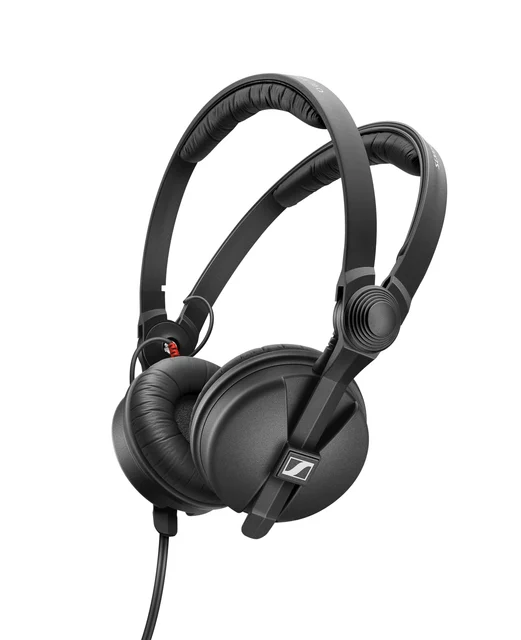
The short version
DJ headphones are judged less on audiophile finesse and more on isolation, cueing ergonomics, and surviving abuse. The Sennheiser HD 25 wins on all three and stays repairable for years, making it our top pick. The Audio-Technica ATH-M50x is the best all-rounder if you produce as well as spin. The Pioneer DJ HDJ-X7 is a durable, bass-forward club specialist worth it mainly if you want maximum ruggedness, while the AIAIAI TMA-2 DJ's modular cleverness doesn't justify its premium for most people. Best for: working and aspiring DJs who want isolation and reliability over flashy features.
Our picks at a glance
- Sennheiser HD 25 - Buy. The decades-old booth standard that still nails the two things DJs actually need: isolation and instant one-ear cueing.
- Audio-Technica ATH-M50x - Buy. The all-rounder that monitors, produces, and gigs well enough to be the one pair many people actually own.
- Pioneer DJ HDJ-X7 - It depends. A rugged, club-tuned over-ear built for the Pioneer booth, if you can live with its bulk.
- AIAIAI TMA-2 DJ - Skip. A clever fully-modular headphone whose repair-anything appeal doesn't quite justify the premium for most DJs.
The verdict in 30 seconds
What mattered most
- Isolation for cueing
- Sound signature
- One-ear cueing ergonomics
- Long-session comfort
- Durability & repairability
- Portability
DJ and monitoring headphones live a harder life than everyday cans: they get yanked around one ear, cranked over a loud PA, and expected to survive years of gig bags. We synthesized independent testing and long-term owner reports across four models still on sale in 2026. Two earn a clear buy, one is a solid pick for the right person, and one is easy to skip for most buyers.
The decades-old booth standard that still nails the two things DJs actually need: isolation and instant one-ear cueing.
Best for: Working DJs who want proven isolation, fast cueing, and a headphone they can repair instead of replace.
- Reviewers consistently praise the tight seal and isolation for cueing over a loud system
- A rotating ear cup makes one-ear monitoring effortless
- Field-replaceable parts (Sennheiser has guides for the cable and pads), so owners report keeping a pair alive for years
- On-ear clamp is firm and can get uncomfortable on long sets until broken in
- Bright, forward sound is built for cutting through noise, not relaxed listening
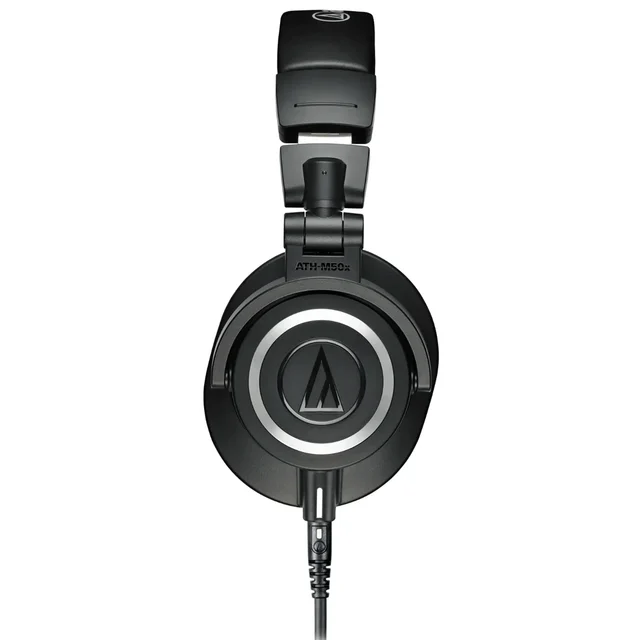
The all-rounder that monitors, produces, and gigs well enough to be the one pair many people actually own.
Best for: Bedroom DJs and producers who want one versatile pair for cueing, mixing, and everyday listening.
- Independent testing highlights a balanced, detailed signature that works for monitoring and casual listening alike
- Detachable cables and folding, swiveling cups make it flexible for the booth and the studio
- Owners report strong build and comfort for longer over-ear sessions than an on-ear can manage
- Closed-back isolation is good but not as vault-tight as a dedicated on-ear DJ can
- Larger over-ear cups are less convenient for quick single-ear cueing
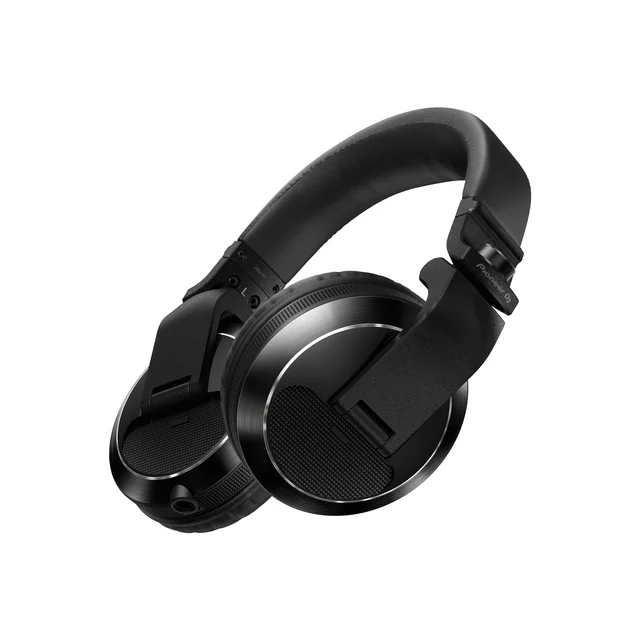
A rugged, club-tuned over-ear built for the Pioneer booth, if you can live with its bulk.
Best for: Club and mobile DJs already living in the Pioneer ecosystem who prioritize durability over neutrality.
- Marketed as passing a military-standard shock test, and owners back up the tank-like durability
- Punchy, bass-forward tuning that reviewers note cuts through a loud club system
- Swiveling cups and swappable cables suit standing behind CDJs all night
- Bulkier and heavier than the on-ear alternatives, less pocketable for mobile gigs
- The scooped, bass-heavy sound is less neutral than owners want for studio monitoring
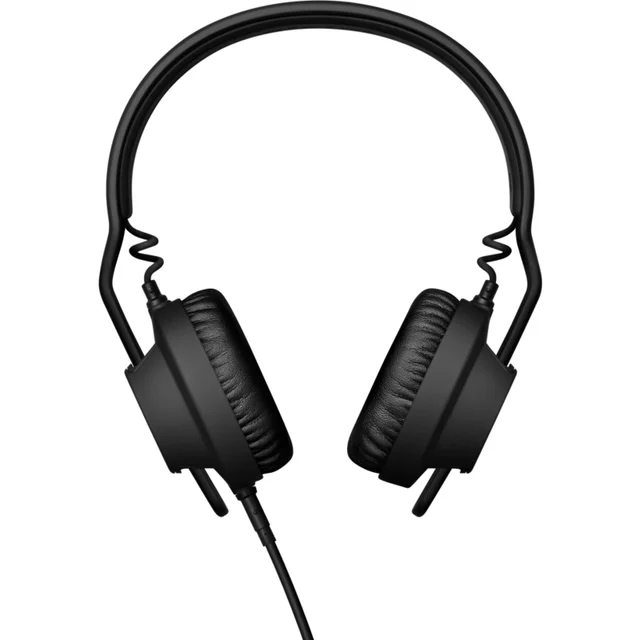
A clever fully-modular headphone whose repair-anything appeal doesn't quite justify the premium for most DJs.
Best for: Tinkerers and sustainability-minded buyers who genuinely want to customize and repair their headphones over time.
- Every part (cups, cushions, headband, cable) unclips and swaps, which owners love for repairs and tuning
- Lightweight on-ear build that reviewers find comfortable for its class
- Buy-once, upgrade-forever concept reduces long-term waste
- Base DJ configuration costs premium money without clearly out-performing cheaper rivals on sound
- Owners report the plastic-heavy modular joints feel less reassuring than a one-piece booth classic
- The modularity you pay for is wasted if you never plan to reconfigure it
| Criteria | Sennheiser HD 25 Top pick Buy it Buy | Audio-Technica ATH-M50x Buy it Buy | Pioneer DJ HDJ-X7 It depends Buy | AIAIAI TMA-2 DJ Skip it Buy |
|---|---|---|---|---|
| Best for | Working DJs who want proven isolation, fast cueing, and a headphone they can repair instead of replace. | Bedroom DJs and producers who want one versatile pair for cueing, mixing, and everyday listening. | Club and mobile DJs already living in the Pioneer ecosystem who prioritize durability over neutrality. | Tinkerers and sustainability-minded buyers who genuinely want to customize and repair their headphones over time. |
| Price tier | $$ · mid-range | $$ · mid-range | $$$ · premium | $$$ · premium |
| Isolation for cueing | Excellent, tight on-ear seal | Good, closed over-ear | Very good, deep over-ear cups | Good, on-ear seal |
| Sound signature | Bright and forward | Balanced and detailed | Bass-forward and punchy | Punchy bass, config-dependent |
| One-ear cueing ergonomics | Excellent, rotating cup | Fair, large cups | Good, swivel cups | Good, on-ear swivel |
| Long-session comfort | Firm clamp, on-ear | Roomy over-ear | Plush but heavy | Light on-ear |
| Durability & repairability | Field-replaceable parts | Detachable cable, solid build | MIL-spec shock tested | Fully modular, all parts swap |
| Portability | Very compact | Folds, but bulkier | Bulky over-ear | Compact and light |
| Price tier | $$ · mid-range | $$ · mid-range | $$$ · premium | $$$ · premium |
Which one is right for you?
- Working DJs who want proven isolation, fast cueing, and a headphone they can repair instead of replace. Buy it Sennheiser HD 25
- Bedroom DJs and producers who want one versatile pair for cueing, mixing, and everyday listening. Buy it Audio-Technica ATH-M50x
- Club and mobile DJs already living in the Pioneer ecosystem who prioritize durability over neutrality. It depends Pioneer DJ HDJ-X7
- Tinkerers and sustainability-minded buyers who genuinely want to customize and repair their headphones over time. Skip it AIAIAI TMA-2 DJ
How we judged the field
We don’t run our own lab. Instead we synthesize independent testing, expert reviews, and aggregated owner reports, then weigh them against what DJing actually demands. For this category that means four things matter more than raw fidelity: isolation (can you hear a cue over a loud system), cueing ergonomics (can you get one cup to your ear fast), long-session comfort, and durability, including whether worn parts can be replaced instead of binned. We also noted how each pair doubles as a studio or everyday headphone, since many buyers want one pair to cover several roles. Prices are given only as qualitative tiers.
Sennheiser HD 25
Buy itThe HD 25 has been a booth fixture for decades, and the reasons hold up. Independent testing and owner reports both point to a tight on-ear seal that isolates well enough to cue confidently over a loud PA, and the rotating ear cup makes flipping to one ear second nature. The sound is deliberately bright and forward, engineered to cut through noise rather than to relax with. The clamp is firm and takes some breaking in, but the killer feature is serviceability: Sennheiser sells field-replaceable parts, so owners routinely keep a single pair running for years. For the core job of DJing, it remains the safest buy.
Audio-Technica ATH-M50x
Buy itIf the HD 25 is the specialist, the M50x is the generalist that quietly does everything. Reviewers describe a balanced, detailed signature that works for monitoring, casual listening, and cueing alike, and the over-ear cups are more comfortable for long stretches than any on-ear here. Detachable cables and folding, swiveling cups keep it flexible between the booth and the desk. Its closed-back isolation is good rather than vault-tight, and the larger cups make quick single-ear cueing slightly less slick than an on-ear. But as the one pair many people actually own, it is outstanding value.
Pioneer DJ HDJ-X7
It dependsPioneer built the HDJ-X7 for the club booth, and it shows. It is marketed as passing a military-standard shock test, and owners echo the tank-like durability, while the bass-forward tuning is designed to punch through a loud system. Swiveling cups and swappable cables suit long sets standing behind CDJs. The trade-offs are real: it is bulkier and heavier than the on-ear options here, and the scooped, bass-heavy sound is less neutral than you’d want for studio work. It makes most sense if you are already in the Pioneer ecosystem and rank ruggedness above versatility.
AIAIAI TMA-2 DJ
Skip itThe TMA-2 DJ is the most interesting design of the group: cups, cushions, headband, and cable all unclip, so any part can be repaired or upgraded. Owners who value that flexibility love it, and the on-ear build is light and comfortable for its class. The problem is value. In its base DJ configuration it sits at a premium price without clearly beating cheaper rivals on sound, and the modular joints feel more plastic-heavy than a one-piece booth classic. If you genuinely want to customize and repair over the long haul it earns its keep, but for most buyers the modularity is a premium paid for flexibility they’ll never use, which lands it as a skip.
Sennheiser HD 25 vs Audio-Technica ATH-M50x: which should you buy?
This is the real decision for most people. The HD 25 is the purpose-built DJ tool: lighter, tighter-sealing, and faster for one-ear cueing, with a bright sound made to cut through a room and a repairable design that outlives everything around it. The M50x is the versatile all-rounder: more comfortable over long sessions, more balanced for production and everyday listening, and easier to justify as your only pair, at the cost of slightly less slick single-ear cueing. If you primarily DJ and want proven isolation and serviceability, take the HD 25. If you split your time between cueing, mixing, and casual listening, the M50x is the smarter single purchase.
What to look for
- Isolation first: a tight seal that lets you hear cues over a loud system matters more than soundstage.
- Cueing ergonomics: split headbands and rotating cups make one-ear monitoring effortless.
- Comfort for your session length: on-ear is lighter and quicker; over-ear is comfier for long nights.
- Repairability: replaceable cushions, cables, and headbands turn a worn pair into a cheap fix, not a rebuy.
- Right sound for the job: forward or bass-heavy tunings cut through noise; balanced tunings cross over to production.
- Portability: if you gig mobile, bulk and weight add up fast in the bag.
Our final take
For the actual craft of DJing, the Sennheiser HD 25 is still the pair we’d hand a new DJ: it isolates, it cues fast, and it can be repaired rather than replaced. The Audio-Technica ATH-M50x is the runner-up and arguably the smarter buy if you also produce or want one comfortable pair for everything. The Pioneer DJ HDJ-X7 earns its place for DJs who prize club-grade durability and a bass-forward punch, while the AIAIAI TMA-2 DJ is a genuinely clever design that only pays off for buyers who will actually use its modularity. Match the pair to how you’ll really use it, and any of the top three will serve you for years.
Questions, answered
What actually matters most in a DJ headphone versus a normal pair?
Isolation and cueing ergonomics come first. You need to hear the next track over a loud room, so a tight seal matters more than wide soundstage, and features like a rotating cup let you press one cup to your ear without taking the headphone off. Neutral audiophile sound is a lower priority than a signature that cuts through noise.
On-ear or over-ear for DJing?
On-ear designs like the Sennheiser HD 25 and AIAIAI TMA-2 are lighter and easier to flip to one ear for cueing, which many booth DJs prefer. Over-ear models like the ATH-M50x and HDJ-X7 are more comfortable for long sessions and doubling as studio cans, but they are bulkier and slightly clumsier for quick single-ear monitoring.
Are the Sennheiser HD 25 worth it when cheaper headphones exist?
Reviewers and long-term owners keep coming back to them because its parts are field-replaceable, so a worn cushion or frayed cable is a cheap fix rather than a reason to rebuy. That serviceability, plus the isolation, is what keeps them a booth standard despite newer options.
Is the AIAIAI TMA-2 DJ's modular design a real advantage?
It is genuinely useful if you plan to repair, upgrade, or reconfigure over time, since cups, cushions, cables, and headband all unclip. But if you just want a headphone that works and never intend to swap parts, you are paying a premium for flexibility you won't use, which is why we rank it a skip for most buyers.
Can I use DJ headphones for music production or everyday listening?
Yes, though it depends on the tuning. The ATH-M50x is the most balanced of this group and crosses over well to production and casual use. The HD 25 is bright and forward, and the HDJ-X7 is bass-forward, so both are excellent for cueing but less neutral for critical mixing. Choose based on which job you'll do most.
Deciding between the top two? See our head-to-head: Sennheiser HD 25 vs Audio-Technica ATH-M50x.
More in Audio & Headphones
DJ Headphones, Explained Plain-English guide → Sennheiser HD 25 vs Audio-Technica ATH-M50x Head-to-head →  The Best Premium Dolby Atmos Soundbars: 4 Compared (and One to Skip)
  The Best Replacement Earbud Tips: 4 Compared (and One to Skip)
  The Best Electronic Drum Kits: 4 Compared (and One to Skip)
  The Best Guitar Amps for Practice and Home: 4 Compared (and One to Skip)