

Audio & Headphones
The Best Guitar Amps for Practice and Home: 4 Compared (and One to Skip)
We compared four modeling and combo amps for home practice on tone, features, smart tools, and how well they scale from bedroom to jam.
The short version
For most home players the BOSS Katana-50 Gen 3 is the smart buy: convincing tube-like tone at low volume, deep effects, and enough power to gig later. The Positive Grid Spark 2 is the better choice if you want smart practice and jam tools built in. The Yamaha THR10II sounds beautiful and looks the part, but its small speakers and price make it an it-depends for tone-first bedroom players only. The Fender Mustang LT25 works, but similarly priced rivals simply do more, so we skip it. Best for: buy the Katana-50 Gen 3 for all-around home-to-gig use, or the Spark 2 if practice and jamming features win you over.
Our picks at a glance
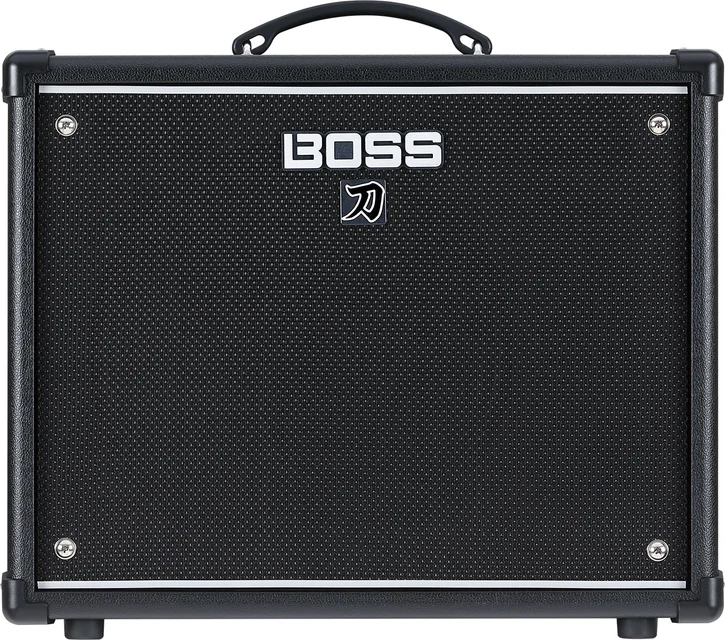
- BOSS Katana-50 Gen 3 - Buy. The do-everything modeling combo that sounds convincing at whisper volume and still fills a room.
- Positive Grid Spark 2 - Buy. A smart practice amp built around learning and jamming, with an app that does the heavy lifting.
- Yamaha THR10II - It depends. A gorgeous-sounding desktop amp that doubles as a hi-fi speaker, if you never need to play loud.
- Fender Mustang LT25 - Skip. A perfectly fine beginner amp that the competition simply outclasses for a small step up in budget.
The verdict in 30 seconds
What mattered most
- Core tone quality
- Effects & amp models
- Smart practice & jam tools
- Home-to-gig flexibility
- Connectivity (Bluetooth / USB)
- Ease of use
For playing at home, a modeling amp gives you a rack of tones and effects in one small box, but they are not all created equal. We weighed four popular practice-friendly amps on raw tone, ease of use, and how far each stretches beyond the bedroom. Two earn a clear buy, one is a genuine it-depends, and one is a beginner amp that better options quietly outclass.
The do-everything modeling combo that sounds convincing at whisper volume and still fills a room.
Best for: Players who want one amp that covers home practice now and band or stage use later.
- Independent testing and owners consistently praise its natural, tube-like feel
- Deep effects and amp voicings, plus a Power Control that keeps the tone alive at low volume
- One 12-inch speaker gives it real headroom for jamming with others or small gigs
- Editor app unlocks huge tweakability without forcing you to use it
- Heavier and larger than a desktop unit
- The sheer number of parameters can overwhelm a first-time buyer
Own the BOSS Katana-50 Gen 3? Tell us how it held up.
Thanks. Counted, and shown once enough owners have weighed in.
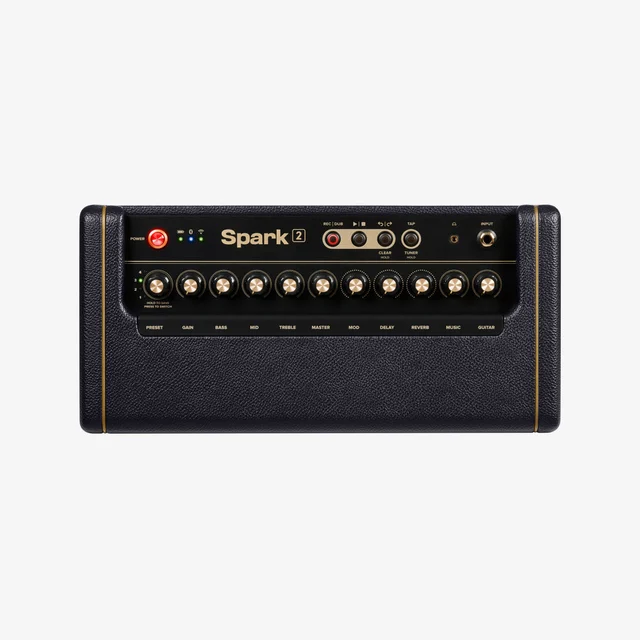
A smart practice amp built around learning and jamming, with an app that does the heavy lifting.
Best for: Learners and home players who want to practice, jam along, and record without extra gear.
- Standout practice tools: Auto Chords song analysis and Smart Jam backing tracks that follow your playing, which owners love
- Big library of tones plus Bluetooth streaming and USB recording in a compact body
- Optional rechargeable battery and wireless footswitch (both sold separately) add real portability
- Approachable for beginners while still deep enough for tinkerers
- Best features live in the app, so panel-only control is limited
- Not loud or punchy enough to hold its own in a full band
Own the Positive Grid Spark 2? Tell us how it held up.
Thanks. Counted, and shown once enough owners have weighed in.
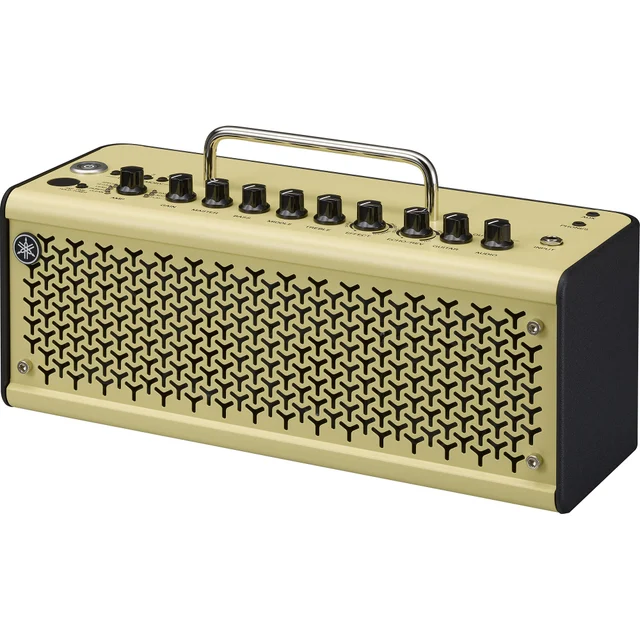
A gorgeous-sounding desktop amp that doubles as a hi-fi speaker, if you never need to play loud.
Best for: Bedroom and studio players who prize tone and looks over power and never plan to gig it.
- Reviewers rate its amp voicings among the most musical in the desktop class
- Bluetooth audio, USB recording, and a build that looks at home on a shelf
- Genuinely enjoyable as a Bluetooth music speaker between practice sessions
- Small speakers and modest wattage cap it firmly at home volumes
- Pricey for a desktop amp, and deep edits really want the app
Own the Yamaha THR10II? Tell us how it held up.
Thanks. Counted, and shown once enough owners have weighed in.
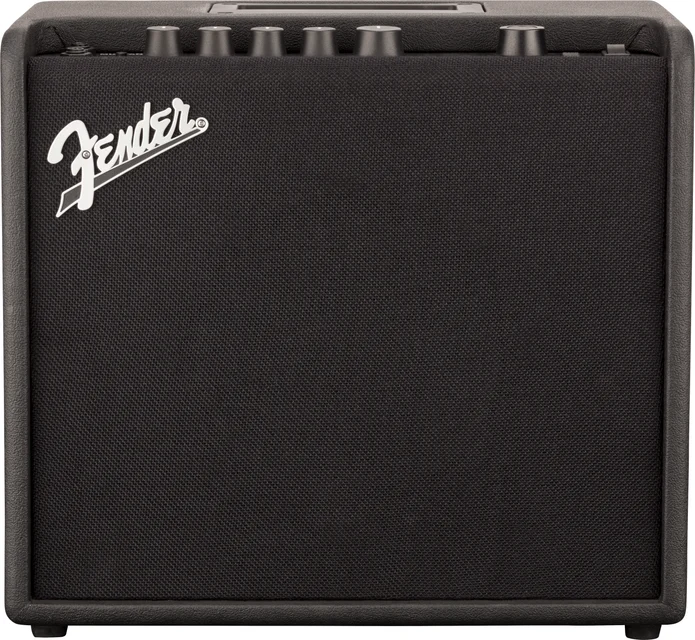
A perfectly fine beginner amp that the competition simply outclasses for a small step up in budget.
Best for: Rock-bottom budgets only; most buyers are better served spending slightly more.
- Genuinely affordable and simple to get a usable tone out of
- Familiar Fender presets and an easy onboard preset menu
- Owners and reviewers note it sounds a step behind similarly priced rivals
- Small speaker limits fullness and volume
- None of the jam or smart-practice tools newer amps include
Own the Fender Mustang LT25? Tell us how it held up.
Thanks. Counted, and shown once enough owners have weighed in.
| Criteria | BOSS Katana-50 Gen 3 Top pick Buy it Buy | Positive Grid Spark 2 Buy it Buy | Yamaha THR10II It depends Buy | Fender Mustang LT25 Skip it Buy |
|---|---|---|---|---|
| Best for | Players who want one amp that covers home practice now and band or stage use later. | Learners and home players who want to practice, jam along, and record without extra gear. | Bedroom and studio players who prize tone and looks over power and never plan to gig it. | Rock-bottom budgets only; most buyers are better served spending slightly more. |
| Price tier | $$ · mid-range | $$ · mid-range | $$$ · premium | $ · budget |
| Core tone quality | Excellent, tube-like | Very good | Excellent for its size | Adequate |
| Effects & amp models | Deep, five effect sections | Large, app-driven library | Refined, curated set | Basic preset set |
| Smart practice & jam tools | Limited | Class-leading (Auto Chords, Smart Jam) | Modest | None |
| Home-to-gig flexibility | Home through small gigs | Home only | Home only | Home only |
| Connectivity (Bluetooth / USB) | USB recording; app control | Bluetooth + USB recording | Bluetooth + USB recording | USB recording |
| Ease of use | Intuitive panel, deep app | Simple panel, app-centric | Simple panel, app for depth | Simple but menu-driven |
| Price tier | $$ · mid-range | $$ · mid-range | $$$ · premium | $ · budget |
Which one is right for you?
- Players who want one amp that covers home practice now and band or stage use later. Buy it BOSS Katana-50 Gen 3
- Learners and home players who want to practice, jam along, and record without extra gear. Buy it Positive Grid Spark 2
- Bedroom and studio players who prize tone and looks over power and never plan to gig it. It depends Yamaha THR10II
- Rock-bottom budgets only; most buyers are better served spending slightly more. Skip it Fender Mustang LT25
How we judged the field
We do not run our own lab. Instead we synthesize independent testing, expert reviews, and aggregated owner and customer reports to find where the consensus lands. For a practice and home amp, four things mattered most: how good the core tones sound at the low volumes you actually use at home, how deep and usable the effects and models are, how much smart-practice help (jam tracks, chord tools, recording) each offers, and how far the amp stretches beyond the bedroom if your needs grow. We also weighed connectivity and how much you can accomplish without diving into a phone app. Price is treated as tiers, not figures.
BOSS Katana-50 Gen 3
Buy itThis is the amp we would hand most home players. Independent testing and a large base of owners keep returning to the same point: it feels and responds more like a real tube amp than its price suggests, and its Power Control lets you keep that liveliness at apartment volume. You get a broad set of amp characters and multiple simultaneous effects, and a single 12-inch speaker gives it headroom the desktop units simply do not have. The editor app adds near-endless tweaking, but crucially you never need it to get a great sound. It is bigger and heavier than a shelf amp, and the depth can intimidate at first, but as a one-amp answer to home practice today and a jam or small gig tomorrow, nothing else here matches it.
Positive Grid Spark 2
Buy itThe Spark 2 wins on a different axis: it is the best learning and jamming companion of the group. Owners single out its Auto Chords feature, which shows a song’s chords in real time, and Smart Jam, which builds bass and drum backing tracks around your playing, which turn solo practice into something closer to playing with a band. It packs a large tone library, Bluetooth streaming, USB recording, and support for an optional rechargeable battery and wireless footswitch (sold separately) into a compact, good-looking box. The trade-offs are honest: the richest features live in the app rather than on the panel, and it does not have the power or punch to survive a loud band setting. But for practicing, jamming along, and capturing ideas at home, it is a genuinely smart buy.
Yamaha THR10II
It dependsThe THR10II is the tone-and-taste pick. Reviewers rate its amp voicings among the most musical in the desktop class, and it moonlights beautifully as a Bluetooth music speaker on your desk. It also records over USB and looks like something you are happy to leave on display. So why only an it-depends? Its small drivers and modest power keep it firmly at home volumes, and it is pricey for a desktop amp while still leaning on the app for deep edits. If you are a bedroom or studio player who values tone and aesthetics and will never gig it, it is lovely. If you want versatility or room-filling volume for the money, look elsewhere.
Fender Mustang LT25
Skip itThe Mustang LT25 is not a bad little amp. It is cheap, it is simple, and it makes familiar Fender-flavored tones with an easy onboard preset menu. The problem is what surrounds it. Owner reports and independent testing repeatedly place its sound a step behind similarly priced competition, its small speaker limits fullness and volume, and it lacks any of the jam or smart-practice tools that define newer amps. For a small step up in budget you can land a Katana or a Spark that will serve you far longer, which is exactly why we skip it for most buyers.
Sources
Specs in this review come from these pages.
BOSS Katana-50 Gen 3 vs Positive Grid Spark 2: which should you buy?
These two are the strongest all-rounders, and the choice comes down to what you want the amp to do. The Katana-50 Gen 3 is the better pure amplifier: more convincing tube-like tone, more headroom, and the ability to graduate from your bedroom to a rehearsal or small stage without buying anything else. The Spark 2 is the better practice tool: its Auto Chords and Smart Jam features make solo practice more engaging, and Bluetooth streaming plus the optional battery make it easy to grab and go. If you might ever play with other people or want the most amp-like feel, take the Katana. If your world is at home and you value learning and jamming features above raw power, the Spark 2 is the more inspiring companion.
What to look for
- Low-volume tone: the best home amps sound good quietly; features like power scaling matter more than a big wattage number.
- Headroom and speaker size: a larger speaker and higher power ceiling are what let an amp grow with you toward jamming or gigging.
- Smart-practice tools: chord recognition, backing tracks, and looping turn solo practice into productive time.
- Connectivity: Bluetooth streaming and USB recording add a lot of everyday value for home use.
- Panel vs app: decide how much you are willing to edit on a phone; some amps need the app for their best tones.
Our final take
Most home players should buy the BOSS Katana-50 Gen 3. It sounds great at quiet volumes, offers deep tones and effects, and is the only amp here that can follow you from the bedroom to a jam or small gig. If your priority is learning and jamming rather than power, the Positive Grid Spark 2 is an equally easy recommendation and a genuinely fun way to practice. The Yamaha THR10II is a treat for tone-first players who will keep it on a desk forever, but its volume ceiling and price make it a narrower fit. And while the Fender Mustang LT25 works, better options sit just above it, so we would spend a little more and skip it.
Questions, answered
Do I need a modeling amp, or will a simple combo do?
For practice and home use a modeling amp is usually the better value: you get many amp voicings and effects in one box, plus headphone and recording outputs. A plain analog combo can sound wonderful but locks you into one flavor, which is limiting when you are still exploring styles at home.
Which of these is best for a complete beginner?
The Positive Grid Spark 2 leans hardest into learning, with Auto Chords and Smart Jam backing tracks that make solo practice more productive. The Katana-50 Gen 3 is also beginner-friendly and grows with you if you later join a band.
Can any of these keep up with a drummer or a band?
Realistically only the Katana-50 Gen 3, thanks to its single 12-inch speaker and higher power ceiling. The Spark 2, THR10II, and Mustang LT25 are built for home volumes and will get buried in a loud room.
How important is the companion app?
It varies. The Katana is fully usable from its panel and the app is a bonus, while the Spark 2 and THR10II reveal their deepest tones and features through the app. If you dislike editing on a phone, favor an amp you can dial in by hand.
Is the Fender Mustang LT25 a bad amp?
Not bad, just outclassed. It makes usable tones and is cheap, but owner reports and independent testing suggest similarly priced or slightly pricier rivals deliver better sound and far more features, which is why we would spend a little more elsewhere.
Deciding between the top two? See our head-to-head: BOSS Katana-50 Gen 3 vs Positive Grid Spark 2.
More in Audio & Headphones
Guitar Amps, Explained Plain-English guide → BOSS Katana-50 Gen 3 vs Positive Grid Spark 2 Head-to-head →  The Best Turntable Headshells: 4 Compared (and One to Skip)
  Which Karaoke Machine Should You Buy? 6 Compared
  The Best Volume-Limited Kids' Headphones: 4 Compared (and One to Skip)
  The Best Microphone Boom Arms: 4 Compared (and One to Skip)