

Audio & Headphones
The Best Car Speakers: 4 Compared (and One to Skip)
We compared four current 6.5" car speakers, from budget coaxials to a flagship component set, on sound, sensitivity, power needs and drop-in fitment.
The short version
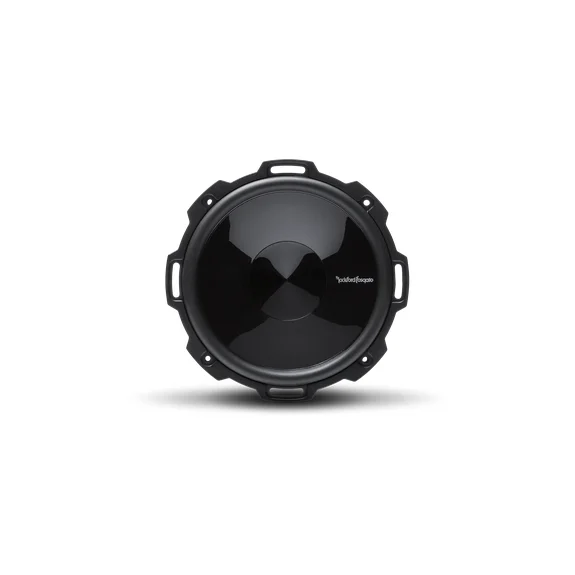
For most people upgrading factory speakers, the Rockford Fosgate Punch P1675-S component set is the sweet spot: dash-mounted tweeters lift the soundstage, the tone stays natural at volume, and it sounds good even before you add an amp. If you'd rather just drop something in cheaply and be done, the Kicker CSC654 coaxial is loud, efficient and easy. The Pioneer TS-A1671F is a fine bright-sounding step up but only if that forward tone suits you. And the flagship Pioneer TS-Z65CH is a brilliant speaker that's wasted unless you're running a dedicated amplifier, so most buyers should skip it. Best for: drivers who want a real audio upgrade this weekend without overbuying for a system they won't build.
The verdict in 30 seconds
What mattered most
- Type
- Sensitivity (efficiency)
- Power handling / amp
- Tweeter
- Fitment / mounting depth
- Sound character
Swapping the paper speakers your car left the factory with is the single biggest audio upgrade most people can make in an afternoon. But the choice splits fast: cheap coaxials that run happily off your stereo, or component sets that image beautifully and beg for an amp. We compared four current 6.5" options across that whole range. Two are easy recommendations, one only makes sense in the right situation, and one is a genuinely great speaker that most buyers should walk past.
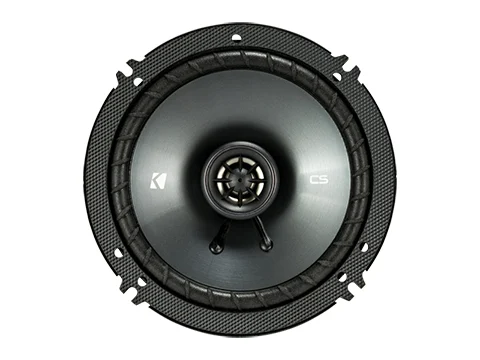
The no-brainer first upgrade: loud, efficient and cheap enough to do all four doors.
Best for: Anyone who wants a big, cheap improvement over factory speakers with zero extra gear.
- High rated sensitivity means it plays loud straight off a factory head unit, no amp needed
- Polypropylene cone and PEI dome tweeter are durable and shrug off heat and humidity
- Shallow mounting depth drops into most factory 6.5" locations without modification
- Power ratings are optimistic; owners note real-world handling is lower than the printed peak number
- Sound is clear and lively but not especially refined or detailed next to pricier sets

A bright, efficient 3-way coaxial that upgrades clarity but can tip into harshness.
Best for: Listeners who want more clarity than budget coaxials and don't mind a forward, treble-first tone.
- Very high sensitivity, so it goes loud and clean on head-unit power alone
- Carbon-and-mica reinforced cone adds midrange detail over basic budget coaxials
- Three-way design layers in more treble sparkle and presence
- The hard-dome tweeter can sound bright or sibilant on harsh recordings
- Deeper mounting depth may foul window mechanisms in some doors — measure first
The best all-round jump in sound quality here: real component imaging that still behaves off modest power.
Best for: Anyone willing to do a proper install (and ideally add a little amp power) for the biggest sound-quality gain.
- Separate tweeters mounted up high lift the soundstage onto the dash instead of down at your knees
- Included crossovers and a modest RMS requirement mean it sounds good even before you add an amp
- Balanced, natural tone that stays composed at volume where cheaper coaxials get shouty
- Component install is more work: you must find or cut a tweeter location and run extra wiring
- The woofer is a 6.75" frame with a deeper basket, so confirm both diameter and depth clearance

A superb flagship component set whose talents are wasted on anyone not running a dedicated amp.
Best for: Dedicated enthusiasts building a full amplified, sound-deadened system — and almost nobody else.
- Twaron aramid-fiber woofer and aluminum-dome tweeter deliver detailed, wide-band, high-end sound
- Extended frequency response and premium crossovers reward a fully built, deadened system
- Genuinely excellent hardware for a committed audiophile install
- The lowest sensitivity in this group — it truly needs an external amplifier to come alive
- Off a stock head unit it can sound flatter than speakers costing a fraction as much
- You pay flagship money for capability most drop-in installs will never actually use
| Criteria | Kicker CS Series CSC654 | Pioneer TS-A1671F A-Series | Rockford Fosgate Punch P1675-S Component System Top pick | Pioneer TS-Z65CH Z-Series Component System |
|---|---|---|---|---|
| Verdict | Buy it | It depends | Buy it | Skip it |
| Best for | Anyone who wants a big, cheap improvement over factory speakers with zero extra gear. | Listeners who want more clarity than budget coaxials and don't mind a forward, treble-first tone. | Anyone willing to do a proper install (and ideally add a little amp power) for the biggest sound-quality gain. | Dedicated enthusiasts building a full amplified, sound-deadened system — and almost nobody else. |
| Price tier | $ · budget | $$ · mid-range | $$$ · premium | $$$$ · flagship |
| Type | 2-way coaxial | 3-way coaxial | 2-way component | 2-way component |
| Sensitivity (efficiency) | High (~90 dB) — great on head-unit power | Very high (~91 dB) — great on head-unit power | Moderate-high (~89 dB) — fine on head-unit power | Low (~85 dB) — really wants an amp |
| Power handling / amp | High peak rating; no amp needed | Modest RMS; no amp needed | Modest RMS; amp optional and welcome | High RMS; amp strongly recommended |
| Tweeter | PEI balanced dome (in-cone) | PET hard dome (in-cone) | PEI dome (separate, dash-mount) | Aluminum-alloy dome (separate, dash-mount) |
| Fitment / mounting depth | Shallow (~1.7") — easy drop-in | Deeper (~2.4") — check clearance | Deeper (~2.2") + 6.75" frame — check both | Deep component woofer — check clearance |
| Sound character | Loud and lively, less refined | Bright and detailed, can get harsh | Balanced, natural, great imaging | Detailed and wide-band — when amplified |
| Install effort | Minimal | Minimal | Moderate (tweeter + wiring) | High (tweeter, wiring, amp) |
| Price tier | $ · budget | $$ · mid-range | $$$ · premium | $$$$ · flagship |
Which one is right for you?
- Anyone who wants a big, cheap improvement over factory speakers with zero extra gear. Buy it Kicker CS Series CSC654
- Anyone willing to do a proper install (and ideally add a little amp power) for the biggest sound-quality gain. Buy it Rockford Fosgate Punch P1675-S Component System
- Listeners who want more clarity than budget coaxials and don't mind a forward, treble-first tone. It depends Pioneer TS-A1671F A-Series
- Dedicated enthusiasts building a full amplified, sound-deadened system — and almost nobody else. Skip it Pioneer TS-Z65CH Z-Series Component System
How we judged the field
We don’t run our own lab. Instead we synthesize independent bench testing, professional installer feedback and aggregated owner reports for each speaker, then weigh them against what actually matters when you’re upgrading a normal car. That means four things above all: whether the speaker sounds good on the power you already have, how honest its ratings are once installed, how easily it drops into a factory location, and whether it earns its price for a typical buyer rather than a competition build.
A few technical points frame everything below. Sensitivity (measured in dB) is how loud a speaker plays per watt — higher numbers matter enormously if you’re running speakers straight off your stereo without an amp. RMS power is the continuous wattage a speaker handles safely; the huge ‘peak’ numbers on the packaging are marketing. Coaxial speakers put the tweeter and woofer in one drop-in unit, while component sets separate them so you can mount tweeters high for a better soundstage — at the cost of a harder install. And mounting depth decides whether a speaker physically fits behind your door panel. Keep those in mind and the right pick gets obvious.
Kicker CS Series CSC654 — buy
This is the speaker we’d hand someone who just wants their music to stop sounding like a factory phone speaker. It’s a straightforward 2-way coaxial with a polypropylene cone and a PEI dome tweeter, and its high rated sensitivity (around 90 dB) means it gets genuinely loud and clean off nothing more than your existing stereo. The shallow mounting depth drops it into most factory 6.5” openings without cutting or spacers.
Owners consistently praise how much better it sounds than stock for how little it costs — enough that doing all four doors is realistic. The honest caveats: the peak power rating is optimistic, so don’t feed it a big amp expecting the box number to hold, and while the sound is lively and clear, it isn’t as refined or detailed as the pricier sets here. For a cheap, durable, no-fuss upgrade, none of that dents the recommendation.
Pioneer TS-A1671F A-Series — it depends
Pioneer’s A-Series 6.5” is a 3-way coaxial with a carbon-and-mica reinforced cone and a very high sensitivity rating (around 91 dB), so like the Kicker it runs happily on head-unit power. The extra driver and stiffer cone add midrange detail and treble sparkle that budget coaxials can’t quite manage, and reviewers report a lively, up-front presentation that many people love on first listen.
The reason it’s a ‘depends’ rather than a flat buy comes down to tone and fitment. That hard-dome tweeter is bright — great on well-recorded music, fatiguing or sibilant on harsher tracks — so it suits listeners who like a forward, treble-first sound and not those chasing warmth. Its mounting depth is also deeper than the Kicker’s, and owners occasionally find it interferes with door hardware, so measure before you buy. Get those two things right and it’s a satisfying step up.
Rockford Fosgate Punch P1675-S Component System — buy
This is our overall pick, because it delivers the single biggest improvement in sound quality here while still being livable for a normal install. As a component set it splits out separate tweeters that you mount high on the dash or A-pillar, which pulls the soundstage up to ear level instead of leaving it down around your shins — the effect that makes a system sound genuinely ‘hi-fi’ rather than just loud. The included crossovers and a modest RMS requirement mean it sounds excellent even before you add an amp, though a little extra power flatters it.
Owner and installer reports consistently describe a balanced, natural tone that stays composed at volume where cheap coaxials start to shout. The trade-offs are the trade-offs of any component set: you have to find or create a tweeter location and run the extra wiring, and this particular model uses a 6.75” woofer with a deeper basket, so confirm both the diameter and the depth clearance in your door. If you’re willing to spend an afternoon doing it properly, this is the one to get.
Pioneer TS-Z65CH Z-Series Component System — skip
Make no mistake, this is a superb speaker. Pioneer’s Z-Series flagship pairs a Twaron aramid-fiber woofer with an aluminum-alloy dome tweeter, posts an extended frequency response, and rewards a fully built system with detailed, wide-band, high-end sound. On paper and in a proper install it’s the best-sounding set in this comparison.
So why skip it? Sensitivity. At roughly 85 dB it’s by far the least efficient speaker here, which means it genuinely needs a dedicated external amplifier to come alive. Bolt it into a typical car straight off the factory head unit and it can actually sound flatter and quieter than speakers costing a fraction as much — you’d be paying flagship money for capability the install never uses. Unless you’re building a full amplified, sound-deadened system and know exactly why you want this driver, your money buys more real-world enjoyment lower down this list.
Rockford Fosgate P1675-S vs Kicker CSC654: which should you buy?
This is the choice most people actually face: go component and do it right, or drop in coaxials and be done. The Rockford Fosgate Punch P1675-S is the better speaker in every sonic sense — the dash-mounted tweeters create a soundstage the all-in-one Kicker simply can’t, and the tone is more natural and controlled at volume. If you care about how music sounds and you’re comfortable running a tweeter wire and mounting a crossover, it’s worth every bit of the step up in price and effort.
The Kicker CSC654 wins on pure ease and value. It drops straight into the factory hole, runs loud off your existing stereo, costs a fraction as much, and still trounces what your car came with. If your priority is ‘noticeably better, this weekend, with basic tools,’ it’s the smarter buy. Put simply: choose the Rockford if you want the best sound and will install it properly; choose the Kicker if you want the easiest big improvement for the least money and fuss.
What to look for
- Match sensitivity to your power. No amp? Prioritize high-sensitivity speakers (upper 80s to low 90s dB) so they play loud off the head unit. A low-sensitivity flagship without an amp is a downgrade.
- Coaxial for simplicity, component for imaging. Coaxials drop straight in; component sets sound better but need a tweeter location and more wiring.
- Measure mounting depth and diameter. Confirm both before you buy — a deep woofer can hit the window mechanism or door skin. Note that many 6.5” openings also accept 6.75” speakers, and vice versa.
- Read RMS, ignore ‘peak’ watts. Continuous RMS power is the real spec; peak numbers are marketing. Match RMS to your amp or stereo output.
- Consider the tweeter material. Softer domes tend to sound smoother; hard metal or PET domes are more detailed but can get bright or harsh on some music.
- Budget for the whole job. Sound deadening, better wiring and a small amp often do more for the result than spending up on the speakers themselves.
Our final take
Most drivers should buy one of two speakers here. If you want the best sound and don’t mind a proper install, the Rockford Fosgate Punch P1675-S is the pick — real component imaging, a natural tone, and enough efficiency to work well even before you add power. If you just want a big, cheap, drop-in improvement over factory speakers, the Kicker CSC654 is the easy, sensible value choice. The Pioneer TS-A1671F is a worthwhile bright-sounding coaxial upgrade for people who like a forward tone and will check their door clearance first. And the flagship Pioneer TS-Z65CH, excellent as it is, only makes sense inside a fully amplified system — for everyone else it’s the one to skip. Buy for the system you’ll actually build, and you’ll get more music for your money.
Questions, answered
What's the difference between coaxial and component speakers?
A coaxial (or 'full-range') speaker stacks the tweeter on top of the woofer in one unit, so it drops straight into a factory speaker hole — simple and cheap. A component set splits the tweeter, woofer and a crossover into separate pieces, letting you mount the tweeter higher up near the dash or pillar. That separation typically gives better, more lifelike imaging, but it takes more installation work.
Do I need an amplifier for new car speakers?
Not necessarily. High-sensitivity coaxials like the Kicker CSC654 or Pioneer TS-A1671F play plenty loud on the power built into your stereo. Lower-sensitivity speakers — the flagship Pioneer TS-Z65CH here at around 85 dB — need an external amp to reach their potential and can actually sound worse than cheaper speakers without one. As a rule, the higher the sensitivity number, the less amplifier you need.
Will 6.5" speakers fit my car?
Most cars use 6.5" (or the closely related 6.75") front-door and rear speakers, so these are the most universal size — but always check two things: the diameter of the opening and the mounting depth behind it. A deeper speaker like the Rockford Fosgate can foul a window regulator or door skin if there isn't enough room. A quick look up of your exact make, model and year, or a tape-measure check of the old speaker, avoids surprises.
What do sensitivity and RMS power ratings actually mean?
Sensitivity (in dB) tells you how loud a speaker gets from a given amount of power — higher means more volume off a weak source like a factory stereo. RMS power is the continuous wattage the speaker can safely handle all day; ignore the flashy 'peak' or 'max' number, which is a brief burst rating. Match your speaker's RMS to your amp or head-unit output rather than chasing the biggest peak figure.
Are more expensive car speakers always better?
No — and that's exactly why the flagship Pioneer TS-Z65CH lands as a skip for most people. It's excellent hardware, but its low sensitivity means it only shines with a dedicated amplifier and a well-built system. Installed off a stock head unit, a premium set can sound flatter than mid-priced speakers. Buy for the system you'll actually build, not the one on the box.
More Audio & Headphones reviews
 The Best CD Players: 4 Compared (and One to Skip)
  The Best Computer Speakers: 4 Compared (and One to Skip)
  The Best Desktop DAC/Amps: 4 Compared (and One to Skip)
  The Best DJ Headphones: 4 Compared (and One to Skip)
  The Best Premium Dolby Atmos Soundbars: 4 Compared (and One to Skip)
  The Best Gaming Headsets in 2026 (and One to Skip)