

Explained
Car Speakers, Explained
After reading this you'll know exactly which specs matter when you swap your factory speakers, and which numbers are just marketing.
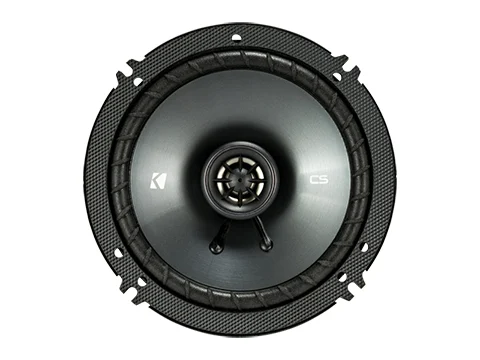
In this guide
Swapping the paper speakers your car came with is one of the biggest, cheapest audio upgrades you can do in an afternoon. But the listings are full of jargon and giant wattage numbers that mostly don't mean what you think, and the single most common mistake is buying a great speaker your stereo can't actually drive. This guide walks you through the handful of things that genuinely decide whether an upgrade sounds better.
The 30-second version
- Coaxial is the easy win, component is the better sound. A coaxial drops straight into the factory hole; a component set sounds more lifelike but needs a tweeter location and extra wiring.
- Sensitivity tells you if you need an amp. A higher dB rating means the speaker plays loud off your stock stereo; a low-sensitivity speaker without an amp can sound worse than a cheap one.
- Read RMS, ignore 'peak' watts. Continuous RMS power is the real spec that matters; the huge peak or max number on the box is marketing you should mentally delete.
- Measure before you buy. Confirm both the diameter and the mounting depth of your factory location, because a deep speaker can hit the window mechanism or door panel.
- Budget for the whole job, not just the speakers. Sound deadening, decent wiring, and a small amp often improve the result more than spending up on fancier speakers.
What actually matters
- Speaker type (coaxial vs component) — coaxials are simple all-in-one drop-ins; component sets separate the tweeter so you can mount it high for a better soundstage. This is the biggest decision and it drives how much install work you're signing up for.
- Sensitivity (efficiency, in dB) — this decides whether the speaker plays loud on the modest power your factory stereo provides, or whether it's begging for an amp to come alive.
- RMS power handling — the continuous wattage the speaker safely takes all day. Match this to your amp or head-unit output; it's a far more honest number than 'peak' watts.
- Size and fitment — most cars use 6.5" (or the closely related 6.75") speakers, but you must confirm the exact opening and, crucially, the mounting depth behind it.
- Tweeter material — softer domes tend to sound smoother and more forgiving; hard metal or plastic domes are more detailed but can turn bright or harsh on some music.
- Do you need an amp? — be honest about whether you'll add amplification. Buy for the system you'll actually build, not the fully-amped rig you might imagine.
- Install effort — a coaxial is a plug-and-play afternoon; a component set means finding a tweeter spot, mounting a crossover, and running more wire.
The specs, in plain English
Green flags vs red flags
Green flags
- A clearly stated RMS power figure (not just a big 'peak' number) that fits your stereo or amp output
- A sensitivity rating in the upper 80s or low 90s dB if you're running off the factory stereo with no amp
- A shallow mounting depth listed, plus a size that matches your factory location
- Owner reports mentioning it sounds great on head-unit power, if you don't plan to add an amp
- Included mounting hardware or adapters, and clear fitment info for common vehicles
Red flags
- Headline specs dominated by a huge 'peak' or 'max' watts number with no honest RMS figure
- A low sensitivity rating on a speaker you intend to run without an amp
- No mounting depth listed, or a depth deeper than your door can accommodate
- A component set bought by someone who wants a five-minute drop-in with no wiring
- Buying the most expensive flagship set for a stock system it will never properly drive
- Reviews complaining it sounds thin or flat off a factory stereo (a sign it needs power you won't give it)
Who's who: the brands
- Kicker - Value-focused car audio; efficient coaxials that play loud off a factory stereo and drop straight in.
- Pioneer - Huge mainstream range from bright, detailed budget coaxials up to flagship amplified component sets.
- Rockford Fosgate - Enthusiast-leaning brand known for balanced-sounding component sets that behave even on modest power.
- JBL - Widely available, easy-to-drive speakers that offer a big step up over factory units for little money.
- Alpine - Long-standing car audio maker spanning simple drop-ins to premium components for built systems.
How to read a listing without getting fooled
Start at the bottom of the spec sheet, not the top. Skip past the giant 'peak power' banner entirely and hunt for the RMS power figure and the sensitivity rating in dB. Together those two tell you almost everything: whether the speaker suits your power (or needs an amp) and how loud it'll get off your stereo. Next, find the size and, most importantly, the mounting depth, and compare them to your actual car, because a spec-perfect speaker that won't physically fit is useless. Note the type: if a listing mentions separate tweeters and crossovers, it's a component set and you're signing up for real install work. Treat the tweeter material as a tone hint (metal or hard domes lean bright and detailed, soft domes lean smooth). Finally, weigh owner reports about real-world fitment and whether it sounds good on head-unit power, since installed reality is where optimistic marketing numbers get exposed.
How much should you spend?
The sweet spot for most people is a solid mid-range coaxial or an entry-level component set: enough of an upgrade over factory paper to be dramatic, without paying for capability a stock system can't use. Going cheaper still trounces what your car came with and lets you do all four doors, which is often more satisfying than one pricey pair up front. Spending up only pays off if you're also willing to add the surrounding system, an amp, sound deadening, and better wiring, because a flagship set bolted straight to a factory stereo can genuinely sound worse than something a fraction of the price. The honest rule: put your money where it does work you'll actually hear, and don't overbuy speakers for a system you won't build.
Questions, answered
What's the difference between coaxial and component speakers?
A coaxial (or 'full-range') stacks the tweeter on top of the woofer in one unit, so it drops straight into a factory speaker hole. Simple and cheap. A component set splits the tweeter, woofer, and crossover into separate pieces, letting you mount the tweeter up high near the dash or pillar. That separation usually gives more lifelike imaging, but it takes noticeably more installation work.
Do I need an amplifier for new car speakers?
Not necessarily. High-sensitivity coaxials play plenty loud on the power built into your stereo. Lower-sensitivity speakers, especially flagship component sets, need an external amp to reach their potential and can actually sound worse than cheaper speakers without one. As a rule, the higher the sensitivity number, the less amplifier you need.
Will 6.5" speakers fit my car?
Most cars use 6.5" (or the closely related 6.75") front-door and rear speakers, so it's the most universal size, but always check two things: the diameter of the opening and the mounting depth behind it. A deep speaker can foul a window regulator or door skin if there isn't enough room. Look up your exact make, model, and year, or measure the old speaker, to avoid surprises.
What do sensitivity and RMS power actually mean?
Sensitivity (in dB) tells you how loud a speaker gets from a given amount of power, so higher means more volume off a weak source like a factory stereo. RMS power is the continuous wattage the speaker safely handles all day. Ignore the flashy 'peak' or 'max' number, which is just a brief burst rating. Match your speaker's RMS to your amp or head-unit output rather than chasing the biggest peak figure.
Why are the 'watts' numbers so huge and confusing?
Because the biggest number on the box is almost always the 'peak' or 'max' rating, a split-second burst the speaker can survive but never run at continuously. It exists to look impressive on a shelf. The number that matters is RMS, the continuous power handling, and it's usually much smaller and printed less prominently. Compare speakers on RMS and sensitivity, not peak watts.
Are more expensive car speakers always better?
No. A pricey flagship set with low sensitivity only shines with a dedicated amplifier and a well-built, deadened system. Bolted to a stock head unit, it can sound flatter than mid-priced speakers costing far less. Buy for the system you'll actually build: for most people, a good mid-range coaxial or entry component set installed properly beats an overkill set the car can't drive.
Related guides
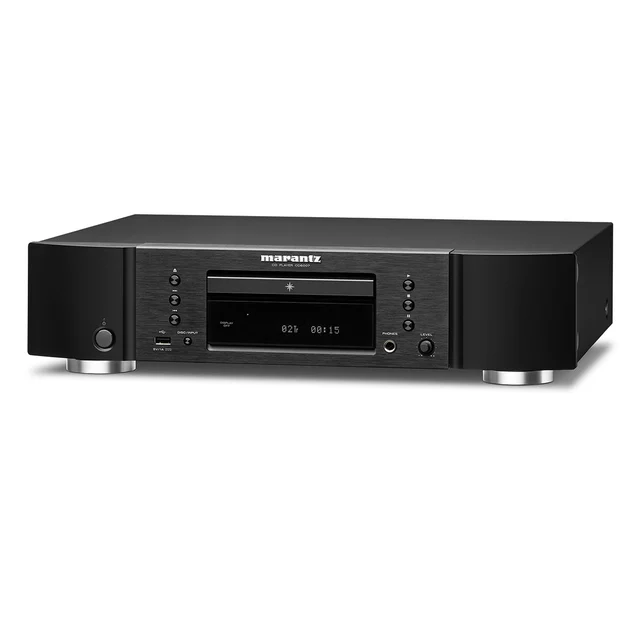 CD Players After reading this you'll know which type of CD player fits how you actually listen, and how to decode a spec sheet so you pay for the right things.
 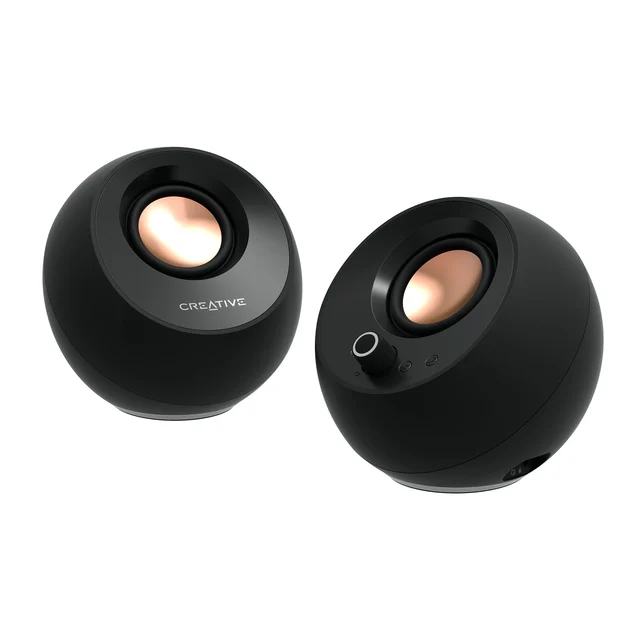 Computer Speakers After reading, you will understand how desktop speakers differ, what the specs actually mean, and how to match a set to your desk and your source.
 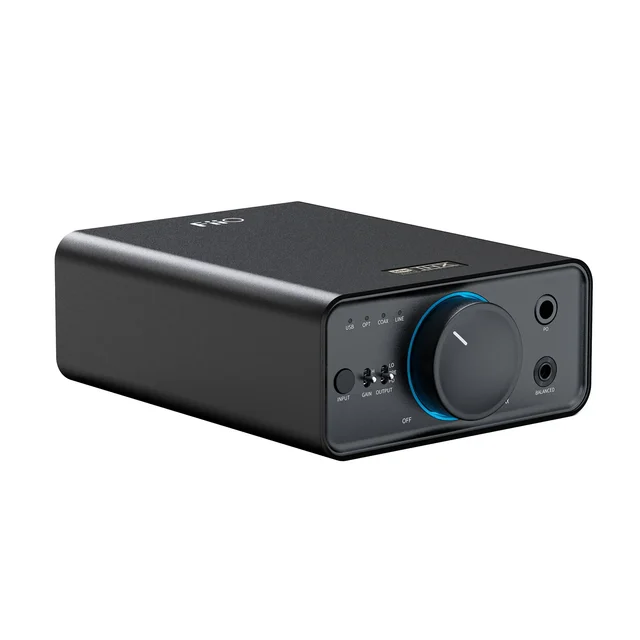 Desktop DAC/Amps After reading this you'll understand what a desktop DAC/amp actually does, which specs matter for your headphones, and how to avoid paying for features you won't use.
  DJ Headphones After reading, you'll understand why isolation and cueing beat audiophile sound in a DJ headphone, and how to read a spec sheet without getting fooled.
  Dolby Atmos Soundbars After reading this you'll understand what makes a soundbar 'Atmos', how to decode the channel numbers, and which features are worth paying for in your room.
  Gaming Headsets After reading this you will understand what every gaming-headset spec means and which ones actually change how the headset feels in daily use.