Explained
Beeswax Wraps, Explained
After reading, you'll understand what is in a wax wrap, what it can and cannot do, and how to read a listing.
In this guide
First-time buyers often expect a wax wrap to behave like plastic film, and it does not. A wrap needs the warmth of your hands to shape, it stops short of an airtight seal, and hot water can ruin it. The ingredient list also matters more than the print, because the fabric and coating decide cling and lifespan. Sizes vary widely between makers, so the word large means little by itself.
The 30-second version
- Heat is the main enemy, so wash in cool water and keep wraps away from ovens, microwaves and hot food.
- Raw meat stays off, because makers such as Bee's Wrap, etee and SuperBee advise against it.
- Expect about a year, since most makers state a year, with a few claiming up to two.
- Sizes are not standard, so compare inches rather than the labels small, medium and large.
- Plant-wax versions exist, using candelilla or soy wax, though they can bring soy or coconut into the blend.
The products this guide is about
Our verdict on each, with the full reasoning on the companion review.
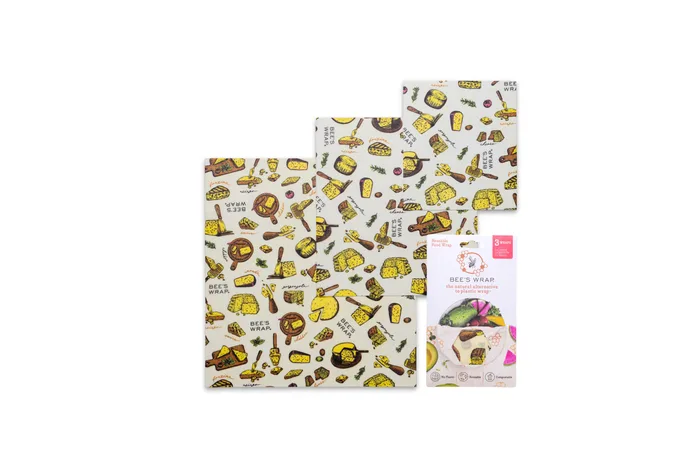
- Buy Bee's Wrap Assorted 3 Pack The best documented wax wrap set here, made in Vermont from GOTS-certified organic cotton, with a plant-wax option. Amazon
- Buy etee Beeswax Food Wrap Sampler The value pick: five wraps with organic cotton muslin and certified organic beeswax at a budget tier.
- Buy SuperBee Essentials Beeswax Wraps 5 & 9 Pack The pick for big jobs, with XL and XXL sizes in the 5-pack and the longest stated lifespan here.
- It depends Meli Wraps Avocado Print 3-Pack Handmade in Hawaii with Hawaiian beeswax and a published wash count, but light on care detail. Amazon
- It depends The Honey Jar Beeswax Food Wraps Family Size Combo Two oversized wraps for big bowls and loaves, with American beeswax and a short ingredient list.
- Skip Z Wraps 5-Pack Good sizes on paper, but the listing leaves out the facts you need and stock is patchy.
What actually matters
- Fabric - Cotton carries the coating and takes the wear. A named certification such as GOTS tells you more than the word cotton alone.
- Wax - Beeswax is the classic choice, and plant versions use candelilla or soy wax. The wax type matters if you are vegan or avoiding an ingredient.
- Resin - Tree or pine resin provides the tack that lets a wrap stick to itself. A worn wrap that stops sticking has usually lost this coating.
- Oil - Jojoba or coconut oil keeps the coating flexible. It is also worth checking if you avoid coconut.
- Size mix - A set should match your real jobs, from cut fruit to loaves. Check the inch measurements before buying.
- Care limits - Makers set rules on heat, raw meat and freezer time. A listing without them leaves you guessing.
- End of life - Some makers explain composting in strips or how to refresh a tired wrap. That advice adds real value to a product with a limited life.
The specs, in plain English
Green flags vs red flags
Green flags
- A named fabric certification such as GOTS
- A full list of wax, resin and oil
- Sizes given in inches or centimeters
- Clear rules on raw meat and heat
- A stated lifespan and composting steps
Red flags
- A vague phrase such as long lasting in place of a lifespan
- No ingredient list for the coating
- Size labels with no measurements
- No mention of what the wrap should not touch
- A brand site with a closure notice or sold-out sets across the range
Who's who: the brands
- Bee's Wrap - A Vermont maker known for GOTS cotton and for offering both beeswax and vegan wraps.
- etee - Known for budget-friendly wrap sets and other plastic-free kitchen goods.
- SuperBee - A Certified B Corp making wraps by hand in Chiang Mai, including XL and XXL sizes.
- Meli Wraps - A Hawaiian maker using local beeswax and publishing a wash count.
- The Honey Jar - A small US maker of hand-cut wraps using American beeswax.
How to read a listing without getting fooled
Start with the measurements, then read the ingredient list from the fabric outward. Look for a named fabric standard, the type of wax, and the resin and oil. Next, find the care rules: cool water, mild soap and air drying are the norm, and any listing should say what the wrap is not for. Then look for a stated lifespan and end-of-life advice. Check stock for the exact print you want, since small makers often sell out print by print. If a listing gives only a print name and the phrase long lasting, treat the missing facts as a warning sign.
How much should you spend?
Most wrap sets sit in the $$ · mid-range tier, and the price tracks wrap count and origin more than performance. The $ · budget tier can still give you organic fabric, as etee's sampler shows, though sale pricing moves around and documentation tends to be thinner. Mid-range sets usually add a stated origin, certifications or composting guidance. Compare by wrap count and total area rather than by pack price, because a two-wrap set of very large wraps and a five-wrap set of small ones are not the same purchase.
Questions, answered
How do I clean a wax wrap?
Wash it in cool water with a mild dish soap, then air dry it on a rack. Bee's Wrap, Meli Wraps and The Honey Jar all give that same basic routine. Hot water softens or melts the coating, so avoid it, and keep wraps out of the dishwasher. Store them away from heat once they are dry.
Are vegan wax wraps as good as beeswax?
Bee's Wrap says its vegan wraps offer a similar look, feel and performance to its beeswax wraps. They replace beeswax with candelilla wax and include soy wax, organic coconut oil and tree resin. We found few other plant-wax wraps in stock when we checked. If you need to avoid soy or coconut, read the list first.
Why did my wrap stop sticking?
A wrap loses tack as the coating wears, and cold hands or a cold kitchen can make it stiffer too. Warm it in your hands first. Bee's Wrap says a wrap that no longer sticks needs a refresh, and that a wrap has reached the end of its life when it wears thin. SuperBee publishes an oven method for restoring its own wraps, so follow your maker's guidance.
Should I buy a wrap or a reusable bag?
Wraps suit cheese, bread, cut produce and bowl covers, where shape matters more than a seal. Reusable bags and containers suit liquids, marinades and long freezer storage. Many kitchens use both. Our reviews of reusable food bags and food storage containers cover those jobs.
Or jump to the head-to-head: Bee's Wrap Assorted 3 Pack vs etee Beeswax Food Wrap Sampler.