Explained
Bidet Attachments and Seats, Explained
After reading this, you'll know whether you want a simple attachment or a full electric seat, which heater and nozzle specs actually matter, and how to check that anything you buy will fit your toilet and bathroom.
In this guide
The bidet market splits into two very different products that get lumped together: cheap non-electric attachments that bolt under your existing seat, and full electric seats with warm water, heated seating, and dryers. The spec sheets are full of terms like 'tankless heater', 'hybrid heating', and 'self-cleaning nozzle' that sound interchangeable but describe wildly different daily experiences. What trips up most first-time buyers is warm water: how it's made (or borrowed from your sink) determines whether you actually feel it before the wash is over.
The 30-second version
- Attachment vs. electric seat is the first fork in the road. Attachments are low-cost, tool-free, and usually cold-water only; electric seats add warm water, a heated seat, and a dryer but need a nearby outlet and cost several times more.
- Heater type decides the warm-water experience. Tankless (instantaneous) heaters heat water on demand; tank and hybrid systems can behave differently on longer washes; sink-fed 'warm' attachments depend on your plumbing.
- Fit is not guaranteed. Electric seats come in elongated and round versions, and one-piece, skirted, or wall-hung toilets can block the mounting hardware - check the manufacturer's fit guide before ordering.
- The outlet is part of the price. Electric seats need a power outlet within reach of the toilet (some makers specify GFCI); if your bathroom doesn't have one, an electrician visit belongs in your budget.
- Nozzle hygiene is mostly solved, but not equal. Self-rinsing nozzles that retract behind a guard are table stakes; stainless steel and automated sanitizing systems are the upgrades that actually reduce maintenance.
The products this guide is about
Our verdict on each, with the full reasoning on the companion review.
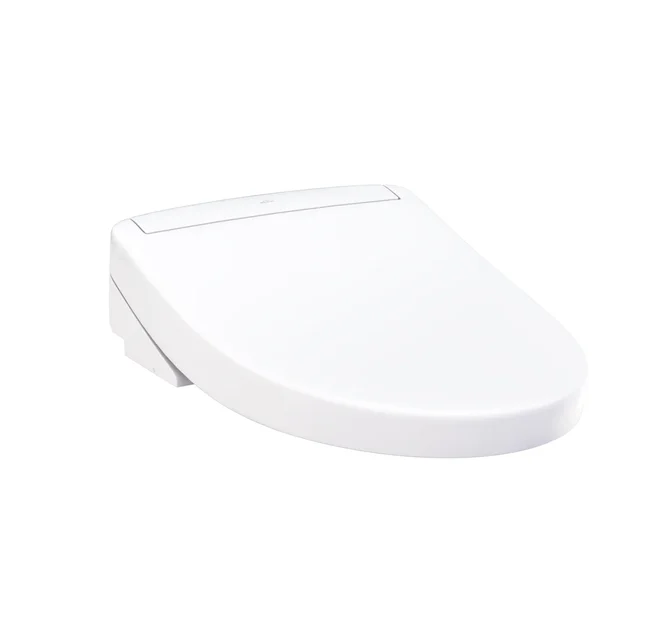
- Buy TOTO Washlet S5 TOTO's current Washlet S5: instantaneous continuous warm water, self-cleaning wand, and a polished feature set. Amazon
- Buy TUSHY Classic 3.0 A simple bidet attachment: install in about ten minutes, pressure control and a nozzle adjuster for aim, and no electricity. Amazon
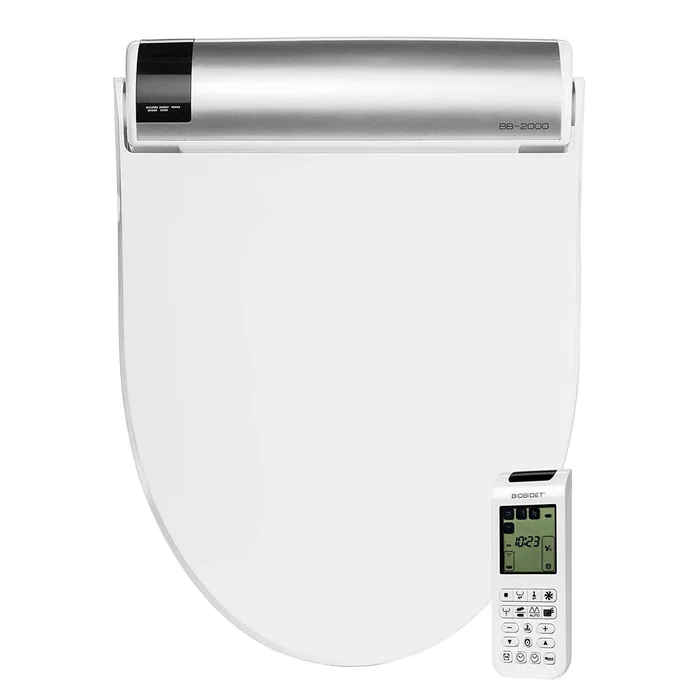
- It depends Bio Bidet BB-2000 Bliss A full-featured seat with a vortex wash mode and a three-year warranty, if you can live with its larger footprint. Amazon
- Skip TUSHY Spa 3.0 A warm-water attachment that charges a premium for warmth that depends on your plumbing. Amazon
What actually matters
- Type (attachment vs. electric seat) - this single choice sets your price bracket, install effort, and feature ceiling. Attachments deliver most of the hygienic benefit; seats deliver the comfort experience.
- Water heating method - tankless means instant, unlimited warm water; a tank or hybrid reservoir can taper to lukewarm mid-wash; sink-fed attachments depend entirely on how far your water heater is from the bathroom.
- Spray control - a pressure dial is the minimum; a nozzle adjuster or oscillating wand means you can aim the wash instead of repositioning yourself. This matters more day to day than most premium features.
- Installation reality - attachments such as the TUSHY Classic 3.0 are marketed as a 10-minute tool-free install and leave no trace, which is why they're the renter's default. Electric seats are still DIY, but add outlet requirements and more setup time.
- Toilet compatibility - bowl shape (elongated vs. round) and toilet style (one-piece, skirted, wall-hung) determine whether a seat physically fits. This is the most common reason for returns.
- Nozzle material and self-cleaning - retracting, self-rinsing nozzles keep things sanitary; stainless steel is a common durability upgrade over plastic, and electrolyzed-water sanitizing automates the wipe-down almost entirely.
- Warranty length - TUSHY lists one year and Bio Bidet lists three; a multi-year warranty can be a durability signal on a device that lives in a wet environment and gets used daily.
The specs, in plain English
Green flags vs red flags
Green flags
- Tankless heating on an electric seat - the single spec that most reliably predicts a satisfying warm-water experience
- A pressure dial plus a spray-angle or nozzle-position adjustment, so you can aim the wash
- A published fit guide listing compatible toilet models and bowl shapes
- Stainless-steel nozzle and a warranty longer than one year
- Tool-free installation with a standard T-valve, leaving no permanent changes (ideal for renters)
- Automated nozzle sanitizing (pre-mist or electrolyzed water) on premium seats
Red flags
- A non-electric attachment marketed on 'warm water' via a sink hookup - for most homes the warmth arrives after the wash ends
- No mention of bowl-shape versions or toilet compatibility - a common setup for a return
- Vague 'heated water' claims that don't say tankless, tank, or hybrid
- A nozzle that doesn't retract or self-rinse
- Electric seats sold without clear electrical requirements, hiding the GFCI outlet dependency
- Meaningful price premium over a basic attachment for a single gimmick feature rather than real heating
Who's who: the brands
- TOTO - The Japanese manufacturer that pioneered the electric bidet seat; its Washlet line includes instantaneous-heater seats with automated wand cleaning.
- TUSHY - A US brand of simple attachments; known for 10-minute DIY installs and pressure control at entry prices.
- Bio Bidet - A US brand whose BB-2000 seat offers a vortex wash mode, a stainless-steel nozzle, and a three-year warranty.
- Brondell - A broad-line US bidet maker offering everything from basic attachments to feature-rich electric seats, often positioned as the value alternative to flagship brands.
- Kohler - The legacy plumbing giant; its bidet seats emphasize integration with its own toilets and mainstream retail availability.
How to read a listing without getting fooled
Start any listing by pinning down the type: is this a non-electric attachment or an electric seat? Marketing photos blur the line. If it's electric, find the heater type - 'tankless' or 'instantaneous' is the term you want; 'ceramic heating' or an unspecified 'warm water' claim usually means a tank or hybrid that can go lukewarm. If it's an attachment claiming warm water, look for the words 'connects to your sink's hot-water line' - that's the sink-fed design whose warmth depends on your plumbing layout, not the product. Next, confirm fit: the listing should name elongated and round versions and ideally publish a compatibility guide; silence on fit is itself a warning. Finally, check the electrical requirement (a GFCI outlet within reach) and the warranty length, and treat a long feature list - nightlights, deodorizers, music - as garnish: wash quality, heating method, and spray control are the specs you'll feel every day.
How much should you spend?
What drives cost in this category is electricity and heating. Non-electric attachments sit at the bottom of the market and deliver a surprising share of the real benefit - a controlled, aimable wash - which makes a well-reviewed attachment the value sweet spot for first-timers and renters. The mid-market is the trap zone: warm-water attachments and bare-bones electric seats often charge a real premium for warmth that's either slow to arrive or quick to run out. Spending more starts paying off again at the premium tier, where tankless heating, automated nozzle sanitizing, heated seats, and multi-year warranties are genuine daily-life upgrades rather than spec-sheet garnish. Our advice: buy either a good cheap attachment or a properly equipped electric seat, and be wary of everything priced in between. And remember that if your bathroom lacks an outlet by the toilet, electrician work is part of the true price of any electric option.
Questions, answered
Is a cheap attachment good enough, or do I need an electric seat?
For pure hygiene, an attachment does most of the job: it delivers a controlled wash using only water pressure. What the electric seat adds is comfort - warm water, a heated seat, a dryer - plus automation like self-sanitizing nozzles. If you're bidet-curious, renting, or budget-minded, start with an attachment; if you already know you want the full warm-water experience, buy a tankless electric seat once rather than upgrading in steps.
Is cold water from an attachment really that bad?
TUSHY says its cold-line models spray at about tap temperature, not icy. The spray targets a small area briefly, though the first seconds on a winter morning can be bracing. If cold water is genuinely a dealbreaker, save for an electric seat with a tankless heater rather than buying a sink-fed 'warm' attachment, whose warmth depends on how far your water heater is from the sink.
Can I install a bidet myself, and will it work in a rental?
Yes on both counts. Attachments are marketed as tool-free installs of around ten minutes using a connection to the existing water line, leave no permanent changes, and move out with you. Electric seats are also DIY - you replace the seat and connect the same style of T-valve - but they need a power outlet within reach of the toilet, which is the one part of the job that can require a professional.
Will an electric bidet seat fit my toilet?
Most fit standard two-piece toilets, but you must match your bowl shape - elongated or round - before ordering. One-piece toilets with a curved back, skirted designs, and wall-hung toilets can block the mounting bracket or water connection. Measure from the seat mounting bolts to the front rim and check the manufacturer's fit guide against your toilet model; fit problems are the most common reason these get returned.
Are bidet nozzles sanitary?
Well-designed ones, yes. Decent models use nozzles that rinse themselves before and after use and retract behind a guard, out of the splash zone, and a periodic wipe-down still helps. Stainless-steel nozzles are a durability plus, and premium seats add automatic sanitizing with electrolyzed water. Whatever you buy, give the nozzle a periodic wipe-down - the same way you clean the rest of the toilet.
Do the warm-air dryers actually replace toilet paper?
Not entirely. Dryers are gentle by design, so you may still want a small pat of paper. The realistic benefit of a bidet is less paper use and a cleaner result, not necessarily a completely paper-free bathroom.
Or jump to the head-to-head: TOTO Washlet S5 vs TUSHY Classic 3.0.