Explained
Canister Vacuums, Explained
After reading, you'll know exactly which floorhead, filtration, and build features to demand so you buy a canister that cleans well and lasts for decades.
In this guide
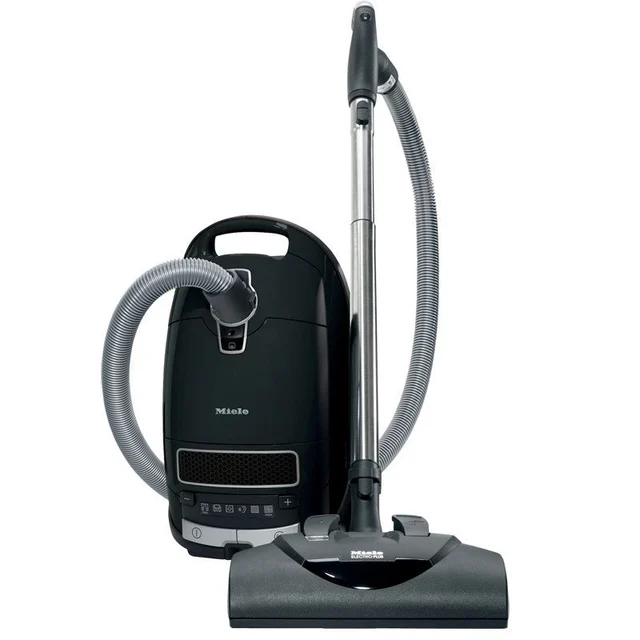
A canister vacuum is the wheeled body-and-hose format that many shoppers skip while chasing cordless sticks and robots, yet it quietly out-suctions and out-lasts most of them. The catch is that the same model can be a lifetime tool or a disappointment depending on one choice most buyers get wrong: the floorhead. This guide decodes the specs and jargon so you match the machine to your floors and your home.
The 30-second version
- The floorhead is the whole decision. A motorized powerhead is essential for carpet and rugs; a plain suction or combo head is best for bare floors, and buying the wrong one ruins an otherwise great vacuum.
- Cheaper trims often ship without the powerhead. The exact same canister body may come with or without the motorized brush depending on the trim, so confirm what's actually in the box before you buy.
- Bagged usually beats bagless here. A sealed bag traps fine dust, holds suction steady until full, and empties cleanly, which matters most for allergy and asthma households.
- A sealed system is what makes HEPA meaningful. A true HEPA filter only helps if the whole air path is sealed so dust can't leak out around it before reaching the filter.
- Premium canisters are genuinely buy-it-for-life. Serviceable builds and long parts pipelines let the best ones run a decade or more, which is why they cost more upfront.
The products this guide is about
Our verdict on each, with the full reasoning on the companion review.
- Buy Miele Complete C3 (Kona / electro-powerhead trims) The definitive bagged buy-it-for-life canister, as long as you pick a trim that comes with the motorized powerhead.
- Buy SEBO Airbelt D4 Premium A commercial-grade German canister that arrives carpet-ready, with hospital-grade filtration and near-indestructible build.
- It depends Kenmore Pet Friendly Pop-N-Go Bagged Canister (BC4026) A carpet-capable bagged canister at a fraction of the premium price, if you accept it is not a lifetime tool.
- Skip Bissell Zing Bagless Canister (2156A) Cheap, light, and fine on bare floors, but it has no powerhead for carpet and loses suction as the bin fills.
What actually matters
- Floorhead match — the single most important factor: motorized powerhead for carpet, plain suction or combination brush for bare floors. Get this wrong and nothing else saves the purchase.
- What's included in the trim — since one model number can ship with different heads, verify whether the motorized brush is standard or an upgrade before you commit.
- Bagged vs bagless — bagged holds fine dust, keeps suction steady, and empties without a dust cloud; bagless saves on bags but fades as the bin fills and is messy to empty.
- Sealed system and true HEPA filtration — a sealed air path plus a genuine HEPA filter is what actually keeps allergens out of the exhaust; unsealed 'HEPA' leaks.
- Real suction and airflow, not marketing wattage — usable cleaning power comes from airflow and sealed suction, not the headline motor wattage on the box.
- Maneuverability, cord length, and weight — a long operating radius, smooth casters, and a manageable body determine how pleasant the vacuum is to actually use.
- Build quality and parts availability — serviceable construction and a reliable supply of genuine parts are what separate a decade-long tool from a two-year one.
The specs, in plain English
Green flags vs red flags
Green flags
- The listing clearly states a motorized powerhead is included (not just a 'floor brush'), plus a separate bare-floor brush
- Described as a fully sealed system with true HEPA filtration, not just a 'HEPA filter' bolted onto a leaky body
- Bagged design with sealed bags, especially if anyone in the home has allergies or asthma
- Variable or multi-stage suction control rather than a single on/off power level
- Serviceable, repair-friendly build with genuine parts and bags that are easy to buy over the years
- A long operating radius, smooth casters, and on-board tools for corners, upholstery, and crevices
Red flags
- The specs highlight motor wattage but stay vague about airflow, sealed suction, or whether the brush is motorized
- A cheaper trim that quietly ships with a combo head only and no motorized powerhead, despite sharing the model name
- Bagless bin sold mainly on 'no bag costs' with no mention of sealed filtration
- 'HEPA filter' claimed without any mention of a sealed system around it
- Very light, very cheap plastic construction with a short cord and no real parts or service support
- No clear information on where to get replacement bags, filters, or brushes down the road
Who's who: the brands
- Miele - German maker known for refined, quiet, sealed bagged canisters with excellent filtration and long service life.
- SEBO - German brand built to commercial standards, favored for carpet-ready durability and hospital-grade filtration.
- Kenmore - Long-standing US household name, now a licensed brand, offering carpet-capable bagged canisters at mid-range value.
- Bissell - Mass-market brand whose budget canisters are light and inexpensive but often bare-floor-focused and bagless.
How to read a listing without getting fooled
Read a canister listing floorhead-first. Find out exactly which head is in the box: the words 'powerhead', 'power nozzle', 'electric brush', or 'motorized brush' mean carpet-ready, while 'floor brush' or 'combination head' usually means bare-floor suction only. Because the same model can appear in several trims, cross-check the specific trim name against its included accessories rather than trusting the family reputation. Next, separate cleaning power from marketing: airflow, sealed suction, and air watts describe how well it actually cleans, whereas a big motor-wattage number tells you nothing about dirt lifted. Confirm the filtration claim is a sealed system with true HEPA, not just a HEPA filter dropped into a leaky body. Then check the practical details you'll live with daily: bagged or bagless, operating radius, weight, suction control, on-board tools, and how easy it is to buy genuine bags, filters, and parts later.
How much should you spend?
Think of canister prices in tiers rather than dollars. Budget models are light and cheap but tend to be bare-floor helpers with unsealed filtration and short lifespans, best treated as a temporary tool. The mid-range is where value lives: you can get a bagged, carpet-capable canister with a real motorized powerhead and decent filtration for far less than the premium names, accepting that it's plastic-heavy and not built for decades. Premium and flagship canisters cost the most, but their sealed systems, serviceable builds, and long parts pipelines routinely last ten years or more, which often makes them cheaper per year of use. Spending more is worth it if you have carpet, allergies, or want to buy once; it's less worth it if you have mostly bare floors and modest needs. Whatever the tier, budget for the ongoing cost of genuine bags and filters, since that's the true running expense of a bagged machine.
Questions, answered
Are canister vacuums still worth buying instead of a cordless stick?
For many homes, yes. A good canister delivers stronger sustained suction, better sealed filtration, and far longer life than most cordless sticks, with no battery to degrade over time. The trade-off is that you drag a hose and body behind you and it needs a plug. If grab-and-go convenience is your top priority, a stick wins; if deep cleaning, allergen control, and buying once for a decade matter more, a canister still leads.
Do I really need a motorized powerhead?
This is the single most important question, and getting it wrong is the number one buying mistake. Carpet and area rugs need a motorized brush to agitate the fibers and lift embedded dirt, because plain suction alone barely touches it. Bare floors are actually best with a plain suction or combination brush, which a spinning powerhead can scatter. Match the head to your floors: buy a powerhead trim if you have carpet, and make sure any bare-floor-focused model still includes a proper hard-floor brush.
Bagged or bagless, which is better for a canister?
For this category, bagged wins for most people. A sealed bag traps fine dust and allergens and keeps suction steady until it's full, then you lift the bag out without a dust cloud. Bagless saves the ongoing cost of bags, but the bin loses suction as it loads, is messy to empty, and typically lets more fine dust escape. If anyone in the home has allergies or asthma, a sealed bagged system is the safer choice.
What does a 'sealed system' mean, and why does HEPA depend on it?
A sealed system means the entire air path is gasketed so every bit of air the vacuum pulls in is forced through the filter, with no leaks around the edges. A true HEPA filter can only capture fine particles that actually reach it, so a HEPA filter inside a leaky, unsealed body lets dust escape back into the room and defeats the purpose. When filtration matters, look for both a sealed system and a genuine HEPA filter together, not one without the other.
Why do premium canisters cost so much more, and are they worth it?
You're paying for a serviceable, well-built machine with a long supply of genuine parts, which is what lets the best canisters run a decade or more instead of a couple of years. Spread over that lifespan, they can cost less per year than repeatedly replacing cheaper machines. They're worth it if you have carpet, allergies, or simply want to buy once and forget it. Just remember the real ongoing expense is genuine bags and filters, so factor that in alongside the purchase price.
Or jump to the head-to-head: Miele Complete C3 (Kona / electro-powerhead trims) vs SEBO Airbelt D4 Premium.