Explained
Bread Machines, Explained
After reading this you'll understand what every bread machine spec means and which ones actually affect the loaf you take out of the pan.
In this guide
A bread machine mixes, kneads, proofs, and bakes a loaf for you, so the whole job comes down to tossing in ingredients and pressing a button. The catch is that machines that look nearly identical can produce very different loaves, and the spec sheets lean hard on jargon like 'horizontal pan,' 'dual heaters,' and program counts that don't tell you much on their own. This guide translates that language so you can tell a genuinely better machine from a longer feature list.
The 30-second version
- Loaf shape matters more than program count. A horizontal pan gives toaster-friendly rectangular slices, while a vertical pan makes a tall, near-square loaf that can be awkward to store and toast.
- Even browning comes from the heating design. Machines with dual (top and bottom) elements or an added lid heater brown the crust evenly, while a single bottom element tends to leave a pale top.
- Program depth only helps if you'll use it. Twenty programs mean nothing if you bake plain white and wheat; match the course list to what you actually make instead of counting settings.
- Durability is a real spec, just an unofficial one. Owner reports of machines lasting a decade tell you more about a good buy than any number on the box.
- Gluten-free is where marketing and reality diverge most. Almost every machine lists a gluten-free setting, but real results vary widely, so treat that claim skeptically if it's your main reason to buy.
The products this guide is about
Our verdict on each, with the full reasoning on the companion review.
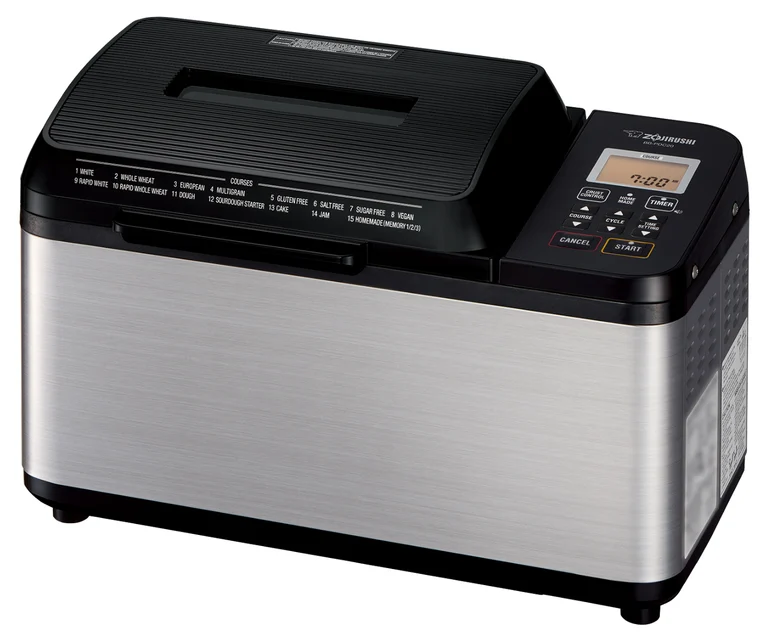
- Buy Zojirushi Home Bakery Virtuoso Plus (BB-PDC20) The closest a machine gets to an oven-baked, bakery-shaped loaf. Amazon
- Buy KBS Pro 17-in-1 Bread Maker (MBF-010) Bakery-grade everyday white and wheat loaves at a mid-range price. Amazon
- It depends Breville the Custom Loaf (BBM800XL) The most programmable machine here, if you actually want to tinker. Amazon
- Skip Cuisinart Compact Automatic Bread Maker (CBK-110NAS) A tidy, affordable starter machine that the rest of this field outbakes. Amazon
What actually matters
- Loaf shape and size - horizontal pans produce rectangular, toaster-friendly slices; vertical pans make tall, near-square loaves that store and toast less neatly. Most machines top out around a 2 lb loaf.
- Heating design - dual top-and-bottom elements, and especially an extra lid heater, brown the crust evenly on all sides, while a single bottom element browns the base best and leaves the top paler.
- Program versatility - the value is in whether the courses match your baking (whole wheat, gluten free, dough-only, jam), not the raw number of programs.
- Ease of use - one-touch presets suit most people; deep custom programming is a benefit only if you genuinely want to tune each stage of the bake.
- Pan coating and cleanup - non-stick or ceramic pans release the loaf cleanly and wipe out easily, and better coatings hold up longer before they wear.
- Durability - a machine that dies in two years is no bargain at any price, so multi-year owner reliability reports outweigh spec-sheet features.
- Footprint - bread machines are bulky; a large flagship can dominate a counter, while compact models trade some loaf quality for space.
The specs, in plain English
Green flags vs red flags
Green flags
- A horizontal pan if you want normal, toaster-friendly slices
- Dual or lid heaters described in the specs, not just a single bottom element
- A ceramic or quality non-stick pan that owners say wipes clean and lasts
- Consistent owner reports of the machine running for many years
- A course list that specifically includes the breads you actually bake
- Clear, well-reviewed controls if you want simple one-touch operation
Red flags
- A long program count used to distract from mediocre everyday loaf quality
- A gluten-free claim treated as a headline feature with little detail to back it
- Reviews mentioning uneven browning or a pale top crust
- A flimsy pan coating or housing that owners report wearing or feeling cheap
- A tall vertical loaf if slices need to fit a standard toaster
- A premium price justified only by custom programming you won't use
Who's who: the brands
- Zojirushi - Japanese brand known for premium, long-lasting machines with horizontal twin-paddle pans and even, oven-like browning.
- KBS - Value-focused maker whose machines punch above their price on everyday white and wheat loaves, with ceramic pans and generous program lists.
- Breville - Premium appliance brand offering the most programmable machines, aimed at bakers who want to tune each stage of the cycle.
- Cuisinart - Mainstream kitchen brand with tidy, affordable, beginner-friendly machines that trade some loaf quality for a compact footprint.
- Panasonic - Long-established maker widely respected for reliable, consistent machines and strong handling of whole-grain and specialty loaves.
How to read a listing without getting fooled
Start with the pan, not the feature list: check whether it's horizontal (rectangular, toaster-friendly slices) or vertical (tall and near-square), and what loaf sizes it bakes. Next look at the heating description; 'dual heaters' or a 'lid heater' signals more even browning than a single bottom element, which is the biggest real difference between a good loaf and a great one. Then read the course list for the specific breads you make rather than being impressed by the total count, since a machine with 17 programs and a poor default white loaf is worse than one with 12 that bakes beautifully. Finally, weigh long-run owner reports on durability and cleanup as heavily as any printed spec, and treat gluten-free claims as the place where listings most often oversell.
How much should you spend?
Spend based on how often you bake and how much loaf quality and longevity matter to you, not on the length of the feature list. Budget machines are genuinely fine for occasional baking and small kitchens, but they tend to make near-square vertical loaves with less even browning, so they're best when footprint and low cost outweigh everything else. The mid-range is where the value sweet spot sits for most people: you get bakery-grade everyday white and wheat loaves, a good pan, and a useful program list without paying a premium. Stepping up to a flagship is worth it mainly for regular or weekly bakers who want the best-shaped, most evenly browned loaf and a machine that owners report lasting a decade, since spread across years of baking that longevity offsets the higher up-front cost. Paying premium for deep custom programming only makes sense if you'll actually use it; for one-touch convenience the extra money is better spent elsewhere.
Questions, answered
Are more expensive bread machines actually better?
Often, but not automatically. Flagship machines usually justify their price with better heating (dual or lid heaters for even browning), a toaster-friendly horizontal loaf, and proven long-term durability. But a premium machine loaded with custom programming you'll never use can be a worse buy than a well-reviewed mid-range one that nails everyday white and wheat loaves. Match the price to how you actually bake.
What's the difference between a horizontal and a vertical loaf?
It's about the shape of the pan and therefore the bread. A horizontal pan bakes a wide, rectangular loaf whose slices look and fit like normal sandwich bread, including in a standard toaster. A vertical pan bakes a tall, near-square loaf that can be awkward to slice evenly and to store, though it takes up less counter space.
Do bread machines really make good gluten-free bread?
Results vary a lot, so temper your expectations. Nearly every machine lists a gluten-free setting, but this is the area where real performance diverges most from the marketing. Some machines handle it acceptably and others are noticeably weaker. If gluten-free is your main reason to buy, prioritize models specifically praised for it and plan to adjust recipes rather than trusting the button alone.
How many programs do I actually need?
Fewer than the box wants you to think. Most people bake plain white, whole wheat, and maybe a dough cycle, so a machine that does those well beats one with a longer menu it handles only adequately. Count the courses you'll genuinely use, not the total, and treat deep custom programming as a bonus only if you enjoy tuning each stage of the bake.
How long should a bread machine last?
A good one should give you many years of regular use, and the best have a reputation for a decade or more. Durability functions as an unofficial spec: since a machine that fails in two years is no bargain at any price, weigh consistent owner reliability reports as heavily as any printed feature when you compare models.
Or jump to the head-to-head: Zojirushi Home Bakery Virtuoso Plus (BB-PDC20) vs KBS Pro 17-in-1 Bread Maker (MBF-010).